Engineered to handle extreme Direct Normal Irradiance (DNI) and optimize albedo ratios on high-reflection soils.
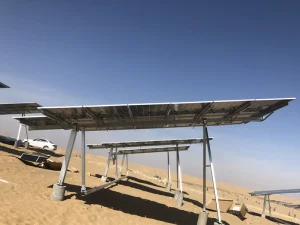
Premium engineering delivering 10° to 30° tilt adjustment limits, perfect for utility structures under low-latitude mountain terrain.
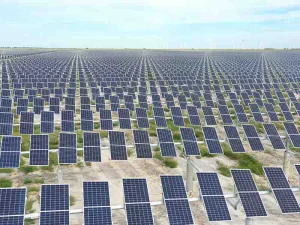
High mechanical stability integration combining flat movement lines with fixed vertical inclines to capture high sun profiles.
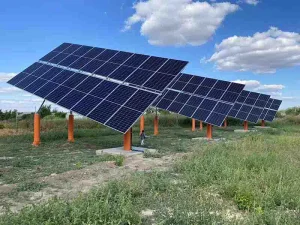
Robust ZRT-16 configuration targeting mid-scale arrays. Improves total plant power outputs by 15% to 25% over static models.
Low-maintenance structural configurations with enhanced resistance to wind-induced torsional fluttering in flat sands.
Chile boasts the highest solar irradiance index on Earth. The northern Atacama Desert is a focal point of intense clean energy investments. Global and domestic developers targeting Chile must address unique geographical challenges, including high elevation, coastal salt winds (known as the *Camanchaca*), seismic vulnerabilities under standard NCh 433, and intense UV exposure.
Understanding the local financial framework is critical. The *Pequeños Medios de Generación Distribuidora* (PMGD) framework incentivizes distributed PV plants under 9MW. Optimizing energy yields is key to maximizing revenue. Under these conditions, standard flat trackers lose performance during low-sun periods. In contrast, tilted single-axis tracking systems maximize the incidence angle, boosting generation by up to 25% to offset high-altitude losses.
A technical comparison based on operational yield calculations and environmental durability.
Operates on a flat horizontal axis. While cost-effective, it loses energy yield at higher latitudes and during early morning/late afternoon hours.
Optimizes energy capture at Chilean latitudes by setting the solar modules at an angle. This maximizes irradiance capture from sunup to sundown.
Tracks both elevation and azimuth. Offers the highest yield but comes with increased CAPEX and more mechanical complexity.
Established in June 2012, Shandong Zhaori New Energy Tech. Co., Ltd. is a high-tech clean energy enterprise focused on independent research and intellectual property. The company has dedicated over a decade to developing utility-grade solar trackers and structural brackets.
Our organization features 10 specialized departments, including R&D, Technical Engineering, Precision Production, Quality Control, and International Trade. Our engineering staff specializes in designing wind-resistant structures and tracking algorithms for complex topographies, including deserts, mountainous areas, and coastal regions.
Our 50,000-square-meter manufacturing facility features CNC machinery, automated welding robots, and precision cutting tools. This setup supports a monthly output of 500MW, ensuring reliable supply and support for utility projects in Chile and South America.
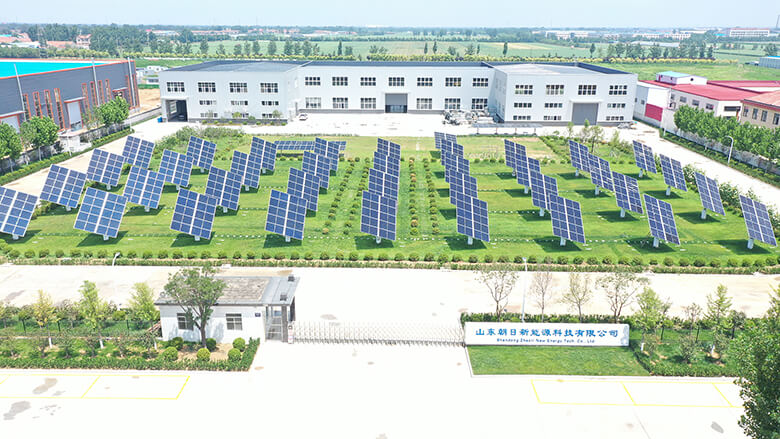
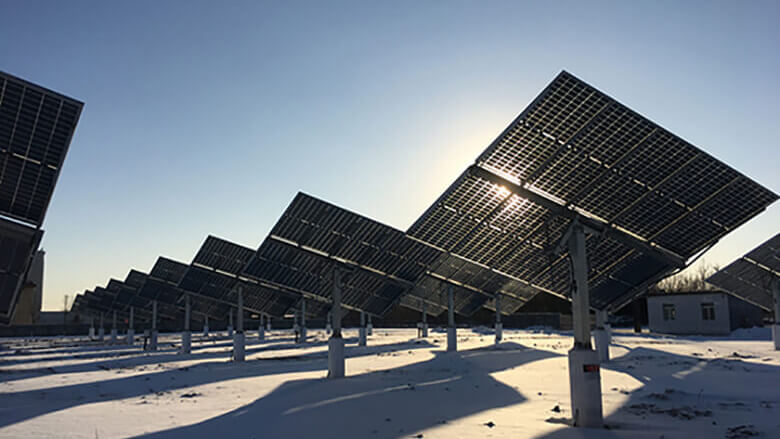
All tracking components undergo thorough quality inspections, starting with raw steel selection and continuing through welding, hot-dip galvanization, and final packing. Our components are designed to withstand coastal corrosion and desert dust storms.
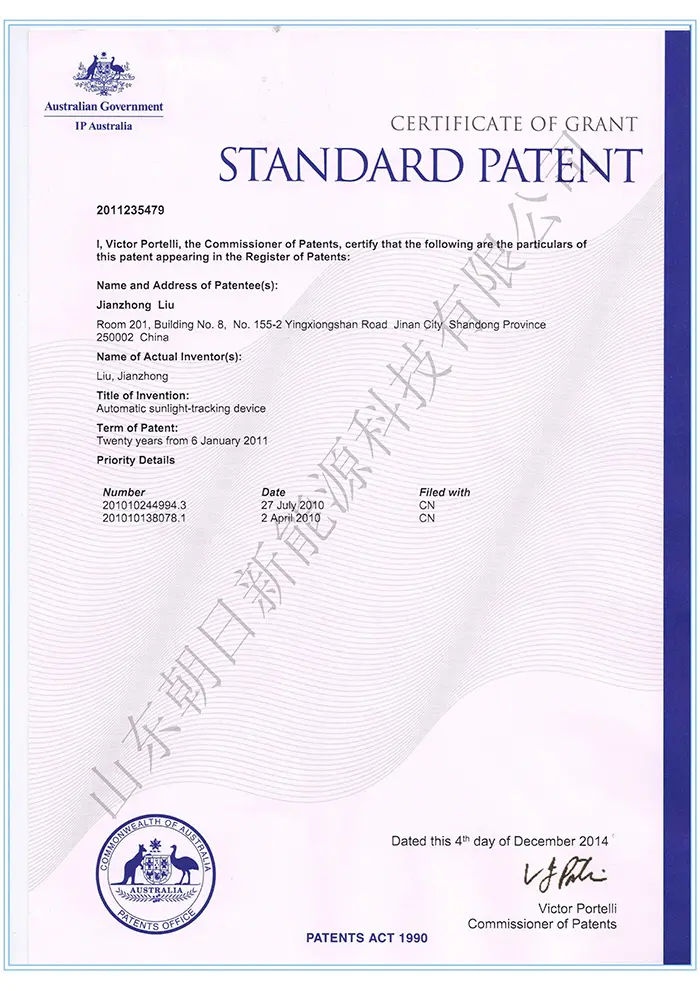
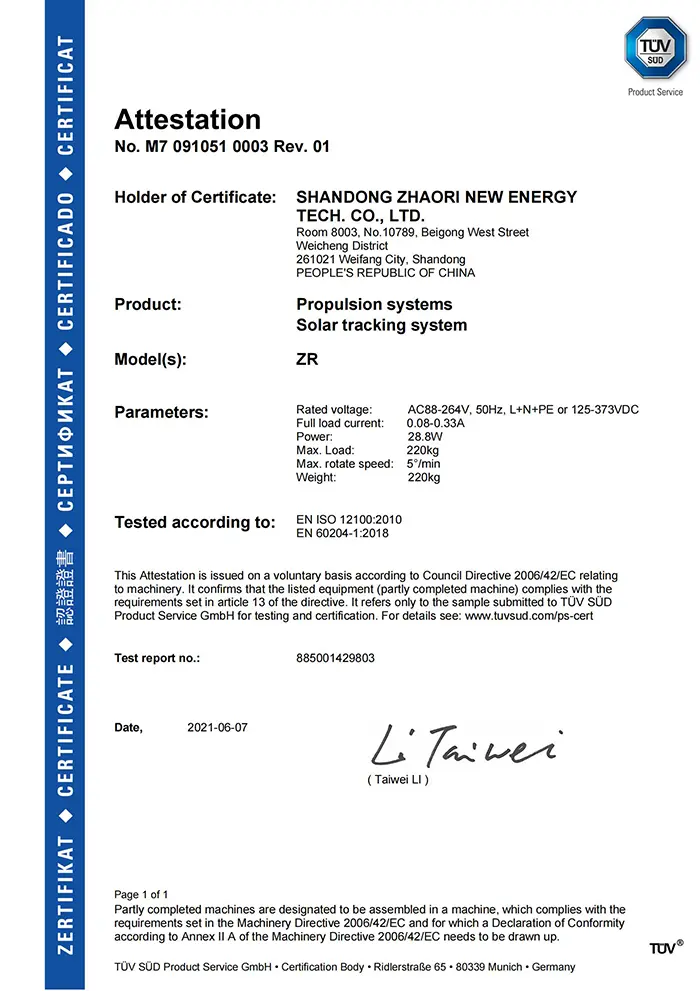
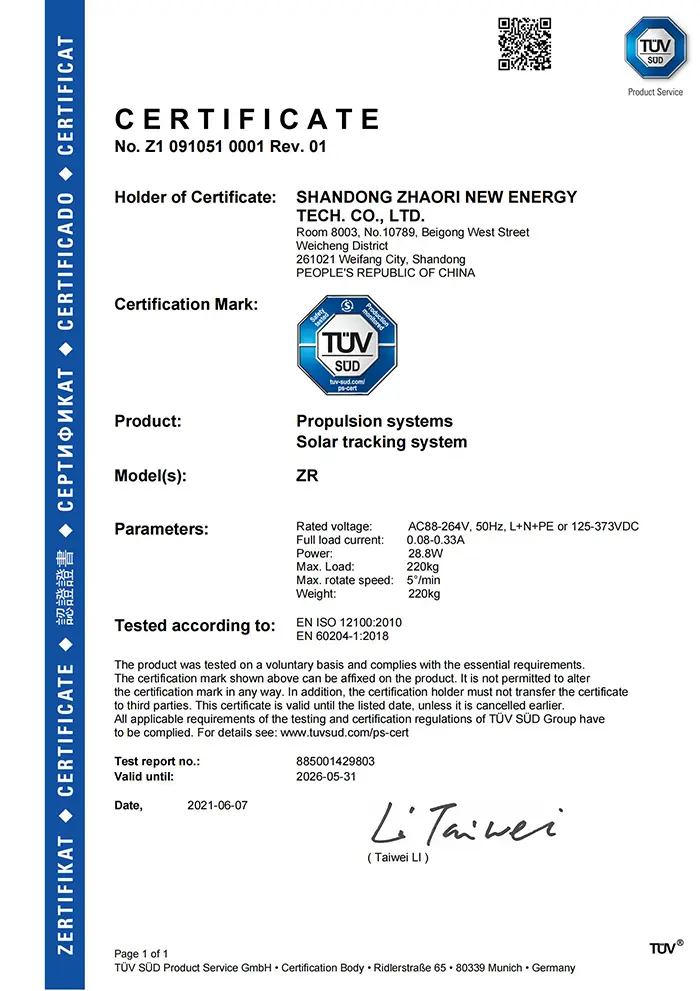
Our technology is backed by patents from the European Patent Office, the United States, Canada, Australia, Japan, South Korea, India, and Brazil, along with 8 Chinese National Invention Patents and over 30 Utility Model patents. With certifications including CE, TUV, and ISO, we provide reliable, high-quality, and cost-efficient tracking solutions.
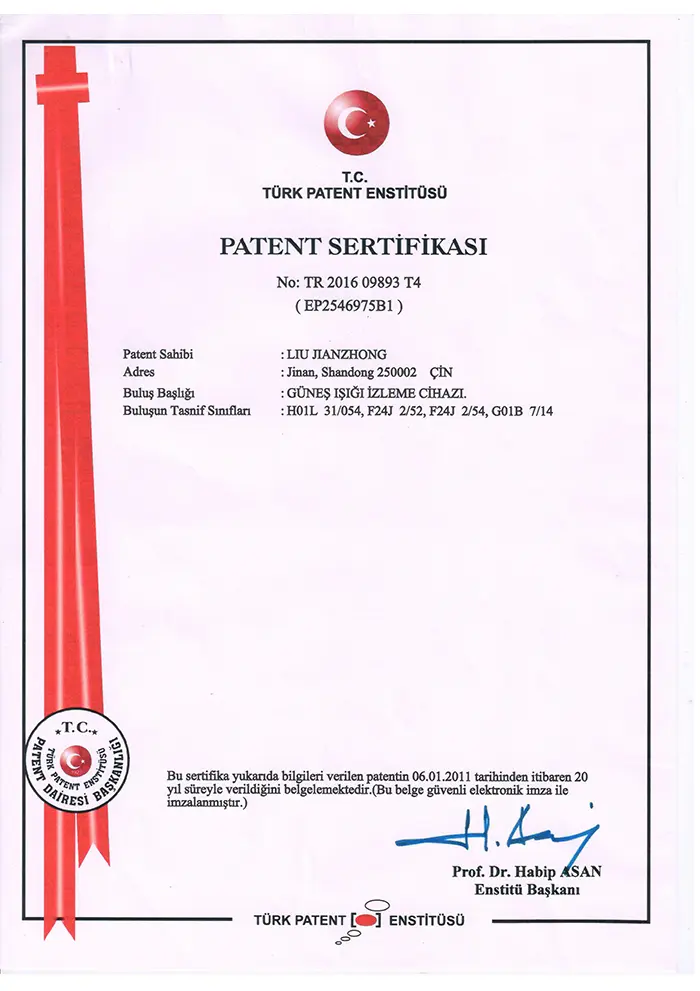

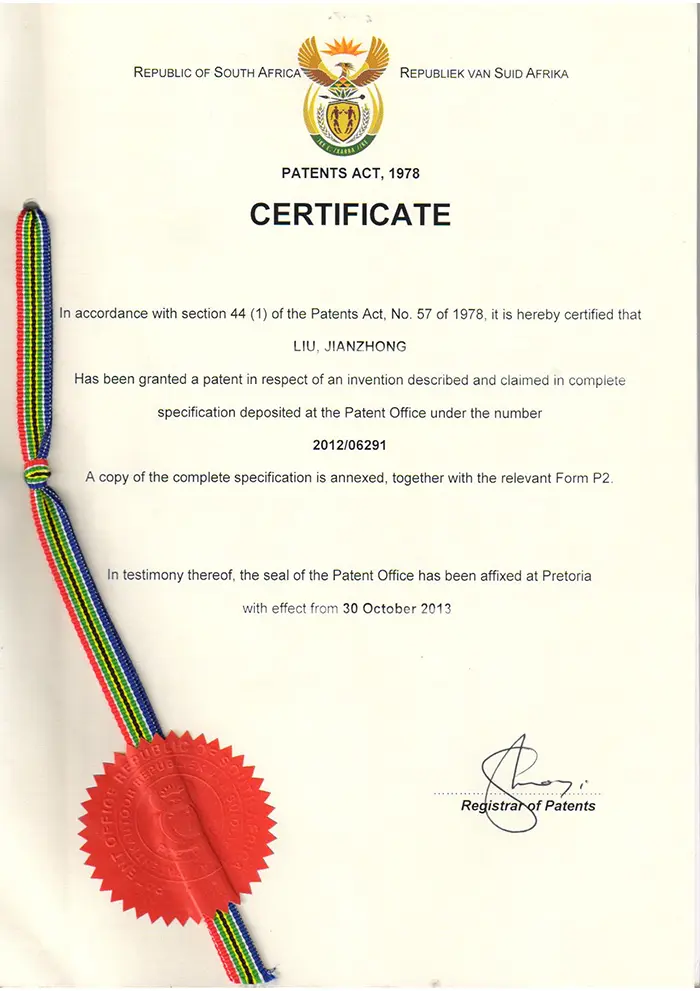
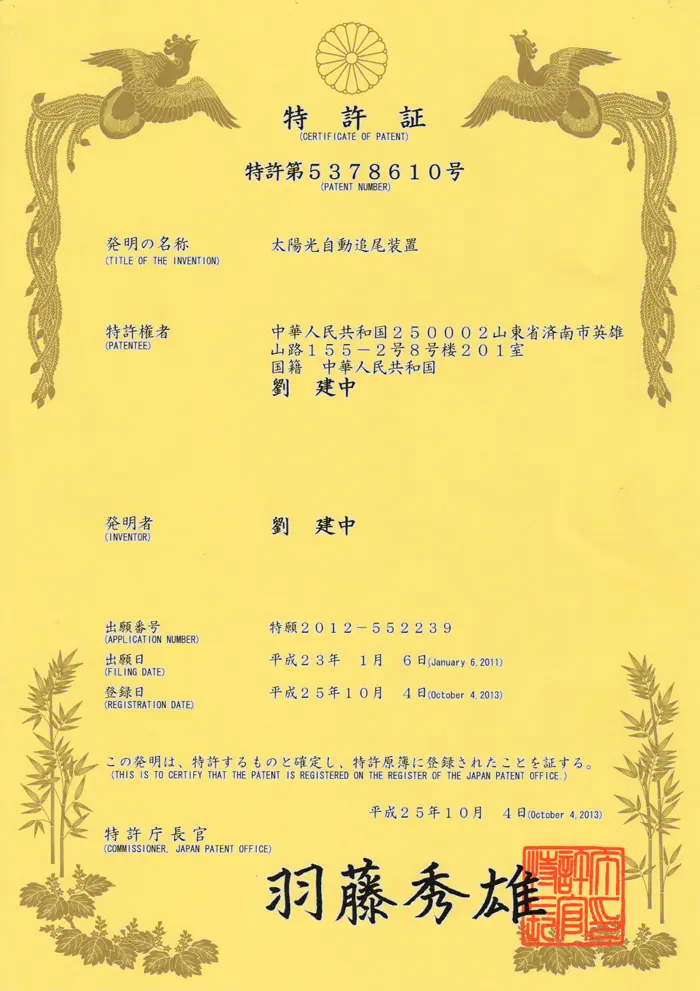
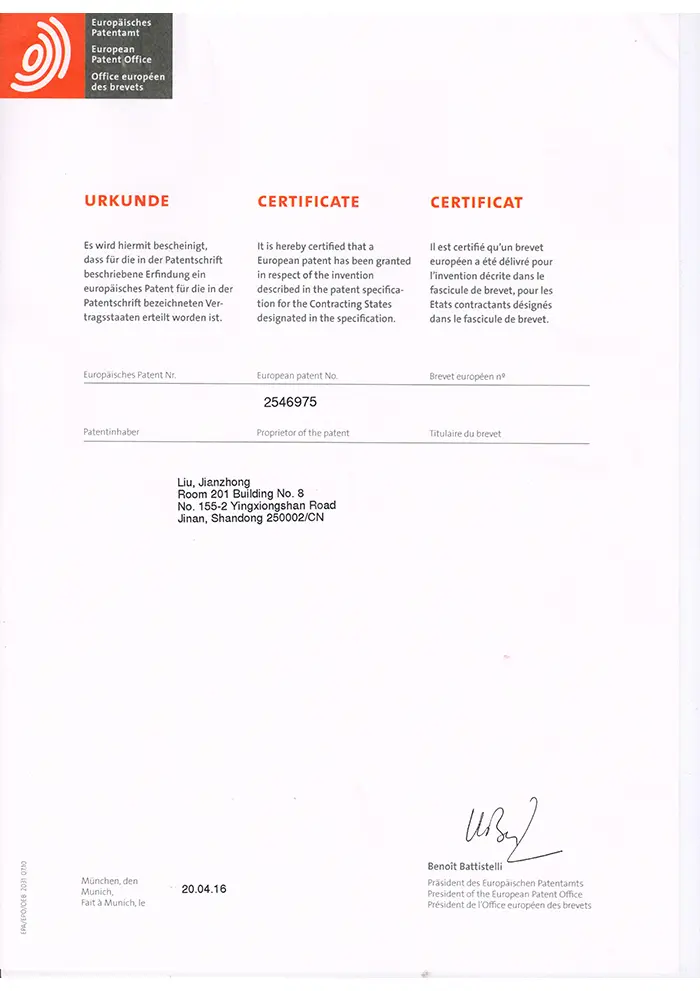
Tracking performance demonstrated across various environments, from desert sandstorms to high-altitude Andean conditions.
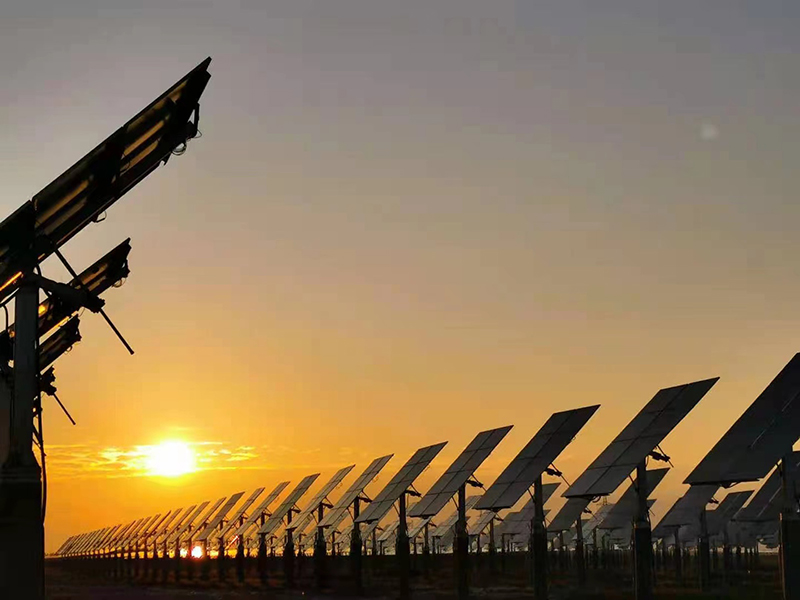
Copiapó Valley 5MW Project
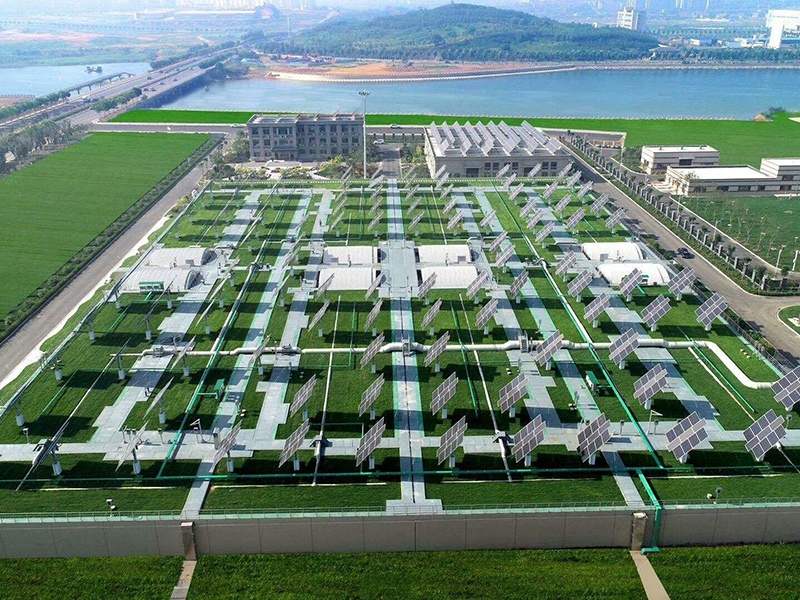
Santiago Industrial Project
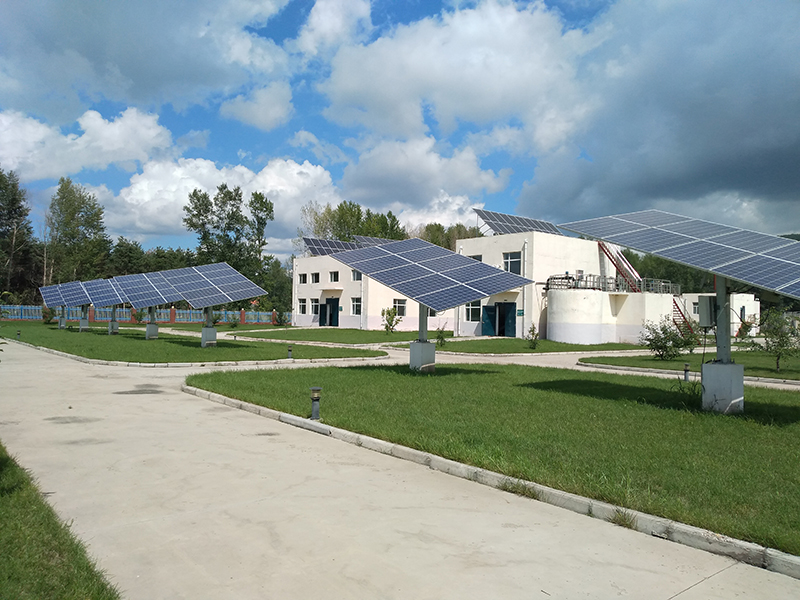
Coquimbo Microgrid Project
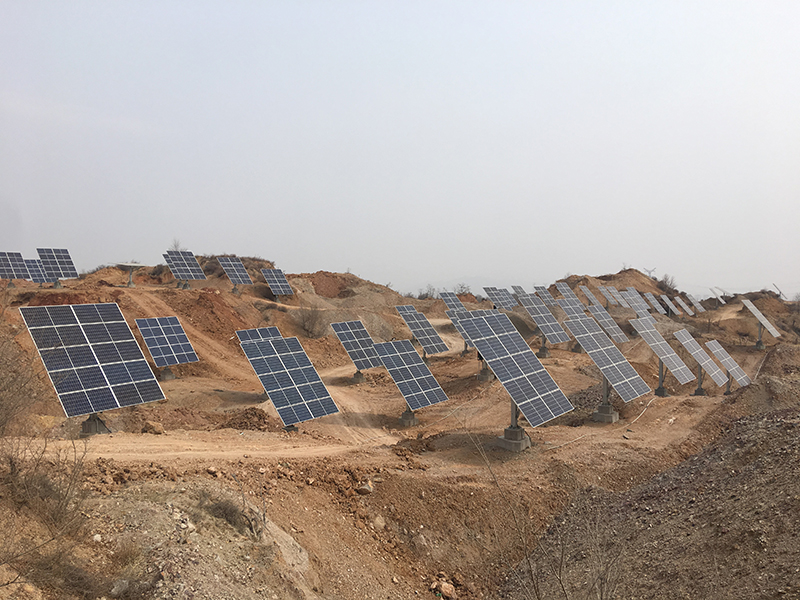
Andean Foothills Utility Plant
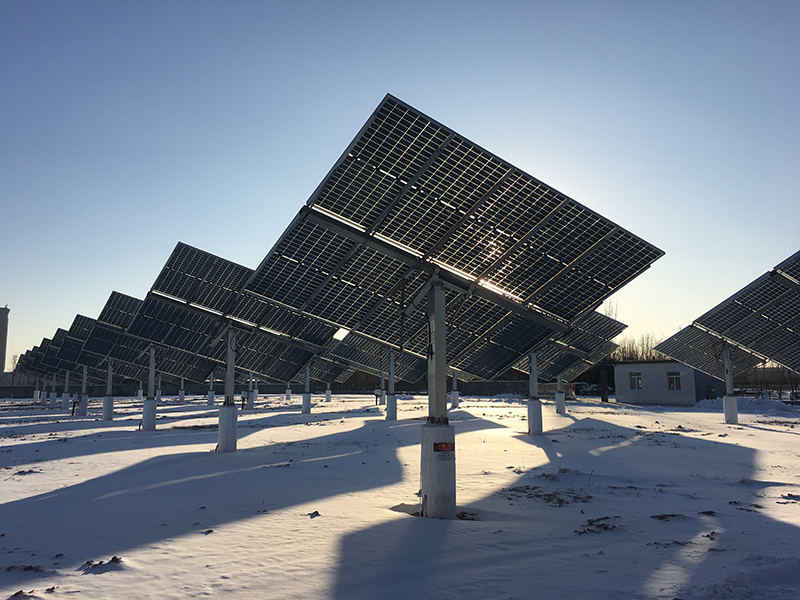
Antofagasta Snow-Load Test Site
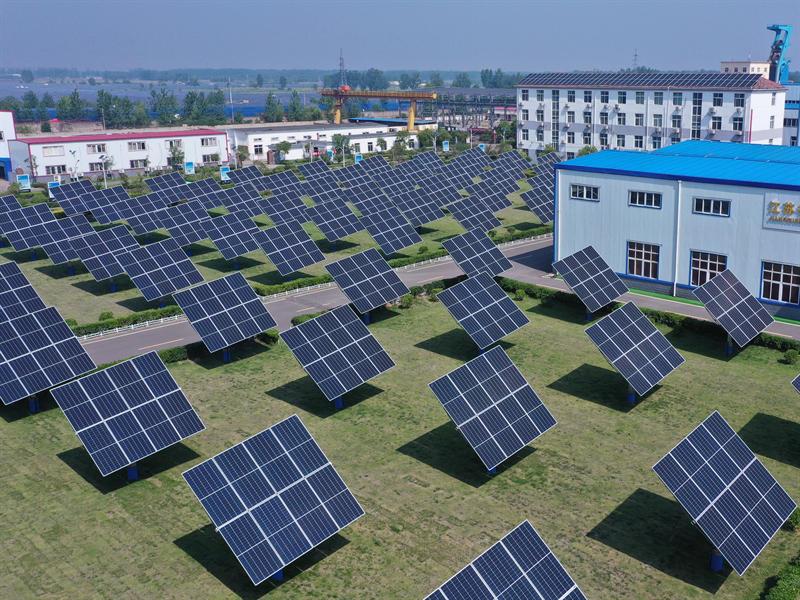
ZRD-08 Dual Axis Array
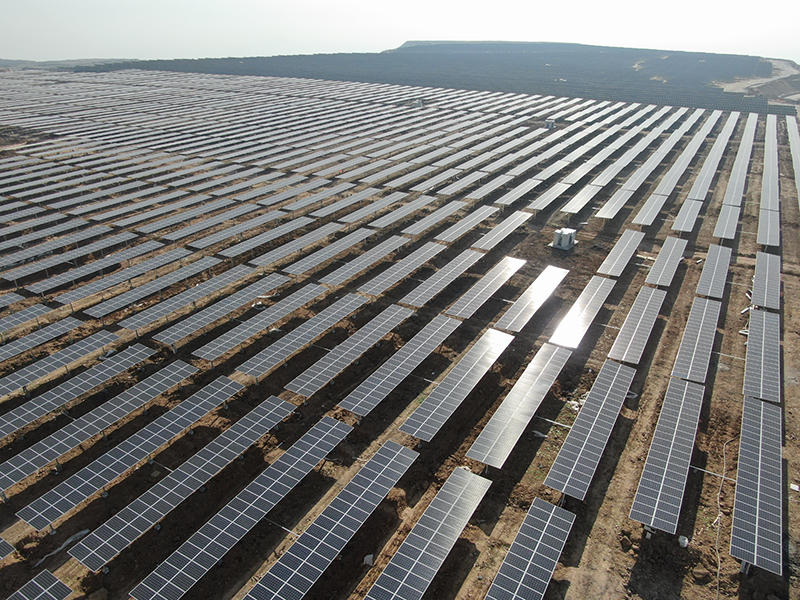
Atacama Desert 20MW Project
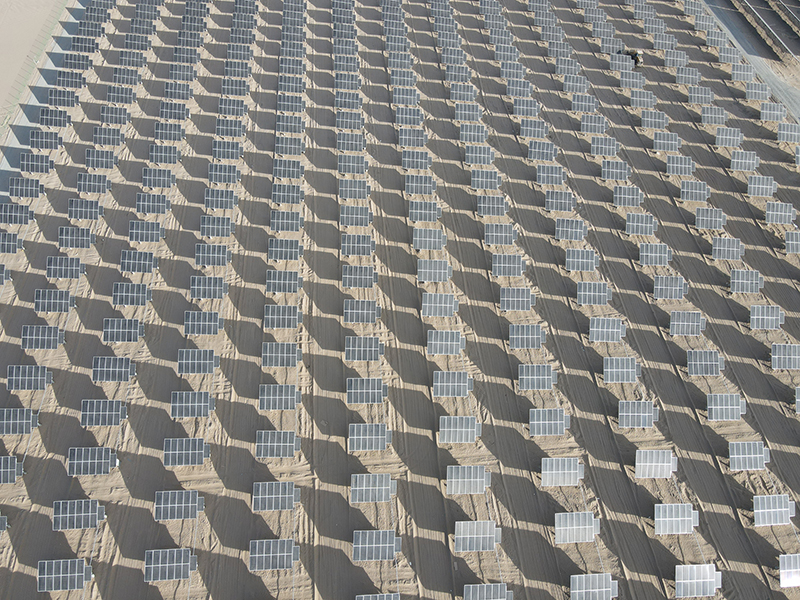
Calama High-Irradiance Project
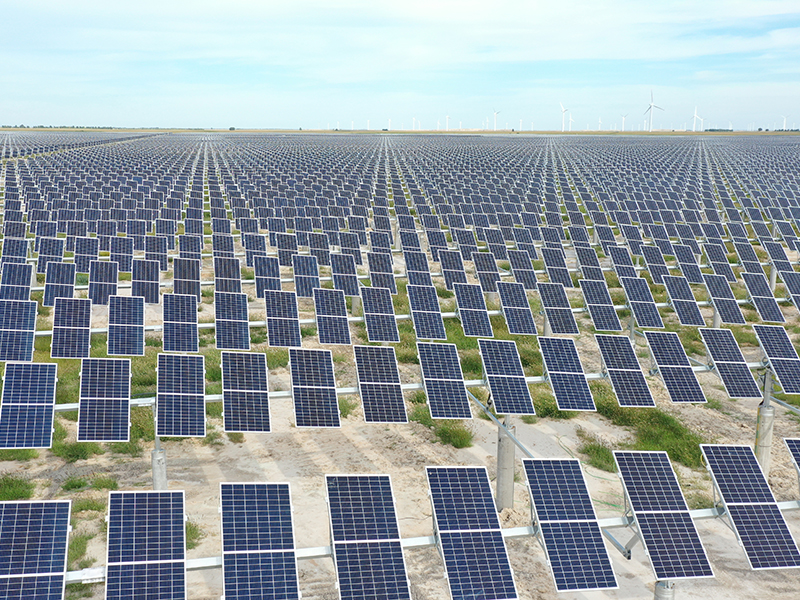
ZRPT Tilted Array Tarapacá
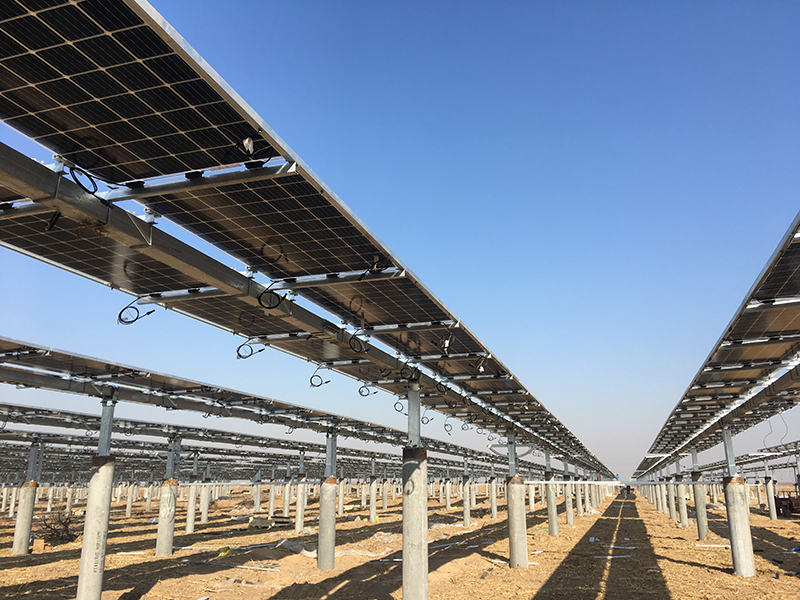
110MW Bifacial Project
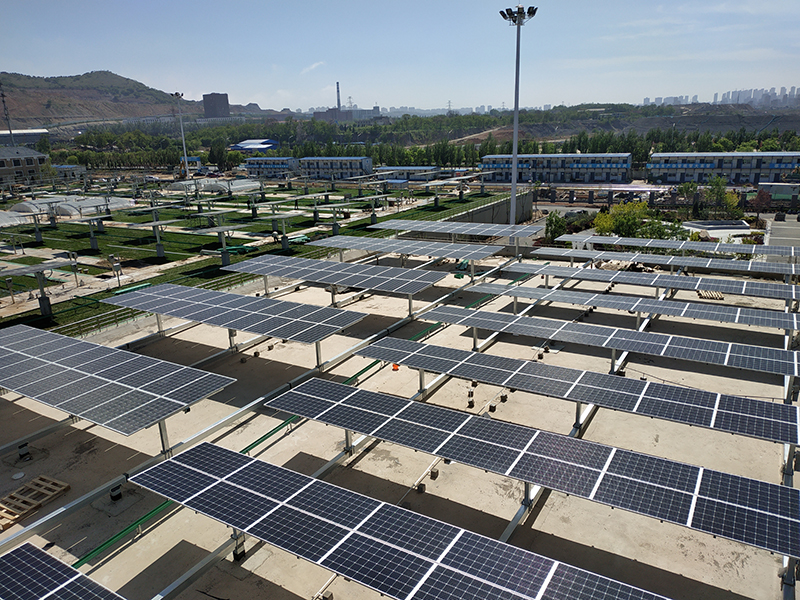
Valparaíso Rooftop Tilt-Mount
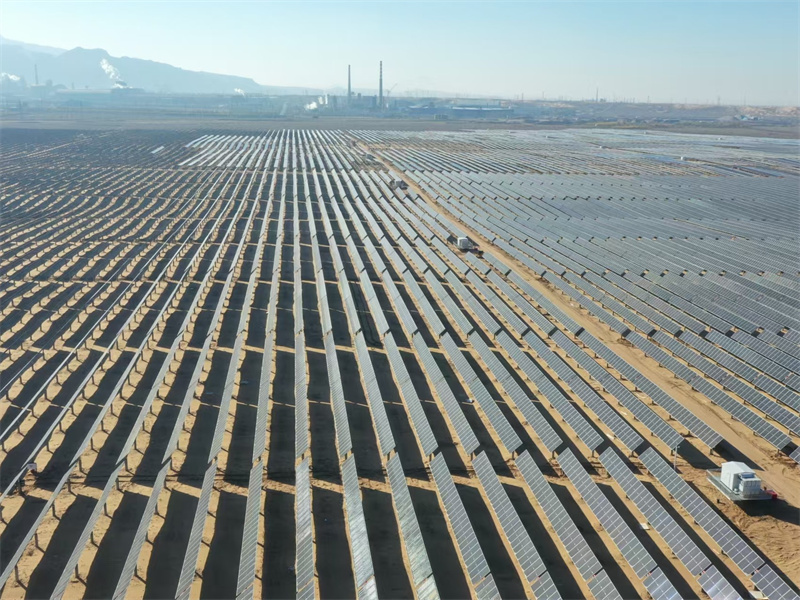
Sierra Gorda 360MW Tracker Plant
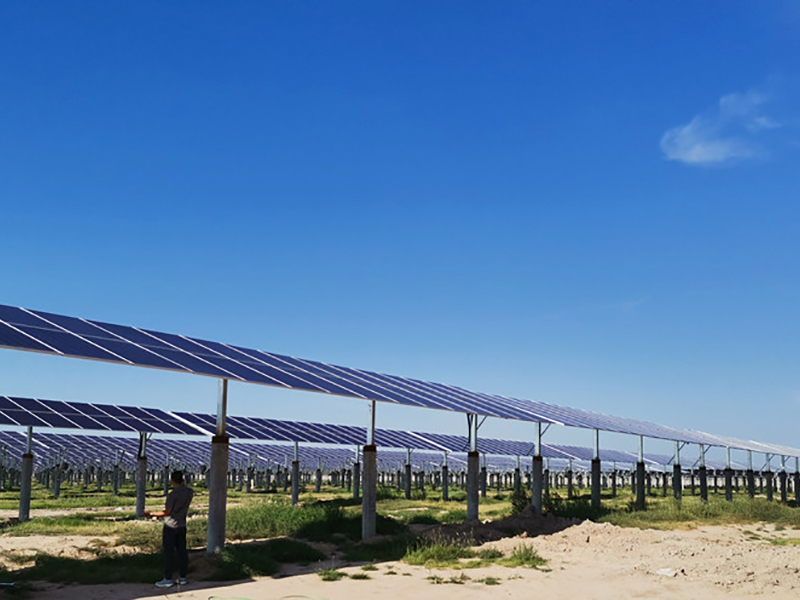
Chañaral 50MW Single-Axis Plant
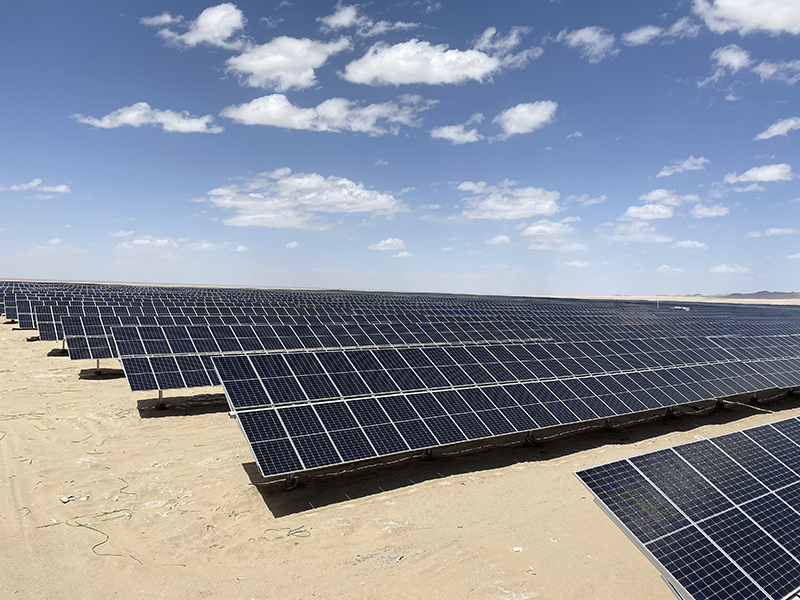
Diego de Almagro 20MW Farm
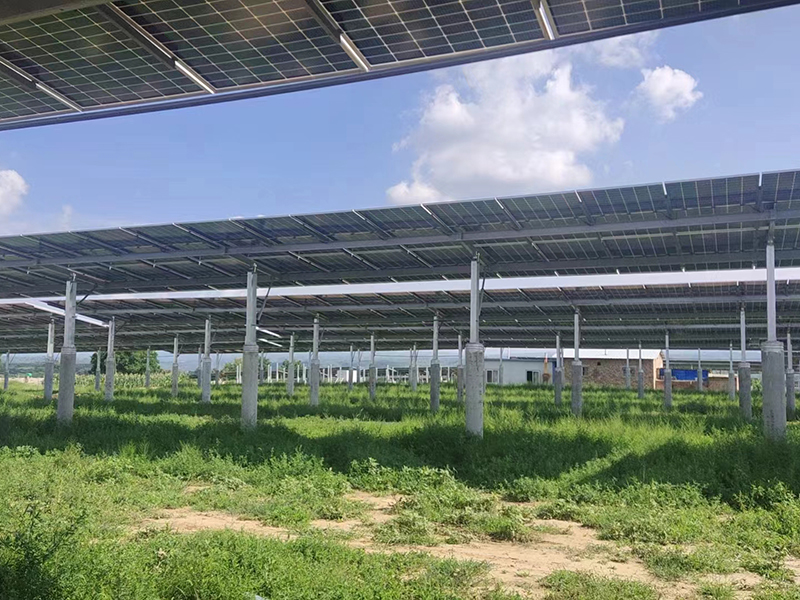
El Romero 110MW Tracker Site
Drone footage showcasing our tracker installations operating under challenging desert and snowy conditions.
Modern utility solar plants demand integration with artificial intelligence. The combination of bifacial modules and tracking systems requires intelligent algorithms to optimize energy generation. Standard fixed astronomical schedules can fail to maximize gains under uneven ground albedo or cloudy skies.
Shandong Zhaori New Energy's tracking technology features smart sensors that monitor diffuse light and local albedo changes in real time. In coastal regions of Chile affected by morning fog, the tracking controllers automatically adjust panel angles to maximize diffuse light absorption. This optimization helps prevent mismatch losses and ensures stable energy generation.
Additionally, our next-generation structural platforms feature torque-tube damping systems. By utilizing dual-side drive gearboxes, we reduce structural resonance risks, ensuring mechanical stability during high winds in desert regions.
Preserved export options for developers, EPC contractors, and distributors worldwide.
Precision dual-axis system that tracks both azimuth and elevation, maximizing energy yields in high-DNI desert areas.
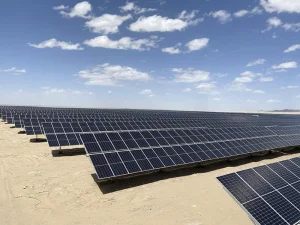
Cost-efficient seasonal adjustable brackets, designed for sites requiring manual angle changes to optimize seasonal generation.
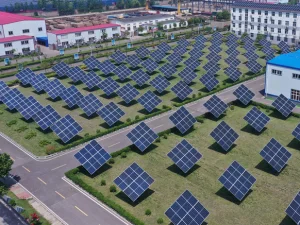
Designed for reliability and simple maintenance, the ZRD-08 is built to withstand high wind loads and harsh desert environments.
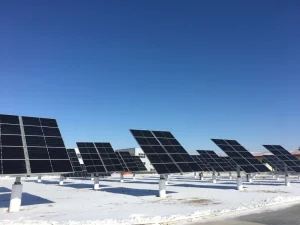
High-capacity tracker designed to support heavy modules, ensuring reliable operation under high-wind conditions.
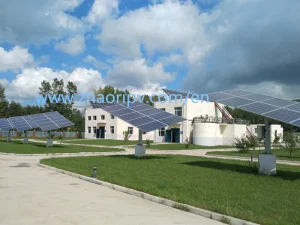
Combines automated tracking with simple manual settings, offering a reliable, cost-efficient option for utility arrays.
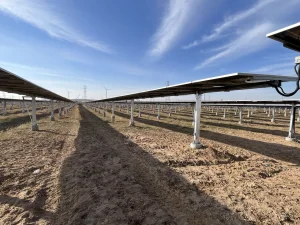
Optimized for high-yield bifacial panels, featuring a clear structural design that eliminates rear shadow mismatches.
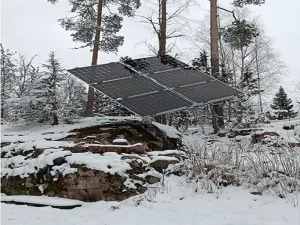
Compact dual-axis tracker designed to maximize energy generation for rural, off-grid, and small C&I applications.
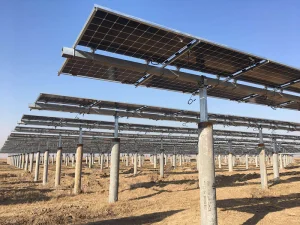
Standard flat single-axis system featuring robust drive assemblies, designed for large-scale utility solar installations.
Exporting solar tracking systems to Chile requires meeting specific structural standards. High winds in regions like Calama and Sierra Gorda, combined with active seismic zones, require specialized engineering. All our designs undergo structural calculations to comply with Chile’s NCh 433 seismic standards, ensuring safety and reliability.
We provide comprehensive support throughout the project lifecycle, including custom fabrication, sea shipping, clearance at the Ports of Valparaíso or Angamos, and on-site assembly supervision. Our goal is to ensure smooth delivery and reliable performance for every installation.
Simple, robust mechanical systems designed to minimize downtime and lower operation and maintenance costs over the system's lifetime.
Backtrack software and drive components tested in demanding desert environments globally.
Custom sizing, layout optimization, and installation support tailored to your project requirements.
Technical guidance for engineers, procurement managers, and project developers in Chile.
Atacama's latitude and high Direct Normal Irradiance (DNI) make tilted single-axis systems highly effective. Setting a 10° to 30° tilt angle helps capture more early morning and late afternoon sun compared to standard flat trackers, boosting energy yields by up to 25%.
Our structures are engineered to meet NCh 433 seismic requirements. We utilize heavy-gauge steel, reinforced foundation piers, and dampers to absorb vibrations and protect the tracking assemblies from damage during earthquakes.
For installations near the coast, we utilize hot-dip galvanized steel (up to 80μm thickness) or specialized zinc-aluminum-magnesium coatings. These materials provide reliable protection against coastal salt fog and corrosion, extending the system's operational lifespan.
Under the PMGD framework, maximizing daily generation is key to profitability. Our tilted single-axis trackers extend peak generation hours, helping plants feed stable power into the grid and maximize revenues under stabilized price regulations.
Yes. Our single-axis trackers feature high-clearance designs that prevent structural shadowing on the back of the modules. This layout maximizes the albedo effect from light-colored desert soils, boosting overall energy generation.
Our trackers are designed to withstand winds up to 150 km/h. During high winds, automated controllers automatically rotate the panels into a secure stow position to protect the system from structural damage.
Fabrication and shipping typically take 6 to 8 weeks. Completed systems are shipped from Chinese ports directly to the Ports of Valparaíso, San Antonio, or Angamos, depending on the project location.
Yes. We offer remote engineering support and can send technical supervisors to assist with installation, controller setup, and system testing at the job site.
Get in touch with our engineering team for customized calculations, structural designs, and price quotes tailored to your solar installations.
Send Inquiry Now Zhaori