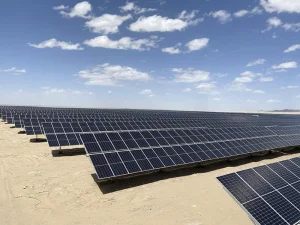
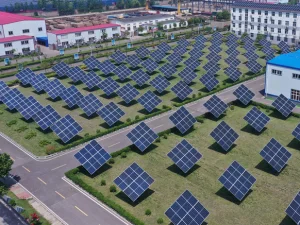
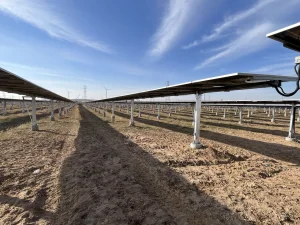
South Korea is currently navigating a pivotal shift in its national energy policy. With the "10th Basic Plan for Electricity Supply and Demand," the Korean government has signaled a robust commitment to renewable energy, targeting a 21.6% share of the energy mix by 2030. In this context, Tilted Single Axis Trackers (TSAT) have emerged as the gold standard for maximizing energy density in a geographically constrained nation.
Unlike the vast deserts of Australia or the MENA region, the Korean peninsula is characterized by mountainous terrain (nearly 70% of the land) and high-latitude requirements (33°N to 38°N). Standard flat trackers often underperform during the winter months when the sun angle is low. Our Tilted Single Axis Solar Tracking Systems, specifically engineered for the Korea market, incorporate a fixed tilt angle (typically 10°–30°) while tracking the sun's azimuth. This hybrid approach ensures that panels maintain an optimal perpendicularity to solar rays, particularly in regions like Gyeonggi-do and Chungcheong-do.
Shandong Zhaori New Energy Tech. Co., Ltd. is a premier high-tech enterprise dedicated to independent intellectual property in the solar sector. Founded in 2012, we have consolidated over a decade of R&D focus on photovoltaic power stations and advanced solar tracking technology. Our team of 60+ professional technology experts ensures that every tracker exported to the Korean market meets rigorous durability and performance standards.
Our 50,000 square meter facility is equipped with CNC machine tools, laser cutting systems, and automatic welding robots, allowing for a massive output of 500MW per month. For our Korean clients, this translates to stable lead times and consistent quality control that aligns with KS (Korean Industrial Standards) expectations.
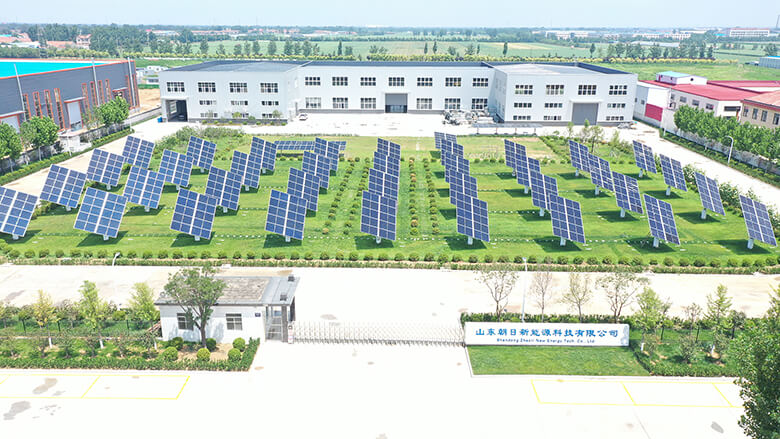
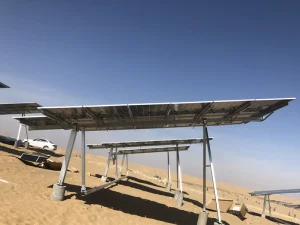
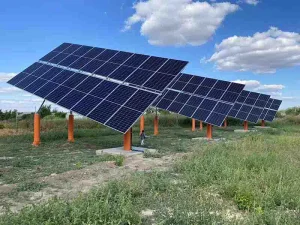
The core of our ZRT-16 Tilted Single Axis Solar Tracking System lies in its ability to bridge the gap between dual-axis performance and single-axis cost-efficiency. By tilting the primary axis, we effectively capture more irradiance during the morning and evening "shoulder hours" and the lower-angle winter sun.
Engineered to withstand the "Typhoon Belt" conditions of South Korea. Our trackers use hot-dip galvanized steel with a coating thickness of 85μm+, ensuring 25+ years of corrosion resistance in coastal areas like Busan and Incheon.
Integrated AI algorithms prevent row-to-row shadowing. In Korea’s often narrow agricultural-solar (Agrivoltaic) plots, this maximizes the Ground Coverage Ratio (GCR) without sacrificing energy yield.
Optimized for bifacial modules common in the Korean market. The elevated structure and minimized backside shading result in a 5-10% additional "bifacial gain" from reflected light (albedo).
Get a detailed quote and technical consultation from our Korea-specific engineering team.
Send Inquiry Now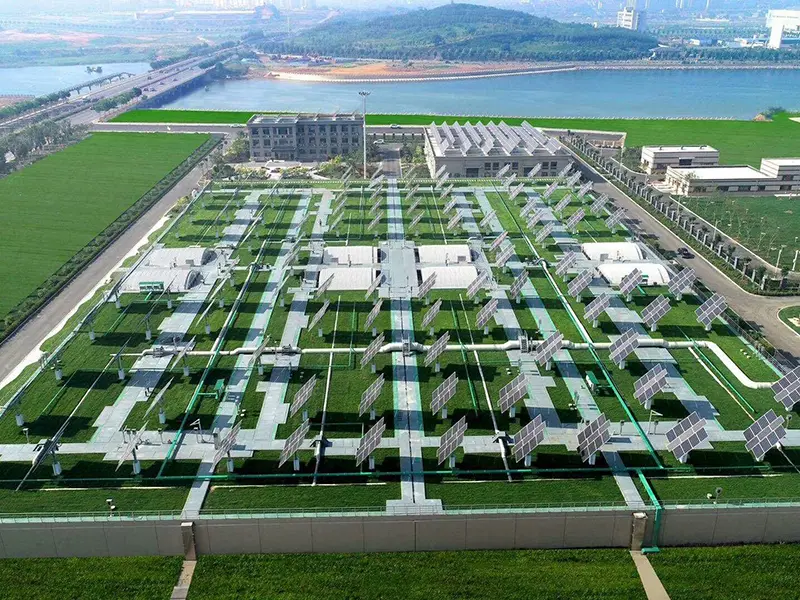
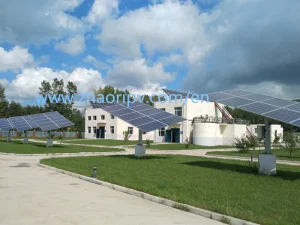
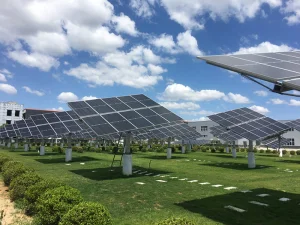
Factory Project: 5MW Industrial RE100 Implementation
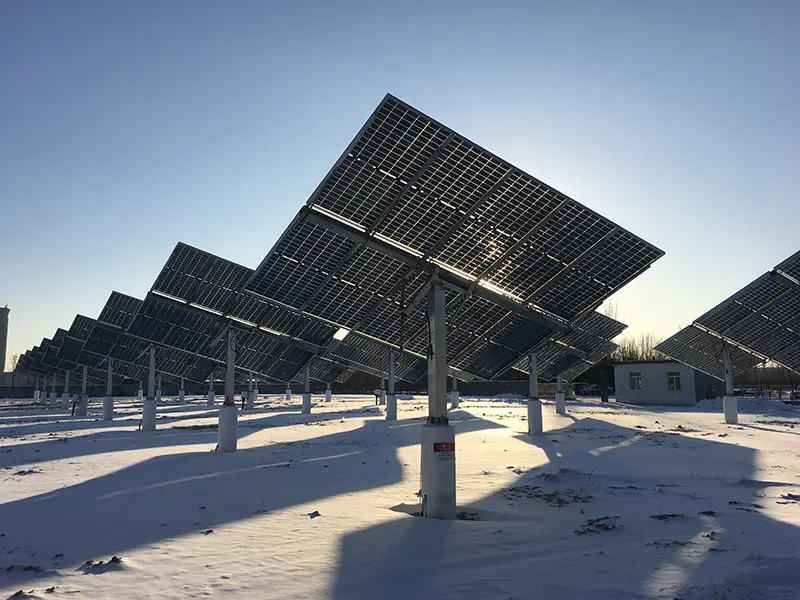
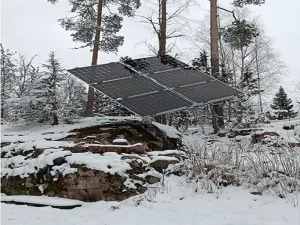
Extreme Weather: Solar Tracker after heavy snowfall in Gangwon-do
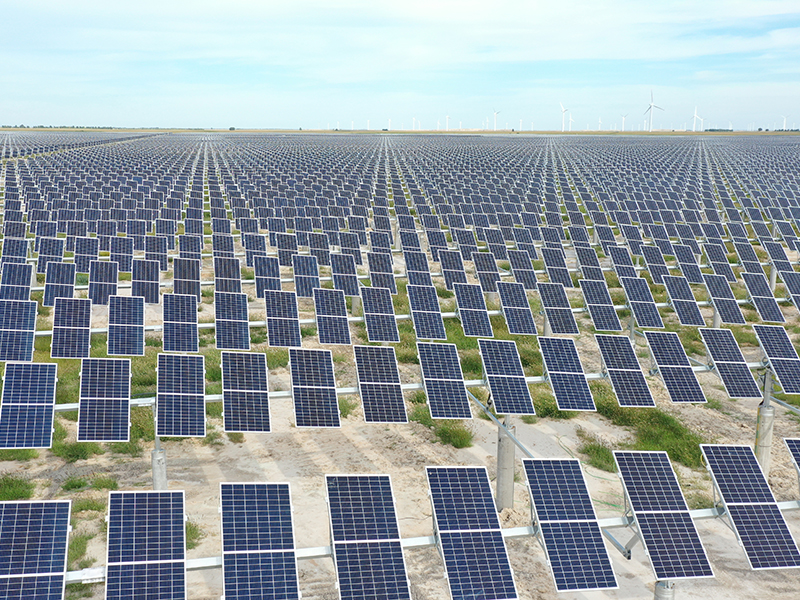
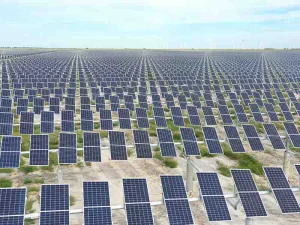
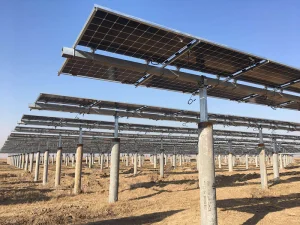
Large Scale: 40MW ZRPT Tilted Single Axis Installation
 Zhaori