Engineered to address the localized solar conditions of the Klang Valley, these systems dynamically adjust to maximize global horizontal irradiance (GHI) capturing capabilities.
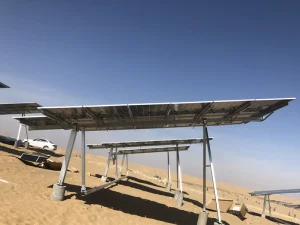
High-efficiency tilted single axis PV tracking array optimized for low-latitude tropical regions, offering up to 25% energy production increments over fixed mounts.
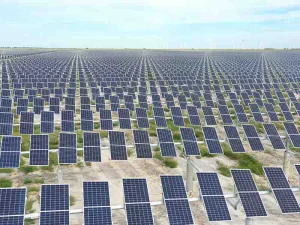
Combining structural robustness with intelligent angle orientation. Perfect for optimizing ground clearance and energy distribution on irregular terrains.
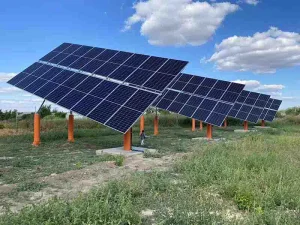
The ZRT-16 model features a robust tilted axis tracking mechanics tailored specifically to high-performance C&I applications in East Asia.
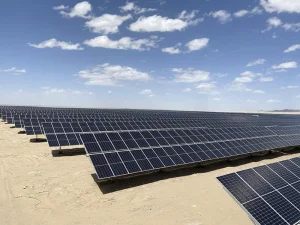
An alternative entry-level dynamic option designed for seasonal adjustments. Reliable structural profiles with optimized steel alloys for extreme durability.
As the economic engine of Malaysia, the Kuala Lumpur and Klang Valley metropolitan region is witnessing an unprecedented transition towards commercial and industrial (C&I) solar self-consumption. Governed by the national Net Energy Metering (NEM) 3.0 scheme and driven by ambitious ESG mandates, regional enterprises are seeking ways to optimize their levelized cost of energy (LCOE).
However, Kuala Lumpur presents unique meteorological and geographic conditions. Located approximately 3 degrees north of the Equator, the region enjoys a high annual average daily solar radiation profile of 4.5 to 5.5 kWh/m². Yet, the tropical climate is also characterized by heavy afternoon monsoonal downpours, high humidity, cloud cover, and substantial diffuse light.
Traditional fixed-tilt racking structures miss critical early-morning and late-afternoon generation windows. By utilizing Tilted Single Axis Trackers (10° to 30° Tilt angle), projects in the Kuala Lumpur region can optimize the angle of incidence, significantly reducing diffuse radiation capture losses. The resulting yield generation curves are flatter and more consistent throughout the day, providing local grids and corporate PPAs with more predictable power.
Unlike higher latitude zones where dual-axis trackers might be required to track complex solar paths, tropical regions benefit most from tilted single axis movements. By combining a fixed tilt orientation with a single axis azimuth tracking motion, system designers capture high-noon overhead GHI while maximizing low-angle sun gains, optimizing project economics without the excessive CAPEX of dual-axis systems.
Request Free Site AnalysisMalaysia is prone to sudden local storms (Sumatras) and tropical monsoon fronts. Our tilted tracking systems are certified to withstand operational wind loads of up to 45m/s and survival wind loads of up to 55m/s through automated wind stow algorithms.
With high ambient humidity and industrial emissions in metropolitan Klang Valley, components are galvanized up to ISO 1461 standards, offering high durability (HDG coating > 85μm thickness) ensuring a design life of 25+ years.
Minimizes shading between adjacent solar tracker rows during early morning and late afternoon. Especially valuable for tight, high-cost plots in industrial hubs like Shah Alam, Petaling Jaya, and Balakong.
Shandong Zhaori New Energy Tech. Co., Ltd. is a leading high-tech and new energy company operating on independent intellectual property rights. Founded in June 2012, our organization spans over 10 distinct departments, including R&D, engineering, production, QA, global trade, domestic market development, and I.M.D.
With over 60 dedicated, highly skilled engineering and technical specialists, our core leadership has focused exclusively on developing advanced photovoltaic tracking systems and ground mount systems for more than 10 years. Our products have earned patents of invention in the European Patent Office, USA, Canada, Australia, Japan, South Korea, Thailand, India, Brazil, South Africa, and beyond, in addition to 8 Chinese National Invention Patents and over 30 utility model patents.
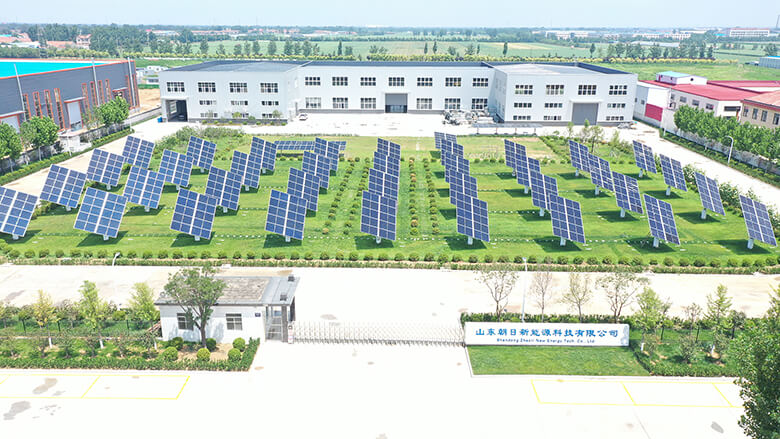
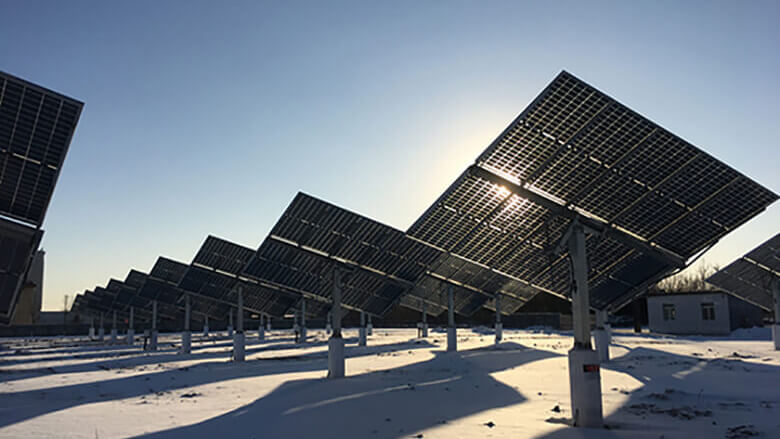
Our state-of-the-art manufacturing factory covers an extensive area of 50,000 square meters. The plant integrates high-end Industry 4.0 manufacturing processes, such as:
Over 300 experienced fabrication specialists manage our production flows, enabling a monthly throughput of 500MW. Quality checks start from metallurgy inspection to hot-dip galvanization and loading. This supply-chain model assures competitive ex-factory pricing and rapid logistics to Port Klang, bypassing domestic distributor markups.
To assist procurement directors and solar consultants, we outline the operational and economic variances between standard fixed-tilt systems, flat single-axis systems, and tilted tracking variants.
| Tracking System Class | Yield Gain (Kuala Lumpur) | CAPEX Ratio | OPEX Complexity | Optimal Ground Cover Ratio (GCR) | Best Local Application Scenarios |
|---|---|---|---|---|---|
| Fixed Tilt Structure | Baseline (0%) | Lowest (1.0) | Minimal | 0.45 - 0.55 | Small scale rooftop arrays, high shade industrial boundaries |
| Flat Single Axis Tracker | +12% to +18% | Moderate (1.25) | Low - Medium | 0.35 - 0.40 | Flat topography utility sites, Selangor inland dry areas |
| Tilted Single Axis Tracker (ZRT Series) | +18% to +28% | Optimized (1.35) | Medium | 0.32 - 0.38 | Commercial rooftops & large ground-mounts in Klang Valley |
| Dual Axis Tracker (ZRD Series) | +30% to +40% | Higher (1.65) | Systematic | 0.25 - 0.30 | Extreme yield requirement sites, research institutes, low-latitude agrivoltaics |
Explore some of our structural installations spanning various terrain challenges, including sandy soils, high wind zones, heavy snow loading, and flat land applications.
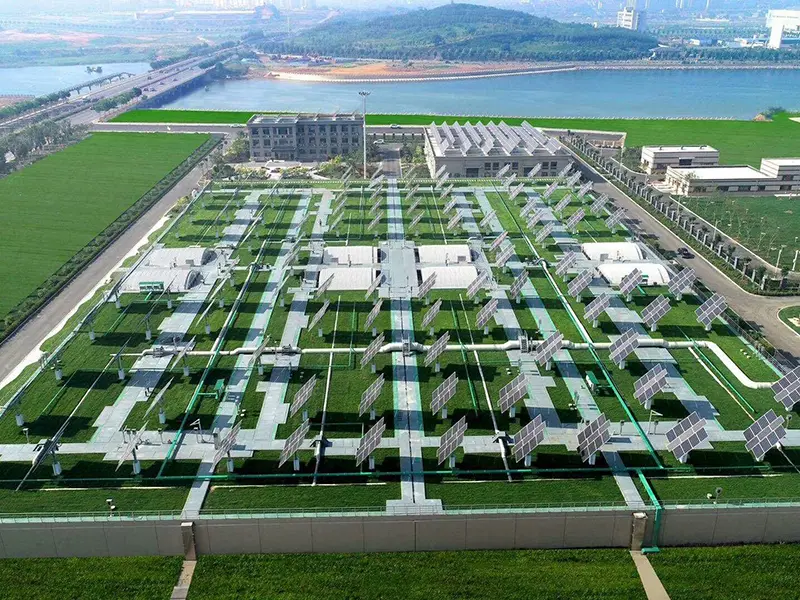
High-reliability structural mounts adapted for complex industrial C&I roofs.
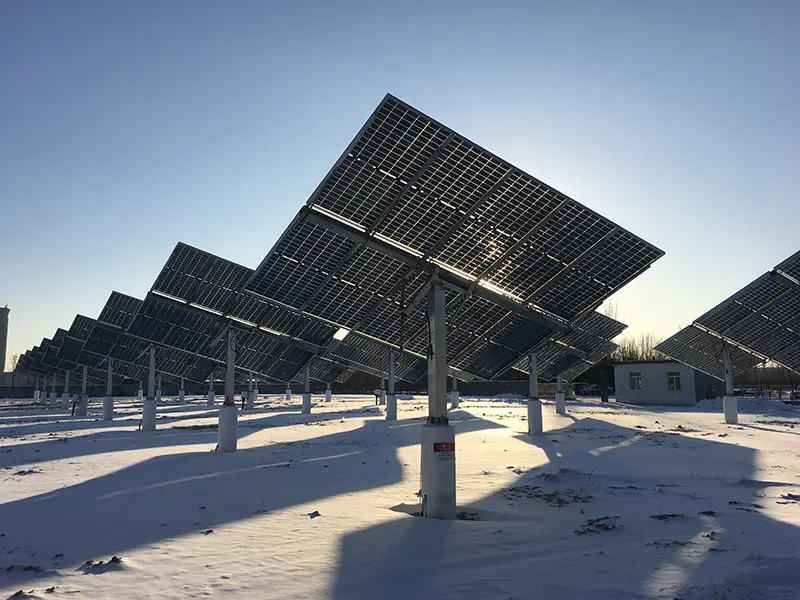
Engineered to handle sudden environmental loads and automated recovery cycles.
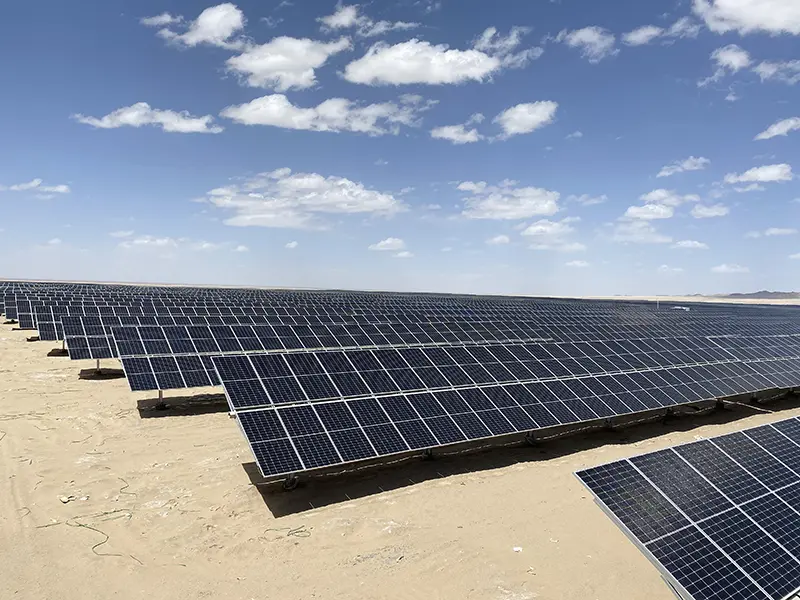
Proven reliability under extreme heat profiles and loose sand foundations.
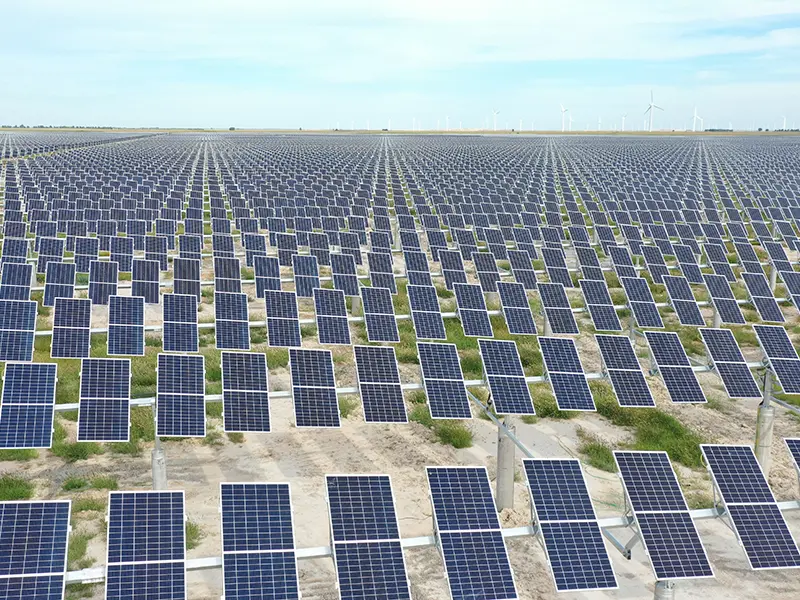
Optimized tracking configuration utilizing inclined modular layouts.
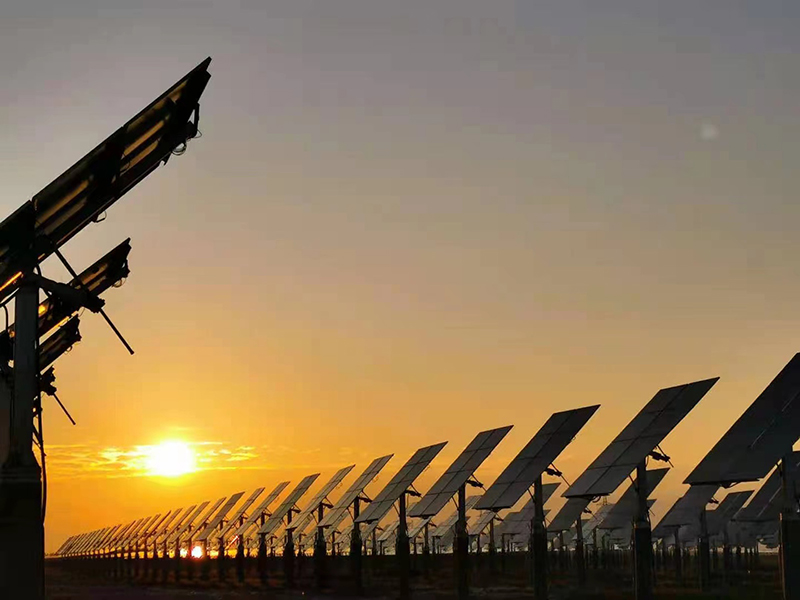
Large-scale dual-axis tracking farm delivering high-efficiency peak production.
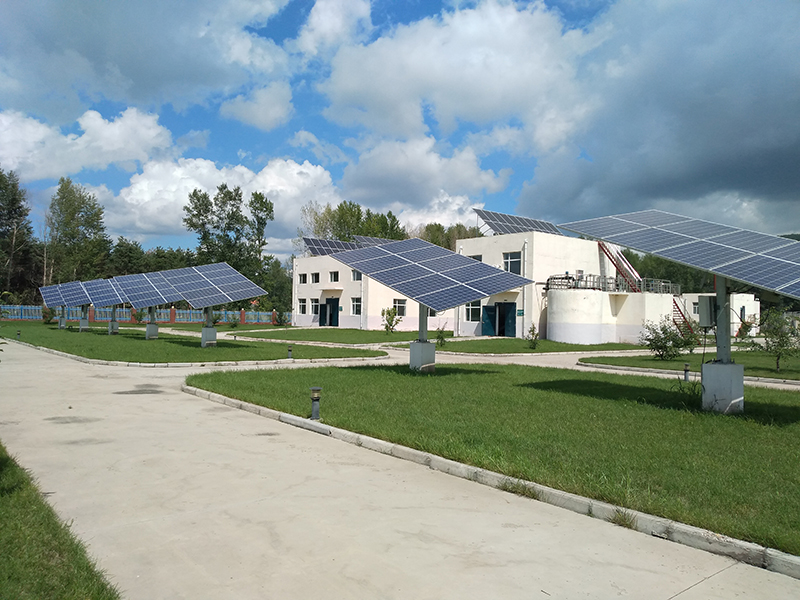
Integrated tracker units adapted to complex ecological park configurations.
Aerial inspection of large utility tracking layout.
Real-time automated trackers operations demonstration.
High accuracy mechanical movements under active tracking.
Our systems are fully certified by leading compliance boards to ensure seamless project financing approvals and secure connections to the local electrical grids.
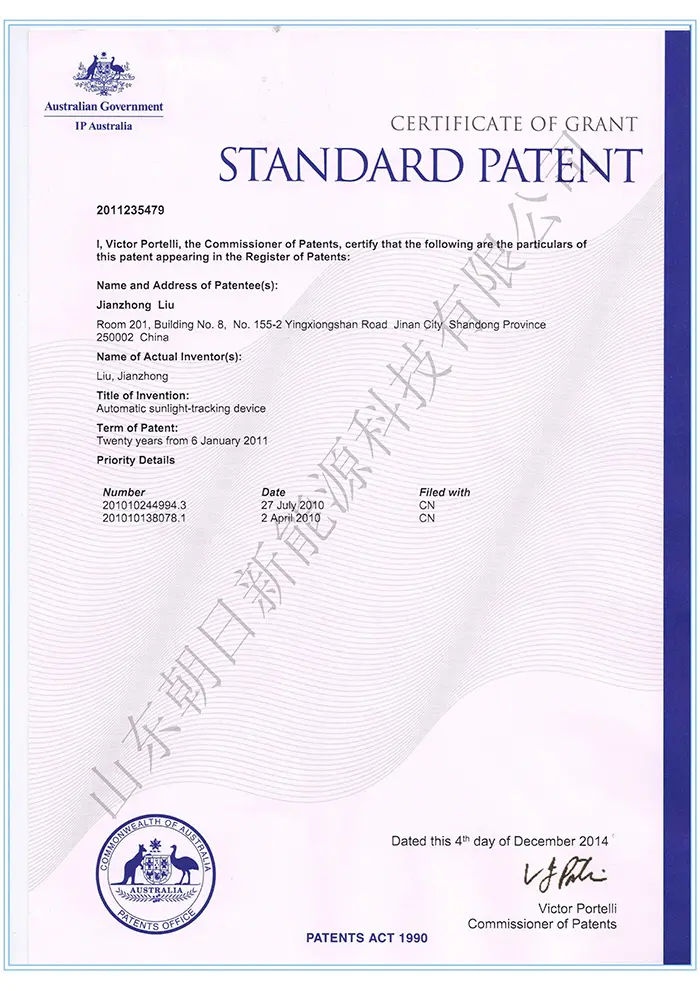
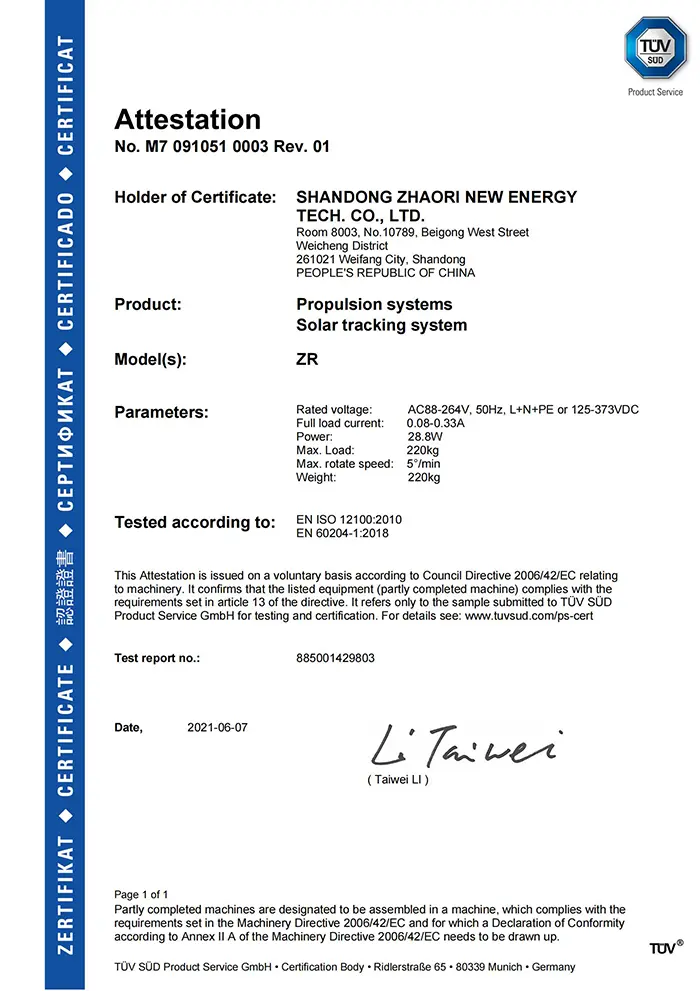
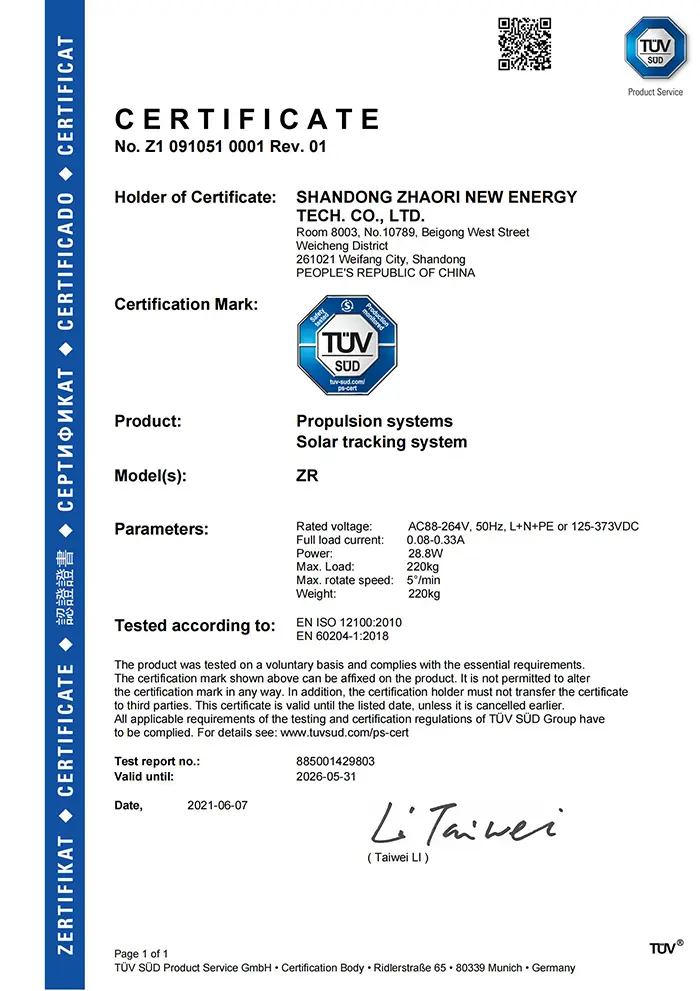
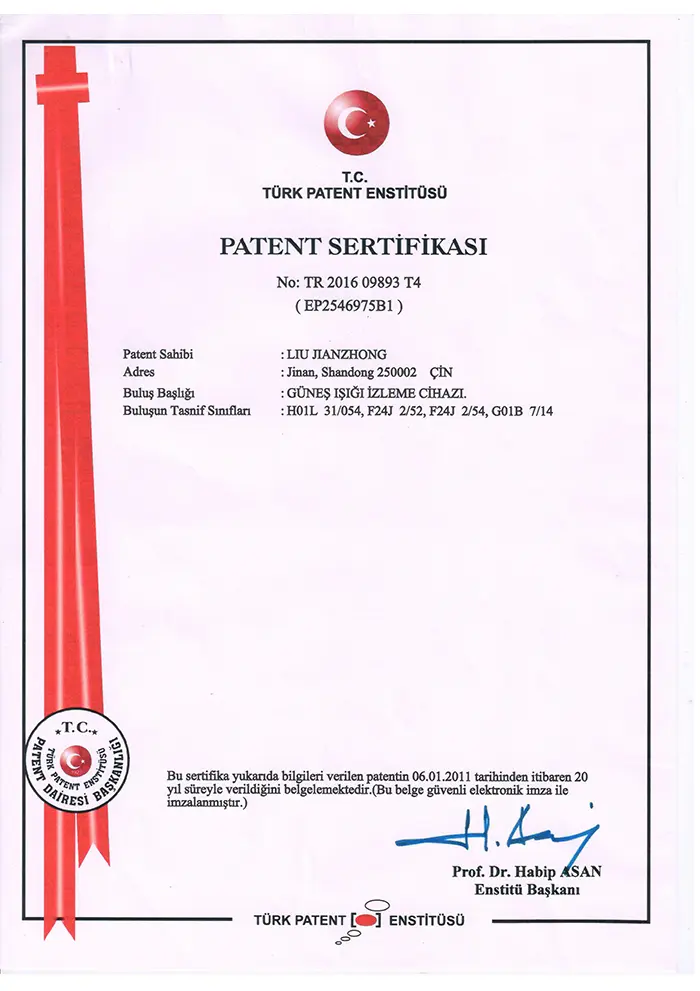


From 1P and 2P configurations to high-yield dual axis designs, find the appropriate system matching your project budget and field terrain constraints.
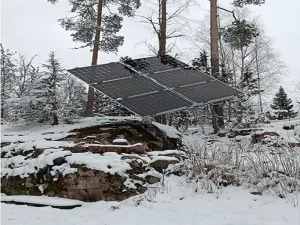
Robust and compact dual axis tracker designed to maximize output for residential and high-end commercial installations.
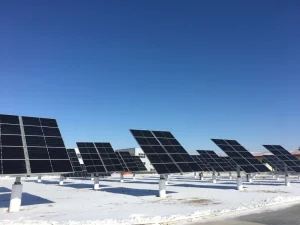
A flagship dual-axis system engineered for maximum yield performance under variable light conditions.
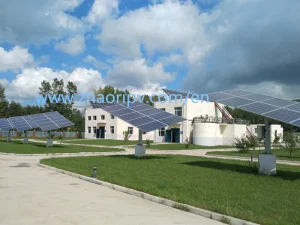
Cost-effective semi-automated dual-axis array system perfect for optimizing initial project investment budgets.
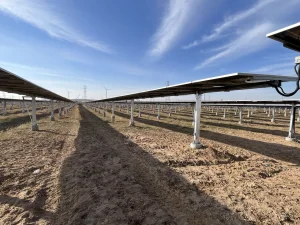
Engineered for minimal wind resistance and quick layout deployment, lowering balance-of-system (BOS) costs.
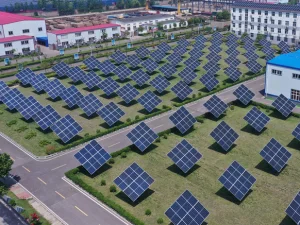
Robust smart mechanics tracking the solar trajectory, optimizing output generation up to 35%.
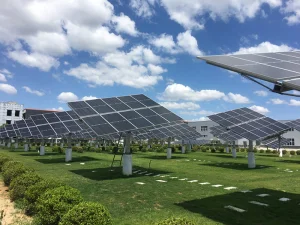
Direct supply from our modern production facility with rigorous quality controls and complete documentation.
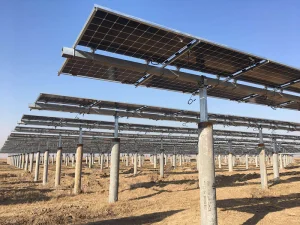
Premium single-axis configurations featuring durable gears and advanced solar backtracking control logic.
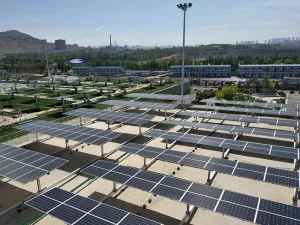
A dual-row linked flat single-axis structure that optimizes structural density and matches high-power bifacial solar modules.
Get answers to common queries regarding tracking mechanics, structural durability, local logistics, and capital investment requirements in Southeast Asia.
Kuala Lumpur is located very close to the equator (~3.1° N). Under these low-latitude tropical conditions, the sun travels almost directly overhead. However, atmospheric factors like high humidity and afternoon monsoon clouds significantly increase diffuse solar light. Tilted Single Axis Trackers (with a fixed 10° to 30° tilt) maintain a optimal angle to direct light while tracking the sun's azimuth angle, yielding up to 25% more annual energy compared to traditional fixed-tilt mounts. This directly improves the project's IRR and reduces the overall LCOE.
Our systems include smart meteorological integration. The controllers utilize anemometers to measure real-time wind speeds. Once wind speeds exceed 18-20 m/s, the tracking controllers automatically initiate a "stow" cycle, driving the structure flat (0 degrees) or to its lowest drag orientation within minutes. Structural components are manufactured from premium high-tensile structural steel alloys (such as Q355B or high-strength galvanized steel) calculated to withstand survival wind forces up to 55m/s.
Our logistics process is highly streamlined. Typically, the manufacturing cycle at our 50,000 sqm factory takes 15 to 25 days depending on project size (MW scale). Sea freight transit from Qingdao Port or Tianjin Port directly to Port Klang, Malaysia takes approximately 9 to 12 days. Customs processing under the China-ASEAN Free Trade Agreement (ACFTA) allows for duty-free or highly preferential tariff treatments, which our export department handles comprehensively.
Yes, our tracking structures (especially the ZRT and ZRP models) are specifically designed to reduce structural rear-side shading, making them fully compatible with modern large-format bifacial N-type TOPCon or p-type PERC solar modules. When paired with tilted trackers on reflective industrial rooftops or light-colored ground cover, the combined yield gain can reach up to 30%-35% compared to monofacial modules on fixed mounts.
 Zhaori