Engineered for high direct normal irradiance (DNI) and dynamic structural stability in coastal and continental African zones.
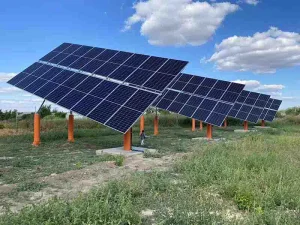
Designed for East African coordinates, tracking the sun's azimuth angle with an adjustable 10°-30° tilt axis. Improves yield by up to 15% - 25% over fixed arrays.
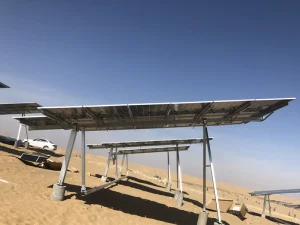
Specially reinforced tracking architecture designed to withstand coastal cyclonic winds up to 240km/h, ideal for Nampula and Sofala coastal corridors.
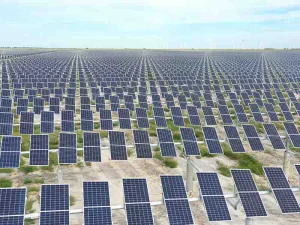
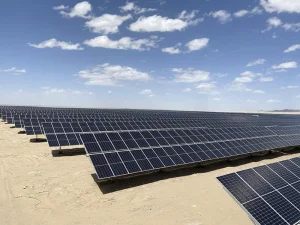
Features a robust mechanical layout paired with high-rigidity structures, balancing cost and output gains for utility-scale developments in sandy soil environments.
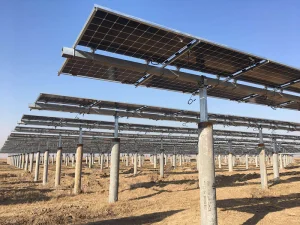
Engineered for commercial, agricultural, and industrial self-consumption installations, maximizing spatial utilization and leveling energy generation throughout the day.
Mozambique stands as one of the most promising frontiers for renewable energy expansion within the Southern African Development Community (SADC). Backed by initiatives like the Renewable Energy Auction Program (PROLER) and the mandate to reach universal electricity access by 2030, solar photovoltaic infrastructure is undergoing unprecedented acceleration.
The country benefits from exceptionally high Direct Normal Irradiance (DNI), averaging between 5.2 and 6.0 kWh/m²/day, particularly in the central and northern provinces like Tete, Zambezia, and Nampula. However, deploying solar arrays in this geographic domain introduces severe environmental considerations. The region is highly vulnerable to intense meteorological events, including Category 4 and 5 tropical cyclones (such as Cyclones Idai, Kenneth, and Freddy) emanating from the Mozambique Channel.
For IPPs, EPCs, and project developers, structural reliability is paramount. Our tracking systems are specifically hardened with certified hot-dip galvanized steel coatings (ISO 1461 compliant) to prevent structural failures in high-salinity coastal areas, and feature dynamic wind stow configurations to defend asset longevity.
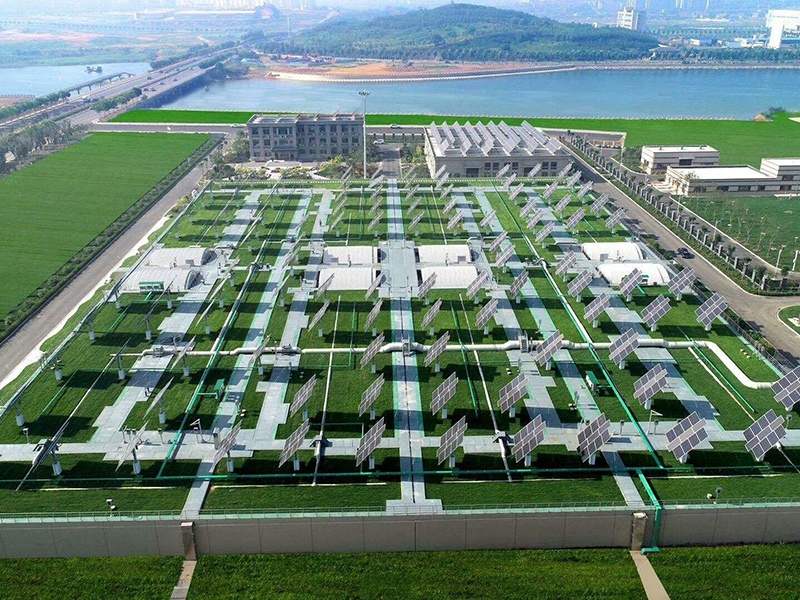
A deep engineering comparison of racking technologies designed to yield optimal Levelized Cost of Energy (LCOE) under low-latitude conditions.
Mozambique's latitudinal range (10° S to 26° S) means that standard horizontal single-axis trackers (HSAT) experience cosine loss during seasonal transitions. By adding a fixed tilt tilt angle (10° to 30°) to the central rotational torque tube, our Tilted Single-Axis Trackers (TSAT) optimize the angle of incidence throughout both winter and summer solstices.
This design combines the mechanical simplicity of a single-axis drive mechanism with the heightened angular capture of dual-axis configurations. The resulting yield increase translates to an additional 15% to 30% power generation compared to standard fixed-tilt frameworks, drastically reducing payback periods for commercial microgrids and utility-scale projects alike.
Furthermore, the integration of smart backtracking algorithms prevents mutual shading between adjacent tracking rows during early morning and late afternoon hours, preserving yield efficiency on uneven topography.
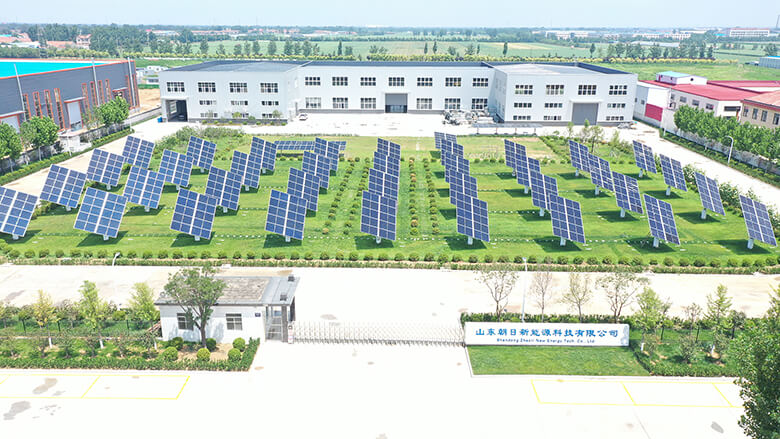
Tailored structural and automation engineering configurations targeting critical domestic sectors.
Tete Province holds massive coal and heavy mineral reserves. Remote mining complexes depend heavily on expensive diesel generators. Our tracking solutions allow mining operators to deploy highly reliable hybrid PV-diesel-battery microgrids. The increased afternoon solar yield curve produced by tilted single-axis tracking aligns with processing plant peak loads, drastically cutting fuel imports and operational overhead.
Large-scale agricultural developments along the Limpopo and Zambezi river basins require steady grid-independent power for irrigation pumping systems. Our ZRT tilted tracking platforms maintain optimized orientation throughout critical midday heat peaks, ensuring continuous pump pressure and minimizing battery storage requirements.
Bridging the urban-rural electrification divide in northern Mozambique requires resilient local mini-grids. Tilted trackers distribute power production more uniformly over the course of the day than fixed racking, lowering grid-integration impacts on battery storage buffers and enhancing localized network reliability.
Founded in June 2012, Shandong Zhaori New Energy Tech. Co., Ltd. is a leading high-tech enterprise dedicated to the research, development, and manufacture of advanced solar tracking systems. With our operations built on proprietary intellectual property rights, we have established ourselves as a reliable technology partner globally.
Our corporate framework is composed of 10 specialized departments, including R&D, Technical Engineering, Project Planning, Production Management, Quality Assurance, Global Trade, and After-Sales Support. Our workforce features over 60 dedicated photovoltaic tracking engineers who have specialized in optimizing solar power stations for more than a decade.
Our guiding principle is simple: More Simple, More Reliable, and More Effective. By targeting complex environmental factors and reducing mechanical components susceptible to wear, we provide tracking solutions that maximize generation efficiency while remaining straightforward to assemble and maintain in remote regions.
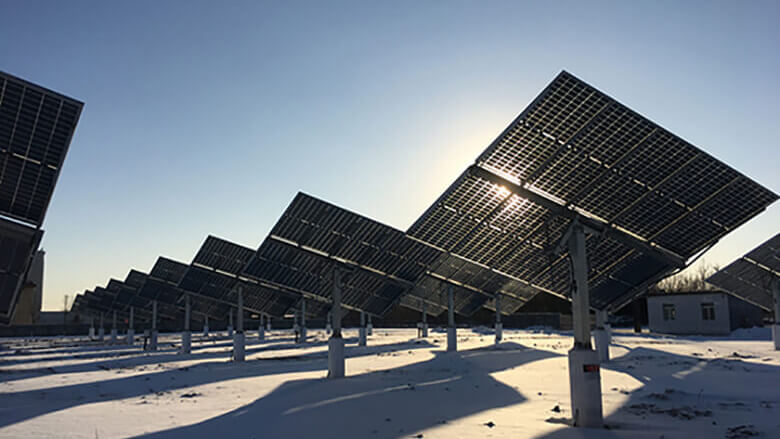
Our advanced manufacturing center spans over 50,000 square meters, equipped with industrial fabrication machinery including CNC machine tools, automated laser cutters, plasma machining tables, and dozens of dedicated assembly lines. We employ a workforce of over 300 skilled technicians, supporting a monthly production capacity of 500MW.
To ensure high quality, every step of our manufacturing workflow—from raw material screening, automated robot welding, structural shaping, and anti-corrosion hot-dip galvanization to post-processing, final inspection, and seaworthy packaging—is strictly monitored under ISO-certified quality management processes.
This vertical integration ensures supply chain resilience. For developers in Mozambique, this means reliable delivery schedules, complete QA verification reports, and structural components built to withstand decades of environmental exposure.
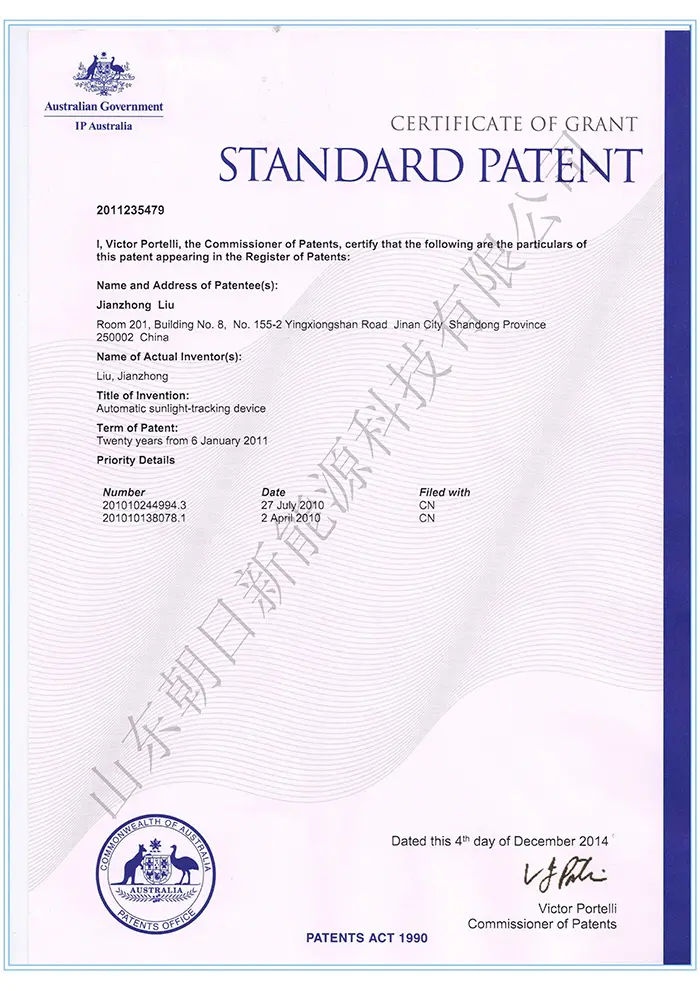
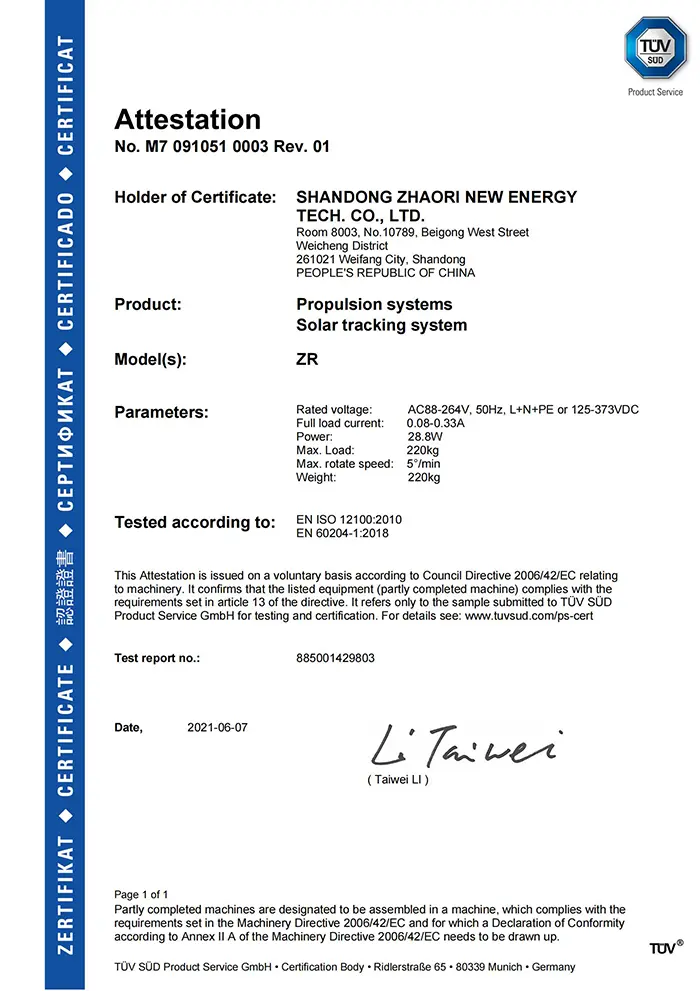
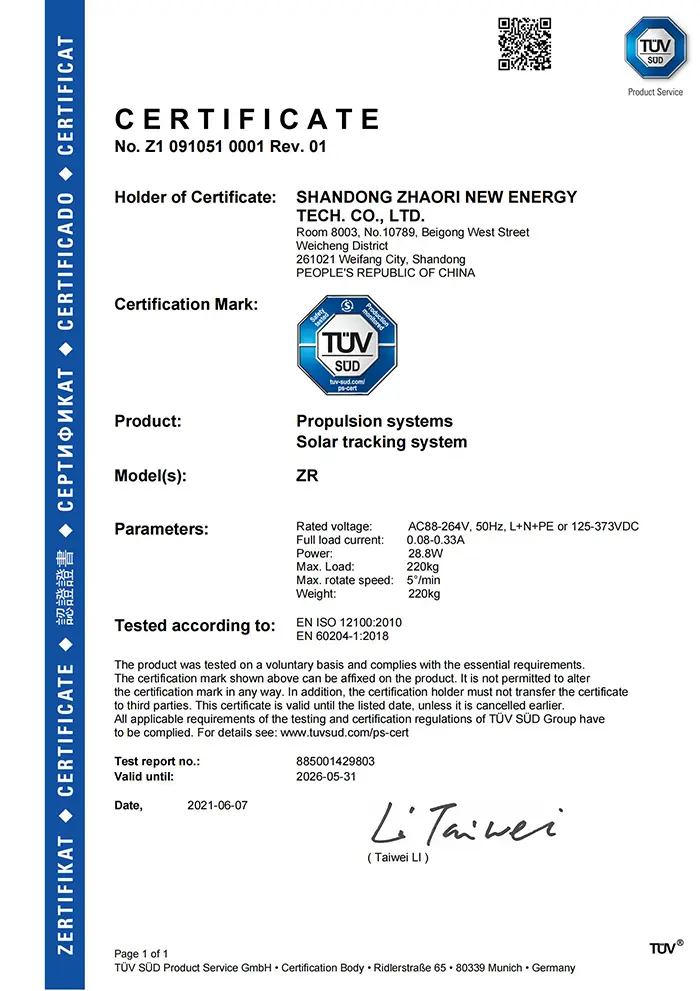
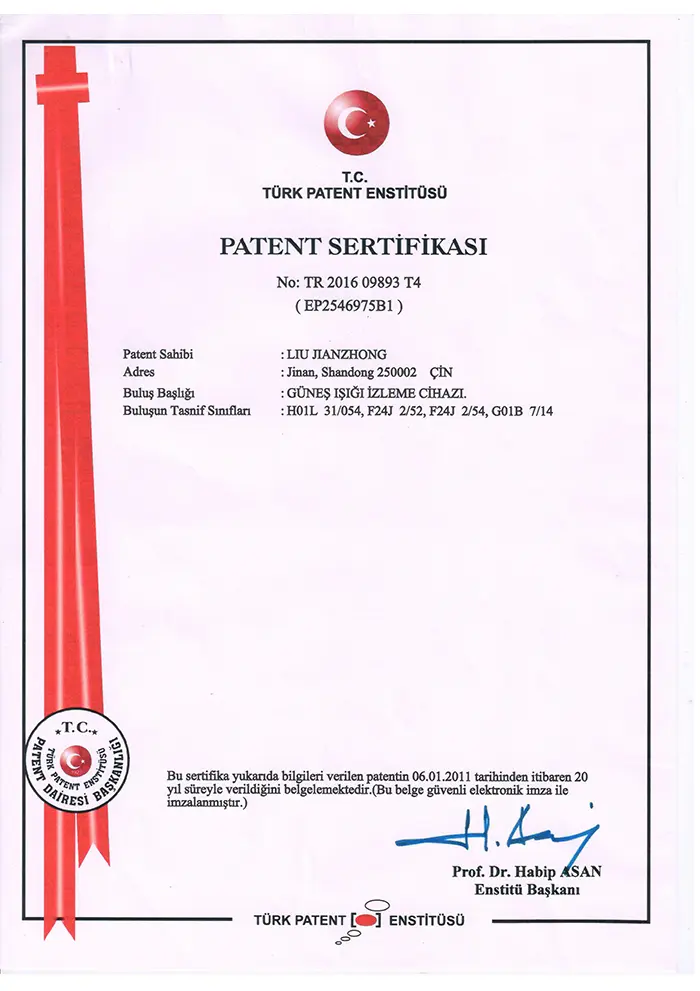
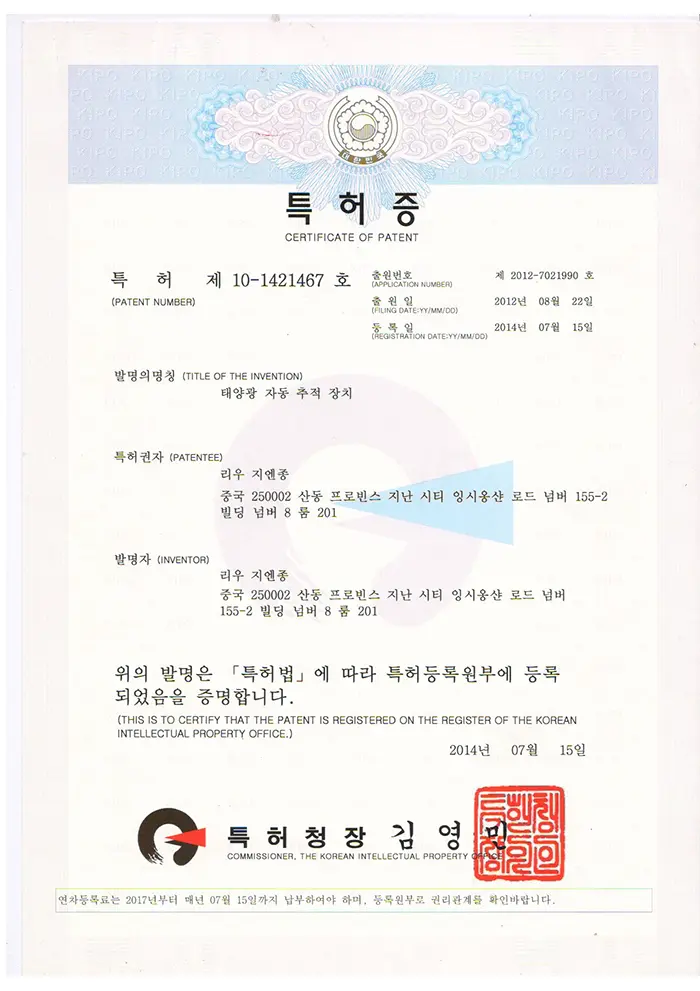
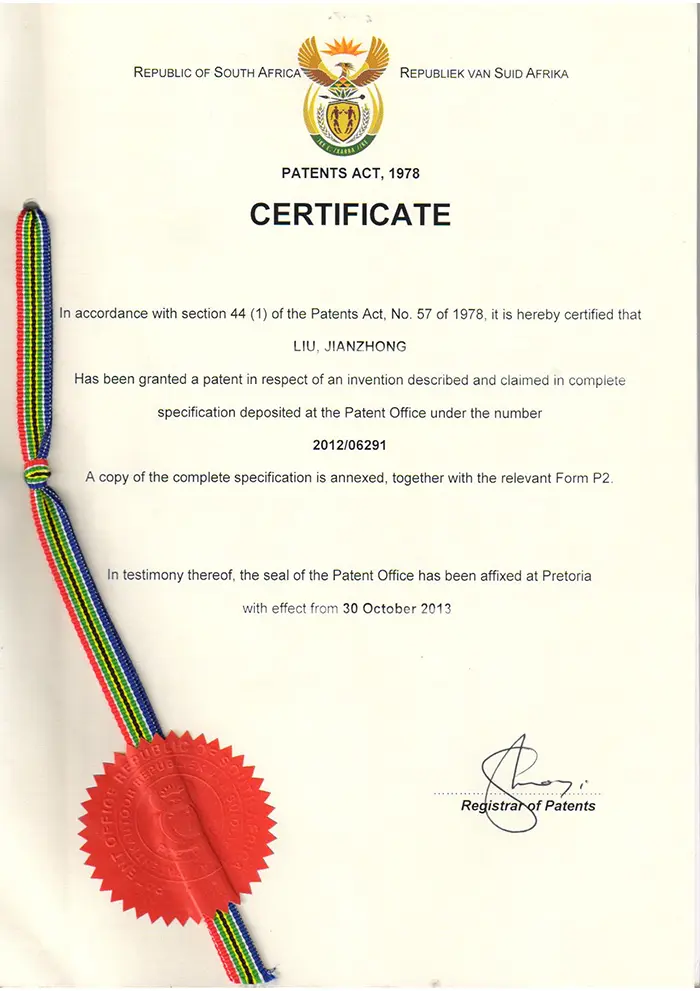
Our tracking systems hold utility patents in major international markets and are certified by leading global bodies.
Our tracking technologies have secured utility patents from the European Patent Office, the United States, Canada, Australia, Japan, South Korea, Thailand, India, Brazil, and South Africa, alongside 8 Chinese National Invention Patents and over 30 utility model patents. All systems are certified to TUV, CE, and ISO international standards.
Supporting EPCs and investors with international logistics, local compliance, and structural approvals.
We provide geotechnical analysis guides and loading tables necessary to secure land usage rights (DUAT) and environmental permits from the Ministry of Land and Environment (MTA).
Containers are packed in space-efficient configurations to optimize maritime transport costs and expedite clearance customs at major ports like Maputo, Beira, or Nacala.
Our electronic tracking controllers support standard SCADA communication interfaces, meeting grid-connection codes stipulated by Electricidade de Moçambique (EDM).
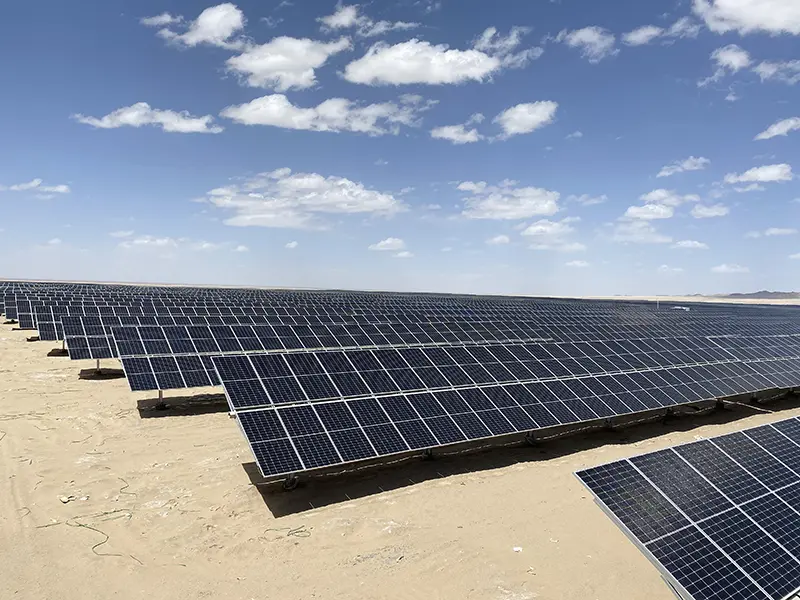
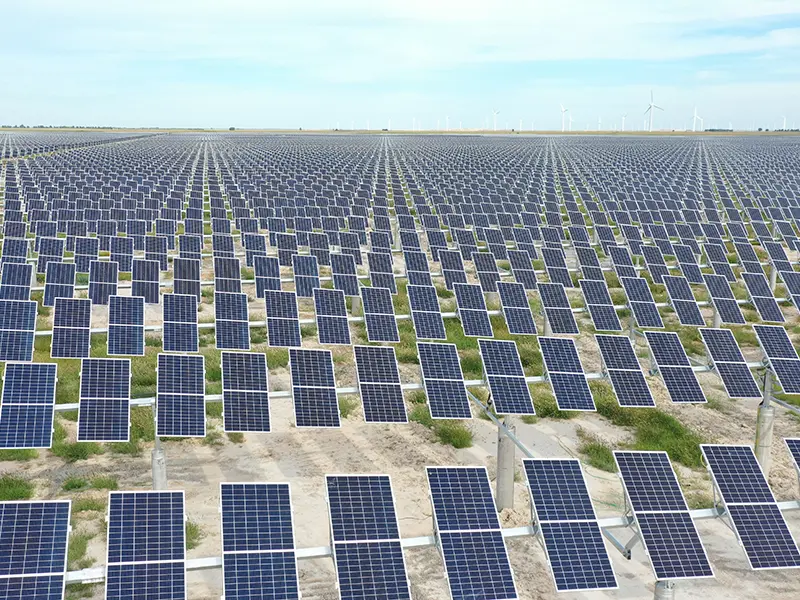
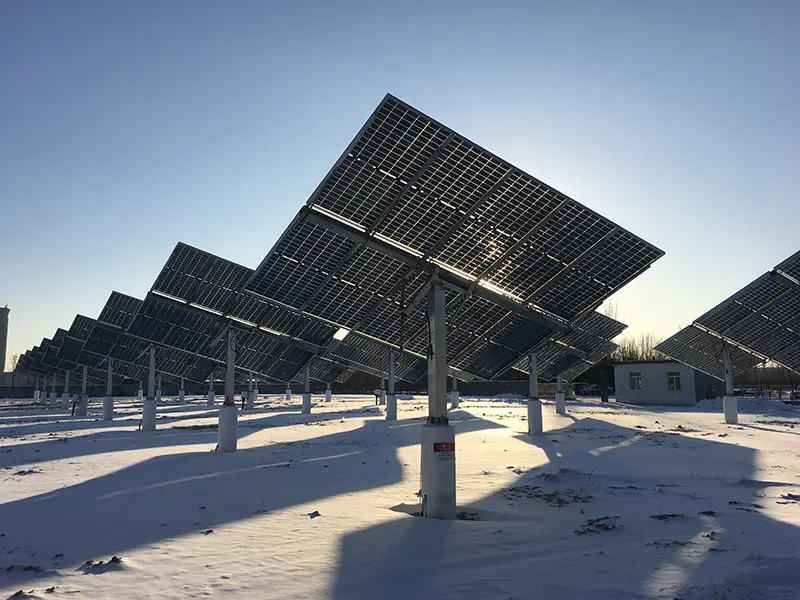
Demonstrated operational reliability across desert terrains, high-wind zones, and complex geographies.
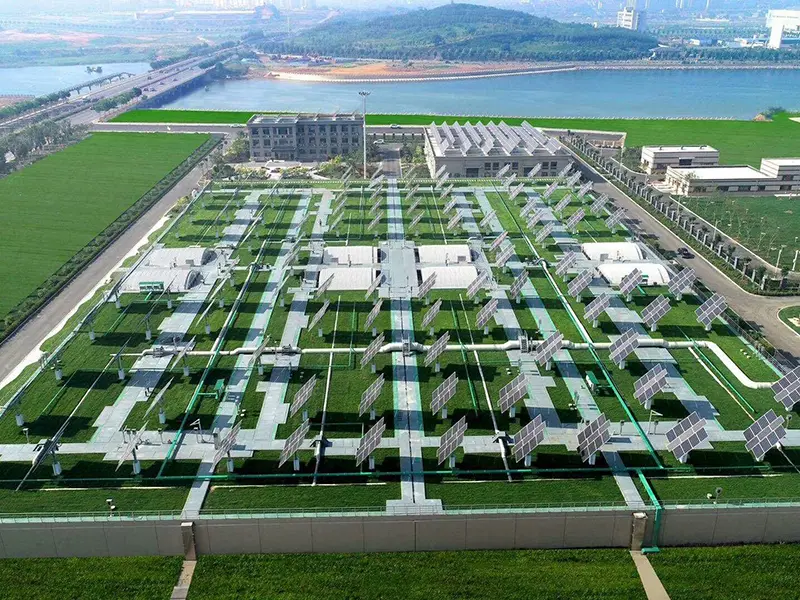
Explore our complete product catalog, designed to address varying operational conditions and budgets.
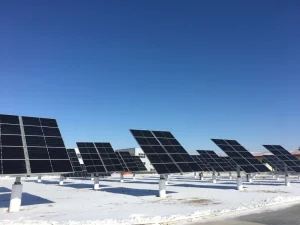
Premium dual-axis orientation system designed for high DNI solar locations, maximizing early morning and late afternoon generation profiles.
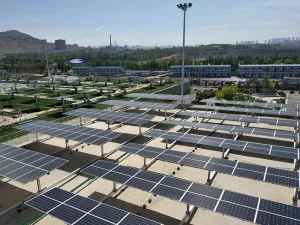
2P structural design optimizing bifacial module gain. Reduces foundation counts per megawatt and shortens construction cycles.
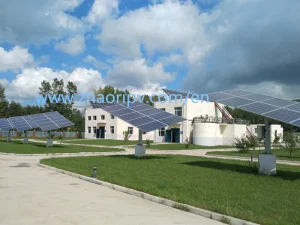
Balances cost and control reliability through automated solar tracking and simple seasonal elevation adjustments.
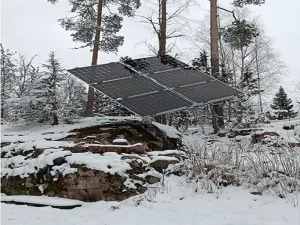
A compact dual-axis tracking platform suited for remote telecommunication sites, water treatment plants, and local mini-grid hubs.
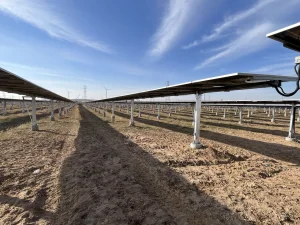
Robust 1P single-portrait tracking configuration designed for quick mechanical assembly, lowering labor costs in regional installations.
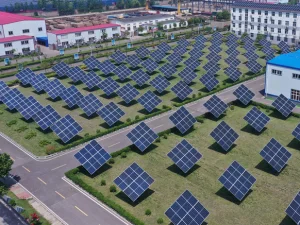
Dual-axis control engineered for extreme environment operations, optimizing orientation angles under dynamic cloudy conditions.
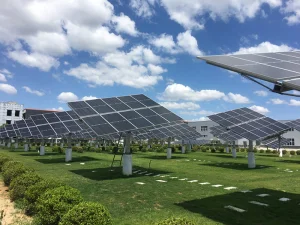
Factory-direct supply channels for heavy-duty dual-axis tracking platforms, engineered for multi-megawatt tracking arrays.
Cost-efficient structural racking featuring manual seasonal inclination adjustments, designed for high-wind geographic sites.
Addressing key engineering, logistical, and commercial inquiries for solar tracking projects in Mozambique.
Due to Mozambique’s geographical coordinates (between 10°S and 26°S latitudes), flat horizontal trackers experience cosine efficiency losses, especially during winter months. Adding a fixed tilt (10°-30°) to the tracking axis aligns the modules with the low solar path, increasing overall energy yield by 15% to 30% compared to standard fixed-tilt frameworks.
Our trackers are built using structural steel galvanized to ISO 1461 standards, shielding them from highly corrosive coastal air. The tracking controller integrates with local weather sensors and automatically triggers a horizontal defensive stow mode when wind speeds exceed preset thresholds, protecting the mechanical assemblies from damage during severe weather events.
Our tracking designs prioritize minimal maintenance, employing self-lubricating bearings and sealed drive units that keep out dust and fine sand. Standard maintenance checks are recommended once or twice a year to verify structural torque values, drive-motor electrical currents, and sensor calibration.
We work closely with logistics partners serving the Ports of Maputo, Beira, and Nacala. We supply container packing declarations, bill of lading documentation, mill test certificates, and structural engineering reports to ensure smooth customs clearance and compliance with local import regulations.
Yes. Our industrial tracking controllers communicate via standard Modbus RTU or TCP/IP protocols. This allows developers and asset managers to monitor tracking angles, system status, and wind speed logs directly through their central SCADA or plant monitoring platforms.
Yes. We offer optimized structural interface options suited for different soil types, ranging from coastal sands near Maputo (utilizing ground screw piles or concrete ballast blocks) to hard rock substrates found in the Tete highlands (utilizing ramming steel piles or concrete foundations).
Partner with an experienced technology manufacturer. Contact our application engineering team today to receive detailed yield estimates, structural calculations, and project quotes.
Send Inquiry Now Zhaori