Engineered for alpine terrains and high-latitude yield performance, these four tracking models are optimized for commercial, agricultural, and industrial deployments in Western Switzerland.
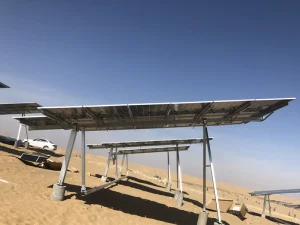
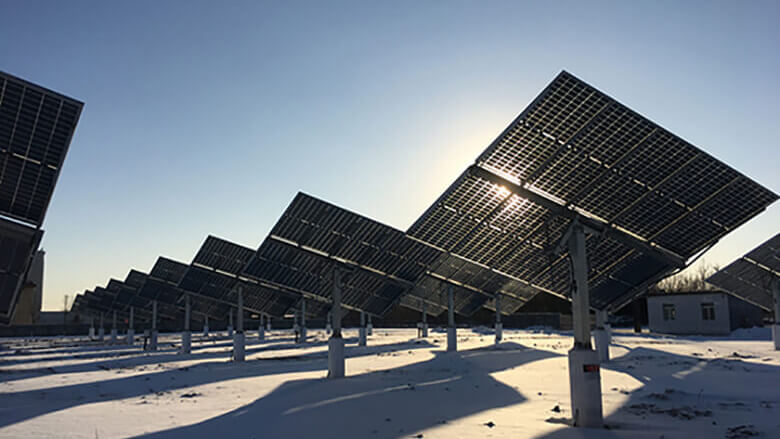
Designed specifically for maximum efficiency. Tilted geometry captures optimal solar radiation in Geneva's local latitudes (46°N) while automatically shedding snow loads during heavy winter conditions.
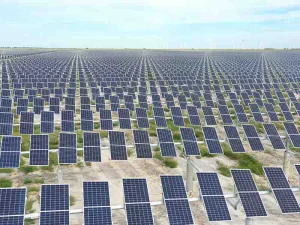
Combines mechanical reliability of horizontal tracking systems with fixed vertical incline modules. Provides excellent aerodynamic performance in high-wind regions, ensuring stability and structural resilience.
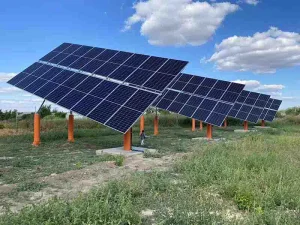
Advanced solar tracker utilizing active intelligence sensors. Fits 10 to 20 solar modules, generating 15% to 25% yield increase over traditional static panels, ideally suited for Geneva's alpine environment.
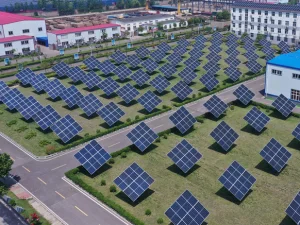
Dual-axis control tracking both solar azimuth and elevation. Best option for high-precision concentrated photovoltaic systems or alpine farms needing peak winter optimization.
Geneva's renewable energy sector is entering an era of unprecedented transformation. Driven by the Swiss Federal "Energy Strategy 2050" and canton-level mandates targeting net-zero emissions, developers and EPCs face unique geographical and climate engineering challenges. In the canton of Geneva, flat solar panels often lose critical winter generation capability due to heavy alpine fog layers and low sun elevations.
Deploying Tilted Single Axis Trackers (10° to 30° tilts) solves these regional efficiency bottlenecks. Unlike standard horizontal trackers, tilted configurations tilt modules toward the southern horizon, capturing peak winter solar angles when electric grid prices are highest. By integrating backtracking algorithms with bifacial solar panels, developers can boost global horizontal irradiance yields by up to 30% and secure high return-on-investment (ROI) across alpine settings.
Furthermore, Geneva’s stringent building regulations and environmental compliance codes require high structural engineering standards. Shandong Zhaori New Energy Tech Co., Ltd. delivers tracking systems designed to withstand heavy wind loads (the region's strong "Bise" wind) and significant winter snow accumulation, providing unmatched reliability under local Swiss engineering mandates.
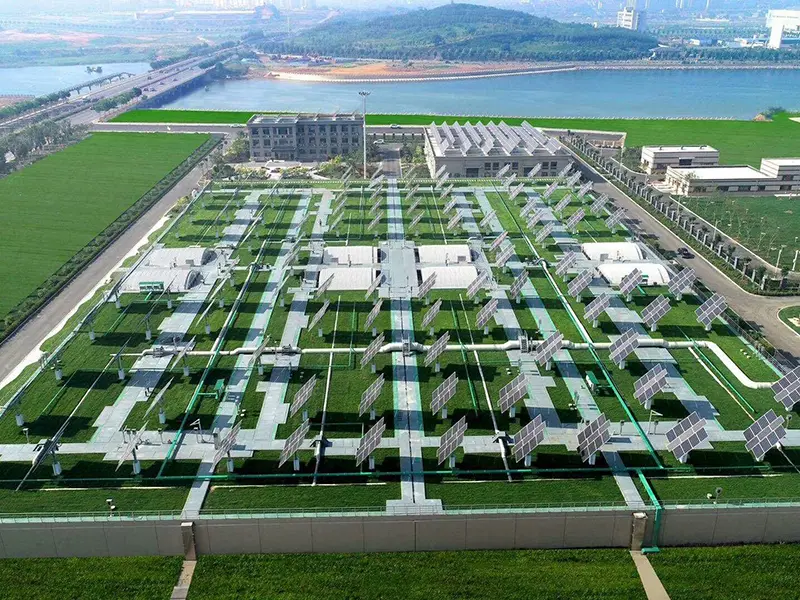
Why tilted solar trackers are the standard for professional utility projects and large commercial portfolios in Western Europe.
Reduces Levelized Cost of Energy (LCOE) by up to 18% compared to static racking systems by optimizing the angle of incidence across seasons.
Includes a snow mode algorithm that tilts modules up to 45° to shed accumulated snow, reducing winter maintenance costs.
Fully engineered to align with Swiss SIA 261 structural standards, guaranteeing safety in heavy wind and snow loads.
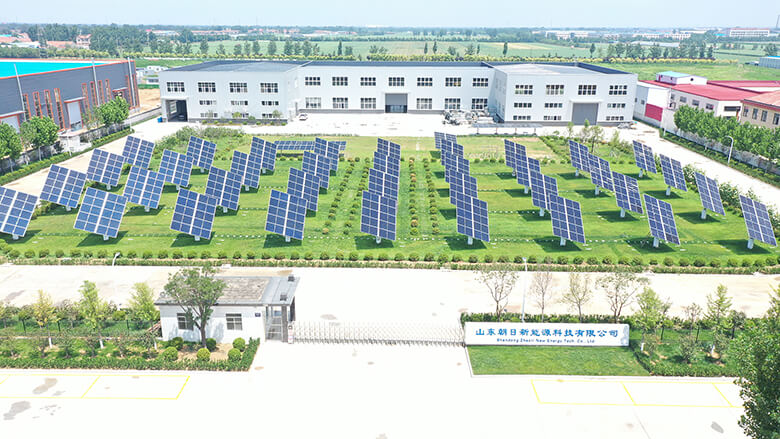
Founded in June 2012, Shandong Zhaori New Energy Tech. Co., Ltd. is a high-tech company based on independent intellectual property rights. Operating out of state-of-the-art facilities, our corporate structure comprises 10 dedicated departments: R&D, engineering, technical design, quality assurance, production, foreign trade, and domestic project services. With over 60 dedicated photovoltaic tracking engineers, our team has pioneered industry-leading solar alignment platforms for more than a decade.
Our tracker designs prioritize three pillars: Simple structure, High reliability, and Optimum yield efficiency. This engineering philosophy minimizes installation time, lowers system maintenance requirements, and maximizes electricity production output for solar assets worldwide.
Send Inquiry NowOur manufacturing complex spans 50,000 square meters. Equipped with CNC machinery, automated laser cutters, precision welding robots, and high-frequency plasma processing equipment, our dozens of production lines operate under strict quality management systems (ISO 9001 certified). With a workforce of over 300 assembly professionals, our monthly production capacity reaches 500MW.
From initial raw steel screening to cutting, structural welding, hot-dip galvanization (anti-corrosion protection), post-processing quality inspection, and export packaging, every tracker undergoes rigorous quality checks. This ensures durable performance in severe marine, desert, and high-alpine conditions.
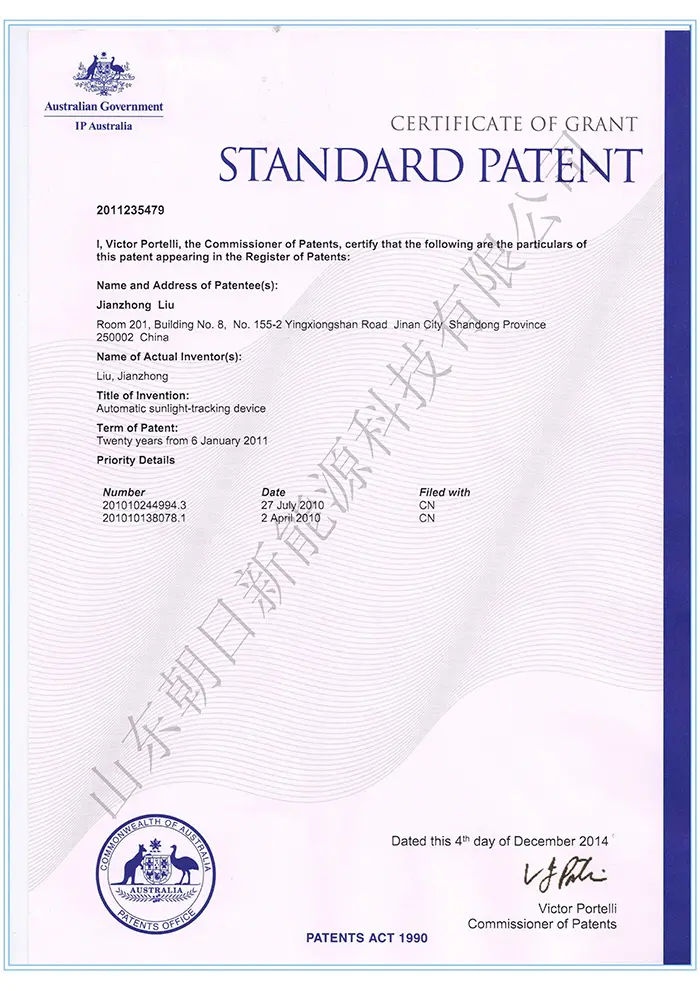
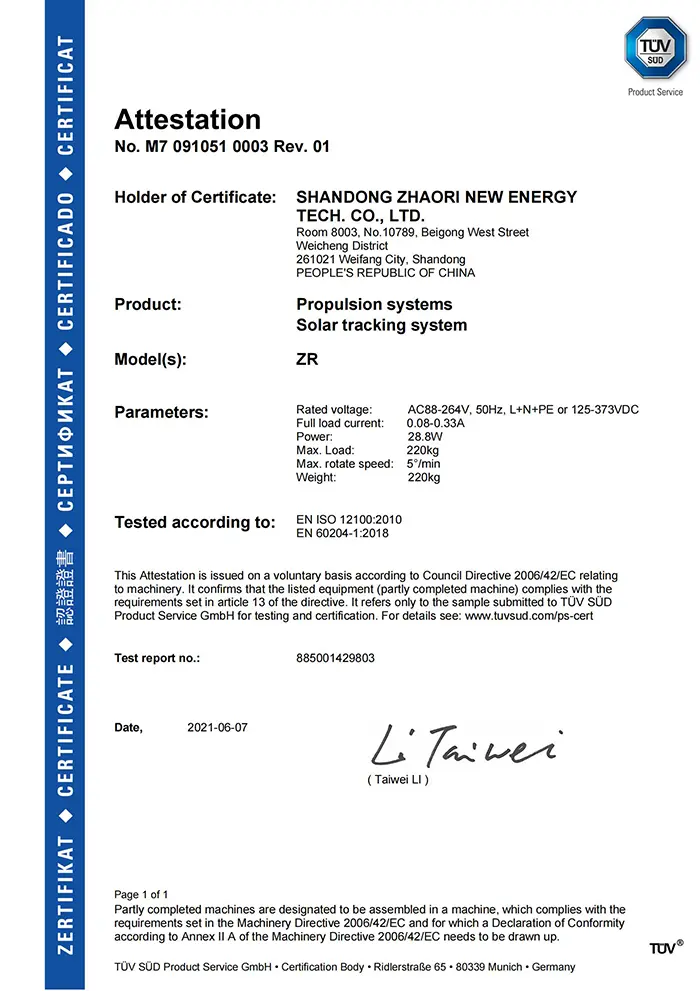
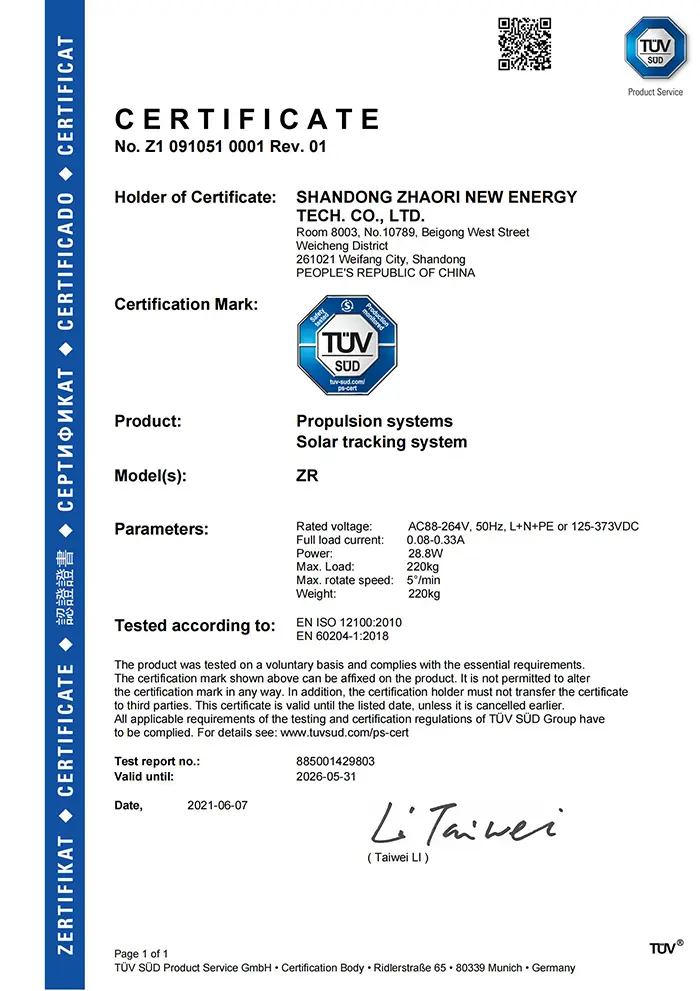
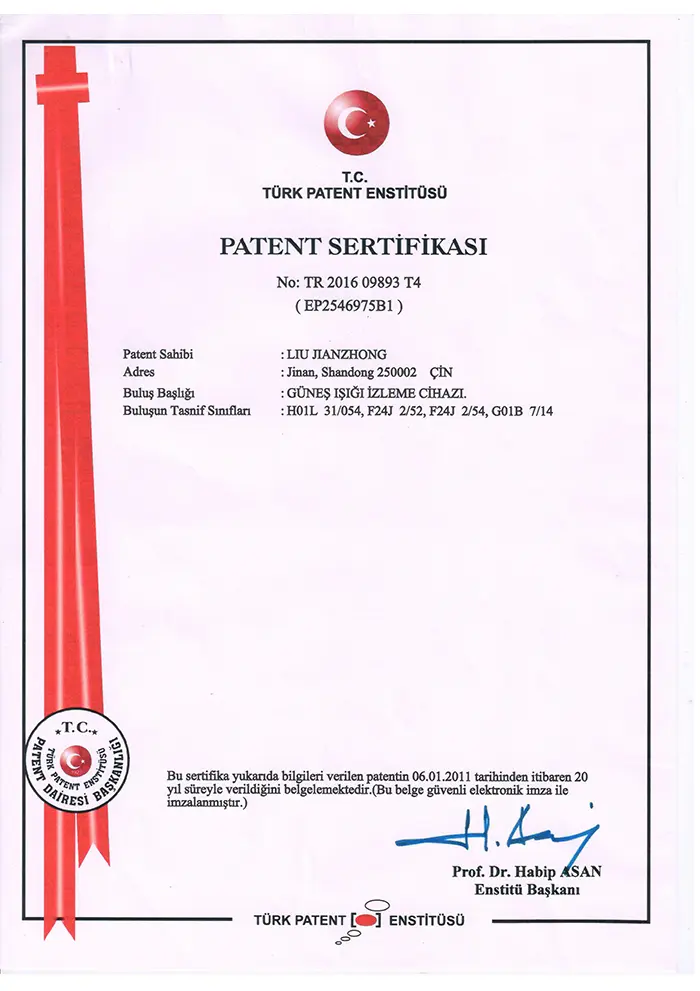
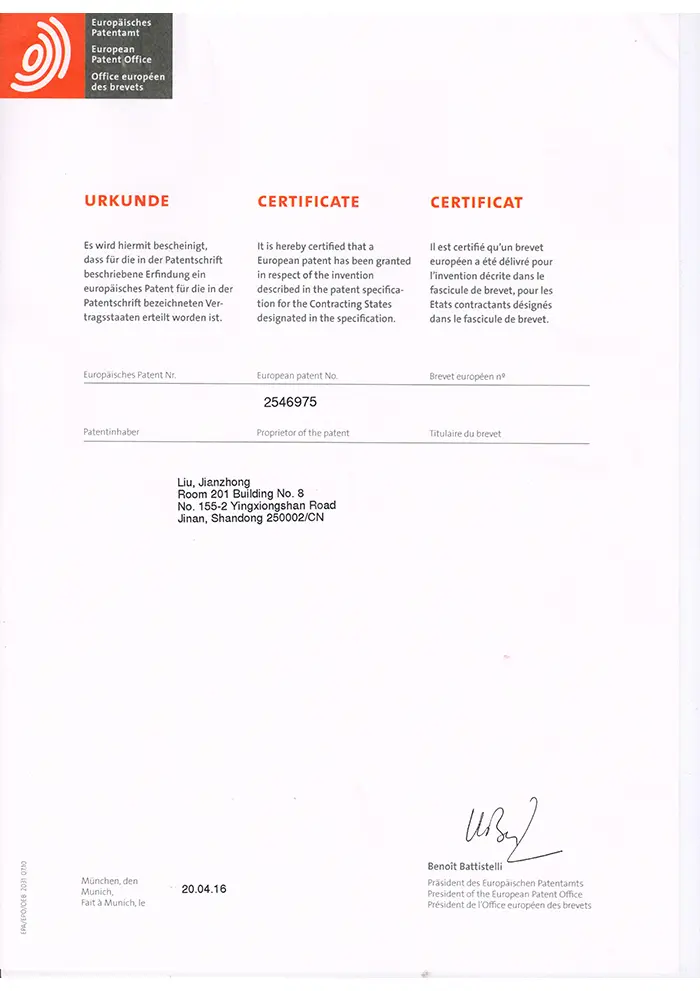
Our single and dual axis tracking products are fully compliant with global construction and electrical safety standards, protected by multiple international patent agencies.



Combining structural safety with AI-driven astronomical backtracking for optimized bifacial solar tracking.
During early morning and late evening hours, adjacent module rows cast shadows on each other. Our smart backtracking algorithm calculates real-time geometry to optimize tracker tilt, minimizing shadow loss and maximizing energy output.
Integrates intelligent diffuse-light sensors to capture ground albedo reflection. In snowy regions like Geneva, this system dynamically adjusts tracker rotation to harvest back-side energy, boosting yield by an extra 8% to 15%.
Tested in world-renowned wind tunnels. The structure features automatic aerodynamic defensive modes that position trackers flat at 0° tilt in high wind speeds to prevent structural damage.
Eliminates standard grease maintenance requirements. These maintenance-free polymer bearings ensure smooth rotation over a 25-year service life, reducing operational expenditure (OPEX).
A comprehensive selection of single-axis trackers, dual-axis trackers, and adjustable structural mounts for Geneva installations and global EPC projects.
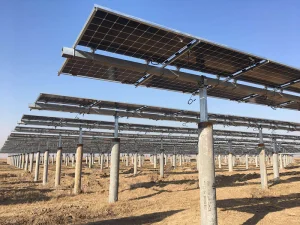
Designed for optimal energy production on flat industrial terrains and agricultural solar co-locations in Western Switzerland.
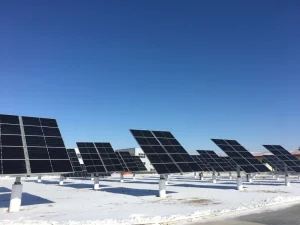
Features real-time vertical and horizontal solar positioning. Increases yield up to 35% over static mounts in high-latitude zones.
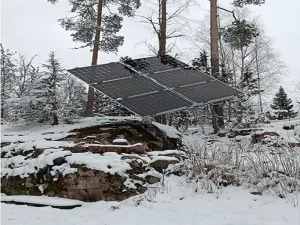
A compact dual-axis model ideal for commercial roofs or public solar parks, maximizing space efficiency.
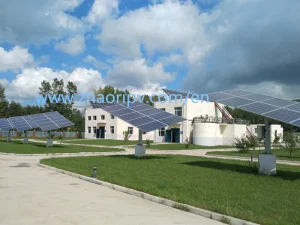
Combines mechanical tilt adjustments with automated seasonal tracking. Cost-effective reliability for microgrid installations.
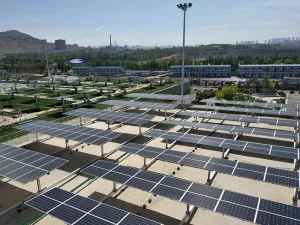
Features a 2-portrait module layout on a single horizontal axis. Highly compatible with large bifacial modules for optimum structural layout.
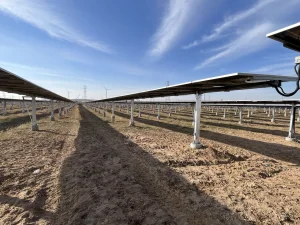
Optimized 1-portrait design. Engineered for swift onsite mechanical assembly and reduced commissioning times.
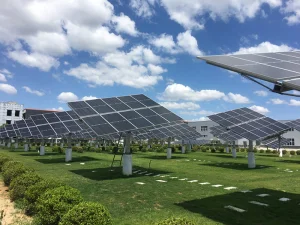
Our flagship dual-axis system. Combines multi-point structural drives for highest wind load resistance in open alpine plains.
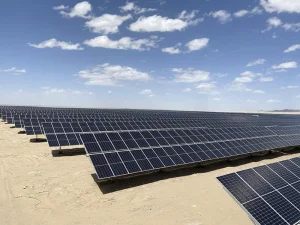
Heavy-duty mounting systems featuring manual tilt options. Provides structural safety with lower initial CAPEX costs.
Review our real-world project deployments across multiple climates, terrains, and snow conditions.
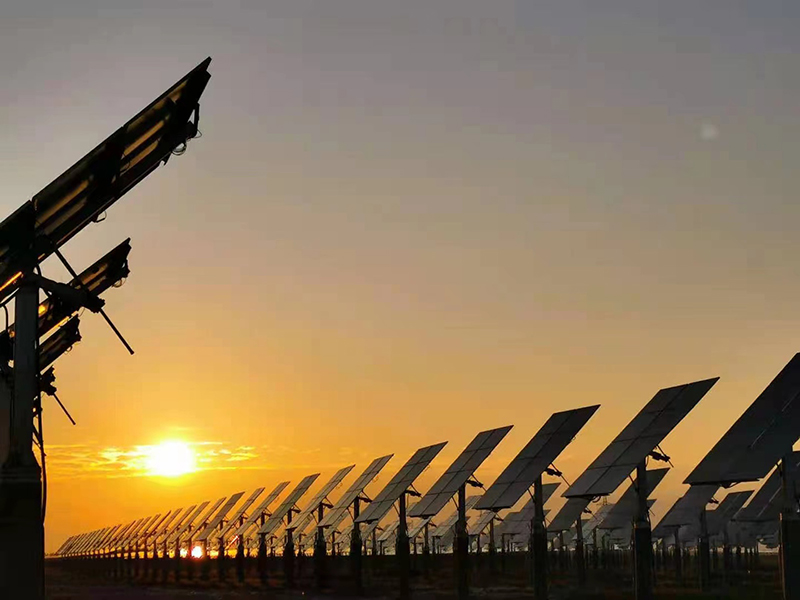
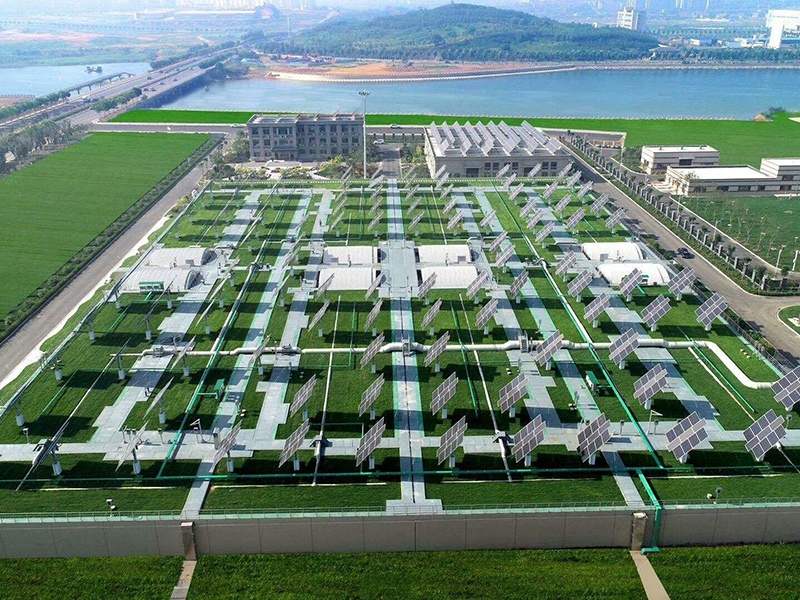
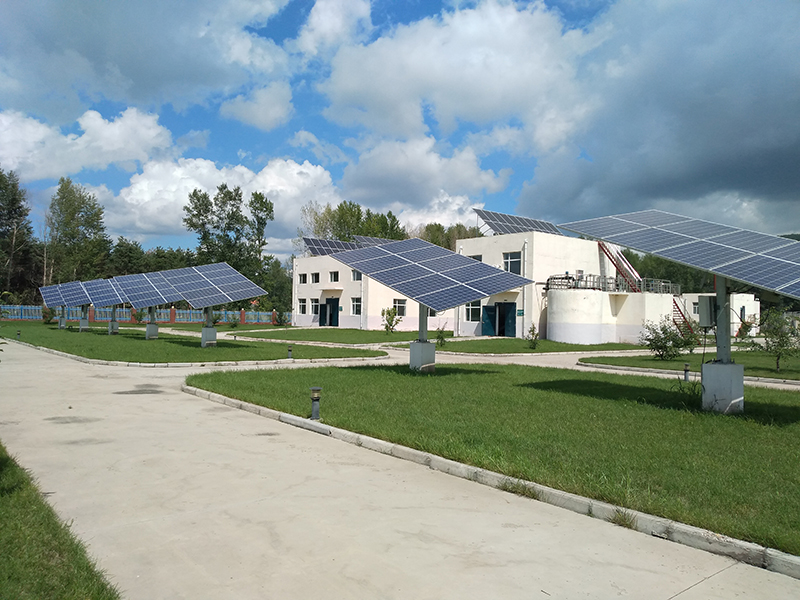
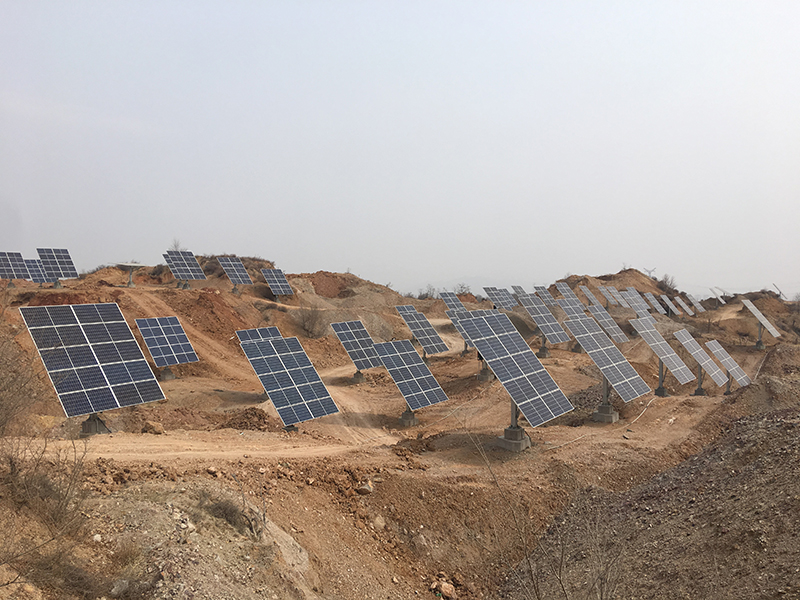
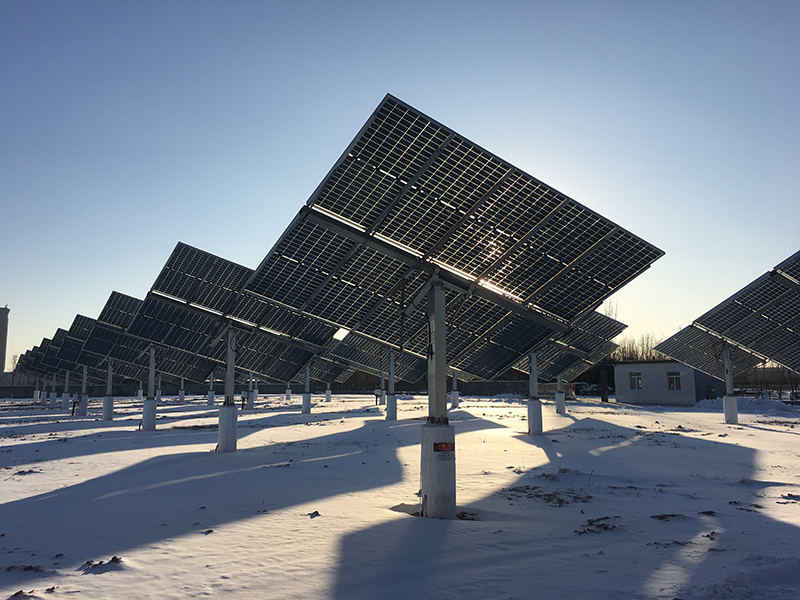
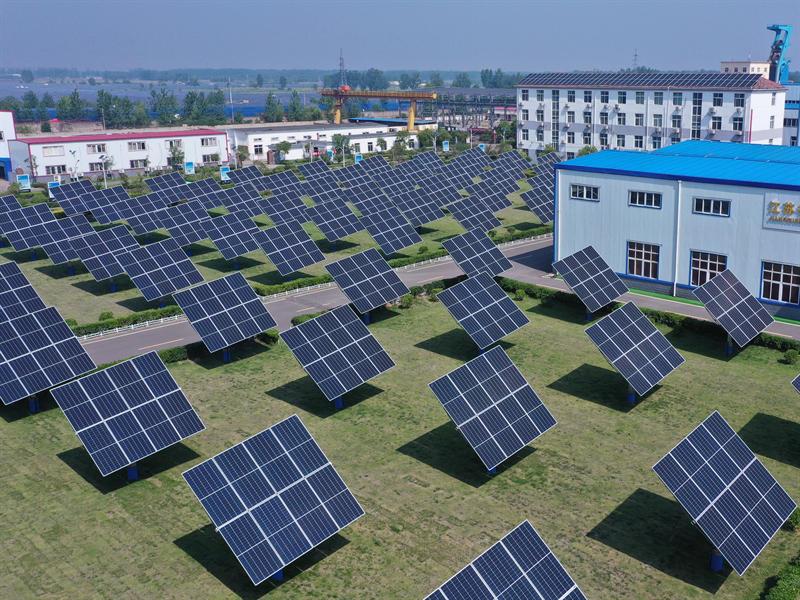
Watch our tracking systems operate in real-world environments, showing wind mitigation and backtracking algorithms in action.
Technical guidance and commercial support answers for engineering managers, solar developers, and EPC companies.
Due to Geneva's geographical latitude (~46.2°N), horizontal single-axis trackers lose efficiency in winter because of low solar angles. A Tilted Single Axis Tracker (10° to 30° tilt) keeps modules facing the southern sky path at an optimal angle throughout the day, increasing winter solar generation by 15% to 25%. This helps projects qualify for higher feed-in tariffs during critical peak-demand months.
Our tracker control systems feature integrated anemometers and snow accumulation sensors. In high-wind conditions, the tracker enters an automatic horizontal stow mode to minimize drag. In heavy snow conditions, the system tilts modules to 45° to shed snow, preventing structural overload and maintaining generation efficiency.
Yes. Shandong Zhaori New Energy products are fully CE and TUV certified. Our design parameters conform to international steel design specifications and align with Swiss SIA 261 standards, ensuring load capacity requirements for local snow and wind factors are met.
Yes, our systems are optimized for modern large-format bifacial modules. The tracker designs minimize rear shading on the panels, and our tracking algorithm dynamically adjusts angle alignments to capture maximum ground-level albedo radiation, boosting overall yield.
With a production capacity of 500MW per month, structural fabrication is completed within 4 to 6 weeks. Ocean shipping to European logistics hubs (such as Rotterdam or Genoa) combined with rail transport directly to your Geneva job site typically takes an additional 4 to 5 weeks.
Get in touch with our technical sales engineers for detailed CAD layout design, structural reports, and project pricing custom-tailored for your Geneva installation site.
Send Inquiry Now Zhaori