Engineered for high-yield performance, these selected PV mounting and dynamic tracking systems meet the exact AS/NZS structural standards required for commercial, industrial, and utility infrastructure across Greater Sydney and New South Wales.
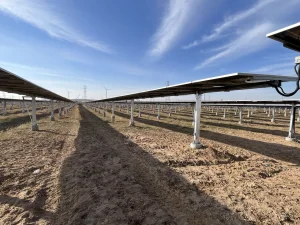
Maximize localized solar generation in Sydney with high-rigidity single-row tracking technology.
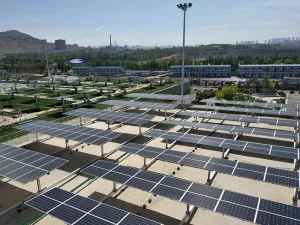
2P configurations engineered specifically to support larger bifacial panels under coastal wind velocities.
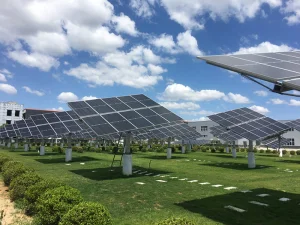
Ultimate real-time sun path alignment for regional NSW locations experiencing diverse seasonal shifts.
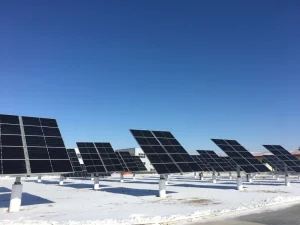
Heavy-duty dual axis mechanics providing the absolute maximum energy generation per panel footprint.
As Australia accelerates its transition toward green energy, the Greater Sydney region and broader New South Wales (NSW) are witnessing a rapid transformation in Commercial & Industrial (C&I) solar applications. Solar installations are no longer static assets; they require high-performance, dynamic racking technologies. Our flat single axis trackers are strategically engineered to serve this growing demand. By continuously aligning solar modules with the sun, they increase energy output by 15% to 30% compared to traditional fixed-tilt systems.
Sydney's coastal environments and fluctuating inland temperatures impose challenging conditions. Systems located near Botany Bay, Western Sydney, or regional solar corridors experience unique wind categories (Region B2/C according to AS/NZS 1170.2:2021). Our tracking solutions use hot-dip galvanized components and dynamic wind-tunnel certified designs to ensure physical survival and structural integrity through heavy wind load environments, maintaining safe and optimal generation parameters.
Moreover, the integration of single axis tracking plays a vital role in smoothing the NSW grid's demand profile. By capturing morning and late afternoon solar rays, trackers flatten the generation curve, minimizing the local "duck curve" impact and enabling operators to secure higher wholesale spot prices on the National Electricity Market (NEM).
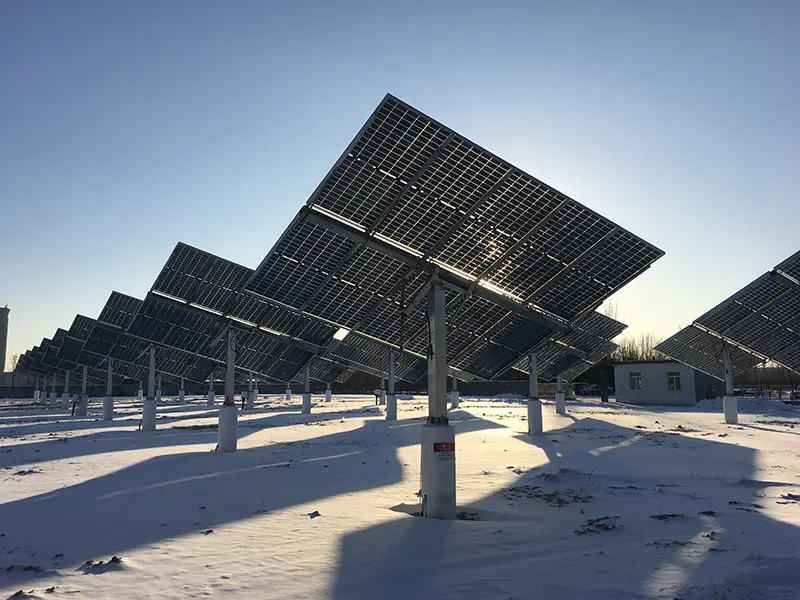
Robust operations in extreme winter environments, ensuring continuous structural durability.
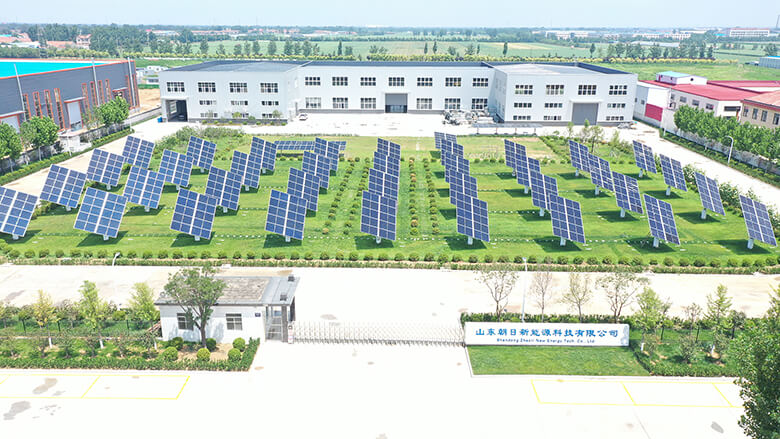
Our 50,000 square meter factory equipped with advanced robotics and automated assembly lines.
Established in June 2012, Shandong Zhaori New Energy Tech. Co., Ltd. is a leading high-tech company based on independent intellectual property rights. Spanning a state-of-the-art facility of 50,000 square meters, our factory houses advanced production machinery, including high-precision CNC machine tools, industrial laser cutters, automated welding robots, and high-efficiency plasma cutting machines. Through dozens of automated production lines, our team of over 300 manufacturing experts delivers an impressive monthly output capacity of 500MW.
We maintain strict control over every stage of production—from raw material screening, precision cutting, welding, and shaping, to our robust anti-rust treatment, inspection, and packaging. We strictly adhere to our ISO9001 quality management systems. Our factory's scaling power gives us a major competitive edge in pricing. We deliver reliable, factory-direct shipments to Sydney ports, lowering CAPEX requirements while ensuring consistent, project-ready component supplies.
Discover how dynamic solar tracking solutions are adapting to global clean-energy shifts and matching localized operational conditions across New South Wales.
Utilizing proprietary intelligent tracking control, our systems feature active backtracking to prevent adjacent row shadowing during early morning and late afternoon hours. This maximizes yield on rolling terrains, which are common in Western Sydney's geography.
Designed to mount ultra-high-power bifacial solar modules, our structures provide optimized ground clearance and minimize backside shading. This design extracts up to 25% extra energy output from ground-reflected albedo light.
Connected to anemometer wind sensors, the tracker automatically stows at a flat 0° or custom protective angle during high wind speeds (>60 m/s). This safeguarding design prevents structural micro-cracking and dynamic wind gallop.
We manufacture custom solar structural systems to meet varied project profiles, engineering budgets, and wind conditions across urban and regional environments.
Compact dual-axis tracker, ideal for off-grid operations and targeted commercial projects requiring maximum density generation.
Get Quick Quote →
Certified utility-scale horizontal trackers, optimized for fast on-site installation and low maintenance footprints.
Get Quick Quote →See our tracking systems in action across industrial sites, tracking the sun's trajectory with high precision and resilience in diverse weather conditions.
Our trackers carry invention patents across Europe, the US, Canada, Australia, Japan, South Korea, South Africa, and beyond, with full TUV, CE, and ISO approvals.
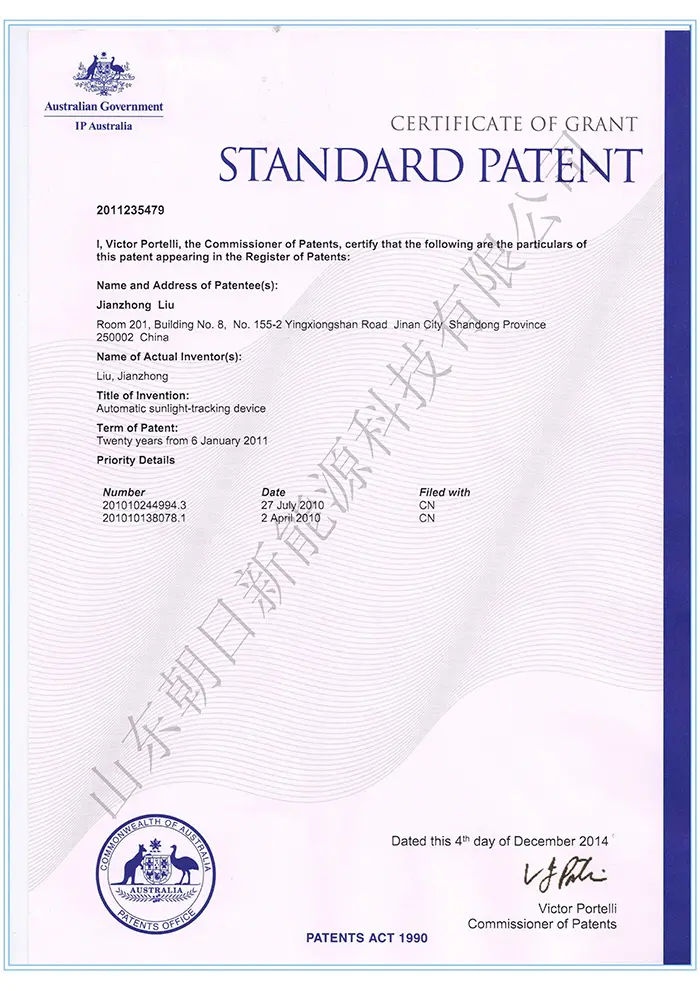
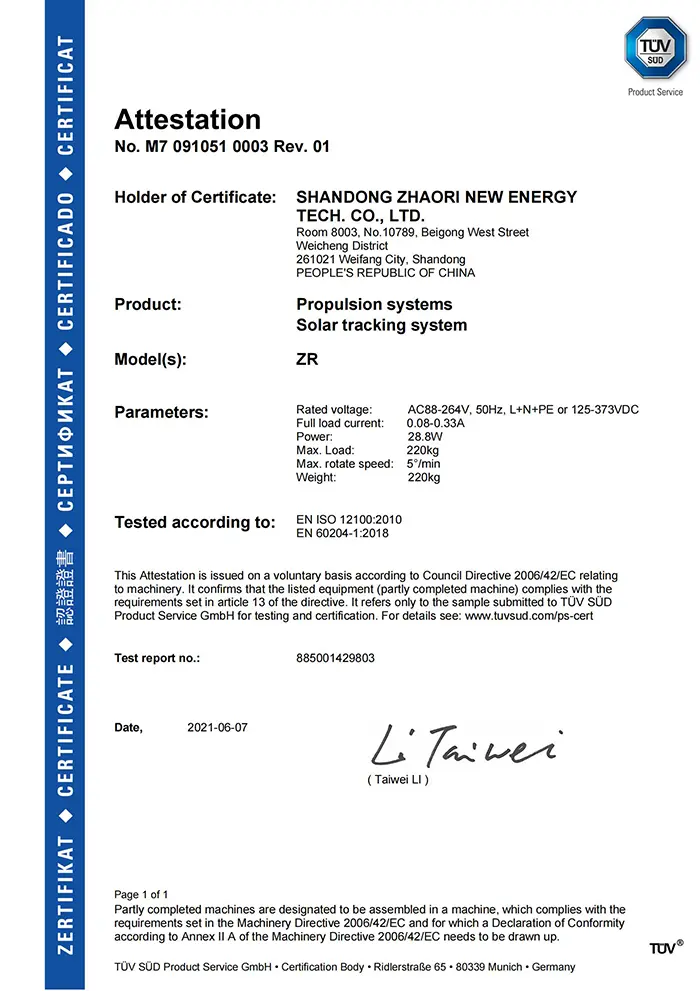
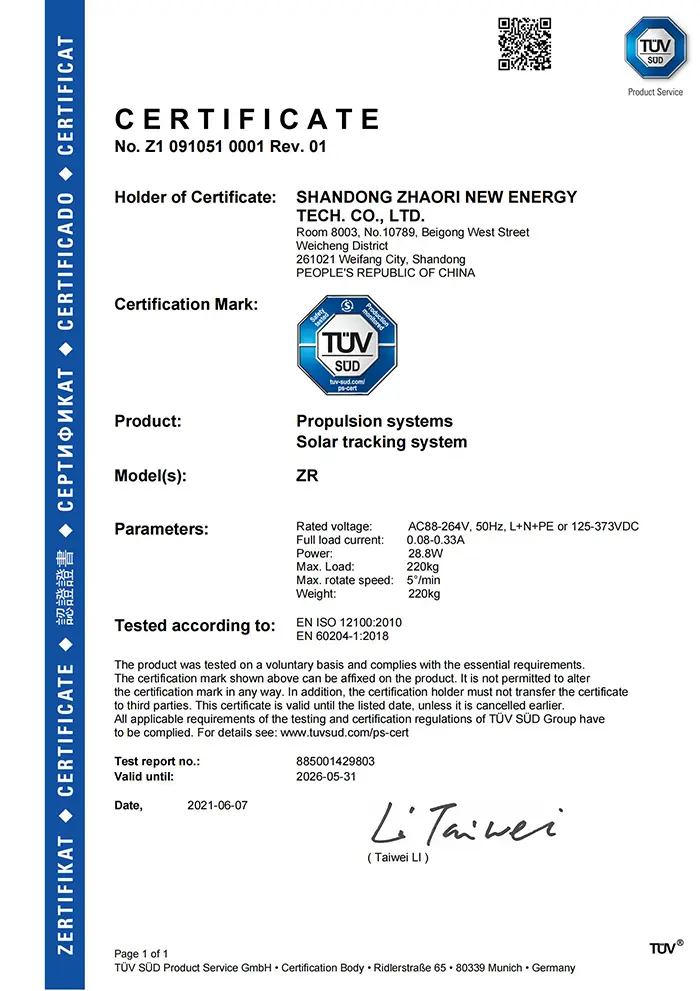
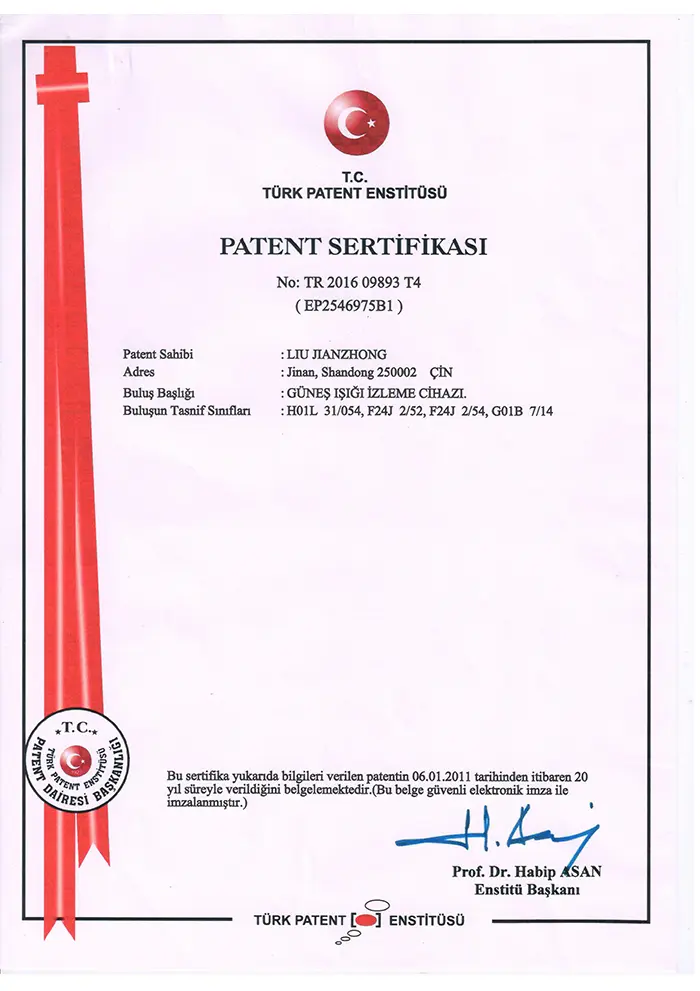


Explore our full line of dynamic trackers and manual adjustable fixed mounts, engineered for project environments ranging from rural NSW utility hubs to coastal industrial zones.
Cost-efficient single-row 1P tracker configuration optimized for distributed rooftop and flat terrain layouts.
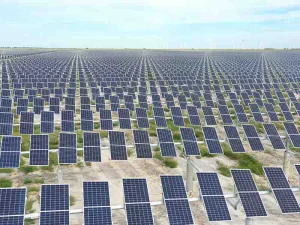
Inclined modules that maximize solar capture at higher latitudes, optimized for southern NSW projects.
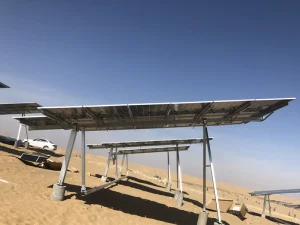
Combines single-axis rotation with a structural tilt to deliver optimal performance during winter months.
Robust double-row vertical setups designed for utility projects, offering stable operations in high winds.
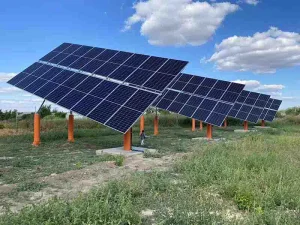
Features a 10° to 30° tilted axis to optimize the tracking of solar azimuth angles on sloped sites.
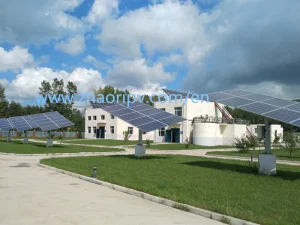
A cost-effective semi-automated tracking configuration designed for off-grid operations and farms.
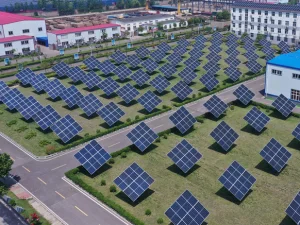
State-of-the-art dual-axis tracking, designed to squeeze maximum daily generation yields from premium panels.
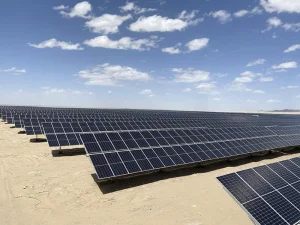
Highly durable manually-adjustable brackets, providing seasonal angle optimization at a lower initial cost.
New South Wales is executing one of the fastest grid modernizations in the Southern Hemisphere, driven by the NSW Electricity Infrastructure Roadmap. As coal-fired generation phases out, utility and large commercial installations require technologies that maximize energy output during peak morning and evening periods. Traditional fixed-tilt systems concentrate energy production around solar noon, causing supply spikes and lowering wholesale returns. In contrast, flat single-axis trackers extend the generation curve, delivering reliable power when the grid needs it most and securing stronger, more consistent asset returns.
Greater Sydney's complex geography leads to varied weather conditions, from strong coastal wind patterns to sudden inland thermal storms. Designing tracking systems for these regions requires strict engineering standards. Our trackers are engineered to comply with AS/NZS 1170.2 wind load standards. By conducting extensive wind tunnel testing and utilizing high-tensile structural steel coated with Hot-Dip Galvanization (HDG), we prevent wind-induced failures. In high wind situations, our automated stowing protocols position the solar arrays flat to minimize wind resistance, protecting the trackers, foundation piles, and high-value PV modules from damage.
Bifacial solar modules are now standard in large solar installations, capturing light from both the sky and the ground. Utilizing bifacial modules on single-axis trackers requires specialized structural designs. Our flat single-axis trackers feature optimized height clearances and minimize tracking tube profiles to prevent underside shadowing. This structural setup increases secondary side absorption from ground reflection (albedo), boosting energy output by 15% to 25% depending on the surface conditions of the site.
Reducing Levelized Cost of Energy (LCOE) is key to making solar projects financially viable. While tracking systems require a slightly higher initial capital investment (CAPEX) compared to fixed brackets, they generate significantly more energy, leading to a lower overall LCOE. Additionally, our trackers are designed with pre-assembled components and drive mechanisms that simplify onsite installation, cutting labor costs. Their durable bearings and smart drive systems also minimize long-term maintenance costs (OPEX), maximizing project profitability for investors and operators alike.
Find answers to key technical, structural, and procurement questions regarding solar trackers in the Sydney and broader Australian markets.
Yes. All our solar tracking structures, including flat single-axis and tilted configurations, are engineered to comply with AS/NZS 1170.2 standard wind requirements. Our systems feature high-wind stowing protocols that automatically lock the panels flat during high-velocity wind events to ensure structural safety.
By continuously tracking the sun's trajectory throughout the day, our flat single-axis systems increase average annual energy yields by 15% to 30%. Combining trackers with bifacial solar panels can yield even higher generation increases, depending on local albedo reflections.
Operating from our 50,000 sqm automated facility, we control the entire manufacturing process—from precision steel fabrication to final system testing. This direct integration eliminates intermediate markups, allowing us to supply high-quality solar tracking equipment directly to Sydney ports at highly competitive prices.
We apply hot-dip galvanization to all structural components (minimum 80μm thickness) to ensure robust rust protection. We also offer specialized zinc-aluminum-magnesium coatings for projects situated close to coastal salt-spray environments, ensuring long structural life.
Contact our engineering and sales teams to request a customized tracking solution proposal, technical specifications, and factory-direct pricing for your project site.
Send Inquiry Now Zhaori