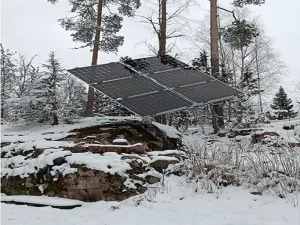
Engineering Flat Single-Axis Trackers for Desert Environments
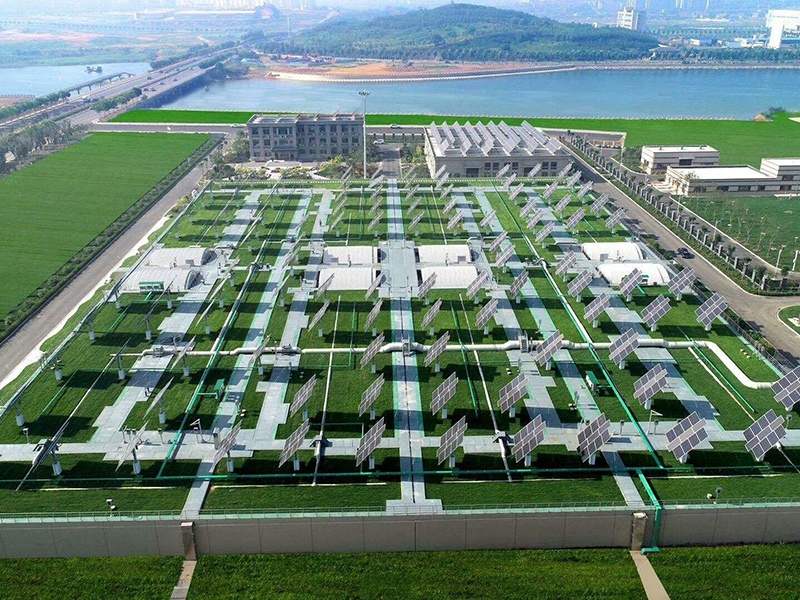
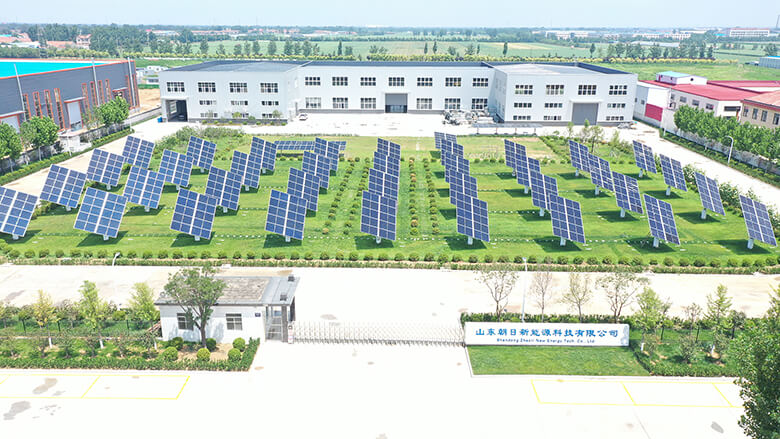
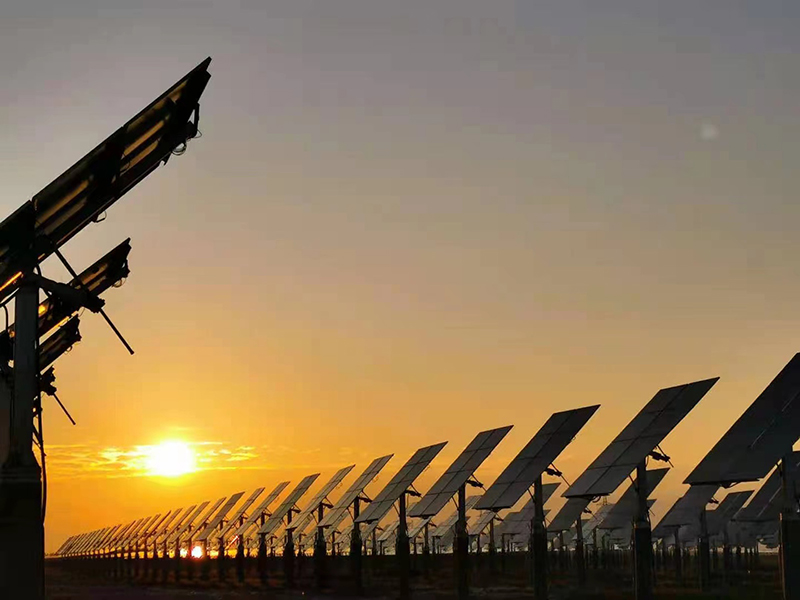
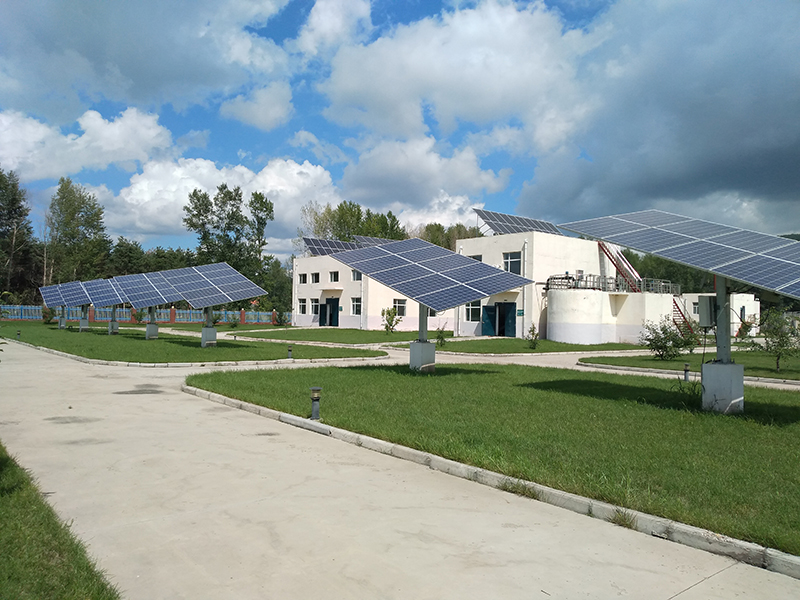
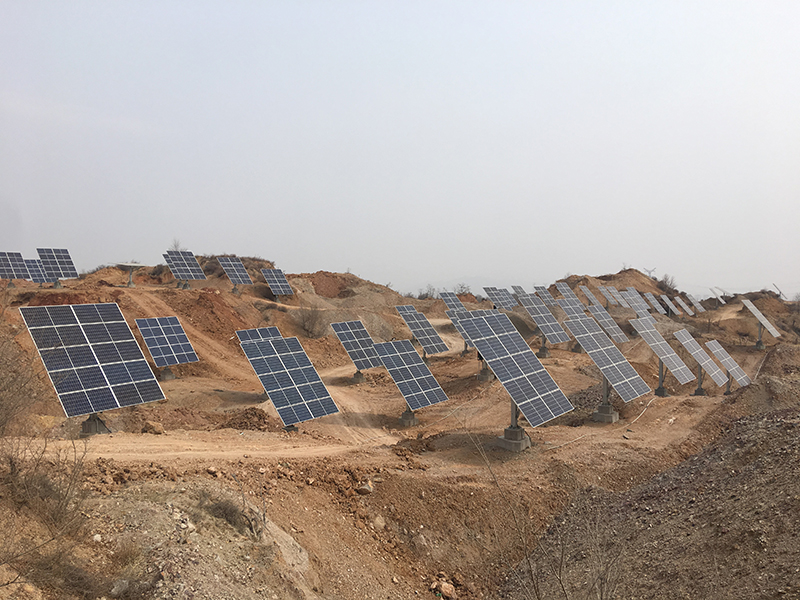
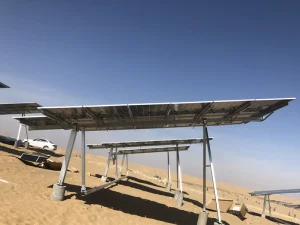
Developing high-yield solar arrays in the Algiers region requires structural planning that addresses complex geographic and meteorological factors. Fixed-tilt mounting structures offer structural simplicity but miss significant morning and afternoon generation windows. Shandong Zhaori New Energy's flat single-axis trackers bridge this gap, combining structural reliability with dynamic tracking capabilities.
1. Anti-Corrosion Engineering for Coastal and Desert Topographies
The city of Algiers experiences a coastal Mediterranean climate, while the inland areas feature dry, hot desert winds. This transition zone is characterized by coastal humidity and inland heat. Atmospheric salt spray accelerates steel corrosion. To protect the structural steel components, our factory utilizes heavy-duty hot-dip galvanization (HDG), meeting ASTM A123 standards. Zinc layer thicknesses are maintained at 80 to 85 microns, providing a barrier that prevents corrosion over a 25-year service life.
2. Wind Engineering and Aerodynamic Stability
Wind loads are a critical design factor for solar trackers in Algeria. High-speed wind events, including the Sirocco, can damage tracker assemblies. Our structural configurations undergo wind tunnel testing to determine flutter limits and aerodynamic stability parameters. In high-wind conditions, the automated controller changes the tracking angle to a flat stow position (typically 0° or 5°), minimizing wind resistance and protecting the structural components.
3. Sand Mitigation and Drive Train Protection
Sandy desert winds can cause mechanical wear on rotating tracker components. Our single-axis trackers feature sealed drive units, including IP66-rated slewing drives and dust-protected bearing housings. The self-lubricating polymeric bearings operate without external grease, preventing sand particles from adhering to the moving surfaces. This reduces friction-induced wear and simplifies maintenance requirements in remote project locations.
4. Tracking Algorithms and Power Yield Optimization
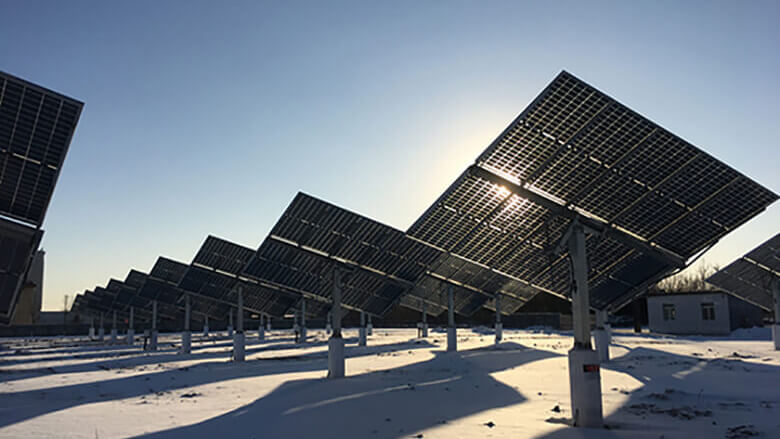
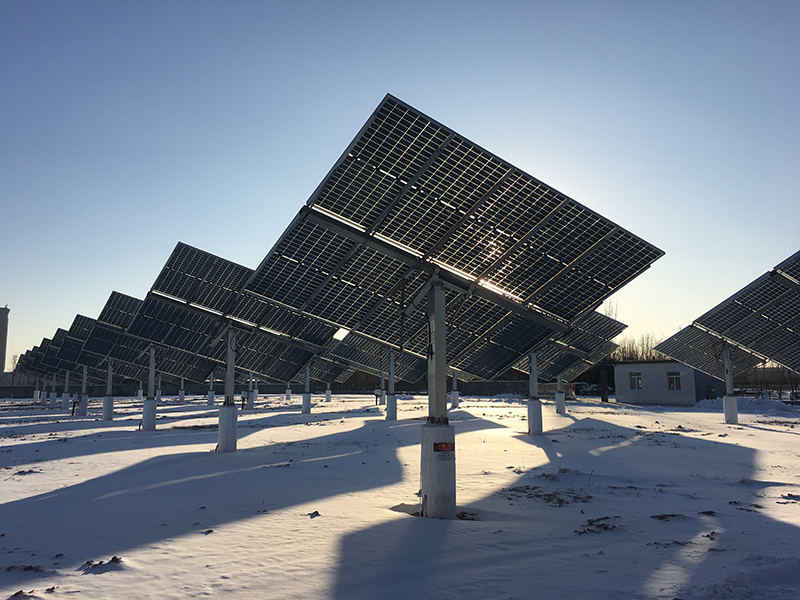
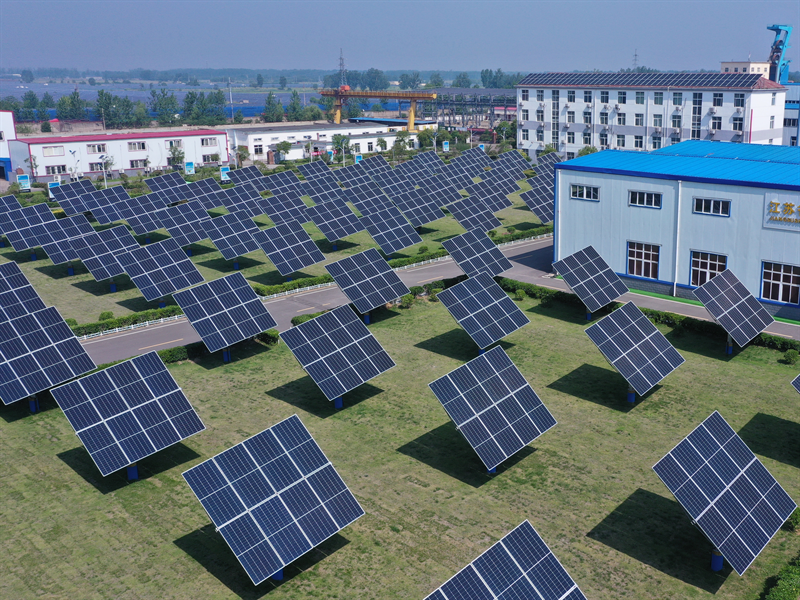
Our tracker control units utilize astronomical algorithms combined with GPS inputs to determine the sun's position. In the early morning and late afternoon, the system initiates backtracking to prevent adjacent rows from casting shadows on each other. When paired with bifacial PV modules, the trackers optimize the rear-side energy capture from ground reflection (albedo), increasing energy yields relative to standard fixed-tilt systems.
 Zhaori