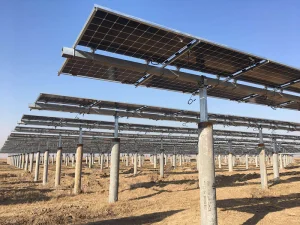
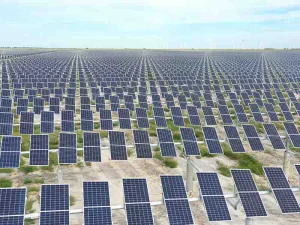
Spain is currently the undisputed leader in European solar energy production. With the National Integrated Energy and Climate Plan (PNIEC 2023-2030) aiming for 76 GW of installed solar capacity by 2030, the demand for high-efficiency technology has never been greater. Unlike standard fixed-tilt systems, Dual Axis Solar Trackers provide an information gain in energy harvest by following the sun's trajectory across both azimuth and altitude axes.
In regions like Seville, Badajoz, and Murcia, where Direct Normal Irradiance (DNI) is exceptionally high, dual-axis systems can increase energy production by up to 35% to 45% compared to static installations. This efficiency is critical for Industrial and Commercial (I&C) sectors looking to mitigate rising energy costs in the Iberian market.
Energy Yield Increase in Southern Spain
Spain 2030 Solar Target
Annual Sunshine Hours (Andalusia)
Typical Payback for Industrial Dual-Axis
Shandong Zhaori New Energy Tech. Co., Ltd. is a high-tech and new energy company based on independent intellectual property rights. Founded in June 2012, our company integrates 10 specialized departments including R&D, Technical, Engineering, and Foreign Trade. With more than 60 professional technology talented employees, our team has focused on photovoltaic power stations and solar tracking technology for more than 10 years.
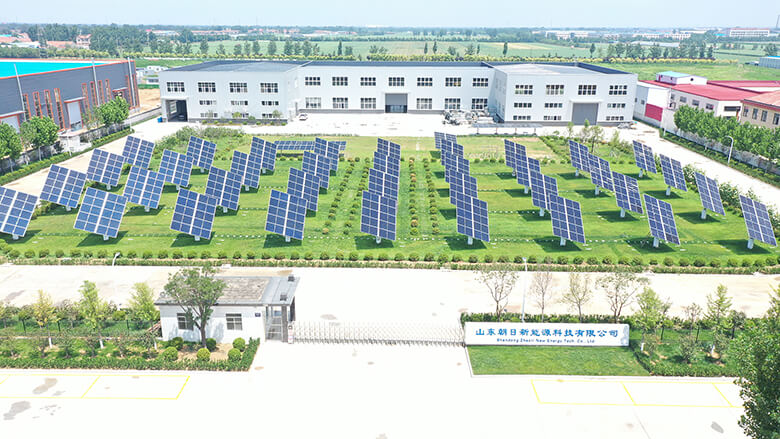
Our factory covers an area of 50,000 square meters, equipped with CNC machine tools, laser cutting machines, and automatic welding robots. With 300+ workers, we maintain a monthly production capacity of 500MW. Every component exported to the Spain market undergoes strict anti-rust treatment and post-processing to withstand saline environments in coastal Spanish regions.
Modern solar tracking is no longer just about mechanical movement; it is about data-driven intelligence. Our 2024 technology roadmap for the European market focuses on:
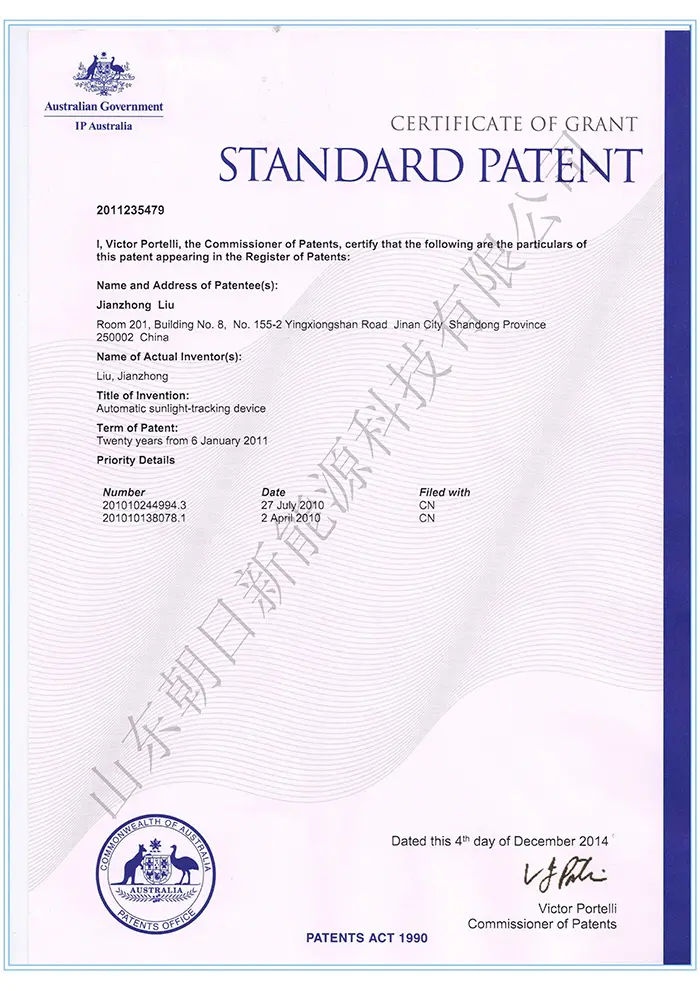
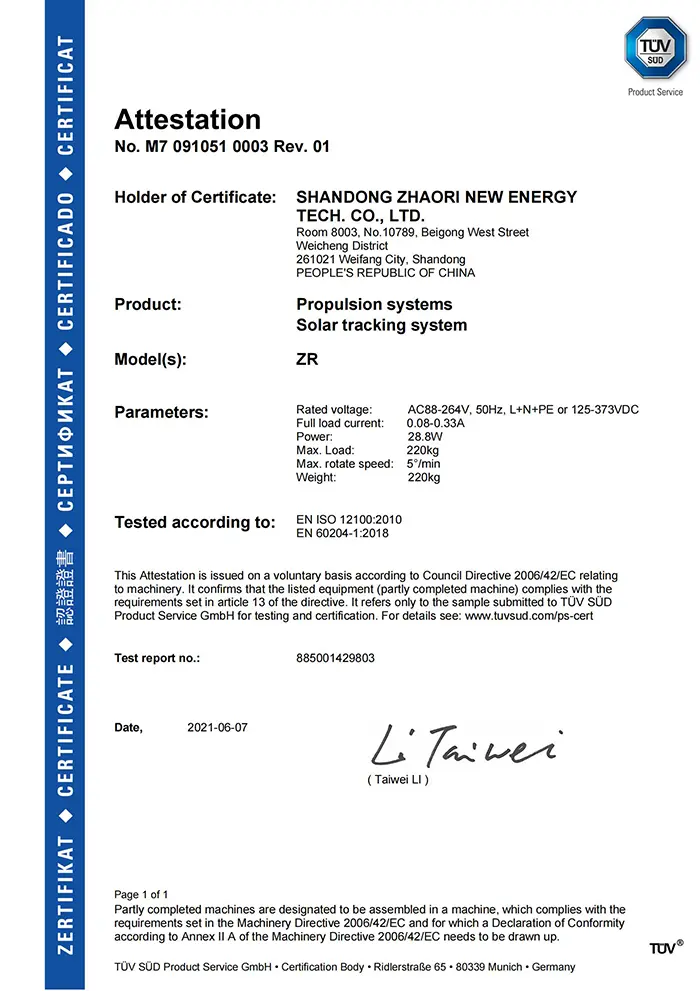
For Spanish developers, regulatory compliance is paramount. Our dual-axis trackers are engineered to meet the following standards:
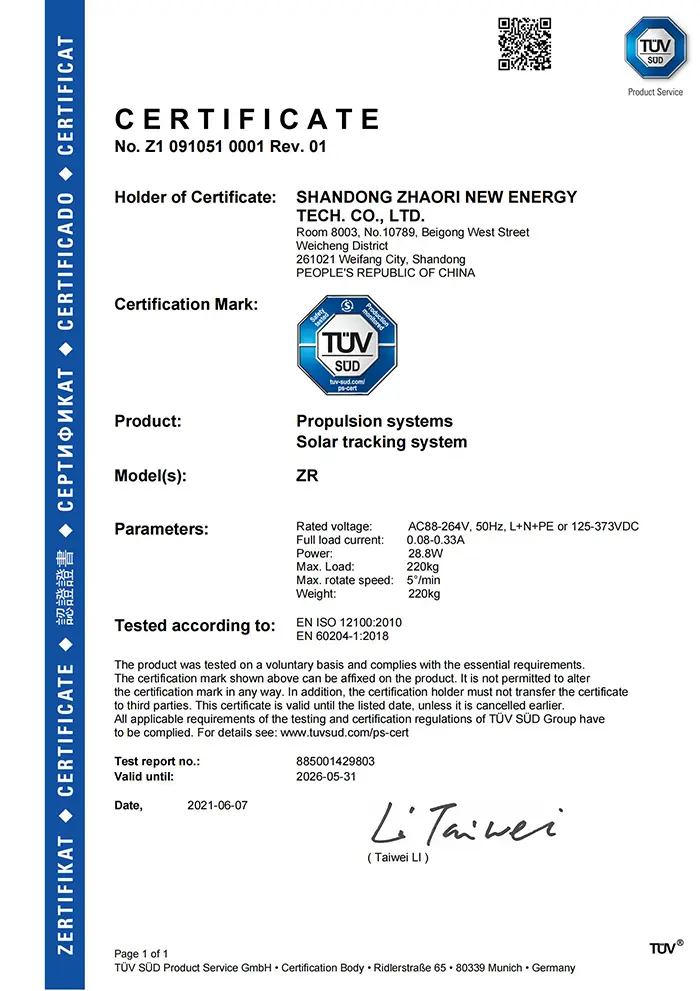
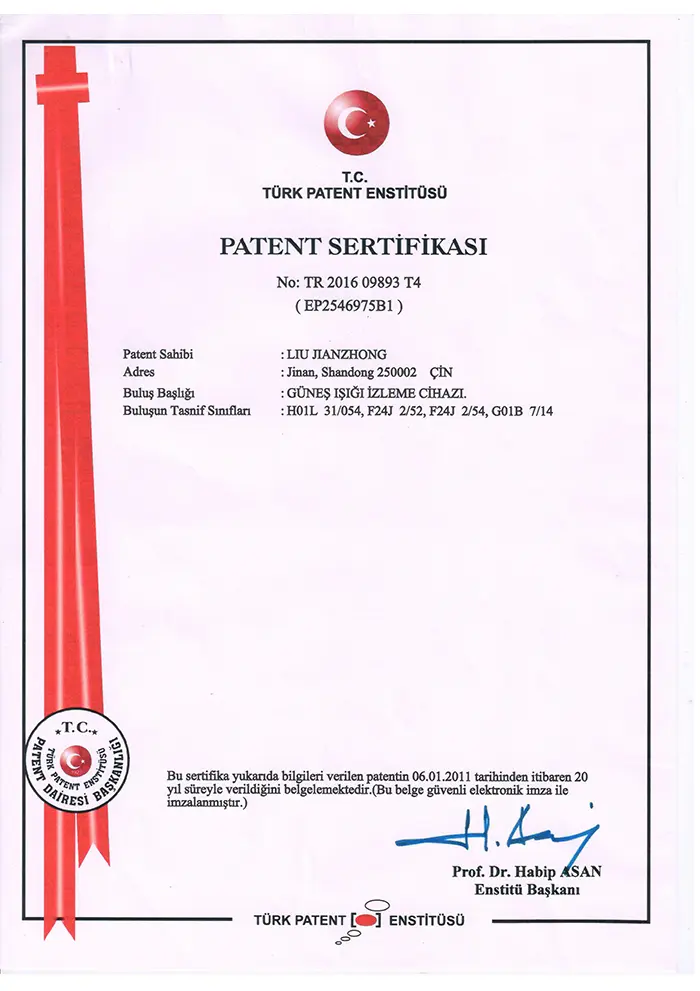

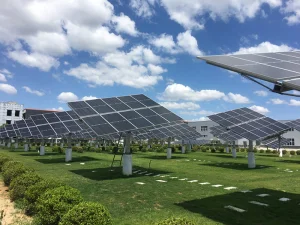
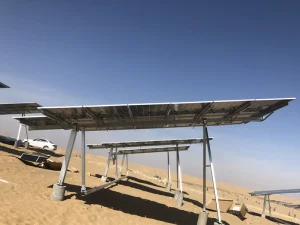
High-precision tracking in coastal environments.

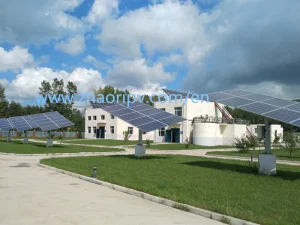
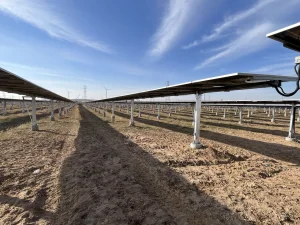
Optimized dual-axis for heavy industrial consumption.
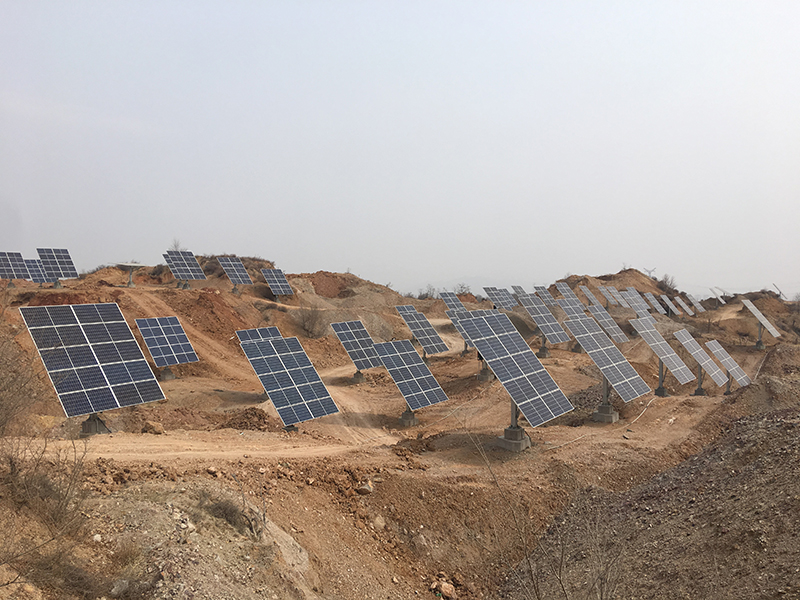
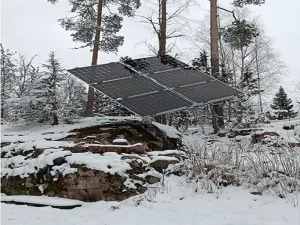
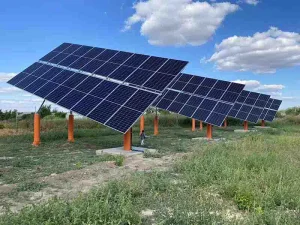
Terrain-adaptive tracking systems.
Given Spain's dusty environment (especially during "Calima" events), we recommend a semi-annual check of the mechanical actuators and a quarterly sensor cleaning to ensure peak accuracy.
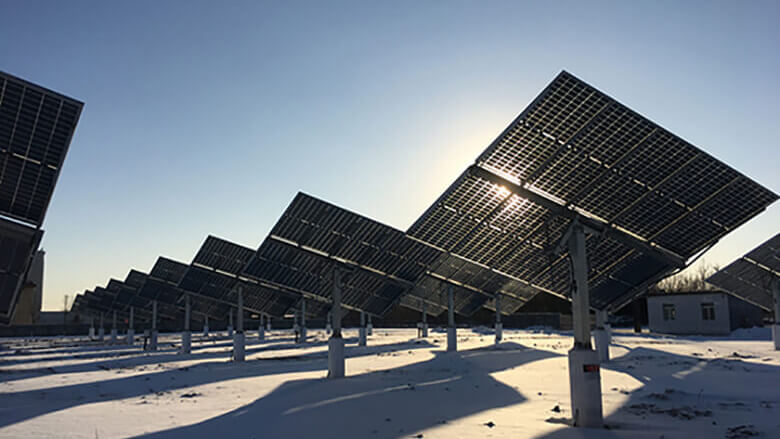
Our ZRD-10 and ZRD-08 models are equipped with industrial-grade anemometers. When wind speeds exceed 18m/s, the system automatically enters a horizontal stow position to minimize structural stress.
Yes, our current software includes a bifacial optimization mode that calculates the optimal tilt to capture maximum reflected light from the Spanish soil (Albedo gain).
Standard manufacturing takes 3-4 weeks, with sea freight taking approximately 30-35 days. We provide full DDP or CIF terms for our European clients.
 Zhaori