Designed for optimized albedo tracking, advanced load resistance, and streamlined mechanical installation.
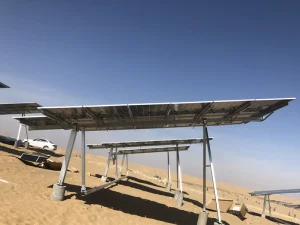
Designed for high-latitude applications to increase yield through optimized vertical angles.
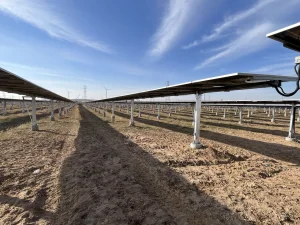
Maximizes solar irradiance utilization using standard architectural mounting profiles.
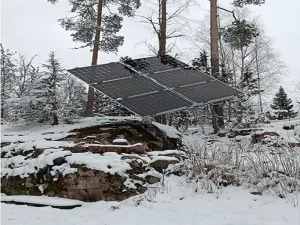
Offers real-time horizontal and vertical tracking to unlock absolute energy output efficiency.
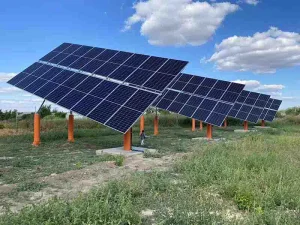
Features structural safety margins, ideal for variable industrial site constraints.
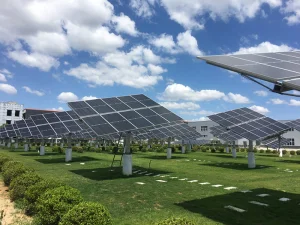
Precision engineered components produced with automated quality control loops.
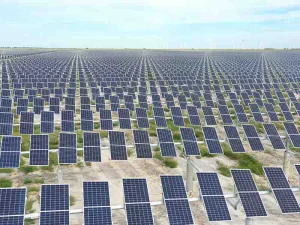
Enables higher structural density and optimal yield margins in complex topologies.
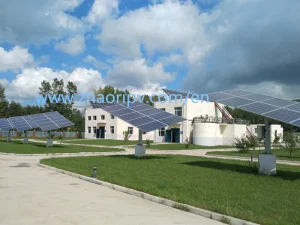
An economical balance of manual adjustments and active structural tracker reliability.
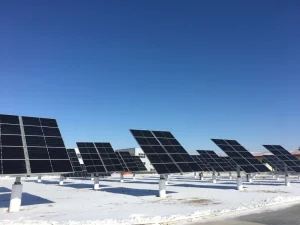
Advanced solar tracking architecture optimized for robust power output and minimal maintenance.
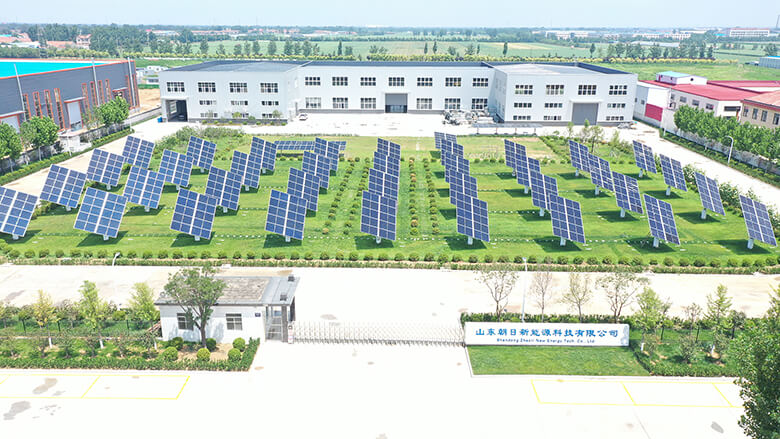
Established in June 2012, Shandong Zhaori New Energy Tech. Co., Ltd. has established itself as a technological pioneer in the renewable sector. Operating with sovereign intellectual property rights, we are dedicated to structural and electrical innovation in solar tracking mounting systems.
Our integrated framework comprises 10 core divisions, including our specialized R&D Department, Technical Support, Engineering, Quality Assurance (QA), Production, and Global Trade services. Over 60 R&D specialists and structural engineers lead our technology projects, drawing on more than a decade of specialized field experience to ensure our systems deliver long-term stability and energy yields.
An in-depth analysis of structural integrity, intelligent algorithm integration, and albedo optimization strategies.
Standard 1P (One-in-Portrait) configurations provide high structural rigidity, minimizing aeroelastic flutter during high-wind events. Alternatively, 2P (Two-in-Portrait) options reduce structural foundations and pile counts, which helps lower excavation and civil engineering costs on uneven terrains.
Our trackers use astronomical algorithms to follow the sun's path. During overcast conditions, they switch to diffuse light tracking to maximize absorption. Smart backtracking prevents row-to-row shadowing in early morning and late afternoon, helping to maintain stable power generation.
Integrating bifacial modules with single-axis tracking configurations optimizes back-side energy yield. Our tracking systems adjust tilt angles dynamically, using ground reflectance data (albedo) to maximize back-side generation by an additional 10% to 25%.
| Performance Metric | Traditional Fixed-Tilt Systems | ZRP Flat Single Axis Tracker | ZRT Tilted Single Axis Tracker | ZRD Dual Axis Tracking System |
|---|---|---|---|---|
| Energy Yield Gain (%) | Baseline Reference | +15% to +30% Yield Boost | +15% to +25% Yield Boost | +35% to +40% Maximum Yield |
| Terrain Adaptability | Moderate (Requires grading) | High (Adjustable slope tolerances) | High (Flexible geometric configurations) | Moderate (Requires flat plots) |
| Wind Mitigation Speed | Up to 60 m/s (Static structural) | Smart Stowage (up to 45 m/s active) | Smart Stowage (up to 45 m/s active) | Auto-stow (Horizontal configuration) |
| Maintenance & O&M Complexity | Minimal O&M | Low (Self-lubricating bearings) | Low to Moderate (Multi-point drive) | Moderate (Dual actuator alignment) |
Operating a manufacturing center of over 50,000 square meters, Shandong Zhaori New Energy integrates precision machinery and automated processes to meet utility-scale supply demands. Our production floor features CNC machine tools, high-speed fiber laser cutting systems, automatic welding robots, and plasma cutters across multiple specialized fabrication lines.
With a monthly capacity of 500MW, our facility handles structural steel preparation, cold roll forming, robotic welding, anti-corrosion hot-dip galvanization, structural testing, and protective packing. Every process stage is governed by strict ISO quality control protocols to ensure structural components operate reliably over their planned lifecycle.
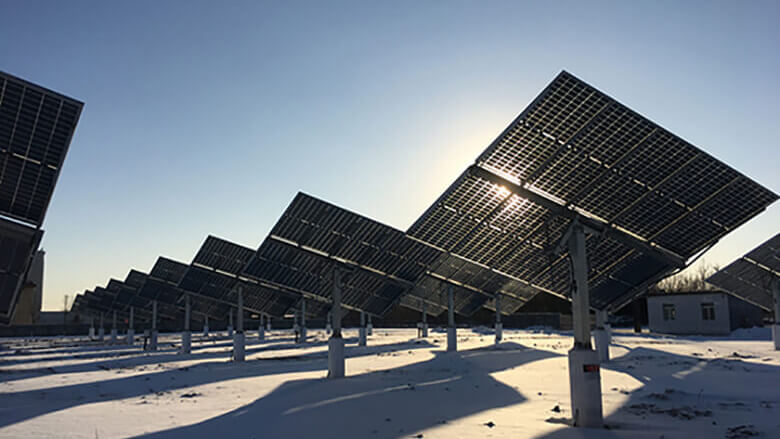
Ensuring system durability in diverse conditions, from desert environments to high-latitude snowy regions.
Our trackers are designed with IP66-rated enclosures and self-lubricating bearings to prevent sand and dust ingress. These sealing solutions help minimize abrasive wear on drive systems and mechanical hinges in arid climates.
Equipped with specialized sensors, our systems enter snow-shedding mode in heavy snow conditions. The tracker tilts to steep angles to shed snow load, protecting the modules and structural frames from excessive weight.
To support dual-use farming projects, our systems can be configured with elevated foundation posts (up to 3 meters). This clearance allows agricultural equipment to pass underneath and supports vegetation growth.
Explore our structural installations demonstrating operational reliability across diverse terrains and climates.
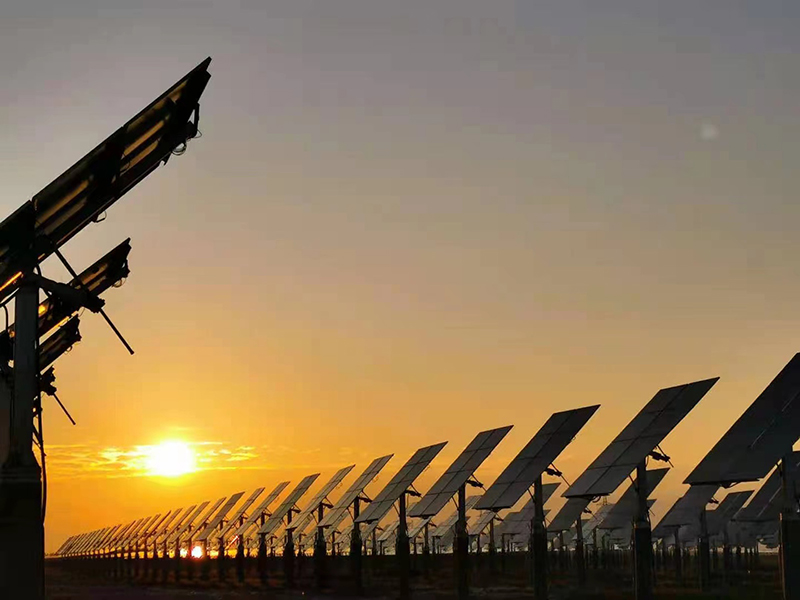
5MW Dual-Axis Installation - North China
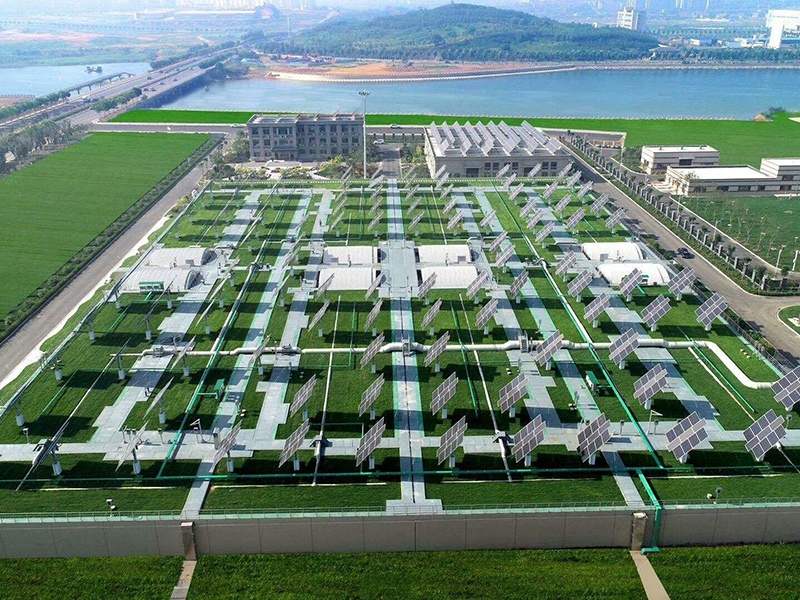
Intelligent Industrial Rooftop Facility
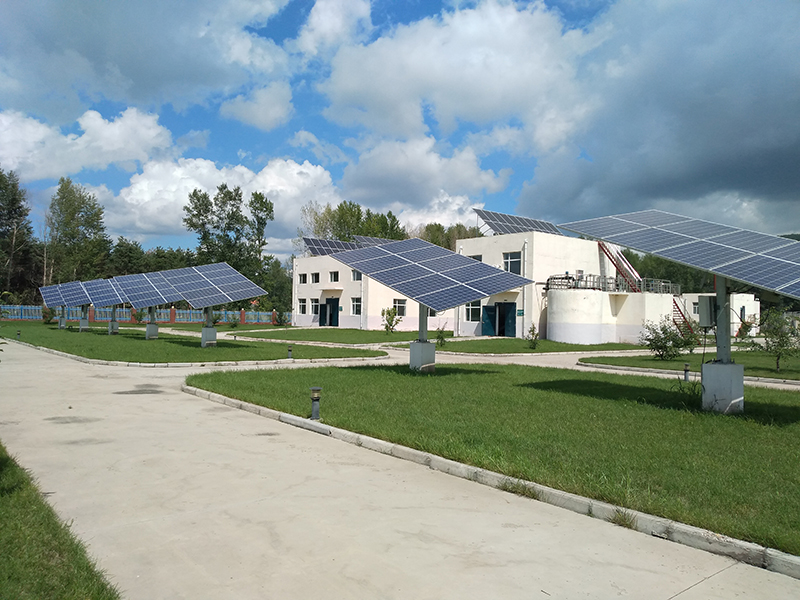
Infrastructure Green Belt PV Integration
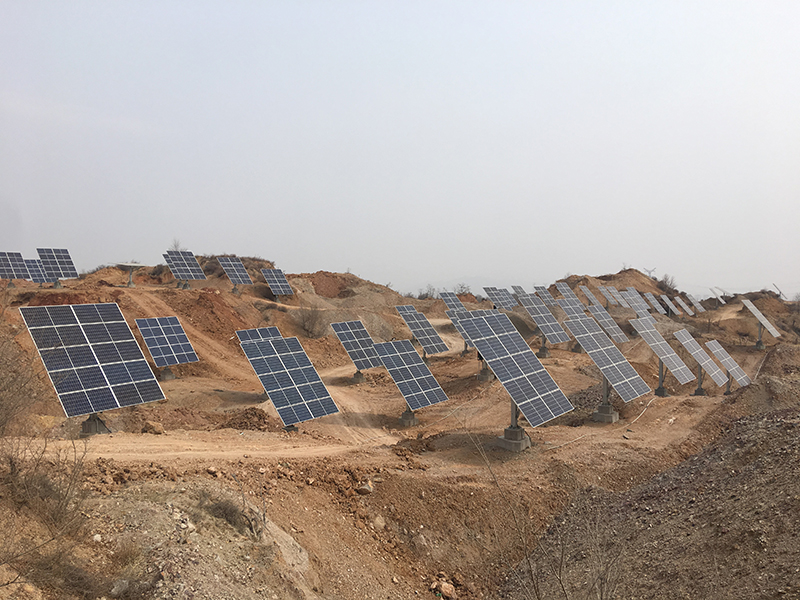
High-Slope Mountainous Terrain Project
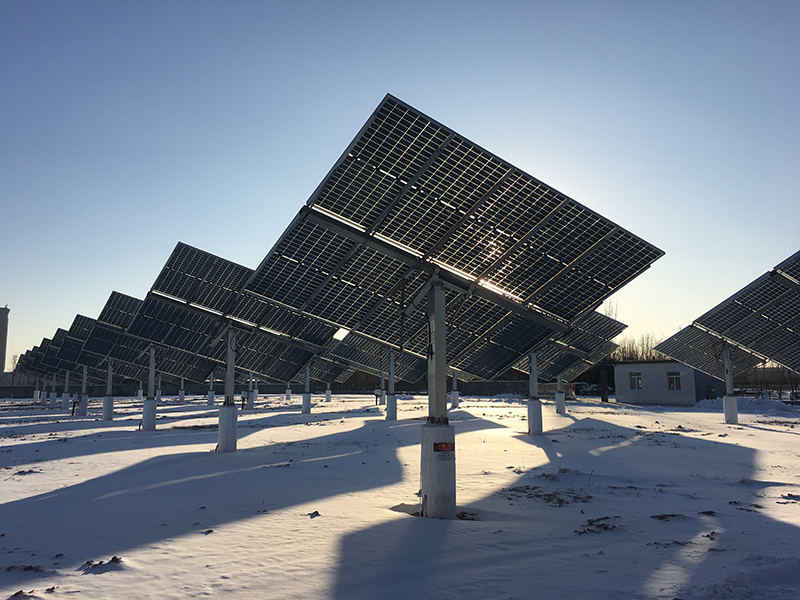
Cold Zone Operation Post-Heavy Snowfall
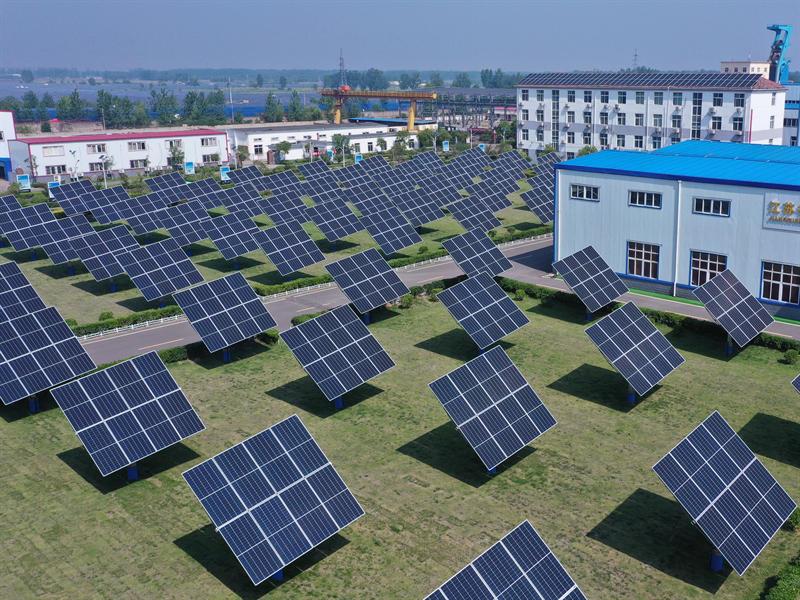
ZRD-08 Multi-Megawatt Utility Array
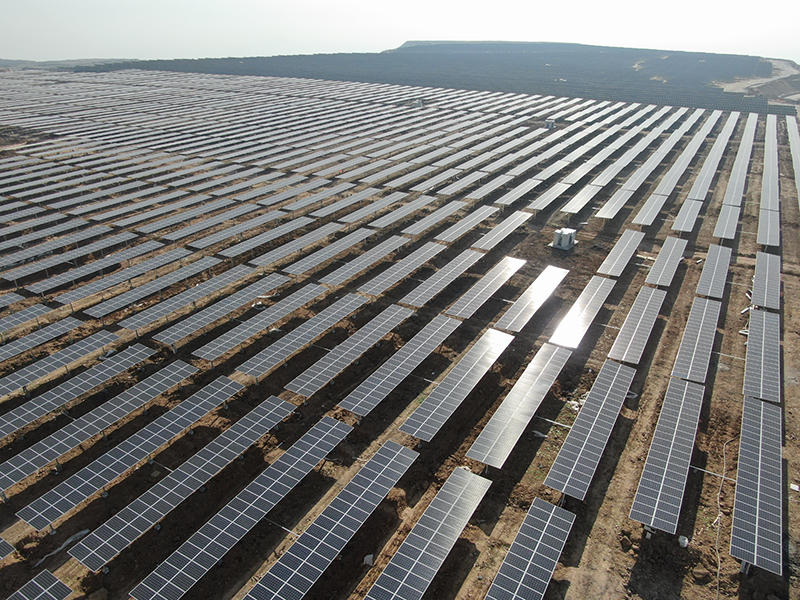
20MW Utility Project - Central China
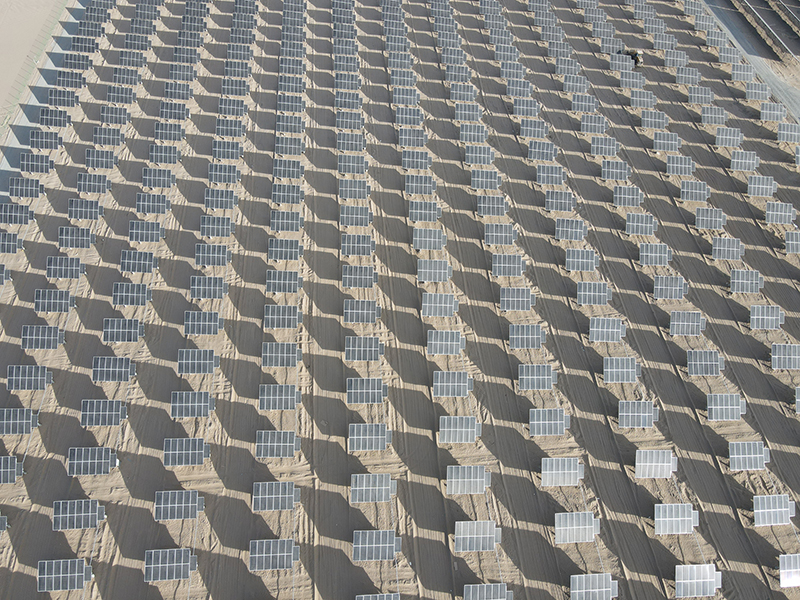
20MW Tilted Tracker System - Desert Region
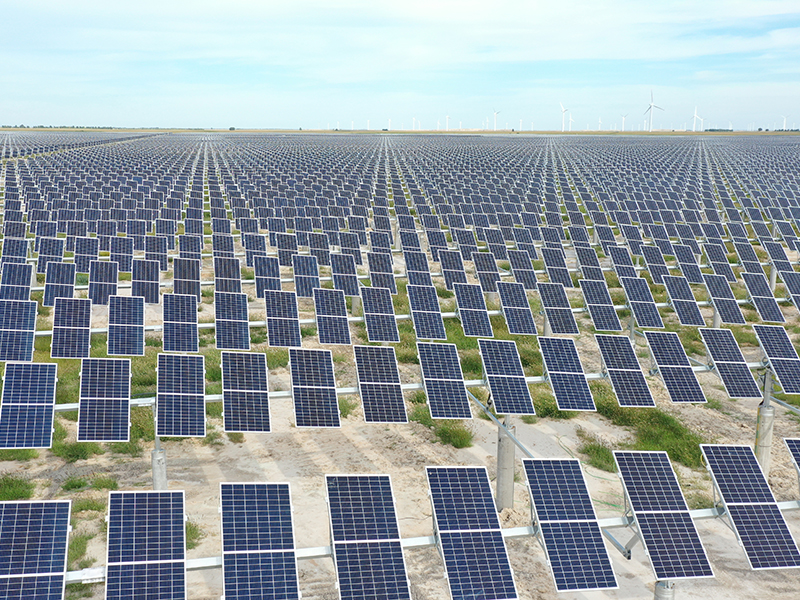
40MW Flat Tracker with Inclined Modules
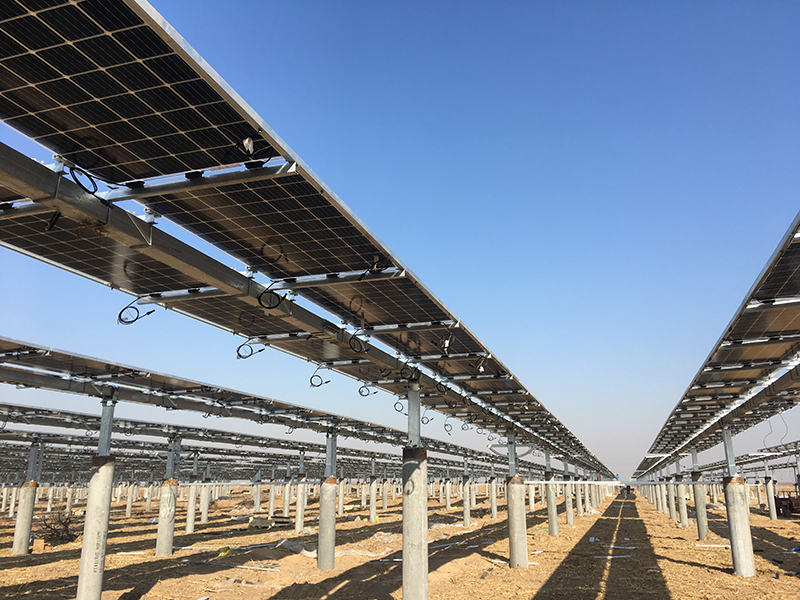
110MW Bifacial Module Tracker Deployment
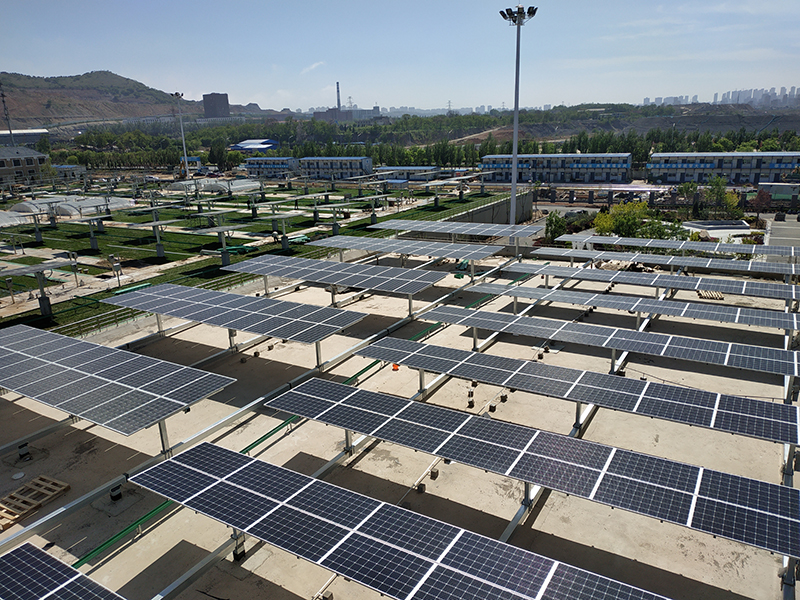
Commercial Rooftop Single Axis Installation
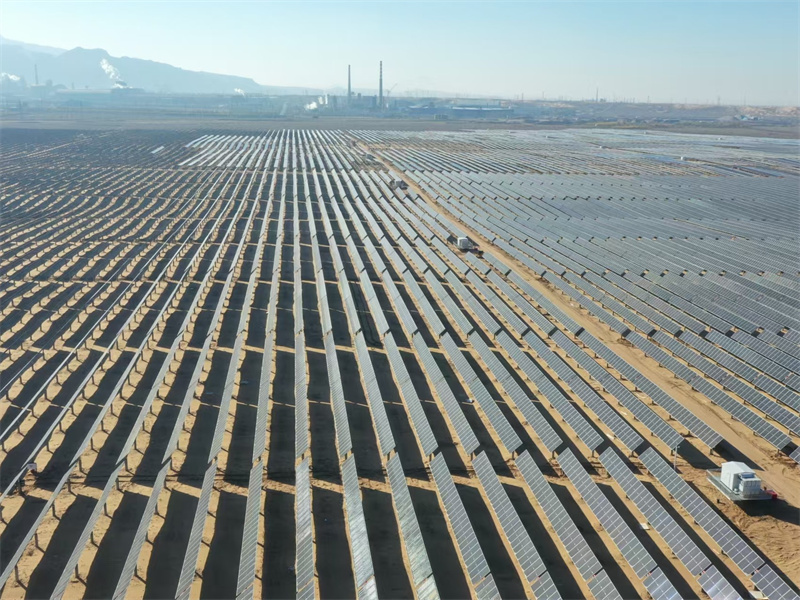
360MW Utility-Scale Tracker Project - Arid Plain
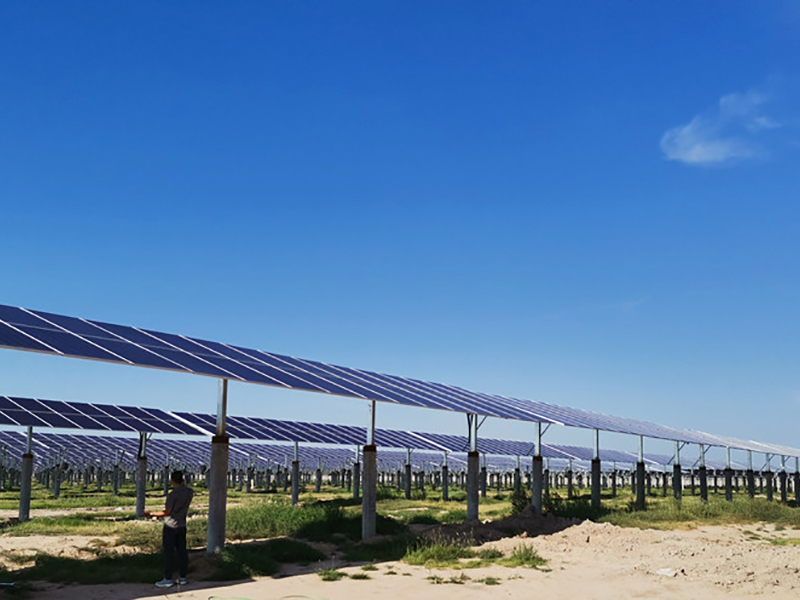
50MW SPIC Power Station Installation
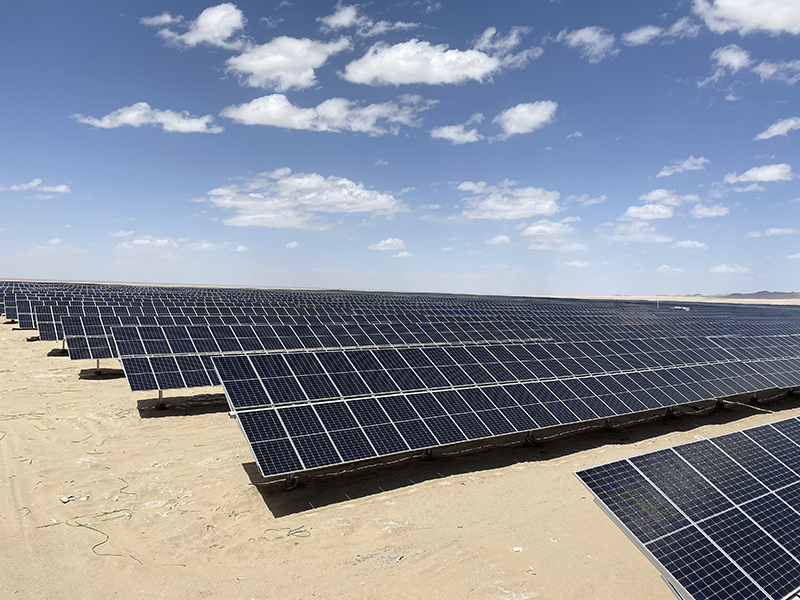
20MW Heavy-Duty Desert Fixed Mounting System
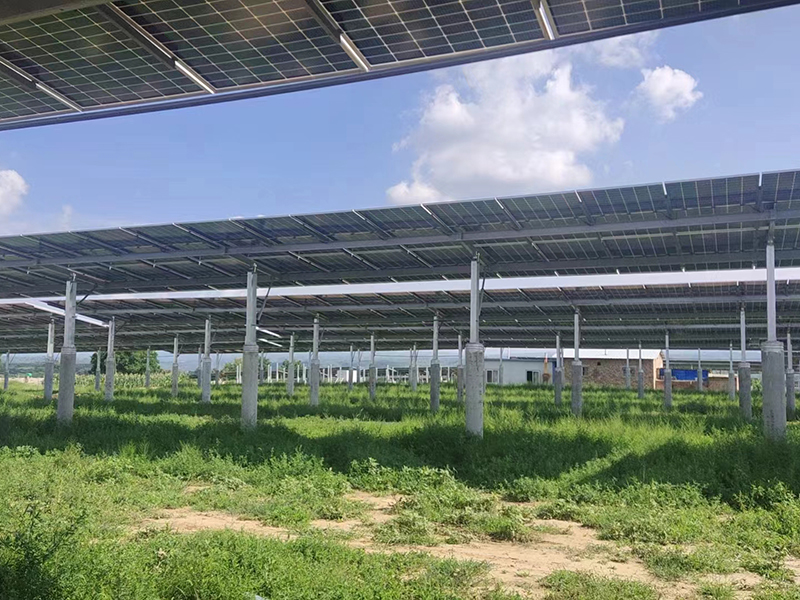
110MW Mountainous Fixed Mounting - Shanxi
Observe our solar tracking systems in active operation across various global project locations.
Key quality, verification, and logistics guidelines for EPCs, developers, and solar project coordinators.
To ensure structural compliance and lifetime reliability on utility projects, global procurement teams should verify the following specifications:
Answers to technical questions about single and dual-axis solar tracking systems.
A flat single-axis solar tracking system typically increases energy yields by 15% to 30% compared to traditional fixed-tilt systems. The exact yield increase depends on local solar irradiance, ground albedo values, and module orientation.
Our solar trackers include wind sensors and high-speed dampers to manage wind loads. When winds exceed pre-set thresholds, the control system triggers an auto-stow sequence, tilting the array to a horizontal position to reduce wind drag.
We apply hot-dip galvanization (HDG) with coating thicknesses of 85 microns or more, or utilize specialized Zinc-Aluminum-Magnesium (ZAM) coatings. These treatments provide long-term corrosion resistance in ISO C4 and C5 atmospheric environments, including coastal areas.
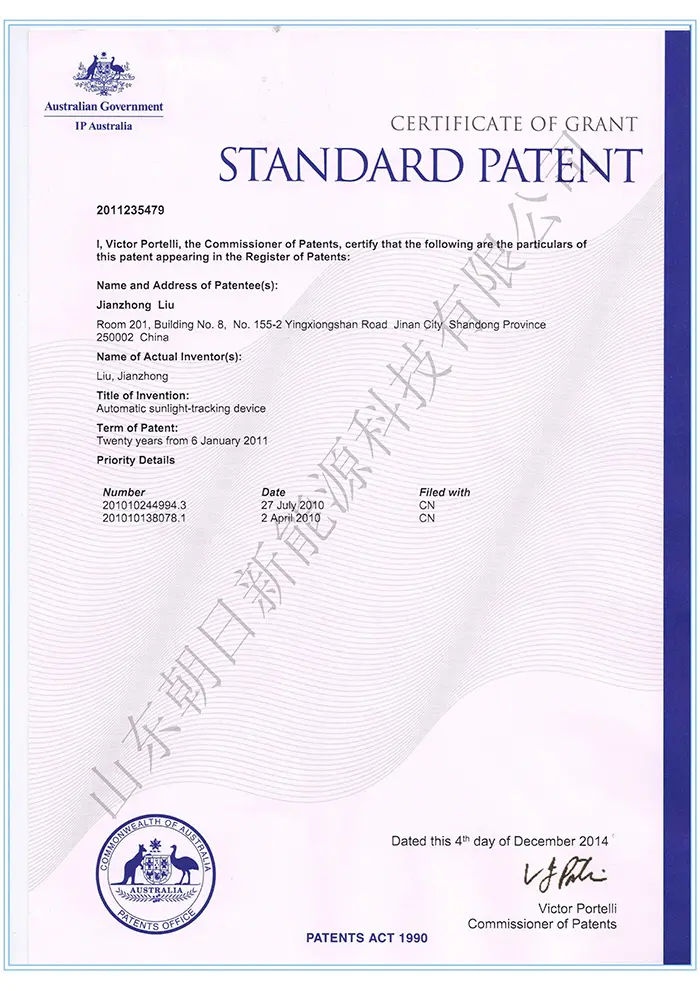
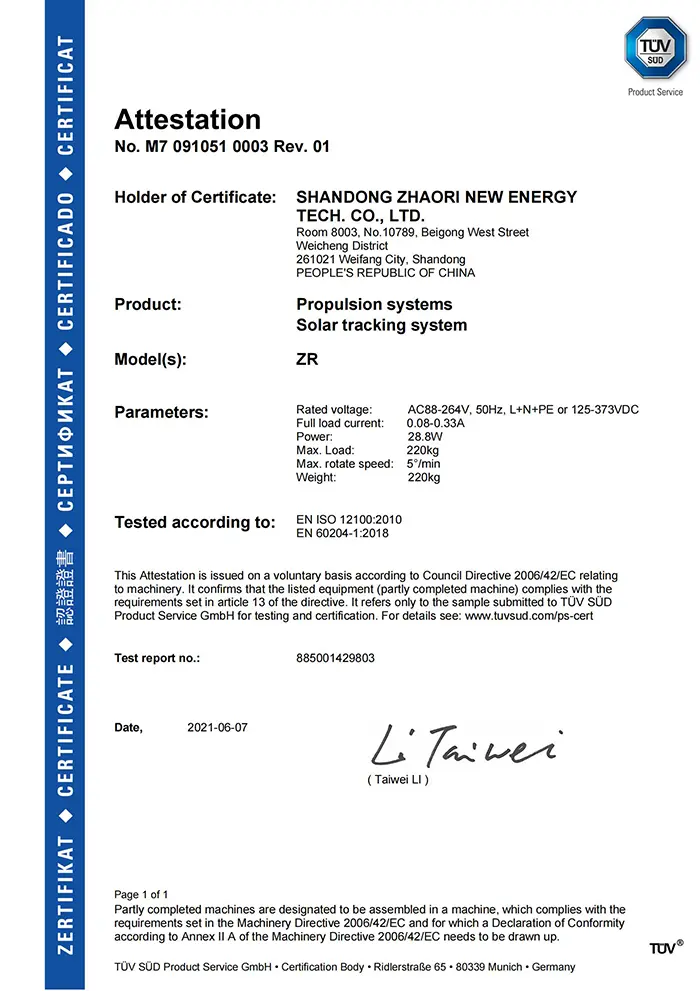
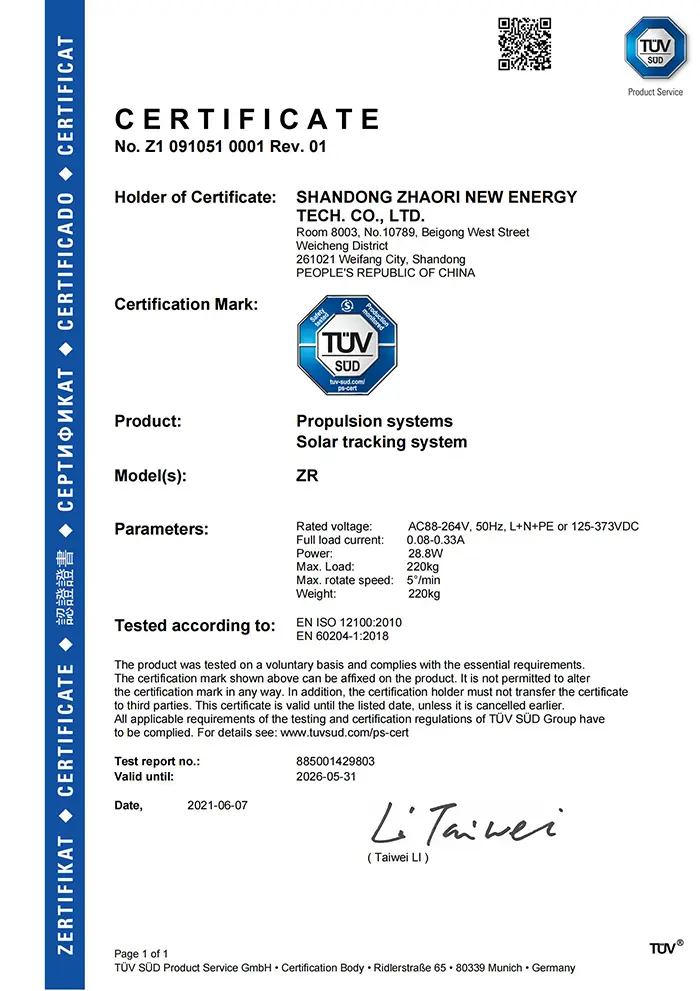
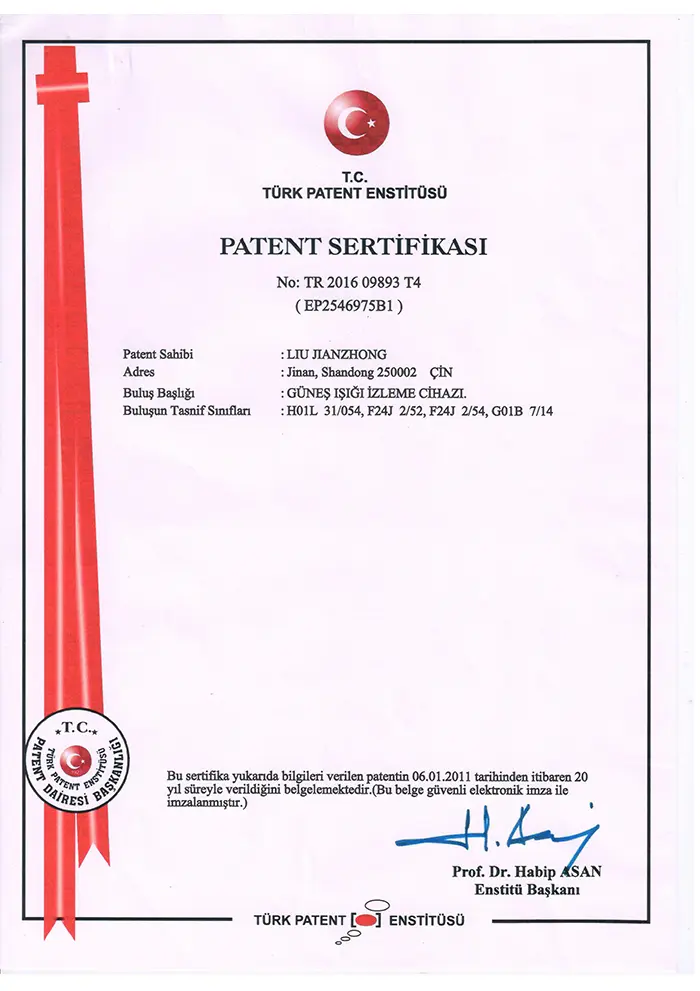
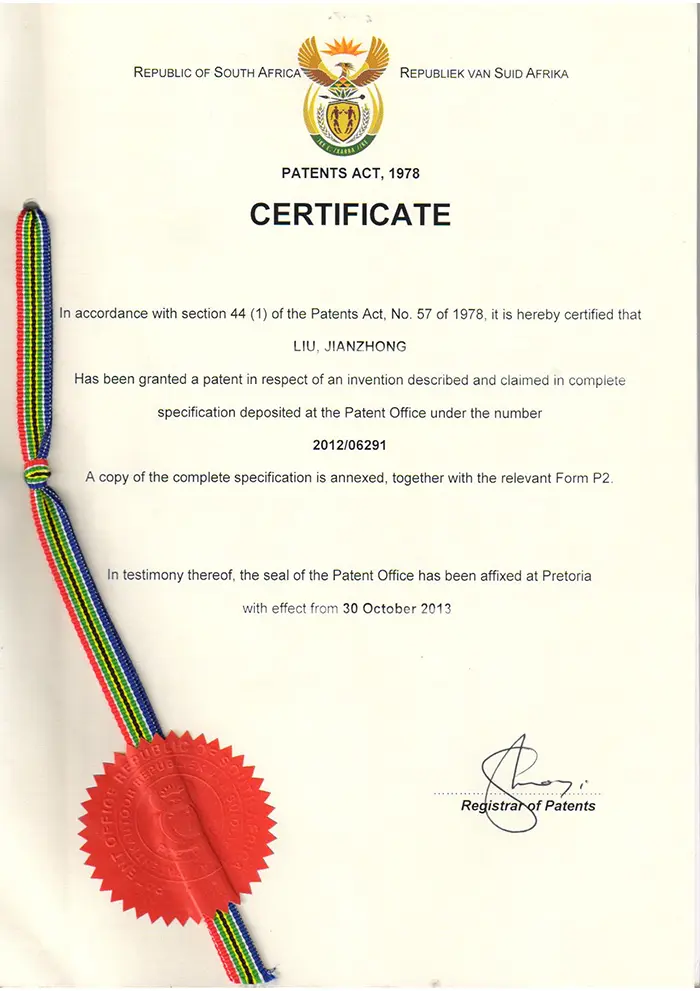
Our products have obtained patents of invention from the Europe Patent Office, the United States, Canada, Australia, Japan, South Korea, Thailand, India, and Brazil, as well as 8 Chinese National Invention Patents and more than 30 Utility model patents. In addition, we are fully certified under TUV, CE, and ISO management systems, validating compliance with global structural safety standards.
Our commitment to quality is backed by international certifications and patents across major markets.

Direct supply options for EPC integration, offering reliable engineering and factory-direct pricing.
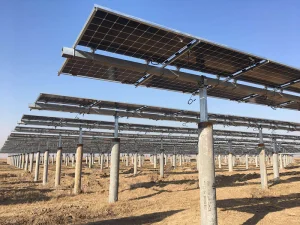
Engineered for large-scale setups, providing structural reliability and stable operation.
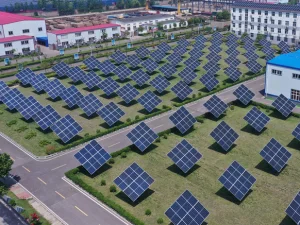
Equipped with double-axis positioning drives to improve yield performance throughout the day.
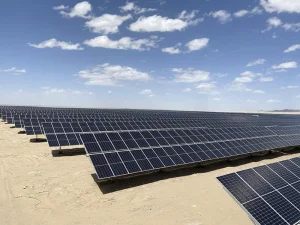
Offers seasonal angle adjustment options to balance structural simplicity and yield optimization.
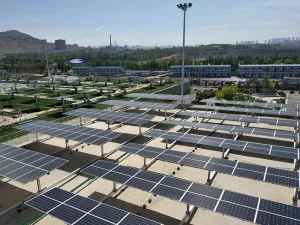
Features dual-row integration to optimize site layout density and pile counts.
Designed for high-latitude applications to increase yield through optimized vertical angles.
Maximizes solar irradiance utilization using standard architectural mounting profiles.
Offers real-time horizontal and vertical tracking to unlock absolute energy output efficiency.
Features structural safety margins, ideal for variable industrial site constraints.
 Zhaori