Explore our high-performance single-axis and dual-axis trackers engineered to dynamically capture maximum solar irradiation throughout the day.
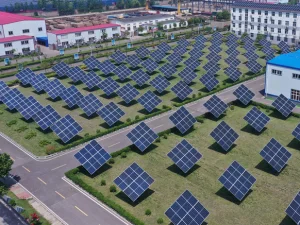
High-precision tracking path optimization designed for maximum output utility-scale power projects. Ensures uninterrupted operation in harsh environmental conditions.
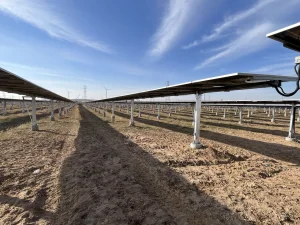
Optimized 1P configuration offering exceptional structural reliability, easy installation, and cost-effective ground-mount performance for global projects.
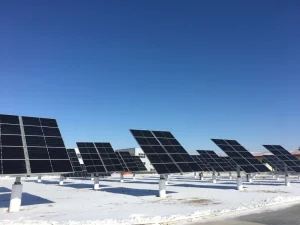
Our premier multi-axis design replicating sunflower motion. Elevates energy capture efficiency by up to 35-40% compared to traditional fixed-tilt systems.
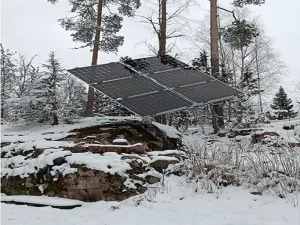
A cost-effective, heavy-duty dual-axis tracking solution featuring advanced control systems to maintain optimal PV panel angle relative to the sun.
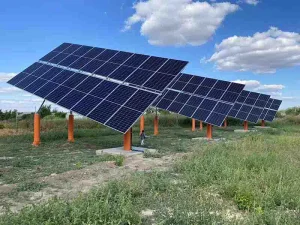
Featuring a 10° to 30° tilt angle for enhanced seasonal alignment, generating 15% to 25% more output power for medium and utility-scale installations.
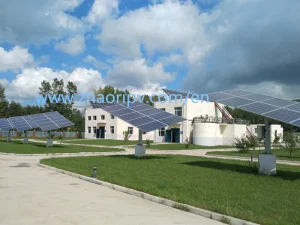
Combines mechanical durability with cost-effective semi-automated adjustment controls. Highly recommended for regions with specific seasonal shifts.
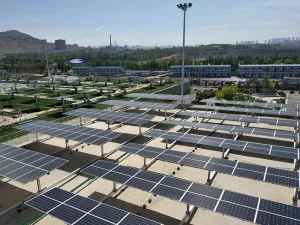
Heavy-duty dual-row linked structural configuration optimized for bifacial modules. Delivers outstanding performance under high wind load environments.
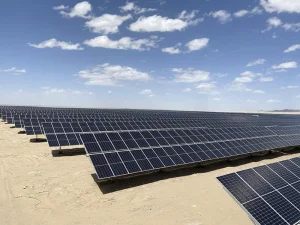
Robust hot-dip galvanized mounting structures with manual inclination adjustments. Seamless adaptability for complex topography and soils.
An in-depth analysis of structural engineering, astronomical algorithms, and supply chain reliability in global clean energy infrastructures.
The global transition toward high-density photovoltaic power generation necessitates technologies that optimize the angle of incidence of solar radiation. Sunflower solar trackers—modeled after heliotropism in nature—represent the pinnacle of active orientation systems. Unlike static array structures that experience significant cosine loss outside of solar noon, dual-axis sunflower tracking systems utilize complex astronomical algorithms and real-time sensor feedback to maintain a perpendicular alignment with the sun's rays throughout the day.
This active orientation dramatically flattens the generation curve, transforming the typical peak-only curve into a broad, stable output profile. Engineering field studies demonstrate that dual-axis configurations increase energy output by 35% to 40% over fixed structures, and 15% to 20% over standard single-axis horizontal configurations. By mitigating systemic yield loss, developers can secure superior Internal Rates of Return (IRR) on capital-intensive PV installations, particularly in regions with high solar resource variations.
The modern solar industry is undergoing a rapid convergence of bifacial panel technology and intelligent software-driven tracking. Standard tracking algorithms align panels directly with the sun. However, this direct alignment can lead to mutual shadowing during early morning and late afternoon hours, where one row blocks the light of the adjacent row.
To resolve this, modern sunflower solar trackers utilize AI-driven backtracking algorithms. By integrating topological data (terrain slope, ground reflectivity, and diffuse light conditions) with dynamic tracking, the system continuously adjusts the panels to avoid shadowing while maximizing rear-side albedo energy absorption. This integration is crucial for maximizing the return on investment of bifacial setups, as even a small shadow on a panel row can lead to substantial power losses across the entire string.
Shandong Zhaori New Energy Tech. Co., Ltd. is a high-tech and new energy company based on independent intellectual property rights. Our company was founded in June 2012 and we have 10 departments including R&D department, technical department, engineering department, production department, quality assurance department, development department, foreign trade department, domestic trade department, I.M.D. department and so on.
There are more than 60 professional technology talented employees in our company. And our team focuses on photovoltaic power stations and solar tracking technology for more than 10 years. With a strong commitment to quality and scientific innovation, we drive utility success globally, maintaining key operations that ensure seamless pre-sale engineering, structural certification, and lifetime operational support.
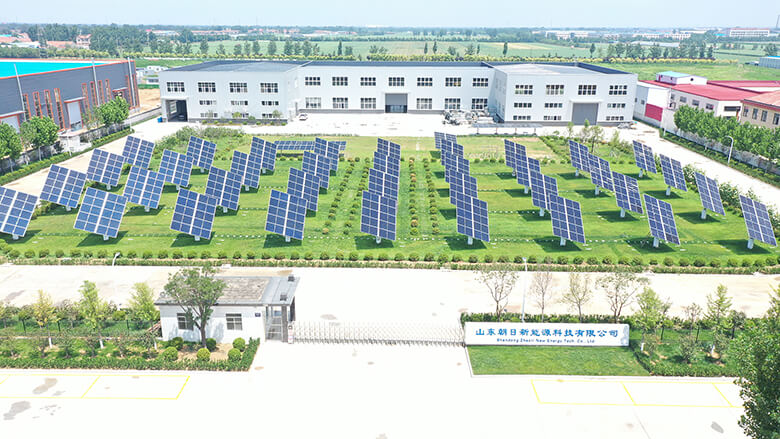
Our factory covers an area of 50,000 square meters, with a series of advanced production equipment, such as CNC machine tools, laser cutting machines, automatic welding robots, plasma machines, and dozens of production lines. There are more than 300 production workers and our production per month will be 500MW.
The products are manufactured from raw material screening, cutting, welding, forming, anti-rust treatment, post-processing, inspection and packaging, with strict quality control and level by level control, and in strict accordance with the requirements of quality management system certification. Our vertically integrated fabrication capability ensures that structural steel, drive components, and control units meet the most rigorous tolerance requirements.
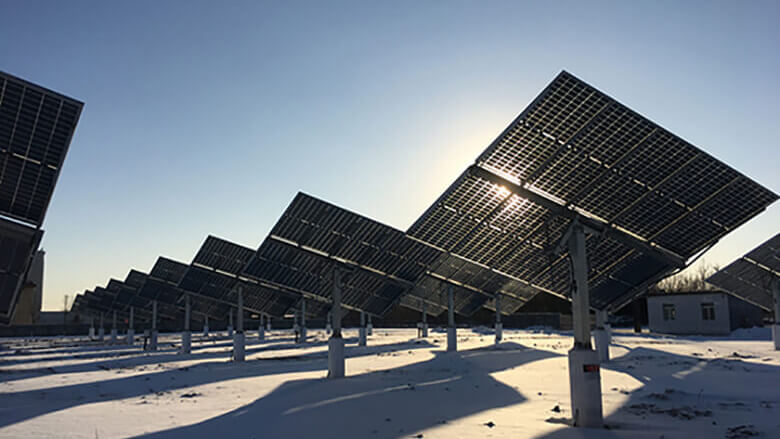
Understanding the strict standards required by EPCs, developers, and asset owners for high-yield tracking systems.
Procuring utility-grade tracking machinery requires meeting stringent international standards. Financial institutions backing large-scale solar projects demand products with proven design durability, comprehensive warranties, and bankability. Shandong Zhaori New Energy designs its systems to satisfy these demands:
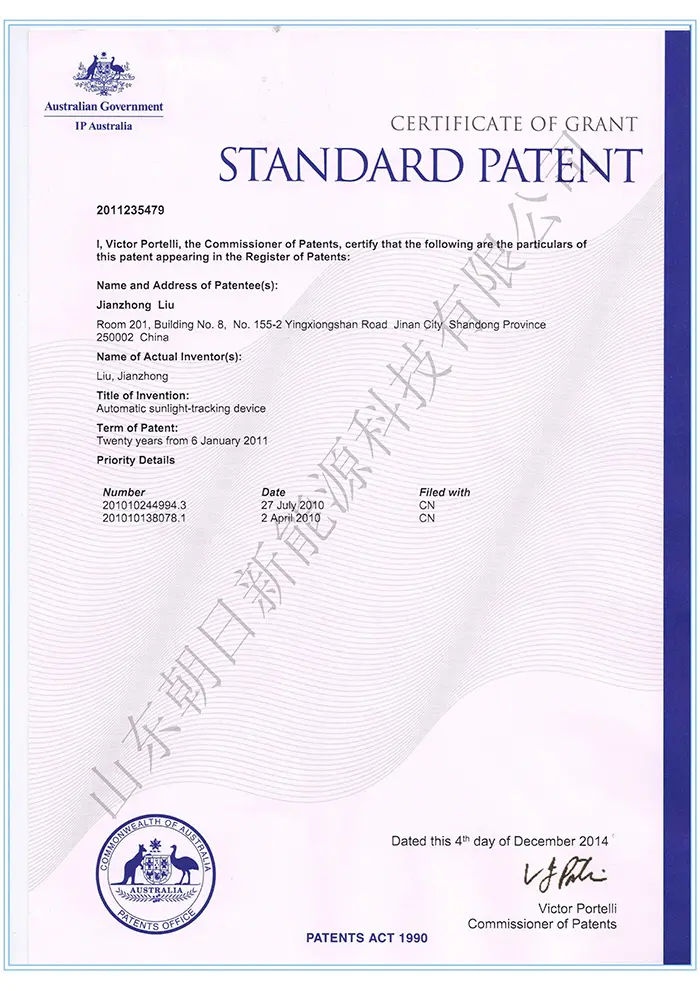
Our products have obtained patents of invention from the Europe Patent Office, the United States, Canada, Australia, Japan, South Korea, Thailand, India, Brazil, South Africa, etc., as well as 8 Chinese National Invention Patents and more than 30 Utility model patents. We have also obtained TUV, CE, and ISO certifications.
Our structures utilize premium hot-dip galvanized steel (minimum coating thickness of 85 microns) to resist corrosion in harsh C4 and C5 environments. Integrated wind-tunnel design allows the trackers to withstand wind speeds of up to 45m/s, utilizing automated safety stow modes when wind limits are reached.
Our principle is simple, reliable, and effective. We provide perfect customized solutions and professional operation and maintenance services based on our rich experience in PV bracket design, ensuring optimal performance for residential, commercial, and utility-scale projects.
Our systems are deployed across diverse terrains and climates. From sub-zero northern plains to high-temperature desert regions, Shandong Zhaori structures deliver consistent, high-yield performances.
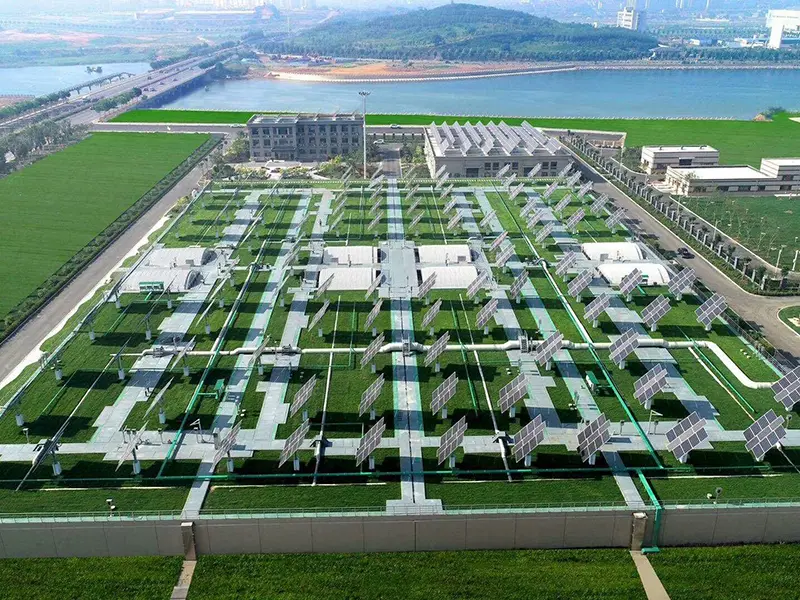
Optimizing limited rooftop spaces using lightweight, high-load structures.
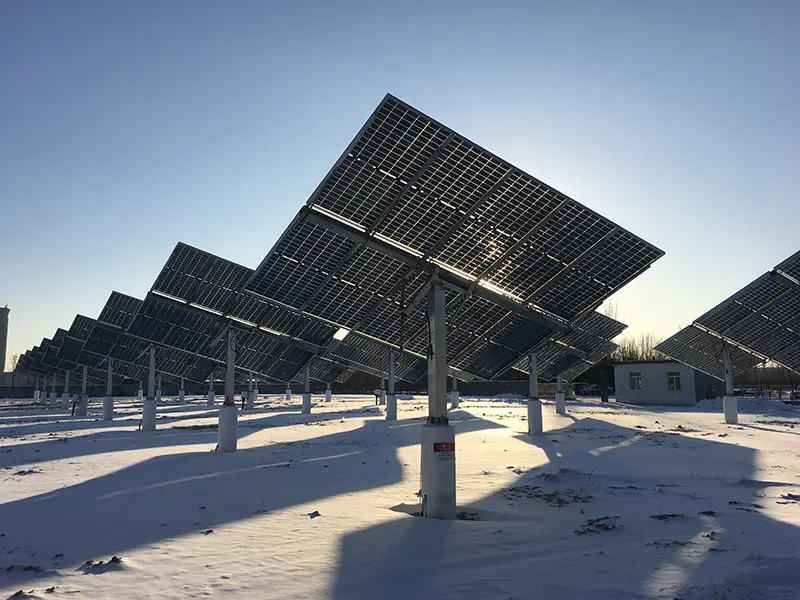
Automated snow-dump modes reduce structural stress during winter conditions.
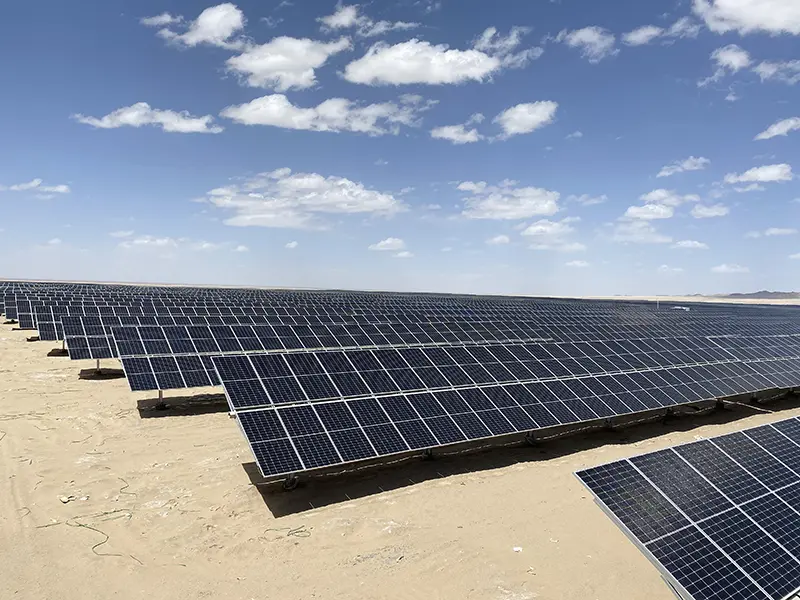
Sealed drive components and anti-dust algorithms ensure reliable desert operations.
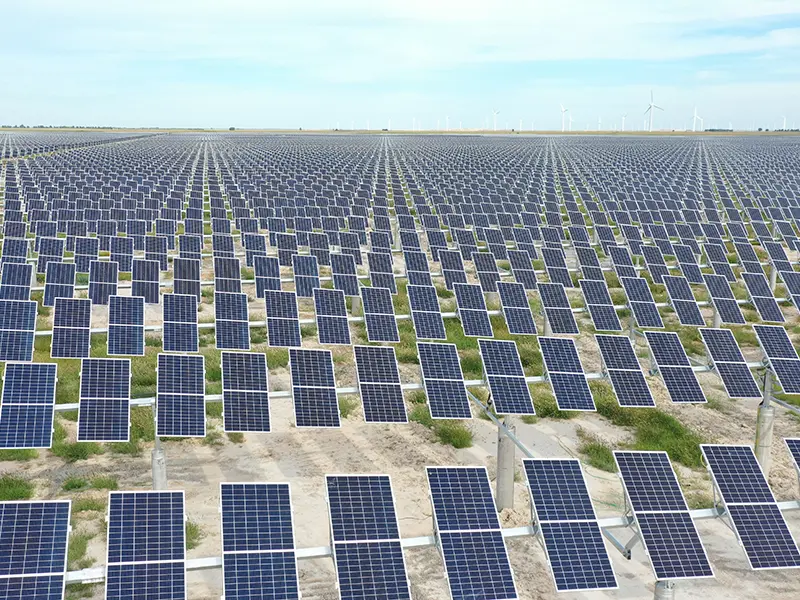
Flat single axis configuration featuring inclined modules for enhanced yield.
Below are representative installations that showcase our capacity to customize, design, and deliver tracking solutions for complex project sites.
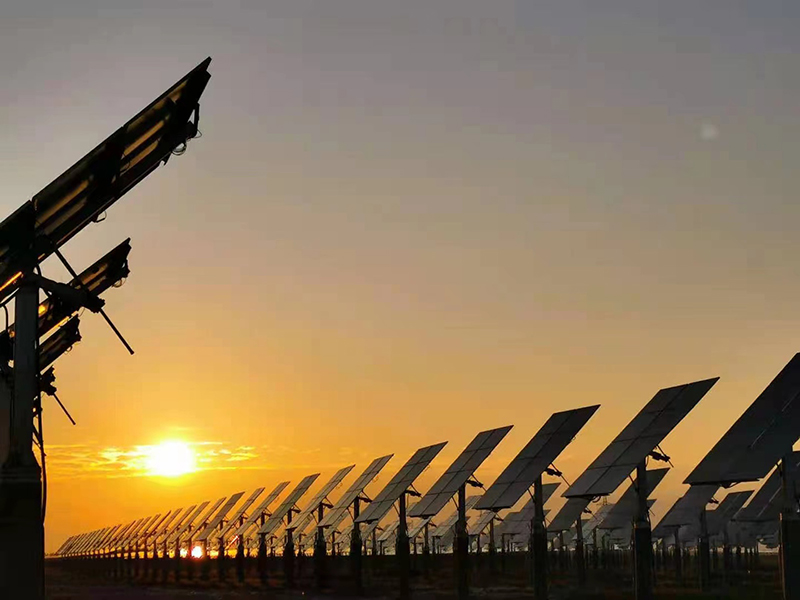
Utilizing ZRD dual axis trackers to overcome winter shading and maximize output yields in low-temperature regions.
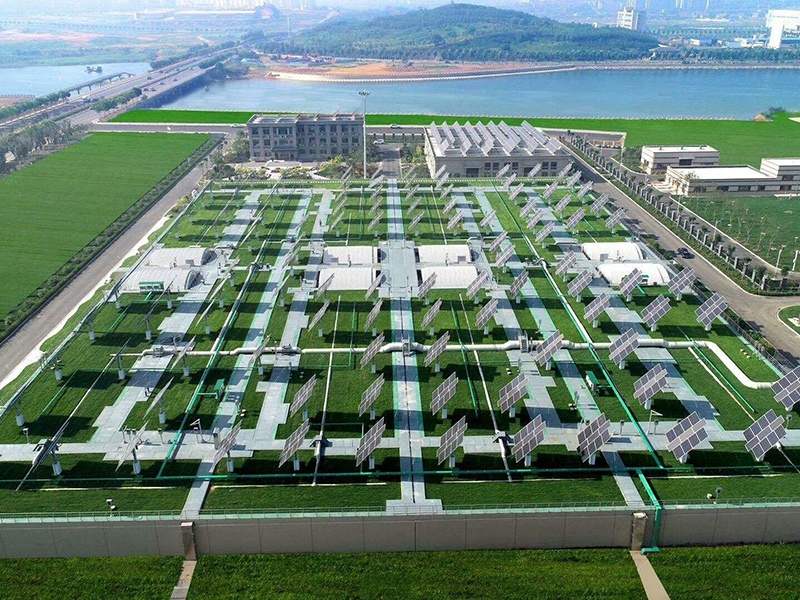
On-site commercial generation configuration designed to match peak load profiles with tracking performance.
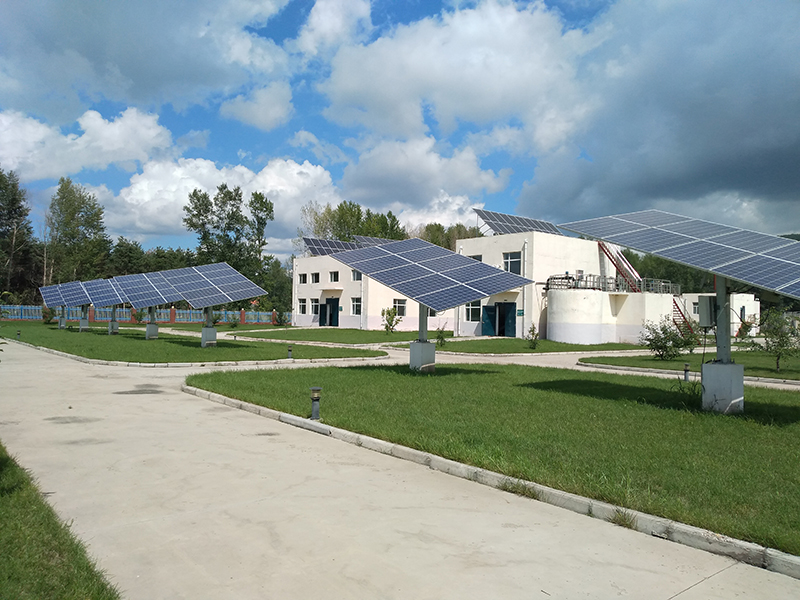
High-clearance structures allowing agricultural machinery usage underneath tracking panels.
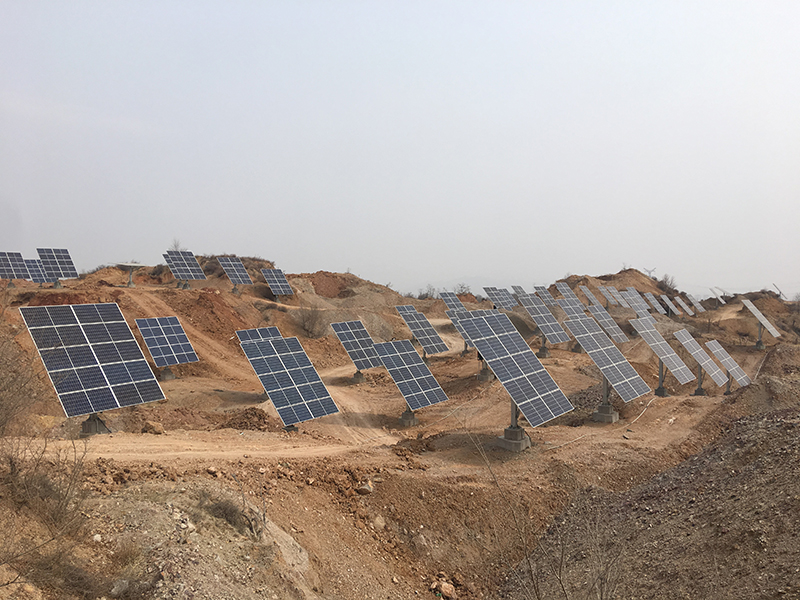
Flexible alignment adjustments that allow tracker installation on steep slopes and uneven terrains.
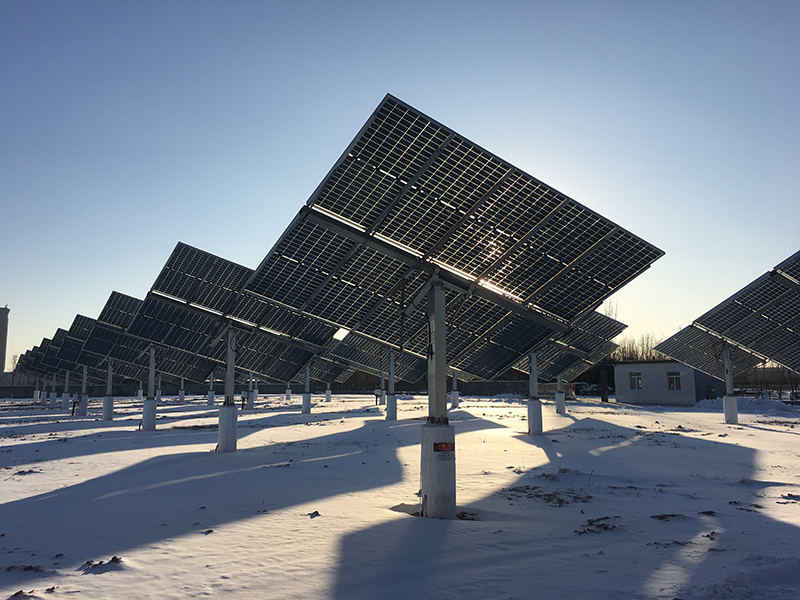
Real-time sensor integration that triggers active panel tilting to prevent structural load failure from heavy snow.
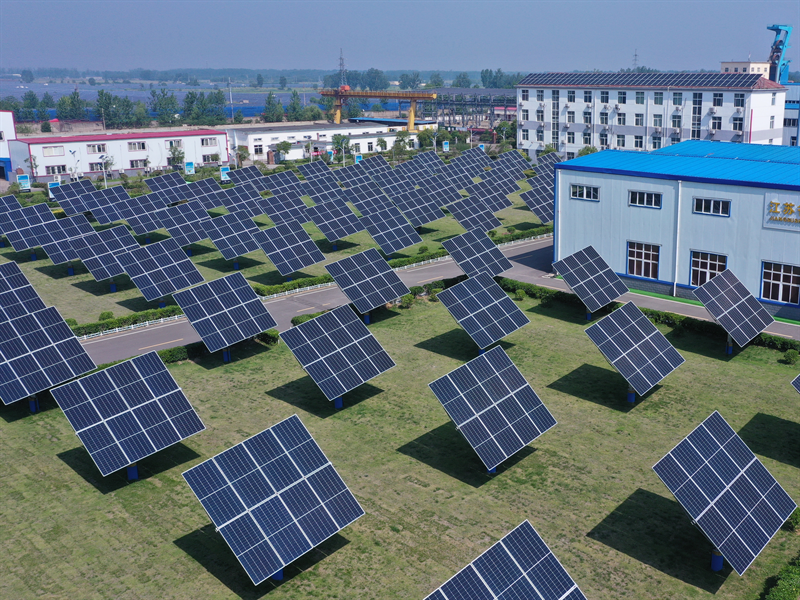
Optimized dual-axis tracking system delivering up to 40% yield improvement over fixed-tilt systems.
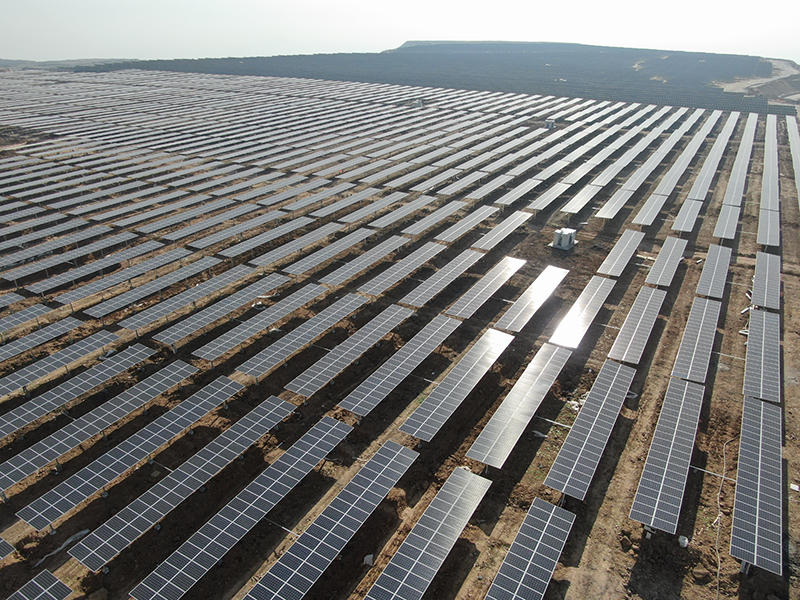
Single-axis flat layout optimized for local seasonal solar conditions.
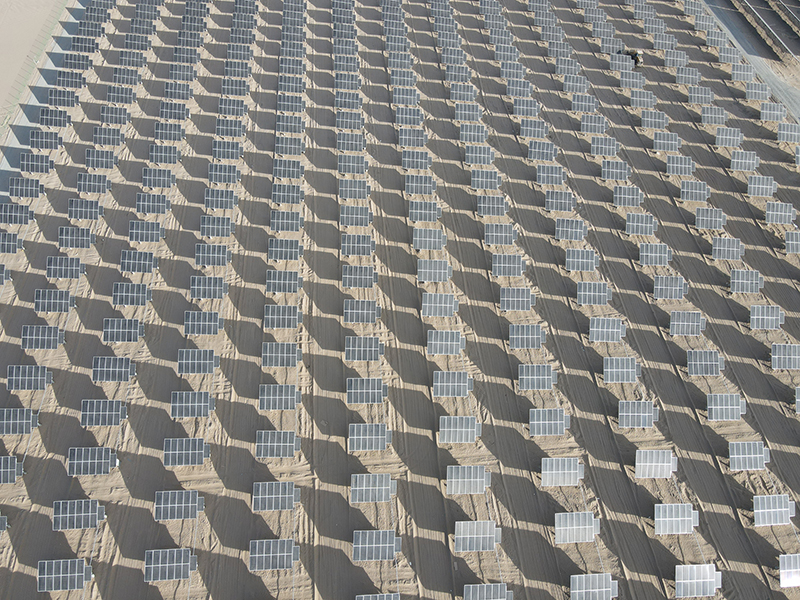
Tilted single-axis structures designed to prevent high-speed wind sand abrasion.
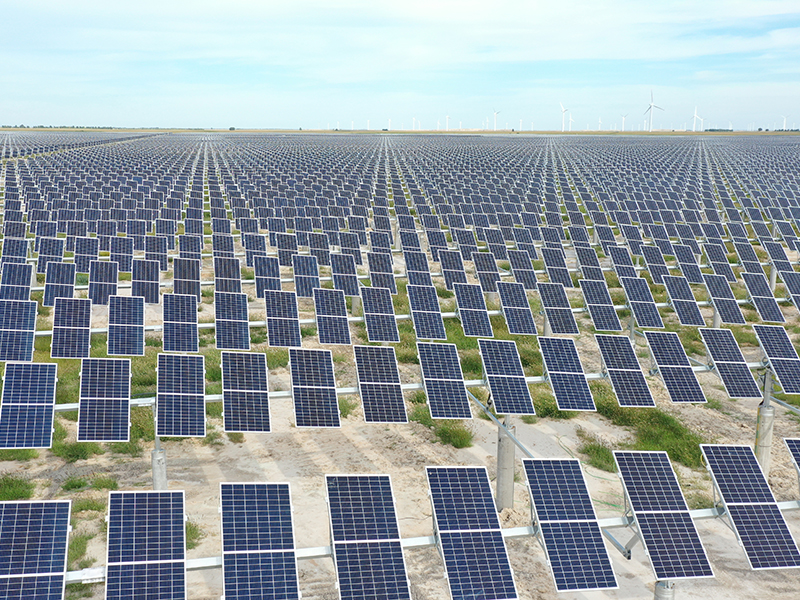
Large-scale tracker project optimized with inclined module tracking for higher latitudes.
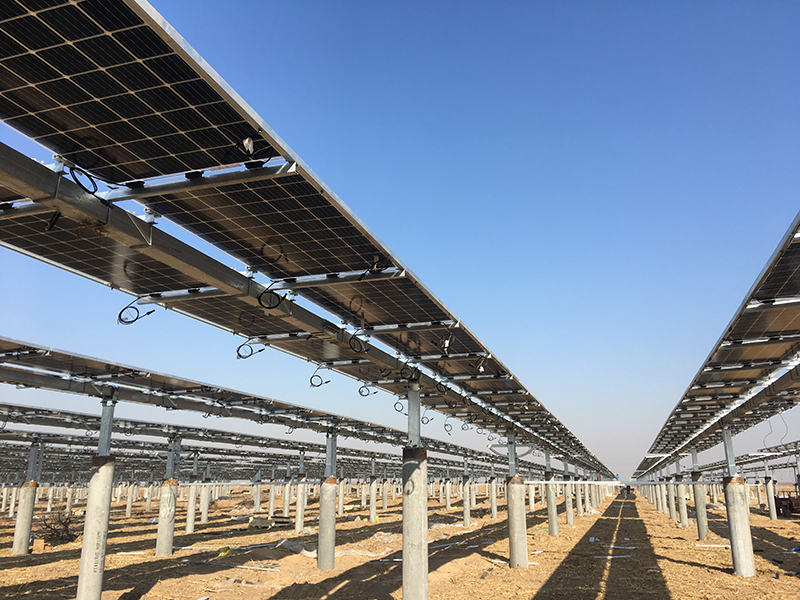
State-of-the-art backtracking integration optimized for high-yield bifacial modules.
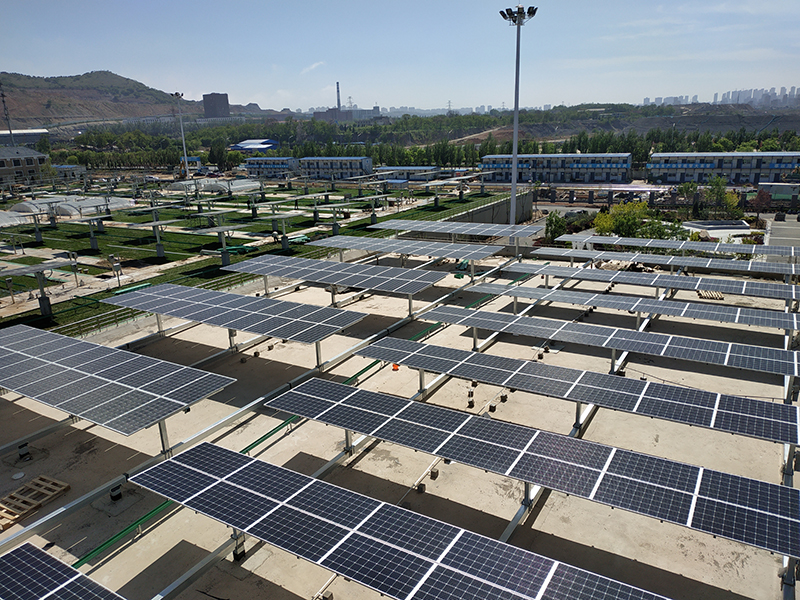
Lightweight framing optimized to maximize commercial rooftop area outputs.
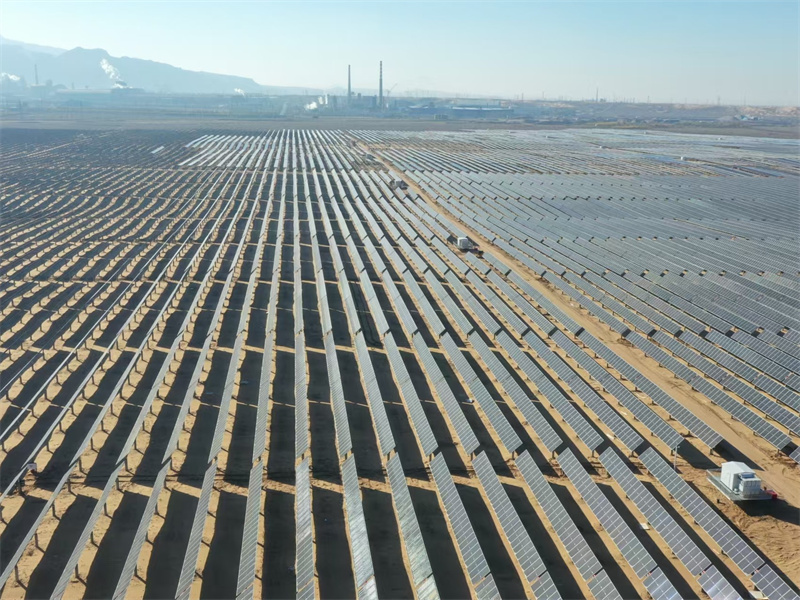
High-capacity single-axis trackers installed in arid environments, withstanding sandstorm conditions.
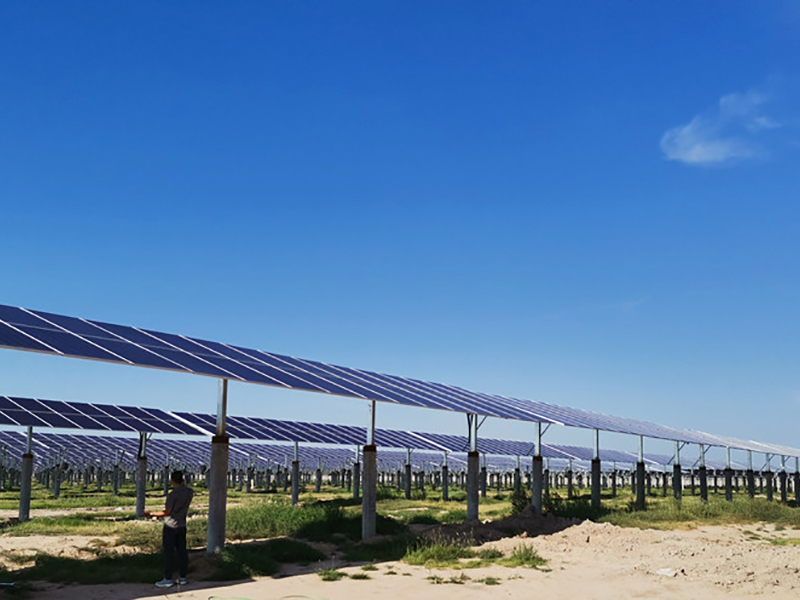
Delivered manual-adjustable fixed mounting systems engineered for seasonal adjustments.
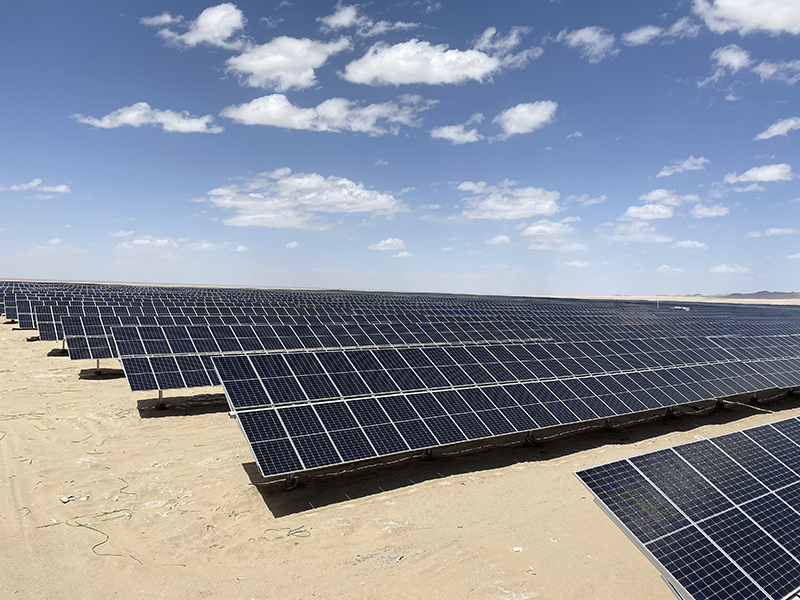
Cost-effective fixed brackets designed to withstand harsh sandy conditions.
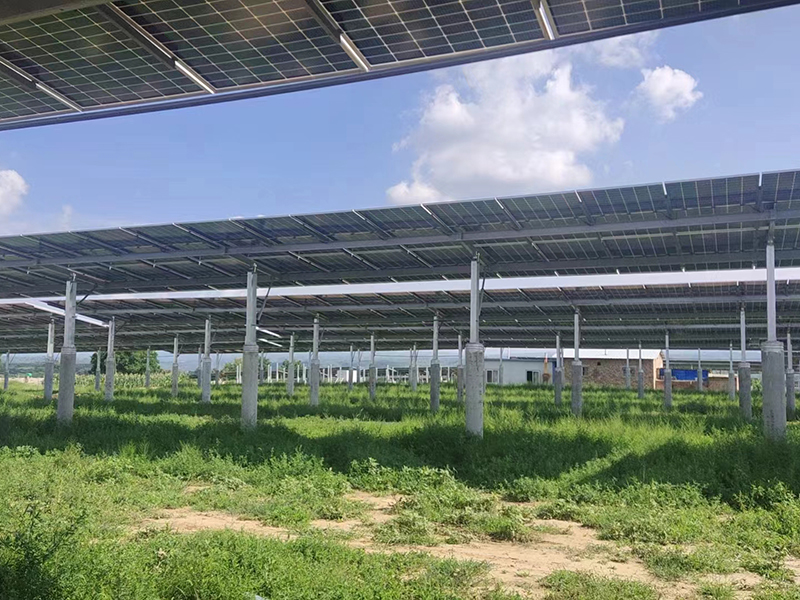
Engineered manual-adjustable fixed mounting solutions configured for hilly, complex terrains.
Our commitment to rigorous quality control guarantees long-term durability and structural integrity.
Our manufacturing plants adhere to rigorous quality standards, ensuring all mechanical structures, drivetrains, and electrical systems perform reliably under high-stress conditions. In addition to our utility-grade hot-dip galvanizing, each tracking module undergoes extensive quality testing before leaving our facility.
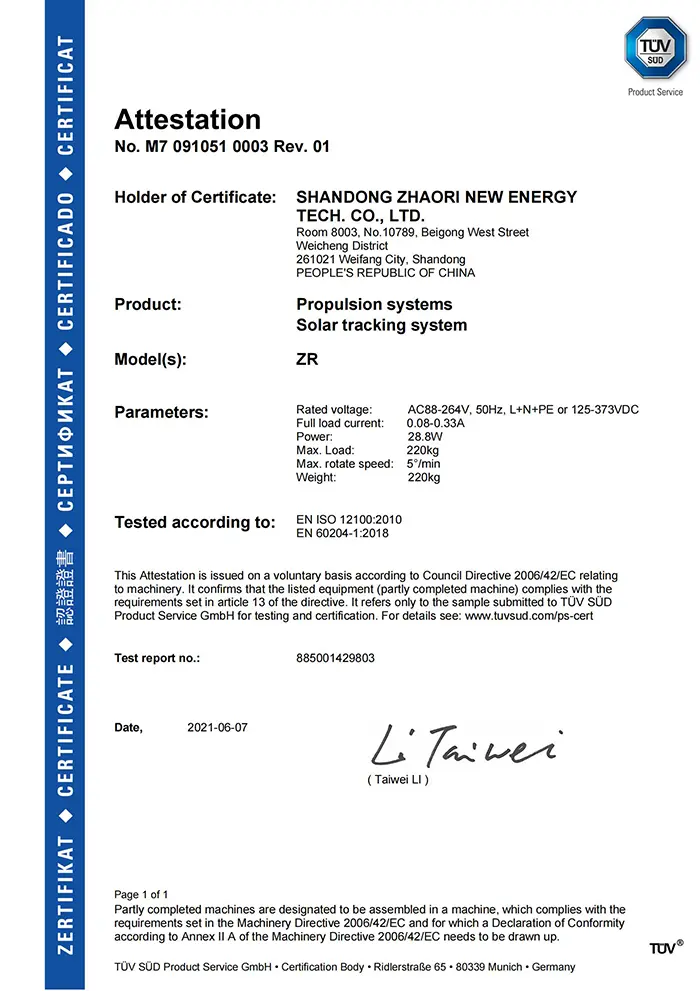
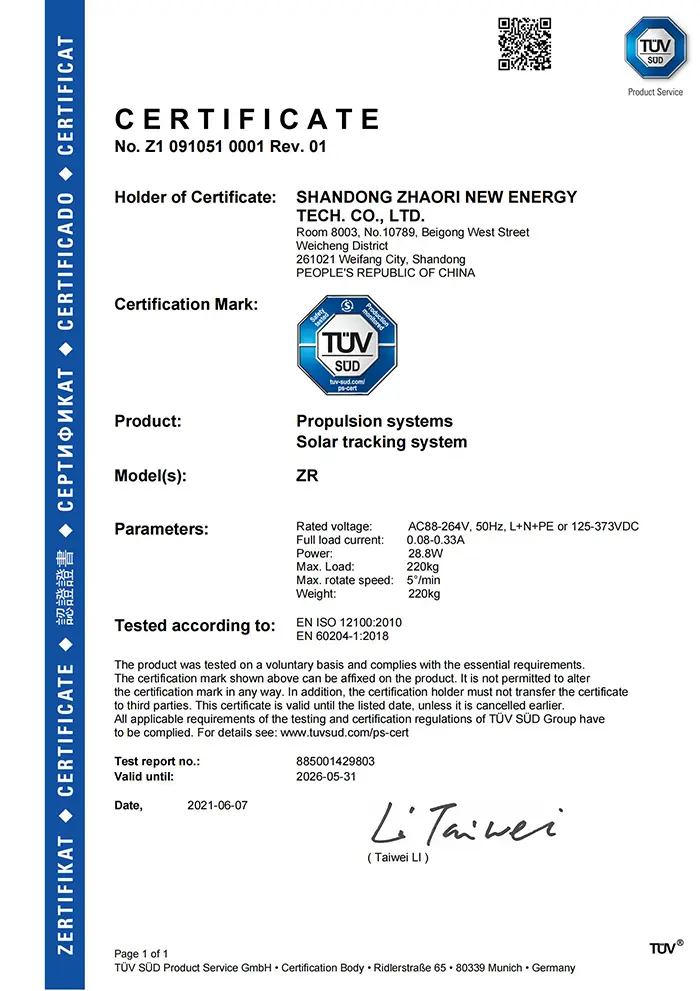


Watch our tracking systems in action across commercial and utility-scale installations worldwide.
Key technical answers regarding structural integrity, tracking gains, and operational reliability.
Reliable components designed to ensure stability, durability, and high energy yields in diverse global climates.
ZRT tilted single axis solar tracking system has one tilted axis (10°– 30° tilted) tracking the azimuth angle of the sun. Mounting 10 – 20 pieces of solar panels, it increases power generation by about 15% – 25%.
A durable tracking structure combining automated astronomical software controls with a simplified drive mechanism to offer cost-effective, high-yield tracking.
ZRP flat single axis solar tracking system features one axis tracking the azimuth angle of the sun. Mounting 10 – 60 panels per set, it provides 15% to 30% production gains over fixed-tilt systems.
Engineered for locations with specific seasonal shifts. Offers cost-effective, manual inclination adjustments to optimize panel positioning throughout the year.
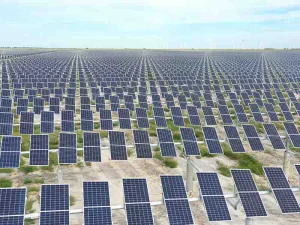
Combines single-axis rotation with inclined module configurations. Maximizes energy capture in mid-to-high latitude regions where winter sun angles are low.
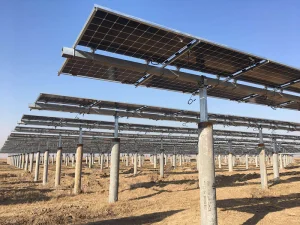
Designed for large-scale utility projects, offering optimized row layout designs, minimal structural gaps, and reliable performance in low-to-mid wind zones.
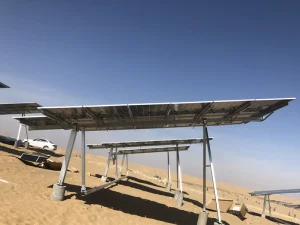
Optimized for uneven terrain, featuring independent axis movements that ensure structural stability and reliable tracking on slopes.
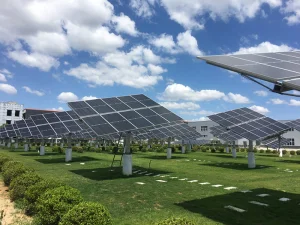
Our top-tier dual-axis tracking system. Features astronomical algorithms, wind speed protection, and real-time backtracking, delivering up to 40% yield improvements.
 Zhaori