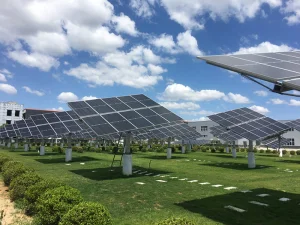
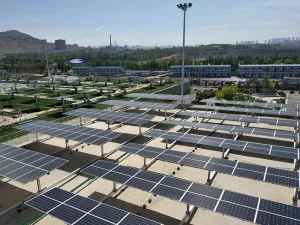
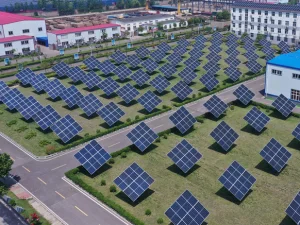
As the global energy transition accelerates, the Sun Tracking Solar Array has emerged as the cornerstone of utility-scale efficiency. Unlike traditional fixed-tilt systems, which suffer from cosine loss as the sun moves across the sky, intelligent tracking systems maximize direct normal irradiance (DNI) capture. This shift is not merely a technical upgrade; it is a fundamental shift in the Levelized Cost of Electricity (LCOE) equation.
Information Gain: Modern solar tracking is evolving from simple astronomical algorithms to AI-driven sensor fusion. By integrating real-time weather data and bifacial module gain optimization, the latest generation of trackers—led by Shandong Zhaori New Energy—can increase energy yields by up to 35% compared to static installations.
The industrial landscape for solar trackers is experiencing a CAGR of over 12%. Regions with high solar irradiation, such as the MENA region, Australia, and the Southwest United States, have made sun tracking a mandatory requirement for grid-scale tenders. In Europe and Asia, the trend is moving toward Agrivoltaics and distributed industrial power, where dual-axis trackers offer the precision needed to balance land use with maximum power density.
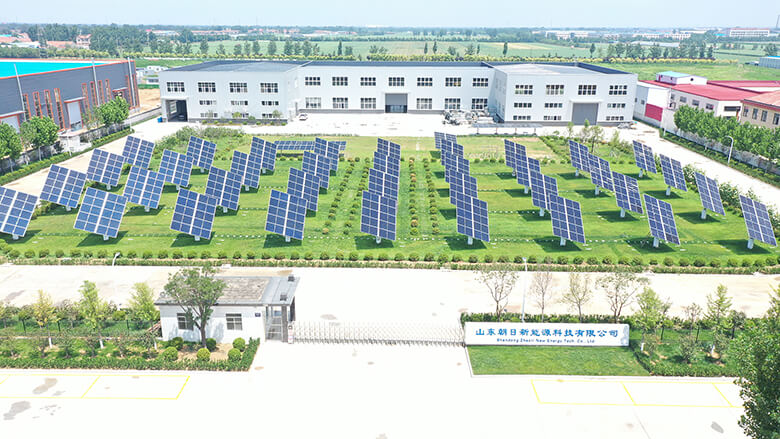
Shandong Zhaori New Energy Tech. Co., Ltd. operates on a core principle: "More Simple, More Reliable, More Effective." This philosophy is reflected in our diverse product line, ranging from stationary brackets to the most advanced dual-axis tracking systems.
| Tracking Mode | Technical Approach | Typical Energy Gain | Best Use Case |
|---|---|---|---|
| Fixed / Adjustable | Manual seasonal adjustment of tilt angle. | Baseline (0-5%) | Residential or low-wind environments. |
| Flat Single Axis | East-West tracking with 1P/2P configurations. | 15% - 25% | Large-scale utility projects on flat terrain. |
| Tilted Single Axis | Inclined axis tracking both azimuth and some elevation. | 20% - 30% | High-latitude regions with varied topography. |
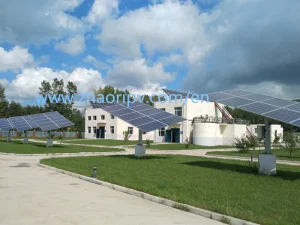
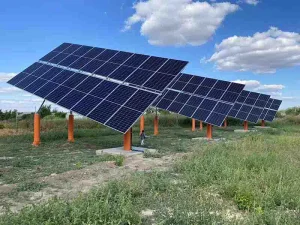
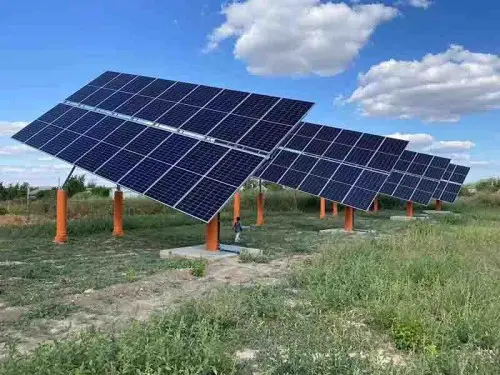
| Dual Axis Tracking | Full 360° azimuth and 0-90° elevation tracking. | 30% - 40% | Premium industrial apps & concentrated PV. |
Our technology roadmap focuses on Backtracking Algorithms—a critical feature that prevents row-to-row shading during early morning and late afternoon hours, ensuring that even in dense layouts, every module performs at peak capacity.
Shandong Zhaori New Energy Tech. Co., Ltd. is a high-tech and new energy company based on independent intellectual property rights. Founded in June 2012, our organization comprises 10 specialized departments including R&D, Technical, Engineering, Production, Quality Assurance, and Foreign Trade. With more than 60 professional technology talented employees, our team has focused on photovoltaic power stations and solar tracking technology for more than 10 years.
Covering an area of 50,000 square meters, our facility is equipped with CNC machine tools, laser cutting machines, automatic welding robots, and plasma machines. With over 300 production workers, we achieve a monthly output of 500MW. Every product undergoes strict quality control from raw material screening to final packaging, strictly adhering to quality management system certifications.
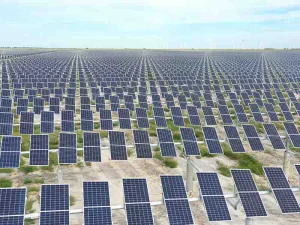
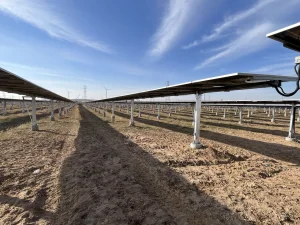
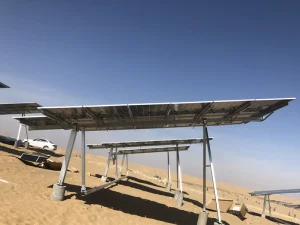
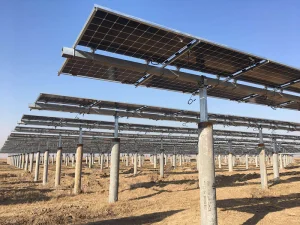
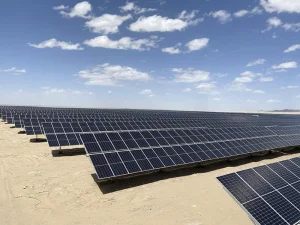
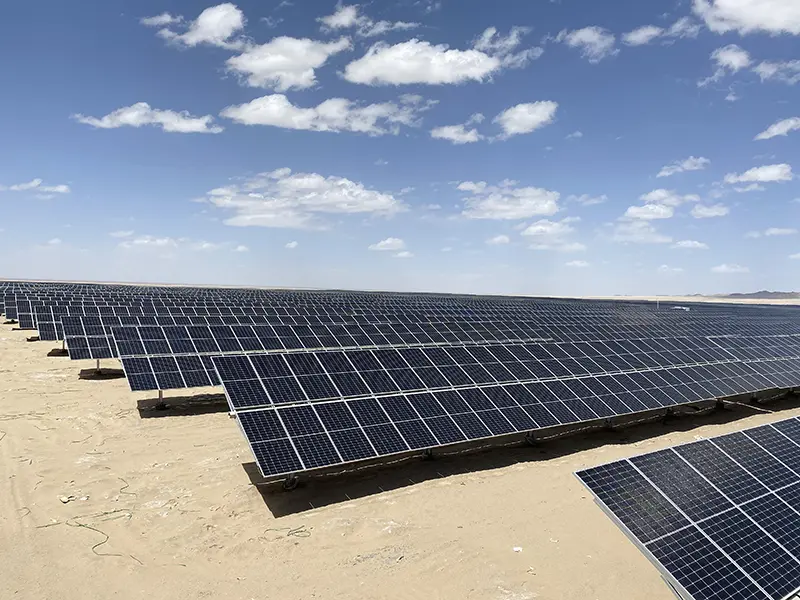
Our 20MW and 360MW desert projects demonstrate the durability of our tracking systems in high-heat, sandy environments. The sealed driving mechanisms prevent dust ingress, reducing maintenance costs in harsh climates.
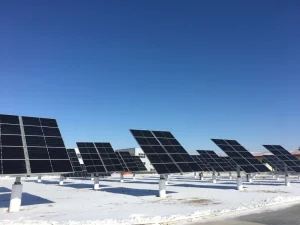
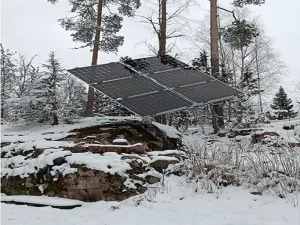
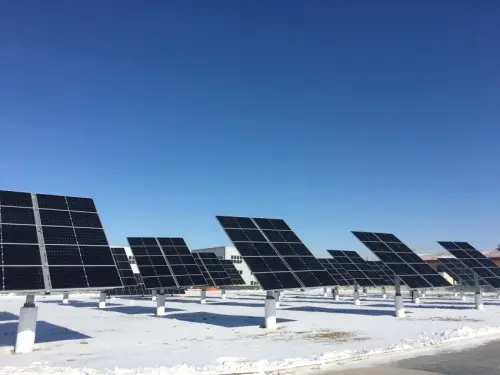
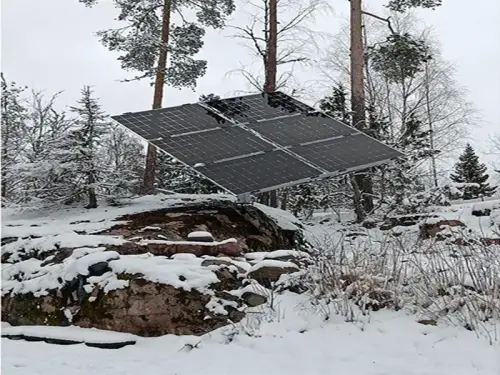
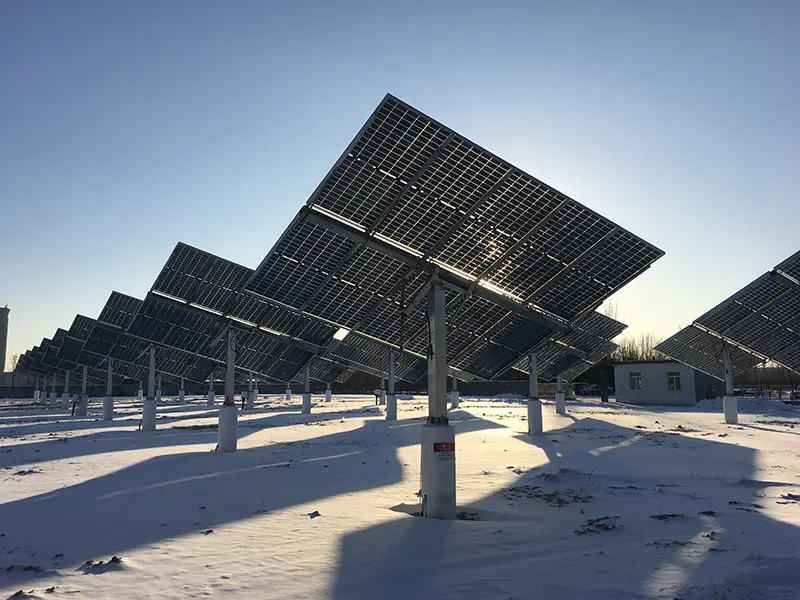
Equipped with a "Snow Mode," our trackers can automatically tilt to a steep angle to shed snow load, preventing structural damage and ensuring power production continues immediately after a storm.
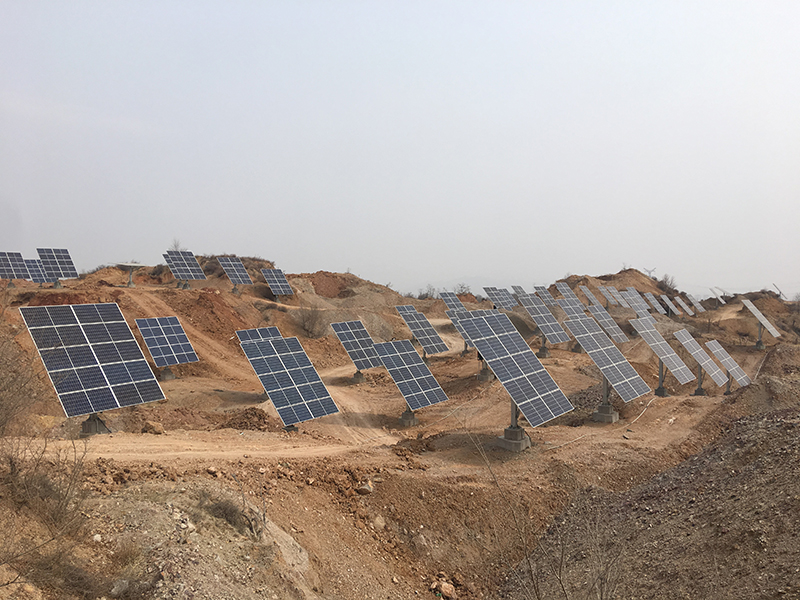
For terrain where traditional trackers fail, our tilted single-axis and dual-axis systems allow for flexible installation, matching the natural contours of the land without extensive grading.
While the initial CAPEX is higher than fixed systems, the 35-40% increase in energy production typically results in a shorter payback period (ROI) of 5-7 years, depending on local energy prices and solar irradiation levels.
Our systems feature an automated "Stow Mode." When wind sensors detect speeds exceeding safety thresholds (typically 18-22 m/s), the array automatically moves to a horizontal position to minimize wind resistance and protect the structure.
Yes. Our "2P" and "Inclined Module" designs are specifically engineered to minimize underside shading, allowing bifacial modules to capture maximum albedo (reflected light) from the ground, further boosting total yield by 5-10%.
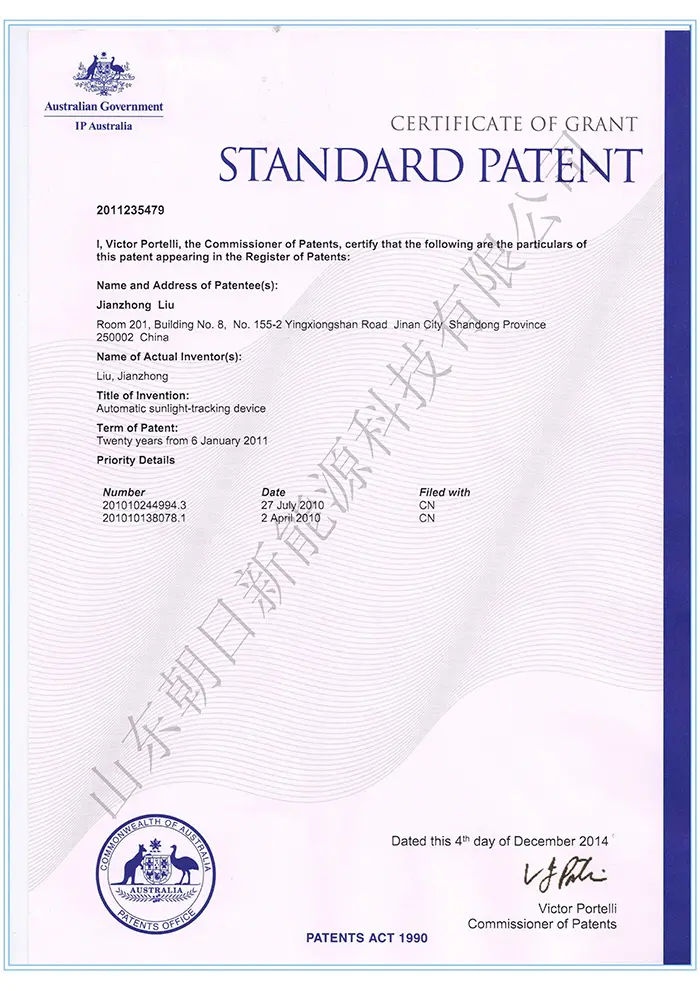
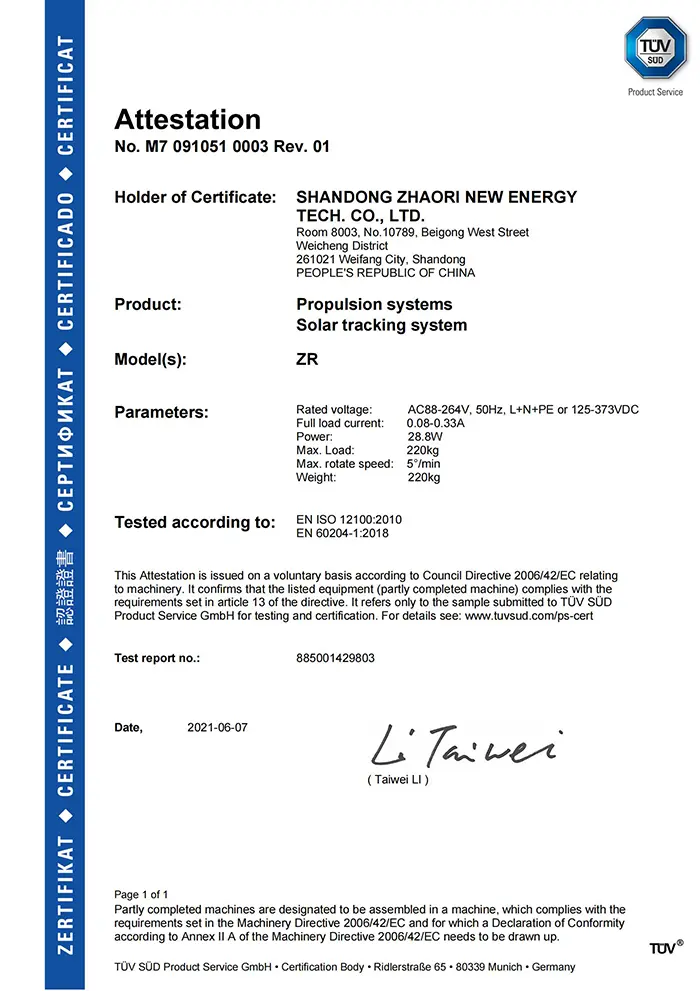
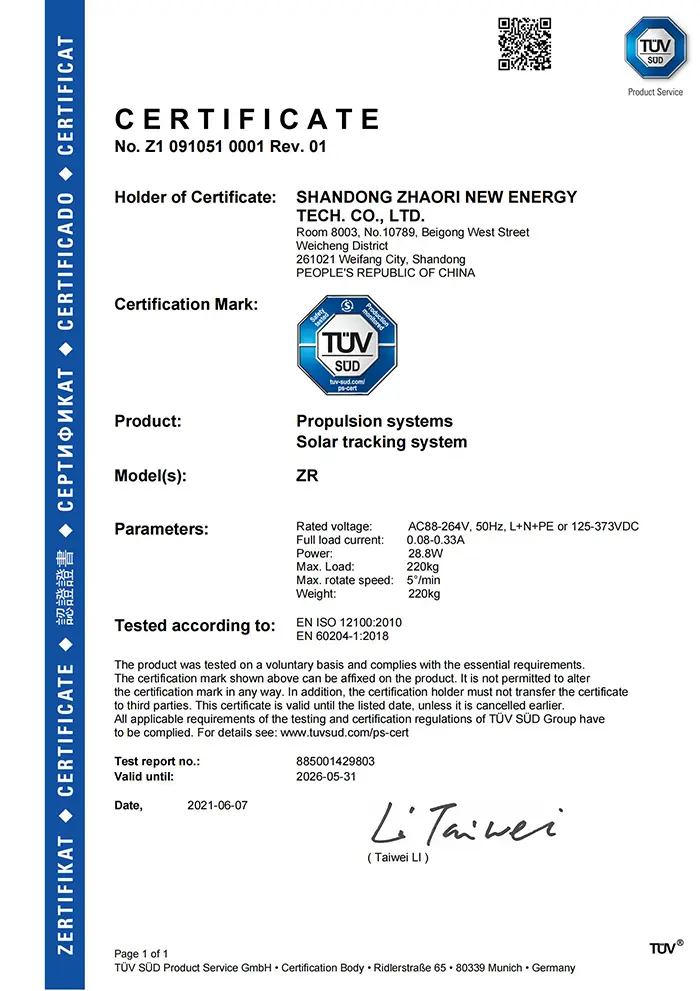
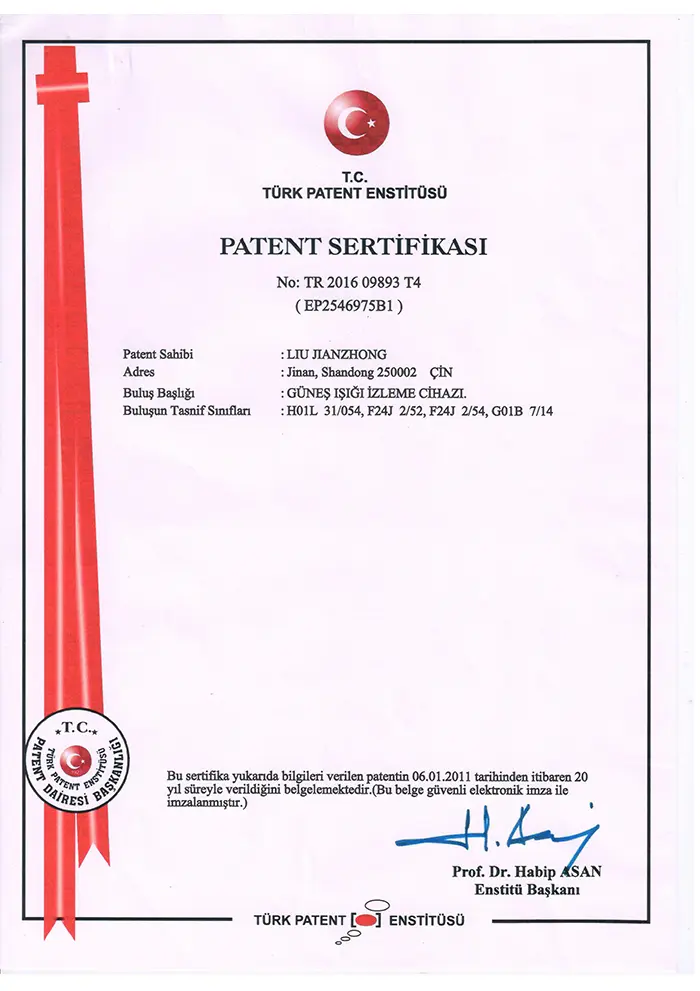
We hold patents from the European Patent Office, USA, Canada, Australia, Japan, and more. Our products are TUV, CE, and ISO certified, ensuring global compliance and reliability.
 Zhaori