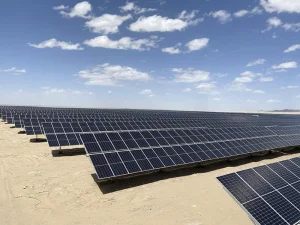
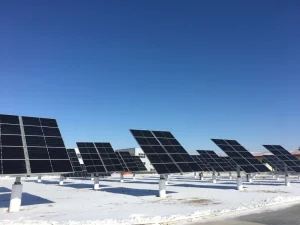
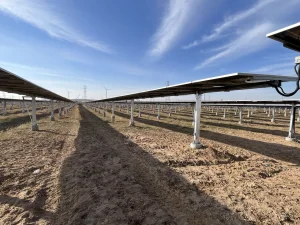
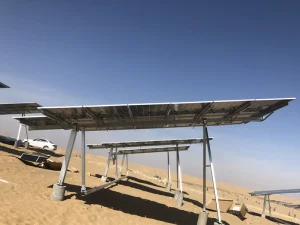
In the current era of volatile energy markets, the Levelized Cost of Electricity (LCOE) has become the primary metric for utility-scale success. Solar sun trackers represent the most significant technological lever to optimize this metric. Unlike static mounting systems, intelligent tracking systems adjust PV module orientation in real-time, effectively extending the peak generation window and capturing "low-angle" sunlight that is otherwise lost.
Shandong Zhaori New Energy Tech. Co., Ltd. stands at the forefront of this transition, offering patented tracking algorithms that integrate AI for backtracking in complex terrains, ensuring that no module is shaded by its neighbor.
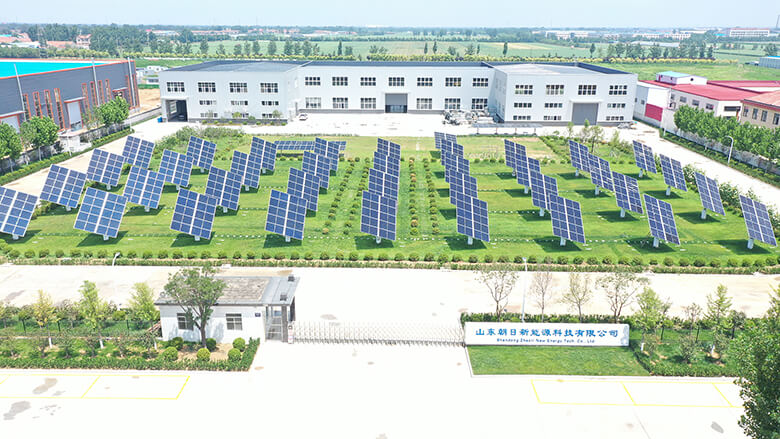
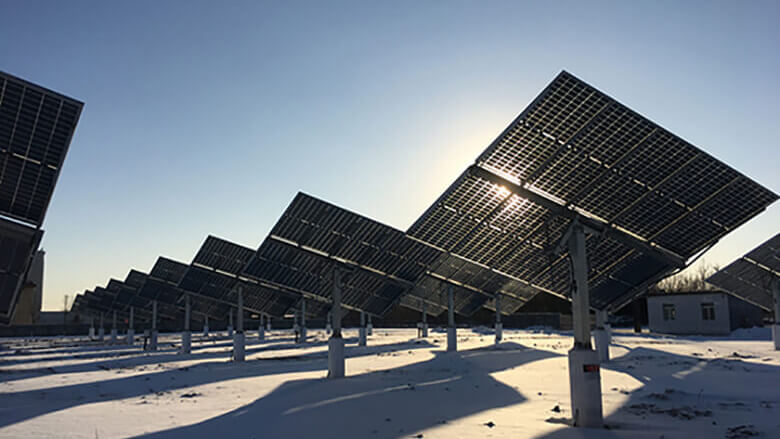
Shandong Zhaori New Energy Tech. Co., Ltd. is a high-tech and new energy company based on independent intellectual property rights. Founded in June 2012, our infrastructure encompasses 10 specialized departments, including R&D, Technical Engineering, Production, Quality Assurance, and International Trade.
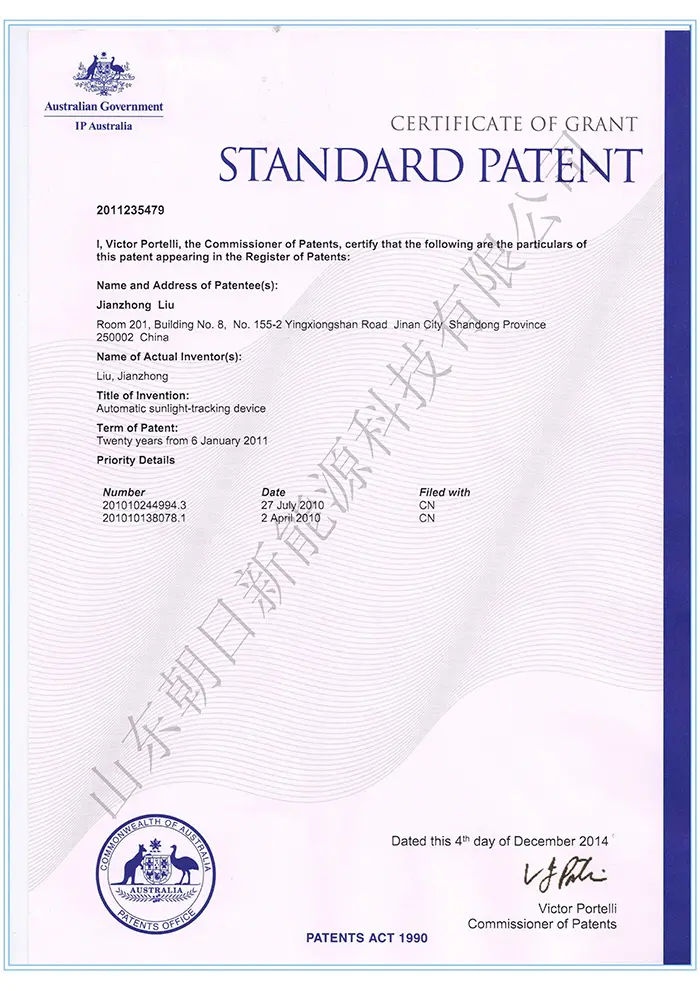
Our team focuses on photovoltaic power stations and solar tracking technology for more than 10 years. Our core philosophy is centered on creating products that are more simple, more reliable, and more effective. This has led to our products obtaining invention patents from the Europe Patent Office, the United States, Canada, Australia, Japan, South Korea, Thailand, India, Brazil, and South Africa.
Next-generation trackers utilize machine learning to analyze terrain irregularities and diffuse light conditions. Our ZRD and ZRP series are moving toward fully autonomous adjustment to minimize "inter-row shading," even in non-linear topographies.
Reducing wiring costs is essential. Our roadmap includes expanded LoRaWAN and ZigBee communication modules for centralized control of large-scale tracker fields, allowing for remote firmware updates and real-time health monitoring.
Our structures are tested against wind speeds exceeding 150km/h. Future iterations focus on "Aero-elastic stability," using dampers and intelligent stow modes to prevent torsional galloping in high-wind regions like coastal deserts.
Our factory covers an area of 50,000 square meters, equipped with advanced CNC machine tools, laser cutting machines, automatic welding robots, and plasma machines. With over 300 production workers, we ensure a monthly throughput of 500MW, meeting the demands of global utility-scale developers.
Automated welding ensures structural integrity and longevity of 25+ years.
We use high-grade Q235B/Q355B steel with hot-dip galvanization for superior corrosion resistance.
Strict control from raw material screening to final packaging, in accordance with global management systems.
For Independent Power Producers, we provide 1P and 2P flat single-axis trackers (ZRP series) designed for bifacial module compatibility, unlocking up to 10% additional gain from albedo light.
Localized support for rooftop or ground-mount systems where space is at a premium. Our dual-axis trackers maximize yield per square meter, ideal for corporate ESG goals.
High-clearance tracker designs allow for dual use of land, providing shade for crops while generating clean energy—a growing demand in Europe and East Asia.
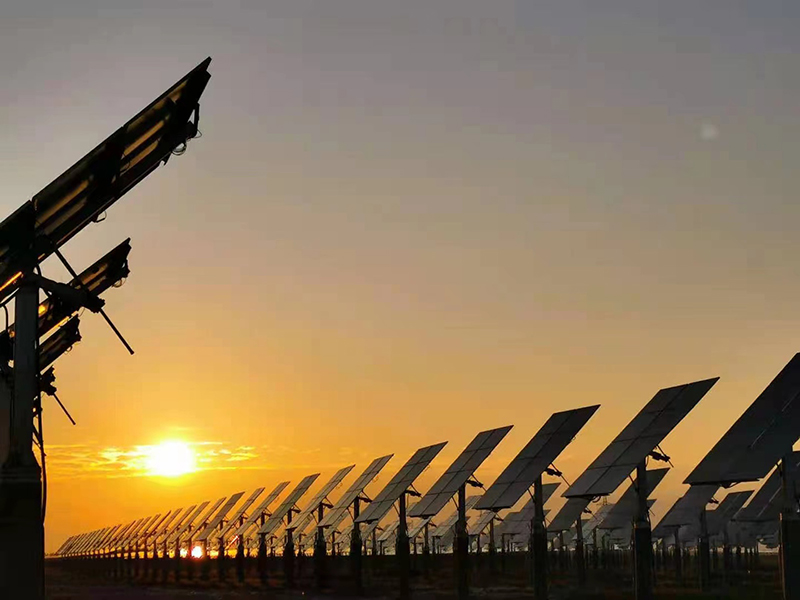
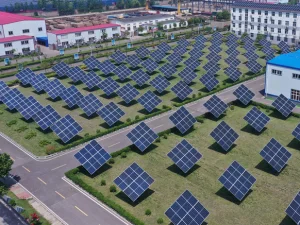
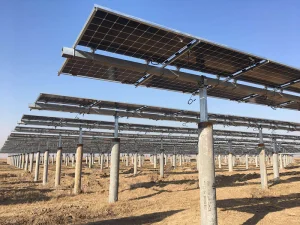
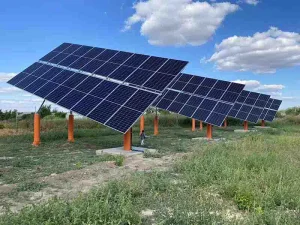
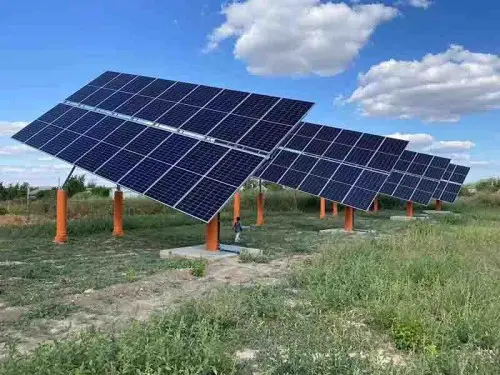
5MW Dual Axis Project in North China
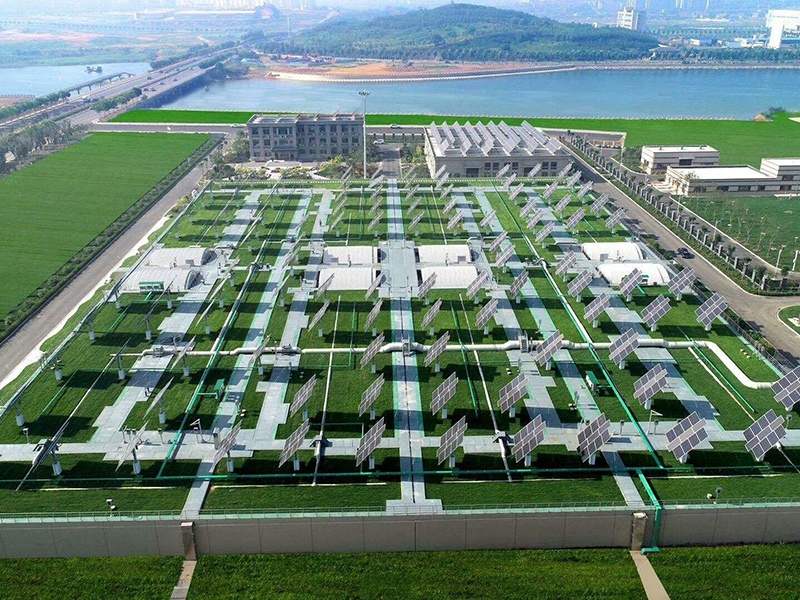
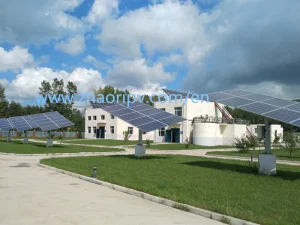
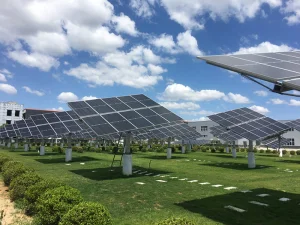
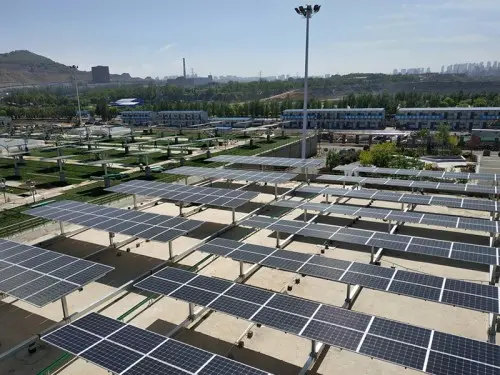
High-Yield Industrial Factory Project
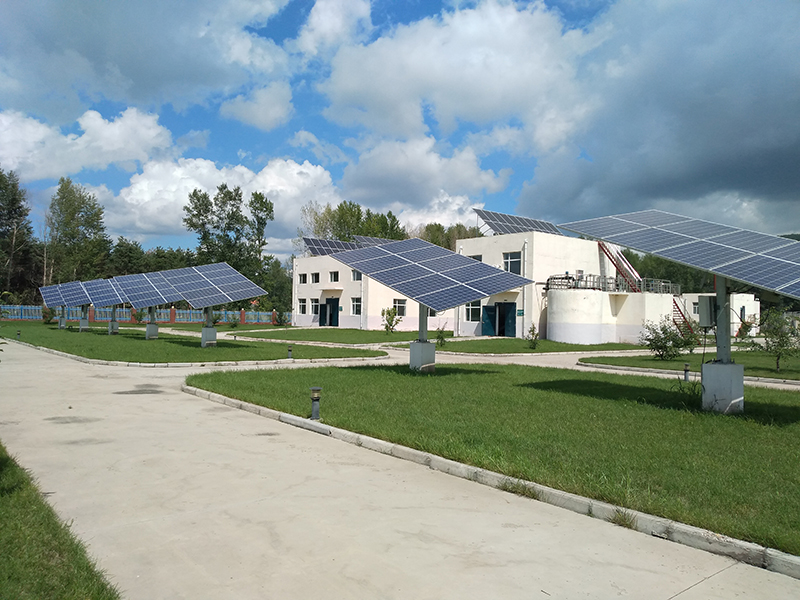
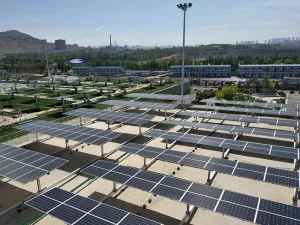
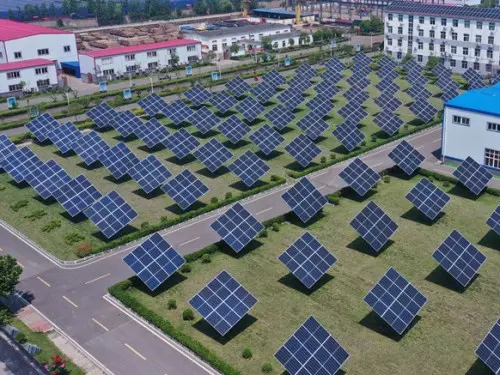
Smart City Green Belt Solar Project
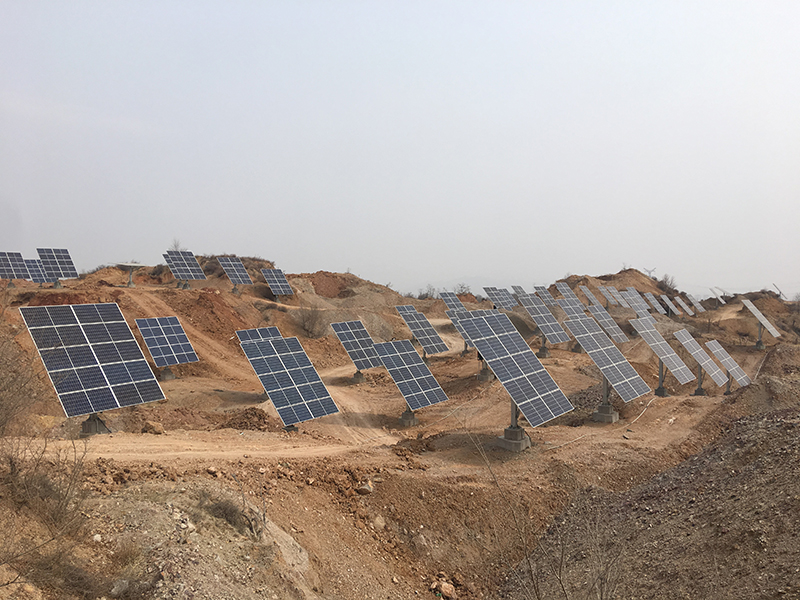
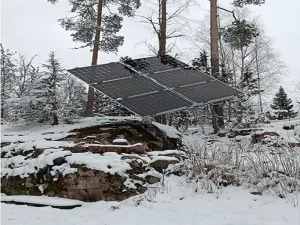
Complex Mountainous Terrain Tracker Installation
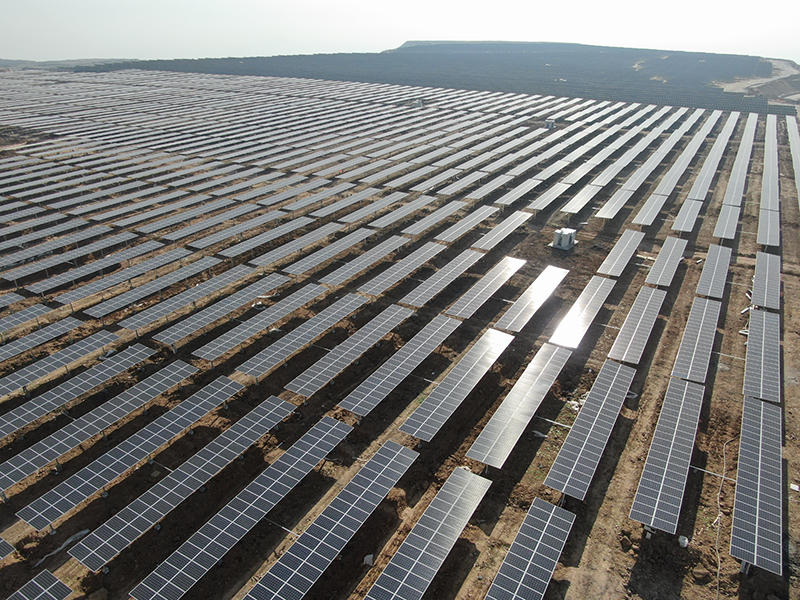
20MW Utility Scale Project - Central China
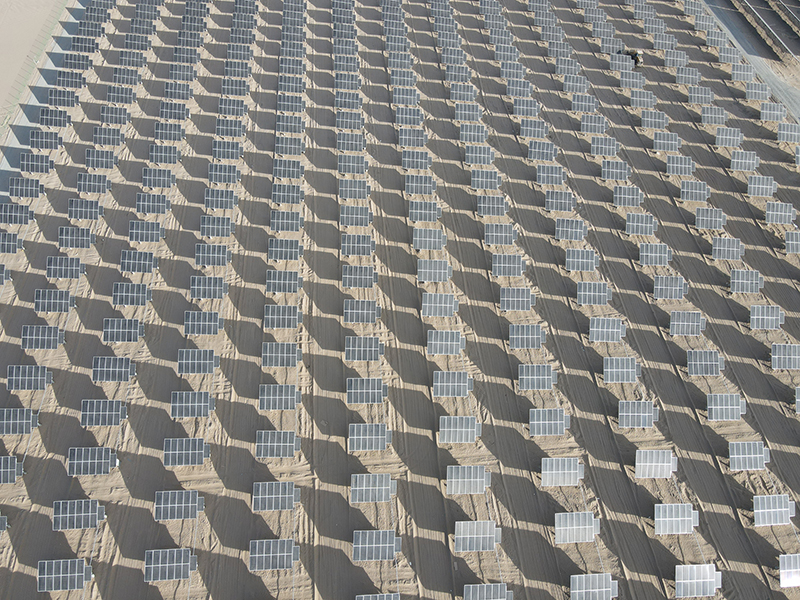
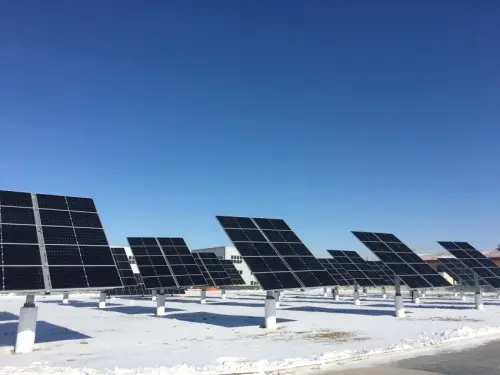
20MW Tilted Single Axis in Desert Conditions
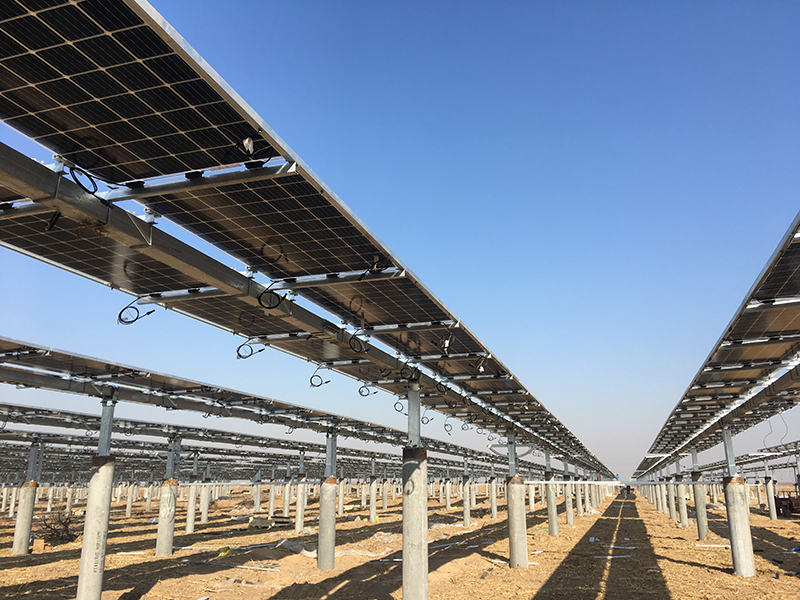
110MW Project with Bifacial Module Optimization
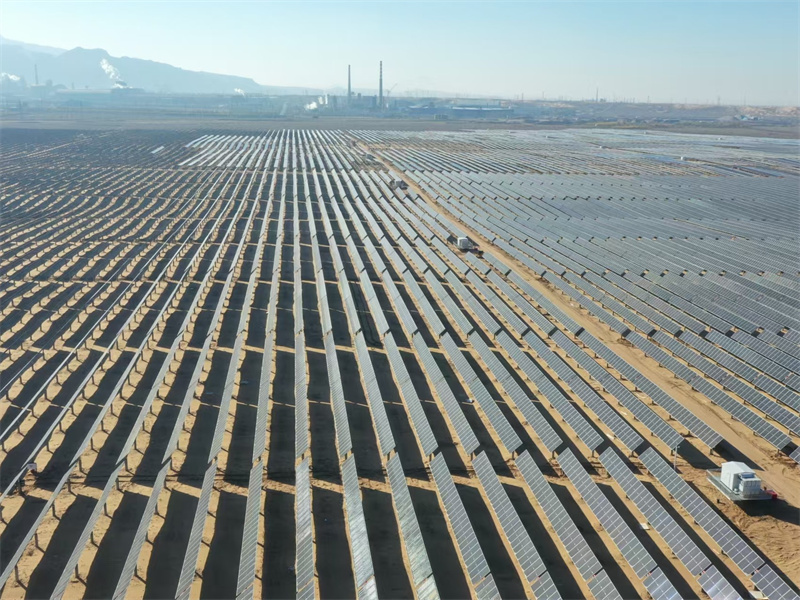
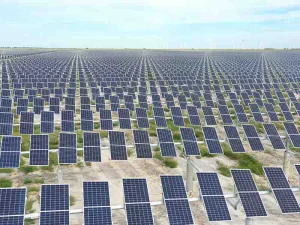
360MW Massive Scale Desert Solar Tracker Hub
Our video documentation showcases trackers performing under heavy snow loads, desert sandstorms, and extreme temperatures, validating our O&M (Operation & Maintenance) efficiency.
Navigating international regulatory frameworks is a core competency of Shandong Zhaori. We ensure our systems meet:
We provide localized installation supervision, commissioning services, and a robust spare parts supply chain to minimize downtime.
Single-axis trackers follow the sun from East to West on a single pivot. Dual-axis trackers adjust both the azimuth (East-West) and altitude (North-South) angles. While single-axis is more cost-effective for large utilities, dual-axis provides the highest energy yield possible, especially in high-latitude regions.
Our trackers are equipped with anemometers. When wind speeds reach a pre-set threshold (e.g., 18-22 m/s), the control system automatically triggers "stow mode," moving the modules to a horizontal or optimized angle to reduce wind load and prevent structural damage.
Maintenance is minimal. We use self-lubricating bearings and weather-sealed electronic controllers. Annual inspections typically include checking bolt torque, verifying sensor calibration, and cleaning modules.
Absolutely. Our ZRP 2P series is specifically optimized for bifacial modules, with structural designs that minimize backside shading, thereby maximizing the "bifacial gain" from reflected sunlight.
Yes, we provide comprehensive technical documentation, video tutorials, and can dispatch engineering teams for on-site supervision and commissioning for utility-scale projects worldwide.
 Zhaori