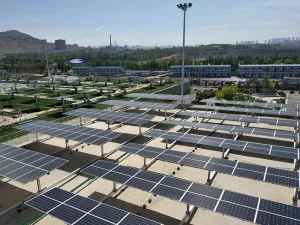
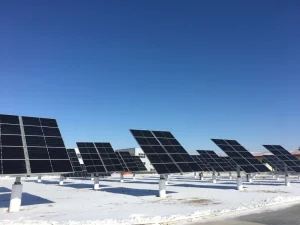
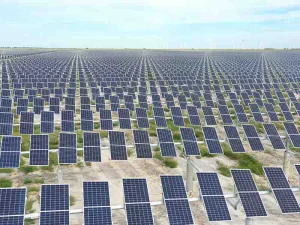
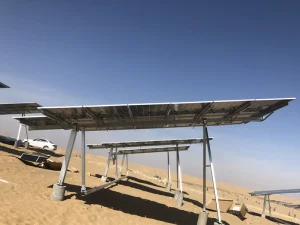
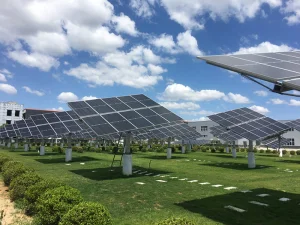
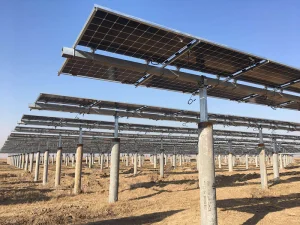
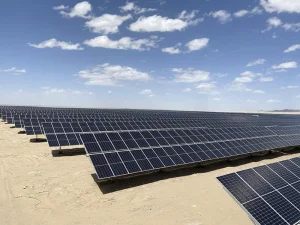
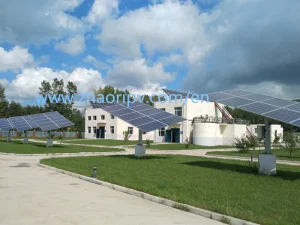
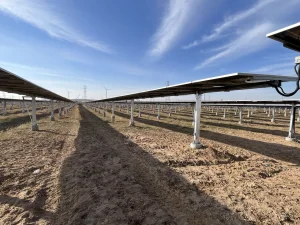
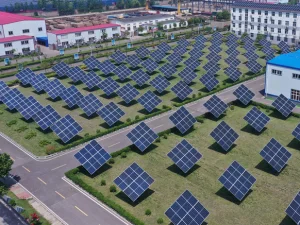
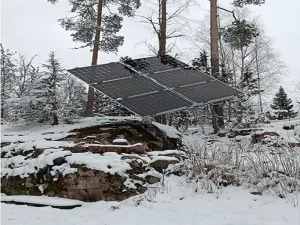
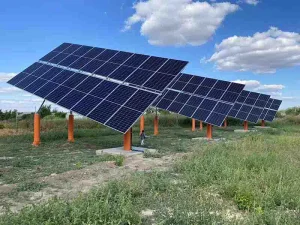
In the current renewable energy landscape, the Single Axis Tracker Cost is no longer just a procurement figure; it is a critical variable in the equation of Levelized Cost of Energy (LCOE). As global utility-scale solar projects strive for higher efficiency, the shift from fixed-tilt structures to single-axis trackers has become the industry standard. This transition is driven by the ability of trackers to increase energy yields by 15% to 30%, effectively offsetting the higher initial CAPEX with significantly lower long-term operational costs.
The global solar tracker market is projected to grow at a CAGR of 14%, with Single Axis Trackers dominating over 80% of the market share. Innovations in AI-driven backtracking and bifacial module integration are reshaping supplier competition.
While the initial cost is 10-15% higher than fixed systems, the ROI period is shortened by 2-3 years due to enhanced generation during peak demand hours, making it the preferred choice for EPCs worldwide.
Modern suppliers focus on "Simple, Reliable, Effective" designs that withstand extreme wind loads and minimize maintenance downtime through self-lubricating components and wireless control systems.
Most buyers focus solely on the "Cost per Watt," but the true Information Gain in solar procurement lies in understanding the structural fatigue and wind-induced instability (galloping). Leading companies like Shandong Zhaori New Energy are integrating advanced damping systems and wind tunnel testing to ensure that the Single Axis Tracker Cost includes 25 years of structural insurance. By utilizing CNC machine tools and automatic welding robots, we eliminate human error, ensuring every joint and pivot point meets aerospace-grade tolerances.
Shandong Zhaori New Energy Tech. Co., Ltd. is a high-tech and new energy company based on independent intellectual property rights. Our company was founded in June 2012 and we have 10 departments includes R&D department, technical department, engineering department, production department, quality assurance department, development department, foreign trade department, domestic trade department, I.M.D. department and so on. There are more than 60 professional technology talented employees in our company. And our team focuses on photovoltaic power stations and solar tracking technology for more than 10 years.
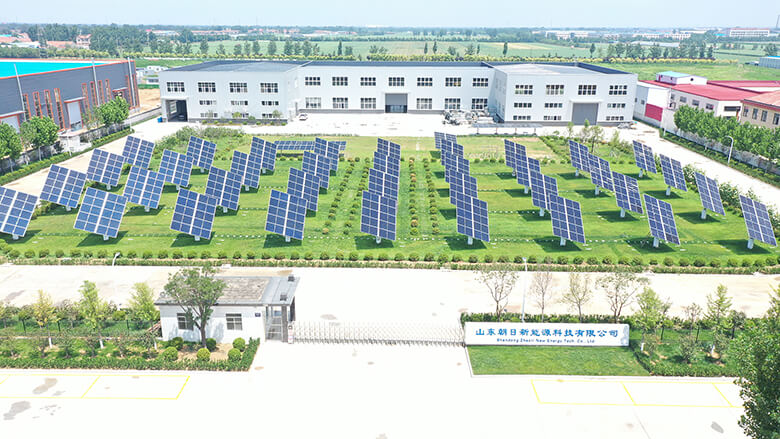
Our factory covers an area of 50,000 square meters, with a series of advanced production equipment, such as CNC machine tools, laser cutting machines, automatic welding robots, plasma machines, and dozens of production lines. The products are manufactured from raw material screening, cutting, welding, forming, anti-rust treatment, post-processing, inspection and packaging, with strict quality control and level by level control, and in strict accordance with the requirements of quality management system certification.
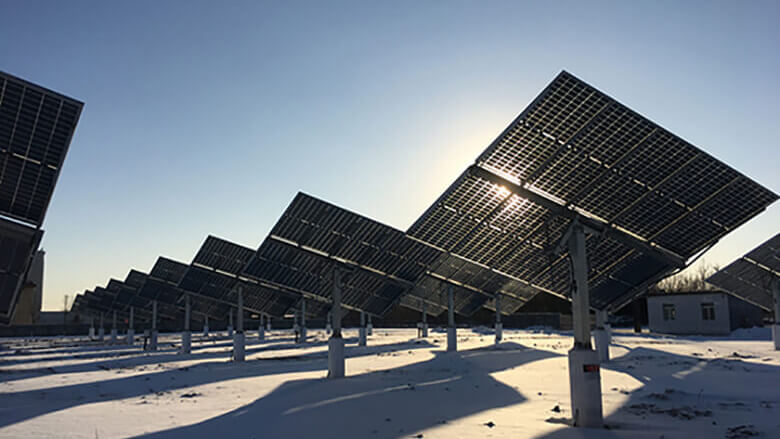
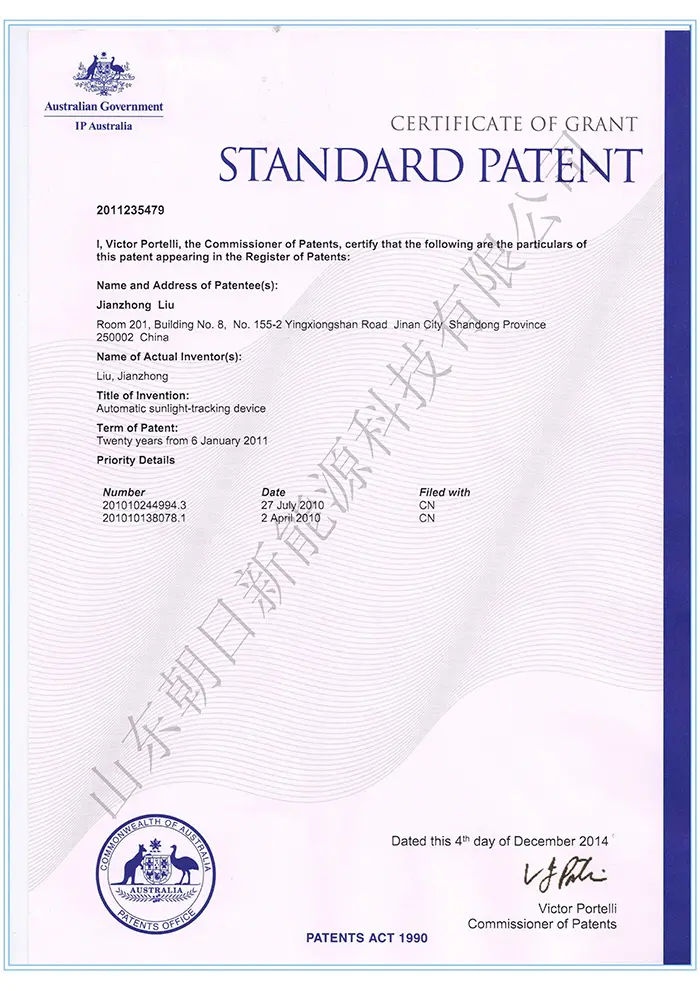
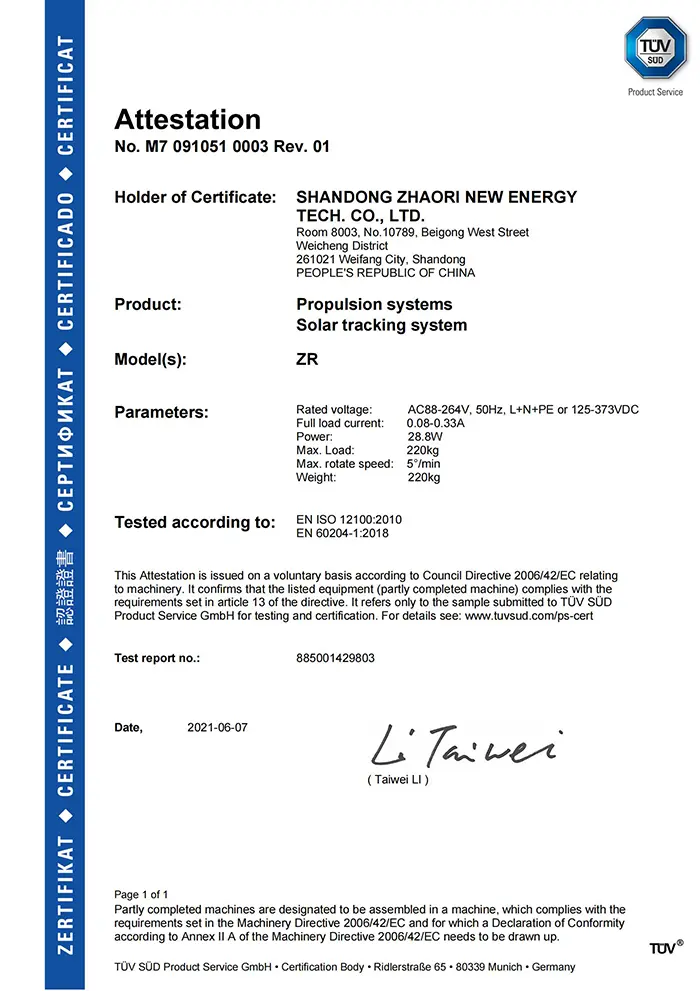
Our products include stationary bracket, adjustable PV bracket,flat single axis tracking system, tilted single axis tracking system and dual axis tracking system. Our products have obtained patents of invention from the Europe Patent Office, the United States, Canada, Australia, Japan, South Korea, Thailand, India, Brazil, South Africa etc., as well as 8 Chinese National Invention Patents and more than 30 Utility model patents, and also obtained TUV, CE, ISO certification.
Optimized for high-temperature and sandy environments. Our ZRP models feature dust-resistant bearings and rapid-stow wind modes for Sahara and Gobi regions.
Designed with high-clearance structures that allow farming machinery to pass underneath, maximizing land-use efficiency and providing dual income streams.
Our tilted single-axis systems accommodate North-South slopes of up to 15%, reducing the need for expensive land grading and environmental disruption.
Implementation of machine learning algorithms to calculate shading patterns in real-time, especially for bifacial modules, increasing energy capture by 4% in diffuse light conditions.
Full transition to Zigbee/LoRa wireless communication, eliminating hundreds of kilometers of cabling per 100MW and reducing Single Axis Tracker Cost on installation labor.
Integration of IoT sensors to detect bolt loosening and structural fatigue before they lead to failure, moving from reactive to predictive maintenance.
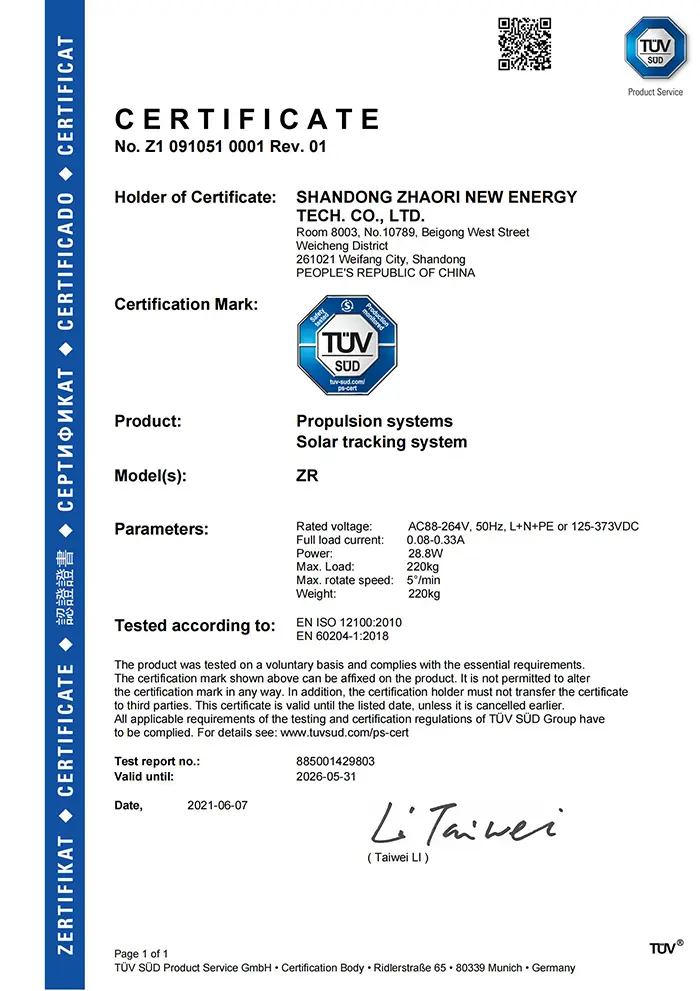
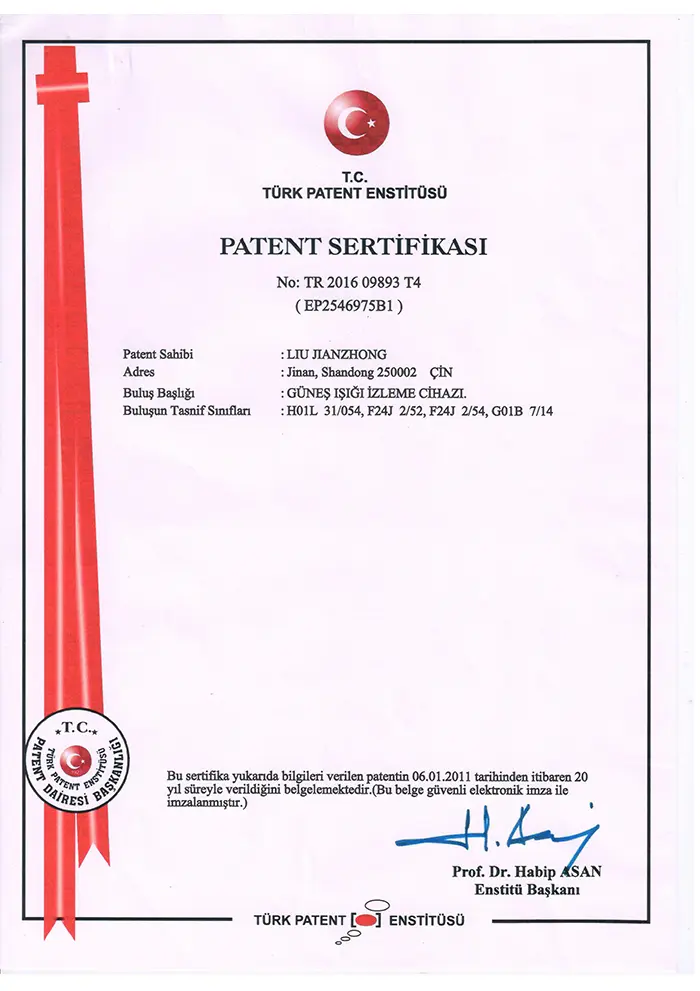
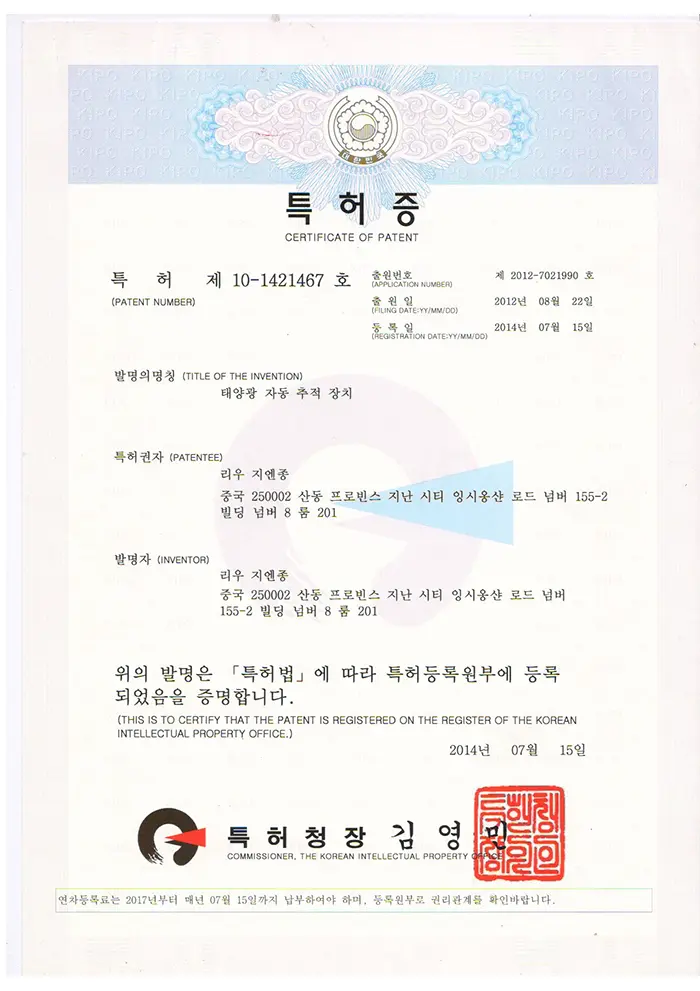

While prices vary by project scale and geography, the typical CAPEX ranges from $0.08 to $0.15 per watt. This includes the structure, drive system, and controls.
OPEX is slightly higher due to moving parts, but our "Simple & Effective" design reduces failure points. The energy gain usually covers the maintenance cost 5-10 times over.
Yes, our systems feature a 'Storm Mode' that automatically stows panels at a 0° or 45° angle (depending on project location) to minimize wind resistance.
Absolutely. Our 2P systems are specifically designed to minimize rear-side shading, allowing you to capture up to 25% extra energy from the module's back side.
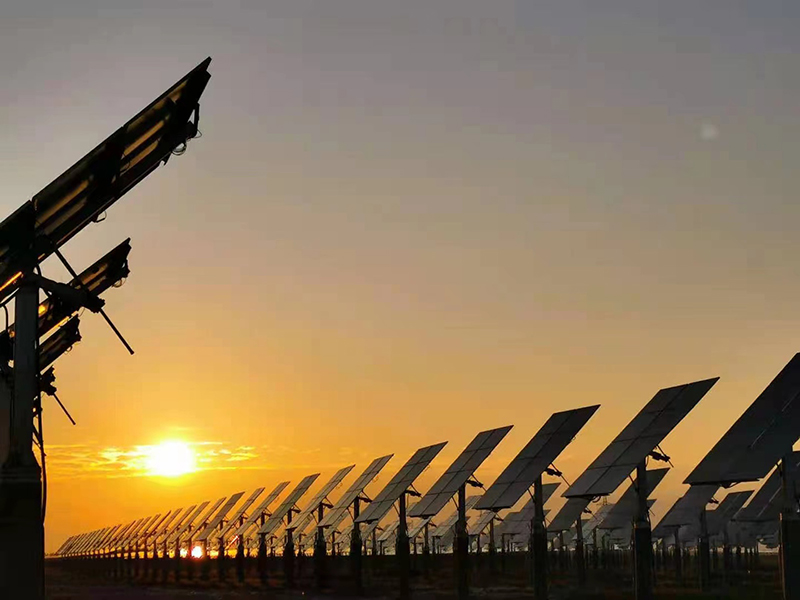
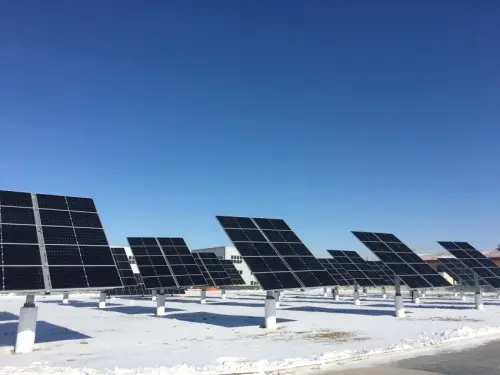
5MW in North China
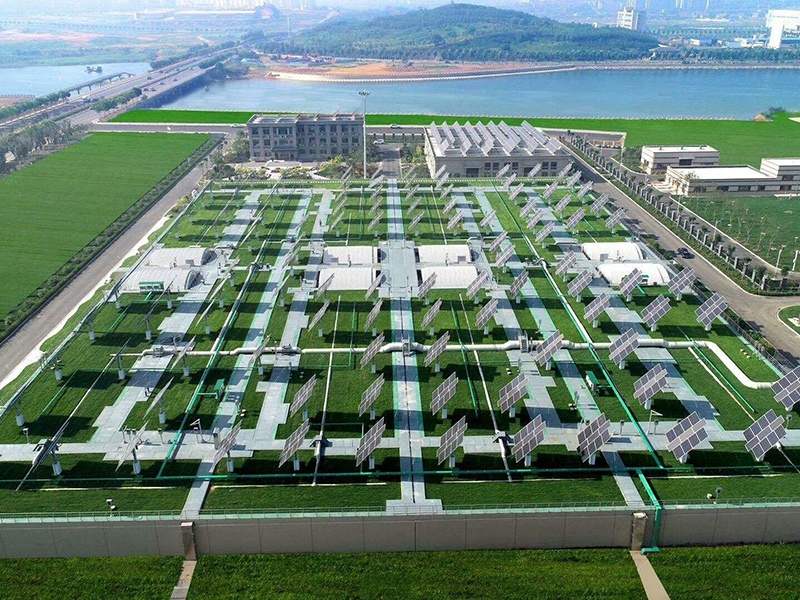
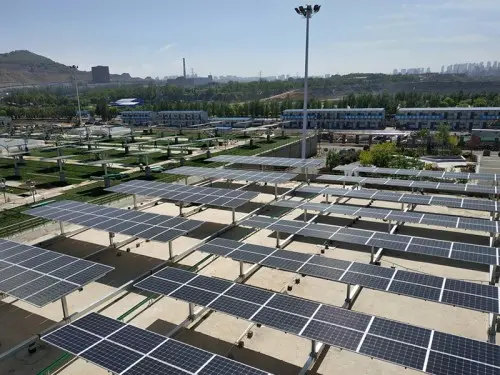
Factory project
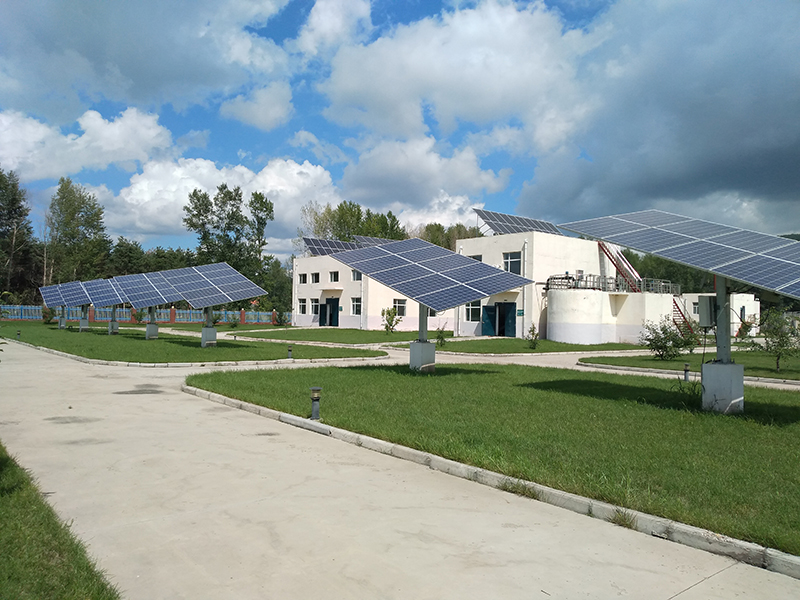
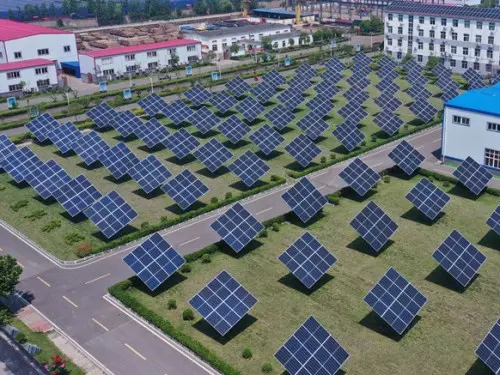
Green belt project
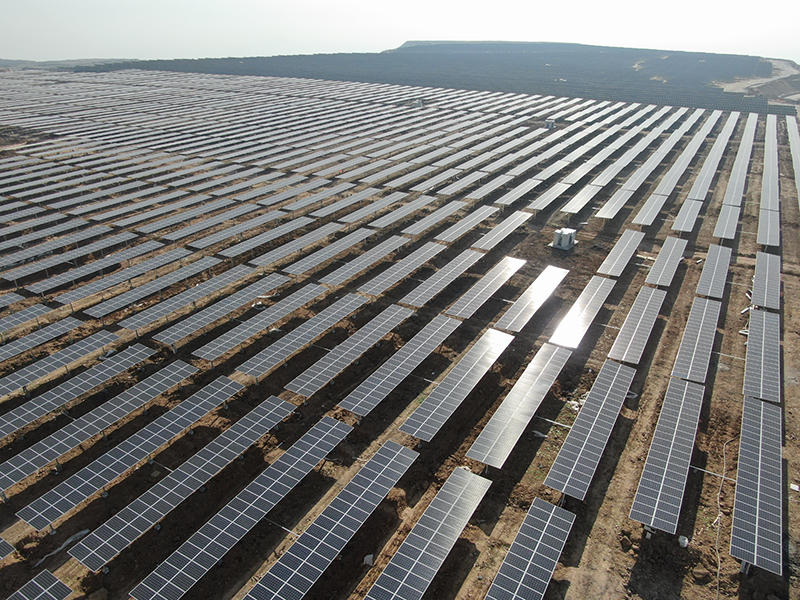
20MW in Central China
 Zhaori