Maximize yield and lower LCOE with our certified single axis, dual axis, and manual adjustable solar mounting systems.

Precision dual-axis tracking optimizing power output over flat terrains, utilizing dynamic algorithm adjustments for constant solar alignment.

Designed for 2-in-portrait PV configurations, boosting mechanical strength and maximizing vertical ground space utilization ratios.

Premium single-axis trackers providing exceptional reliability and up to 30% yield improvements over fixed mounts in high irradiance zones.

Semi-automated dual-axis bracket combining manually adjustable components and reliable motorized alignment for cost-effective farm output.

Unique flat horizontal design combined with tilted modules, optimized to elevate yields for high-latitude applications.

Streamlined 1-in-portrait (1P) tracking configurations emphasizing wind resistance, quick structural assembly, and robust torque tubes.
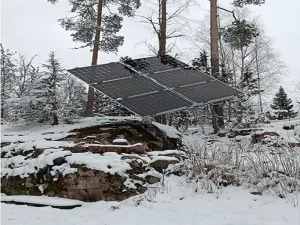
Cost-optimized dual-axis model leveraging high-precision astronomical algorithms to unlock up to 35% performance gains.

Heavy-duty structural framework, designed for massive commercial and industrial utility stations experiencing extreme weather profiles.
An authoritative guide to understanding single-axis solar tracking technology, mechanical design advantages, and modern global deployment strategies.
Modern photovoltaic infrastructure relies on maximizing the angle of incidence between direct solar beams and module surfaces. One axis solar trackers, primarily horizontal single axis systems, pivot along a single axis (typically North-South) to track the sun's diurnal movement from East to West.
By rotating the PV panels dynamically throughout the day, single axis trackers reduce reflection losses and extend peak production periods. Standard systems deliver a 15% to 30% increase in energy yield compared to traditional fixed-tilt mounting solutions, substantially lowering the Levelized Cost of Energy (LCOE).
Additionally, modern tracking systems utilize intelligent backtracking algorithms. During early morning and late afternoon periods, panels slightly reverse tilt to avoid casting shadows on adjacent rows, ensuring continuous power output and high density layouts.
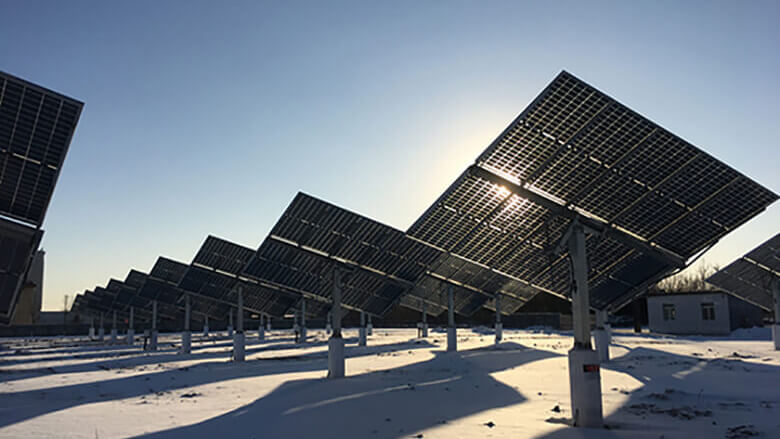
When procuring solar tracking equipment, project developers must choose between centralized drive systems and decentralized individual row drive systems.
Centralized (Linked Row) Trackers: A single motor controls multiple tracker rows via mechanical linkages. This reduces initial motor acquisition costs, but increases mechanical link wear, installation alignment times, and system vulnerability (if the centralized motor fails, the entire block goes offline).
Decentralized (Single Row) Trackers: Every row is equipped with its own small motor, drive system, and control unit. This modular structure minimizes structural stress on individual shafts, simplifies terrain adjustments, and ensures that a single mechanical failure only affects one row, preserving 99% uptime across the site.
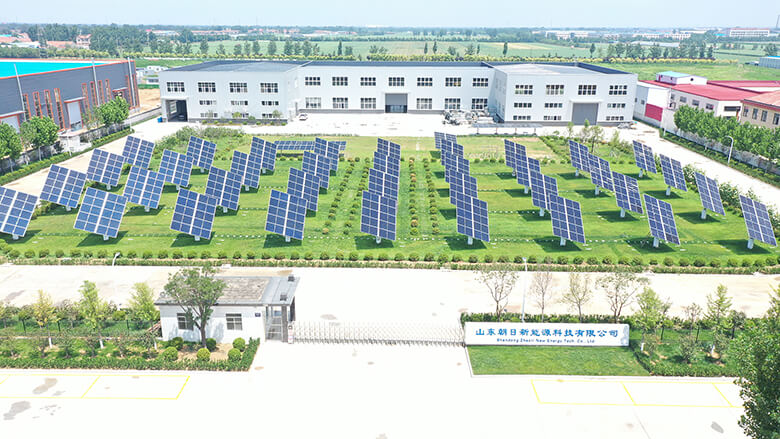
Leveraging Shandong Zhaori New Energy's 50,000 m² advanced manufacturing facility to supply global utility demands.
Based in Shandong, China, our company represents the pinnacle of localized vertical integration. From initial steel fabrication to software controller programming, our manufacturing sequence is fully contained under one quality management system. This offers several core advantages to global buyers:
Market trends, global buyer demands, and customized applications for complex installations.
Integrating bifacial modules with single axis trackers creates a synergistic power boost. Reflected light from the ground (albedo) is captured by the rear panel face, increasing overall energy density up to an additional 10-15% over monofacial tracking configurations.
Traditional trackers required flat grading. Zhaori's modern 1P and 2P single axis systems feature self-aligning bearings and cardan joints that allow trouble-free operations on North-South slopes of up to 15%, significantly reducing land grading costs.
Our trackers are aerodynamically tested to survive winds of up to 60 m/s. During extreme wind events, the automated controller activates the stow-position strategy, flattening the array angle to minimize wind-load damage.
Explore our tracking configurations deployed under diverse soil, desert, and mountain conditions.
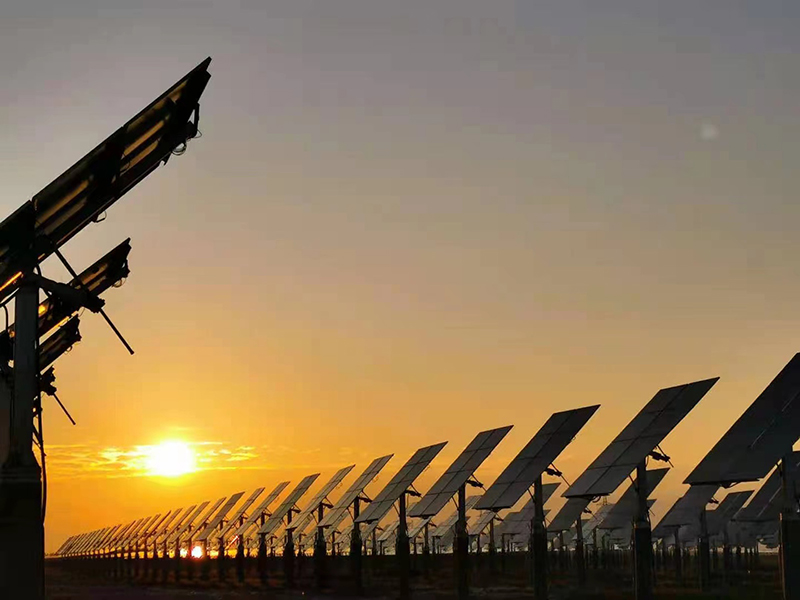
North China - Low temperature structural steel tracking
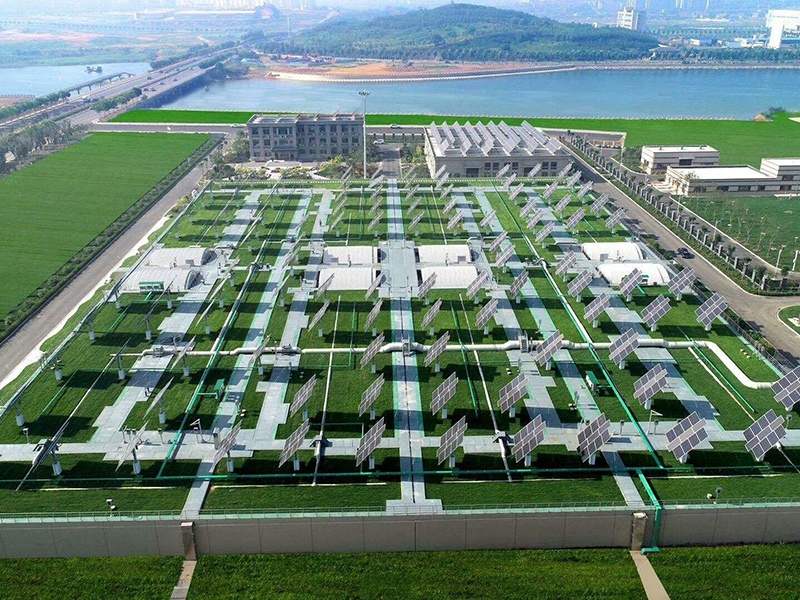
On-site distributed tracking system
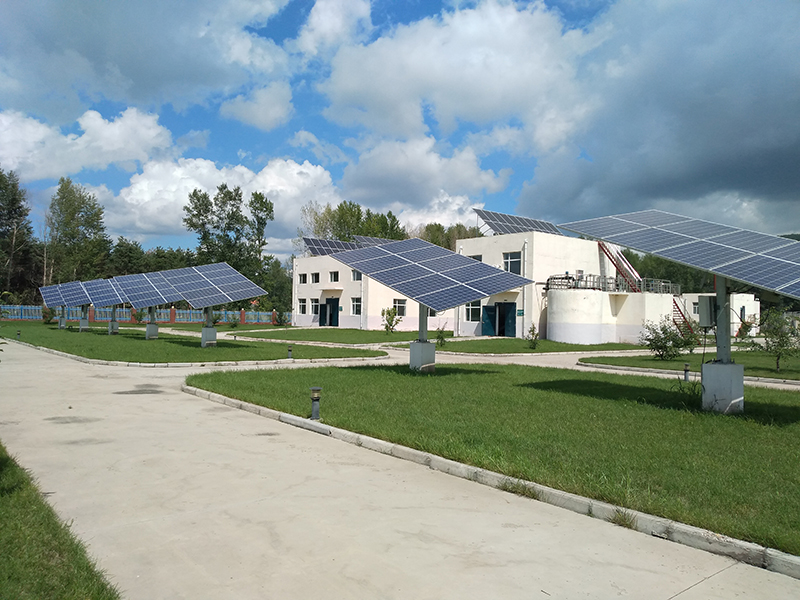
Integrated eco-friendly solar fields
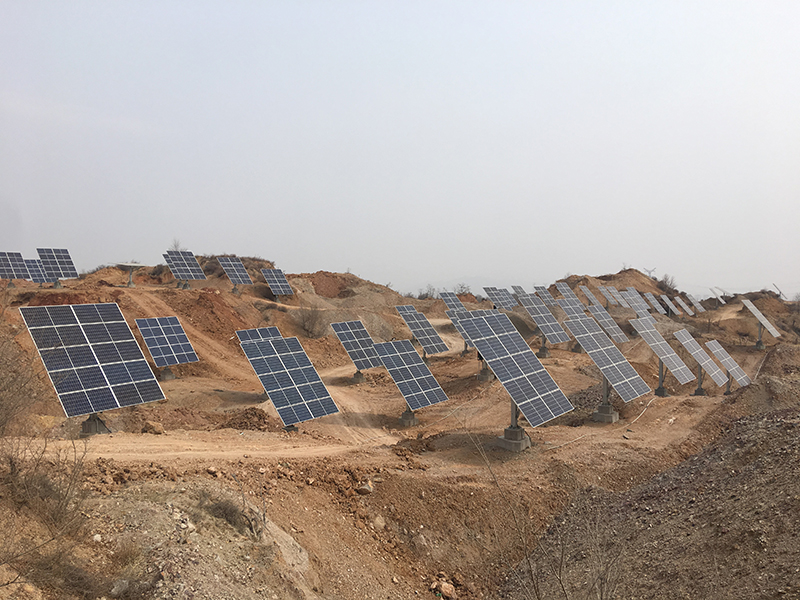
Optimized slope alignment tracker systems
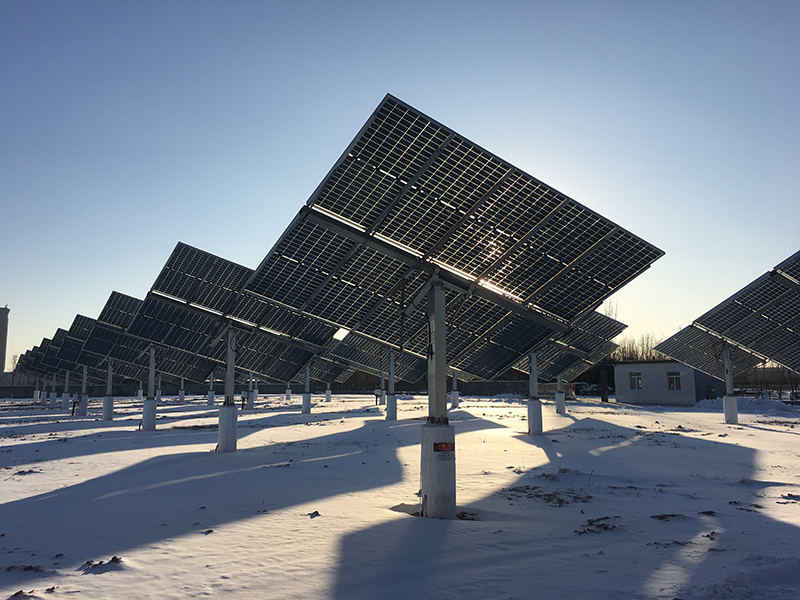
Built-in automated snow shedding controls
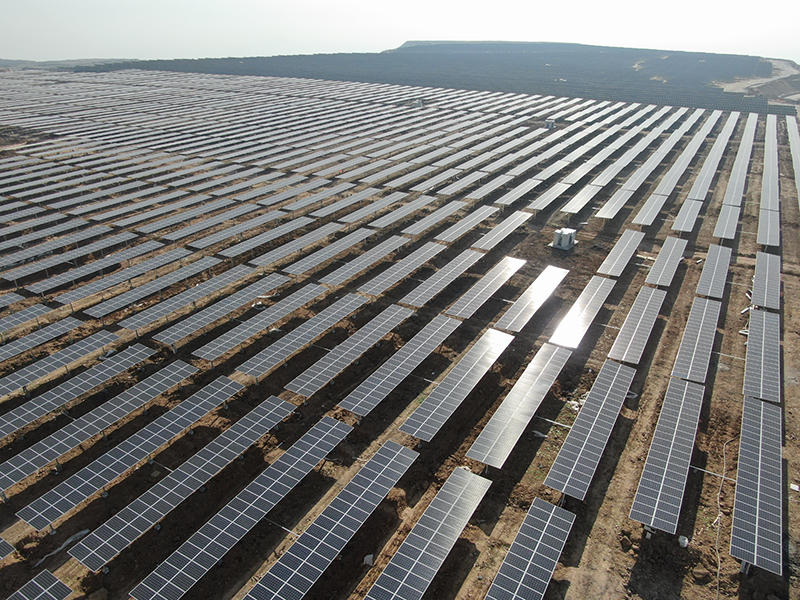
Utility scale horizontal tracking network
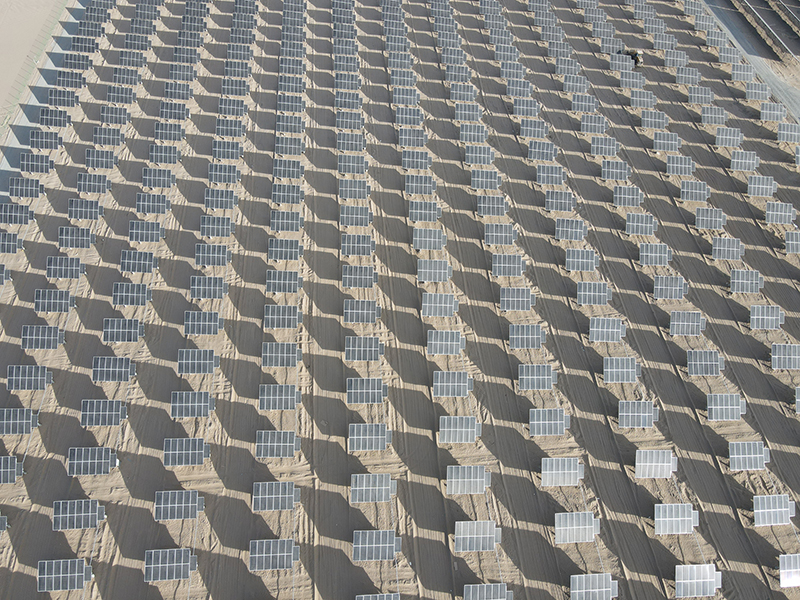
Tilted single axis system resilient against blowing sands
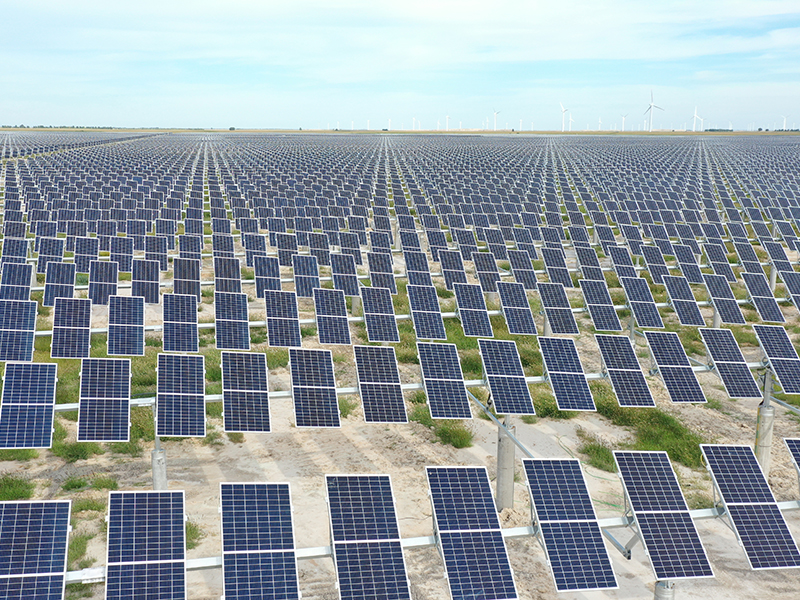
Flat horizontal structure featuring tilted solar modules
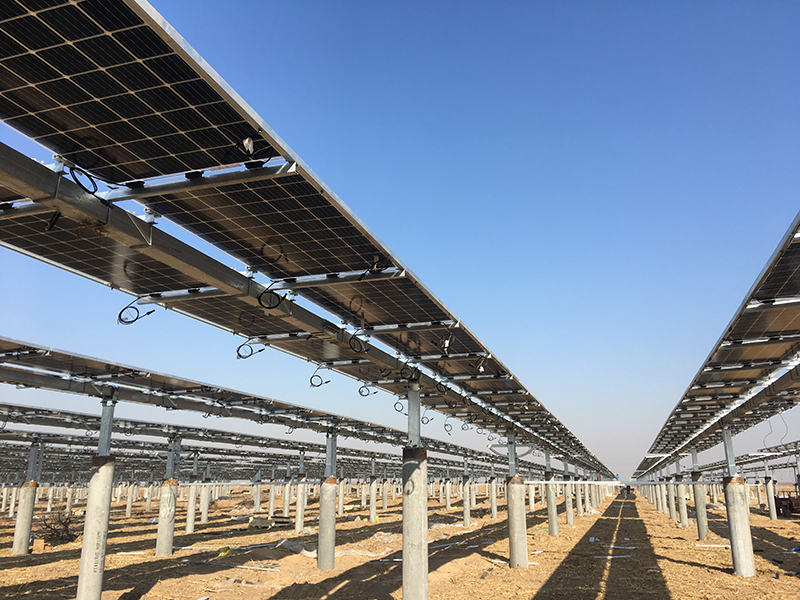
High-efficiency tracker coupled with bifacial modules
Technical answers to frequent procurement, structural engineering, and system design questions.
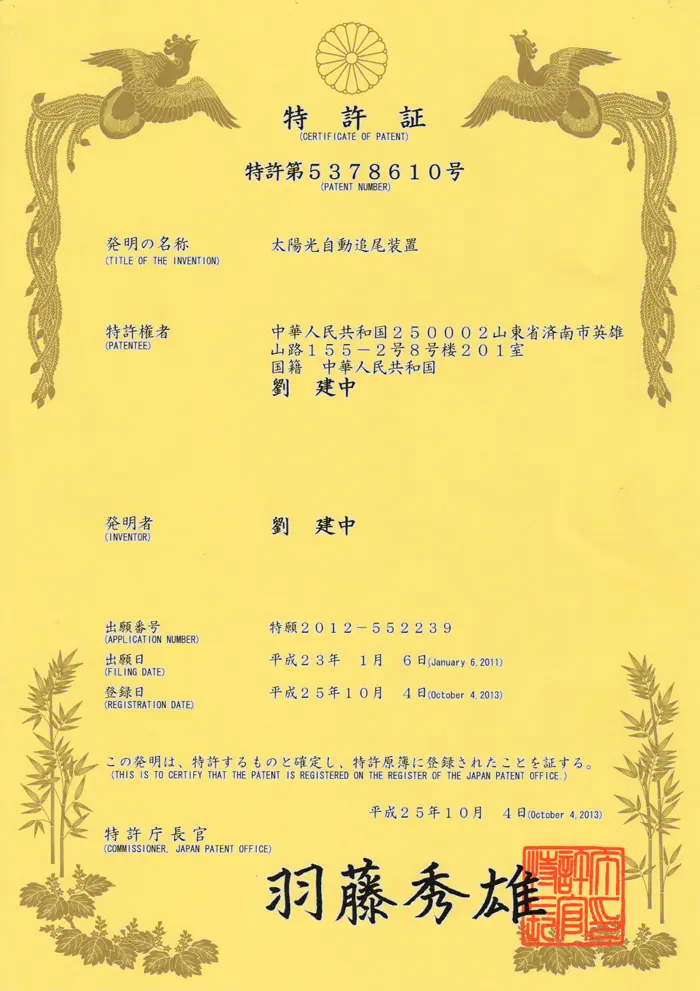
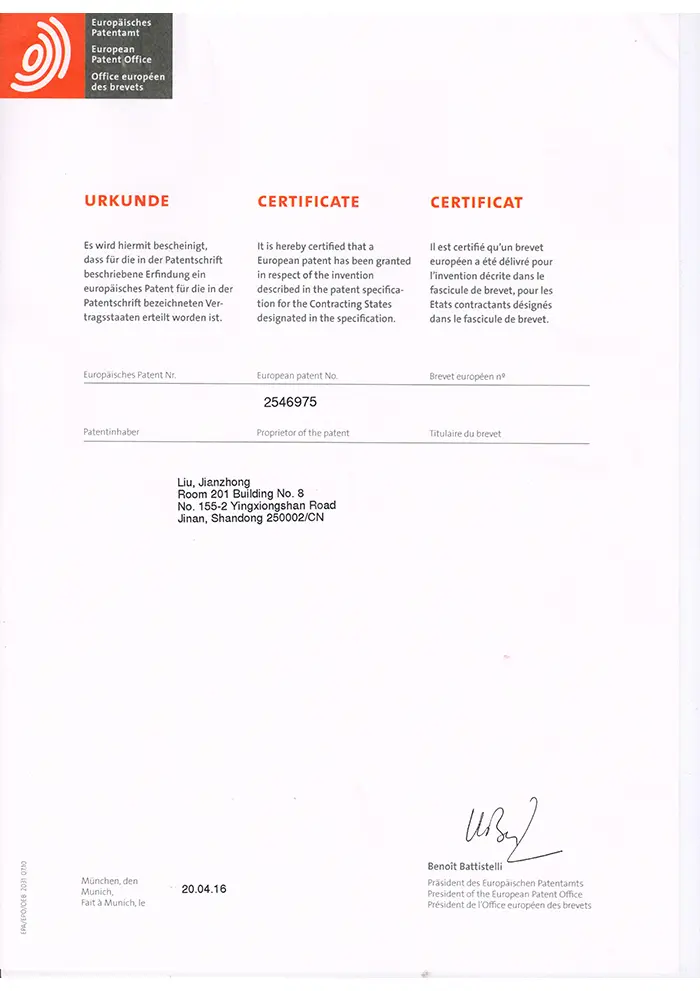
Tested and verified by international regulatory bodies for quality assurance and compliance.
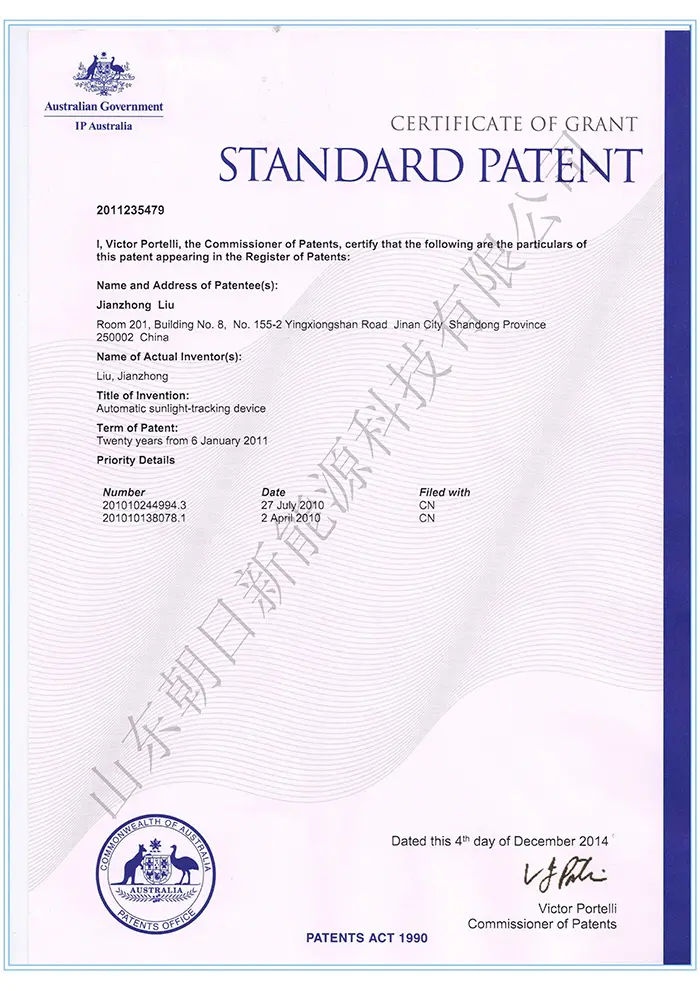
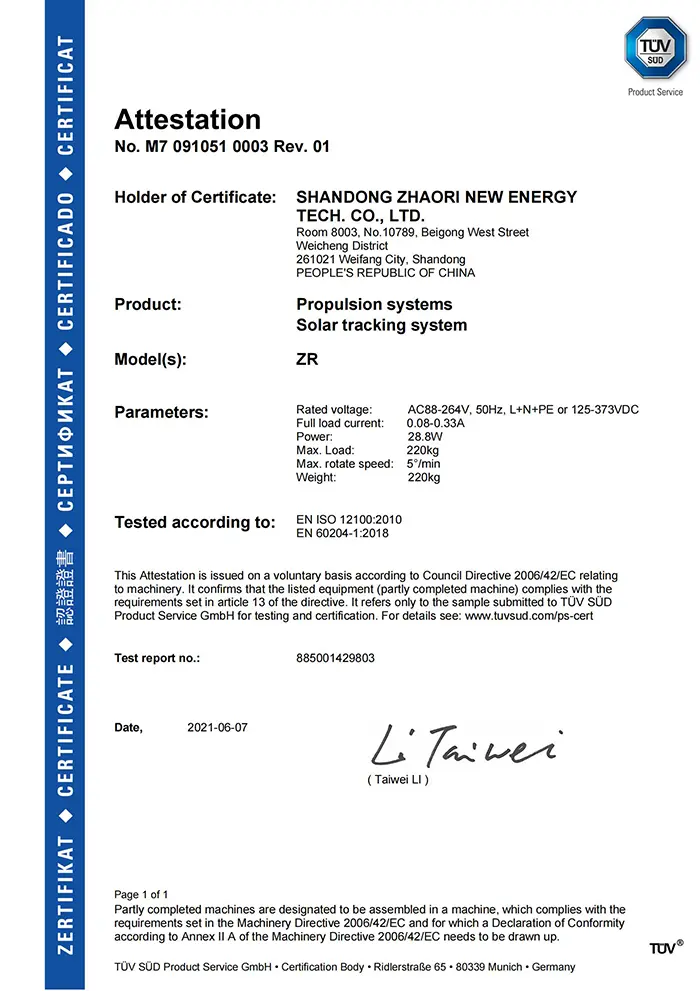
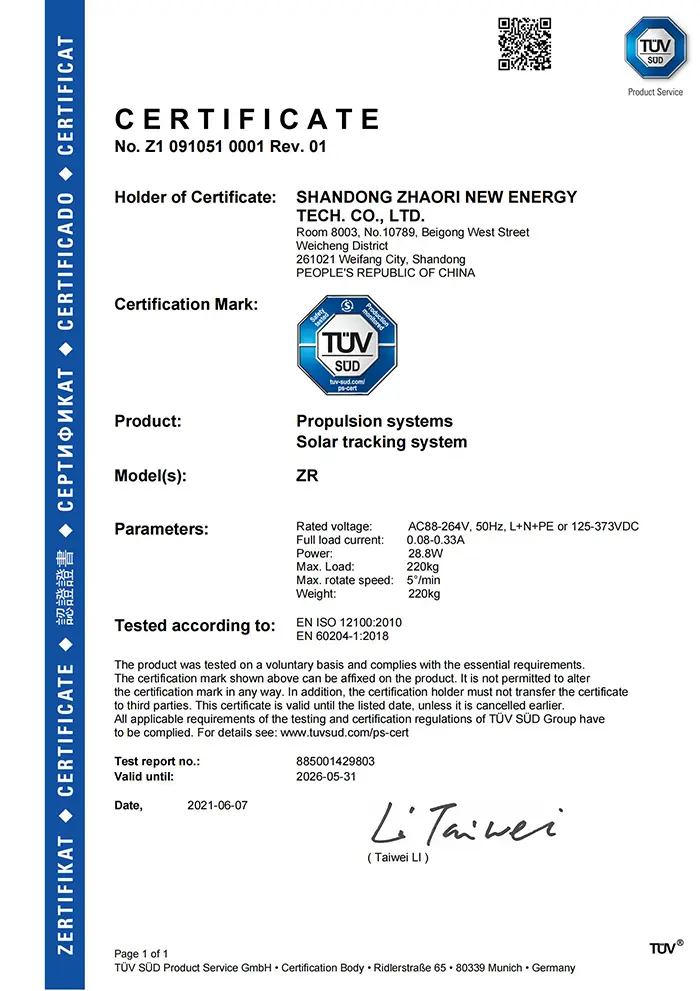
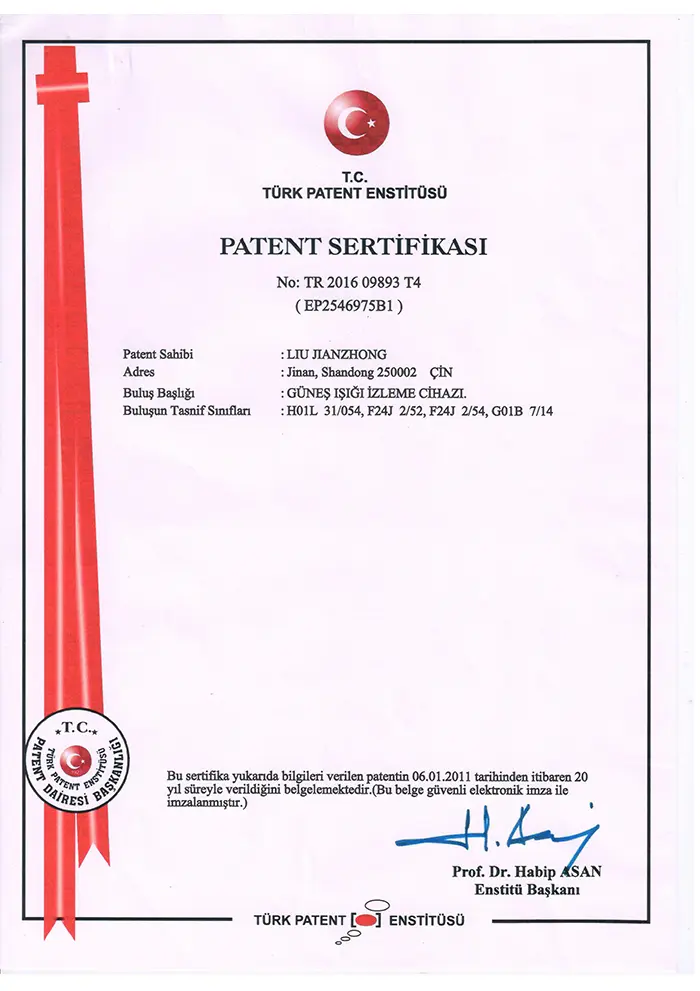


Select from our certified tilted single axis systems, manual racks, and tracking controllers.

Features a tilted orientation (10°–30° tilt) tracking the sun's azimuth angle, yielding 15%-25% more output than fixed configurations.

Heavy-duty steel mounting design with manual tilt adjustments to optimize seasonal solar angles at low investment costs.
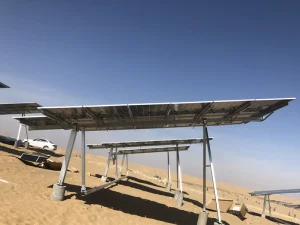
Optimized tilted single axis configuration matching high-latitude project constraints to maximize solar tracking sweeps.

The high-end dual axis tracker model built to hold up to 20 panels, delivering optimal energy harvesting values.
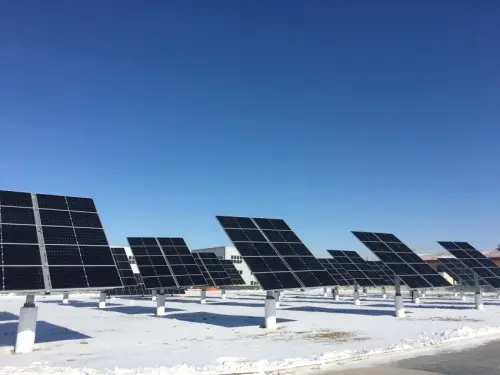
Sunchaser Dual Tracker features high durability drive gears and control cards built for severe climate applications.
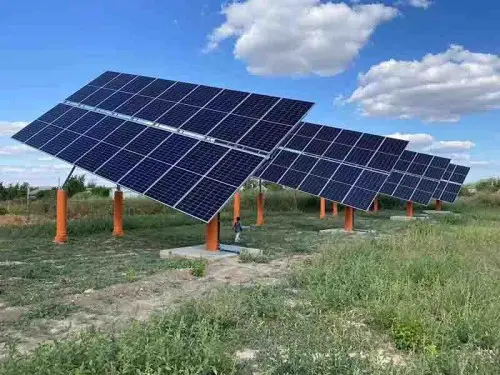
Each set mounts 10 to 20 solar modules, generating 15%-25% power gains compared to flat ground mounting configurations.
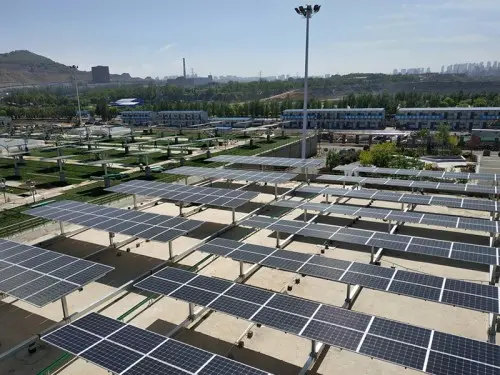
Accommodates 10 to 60 solar panels in single or linked-row arrays, boosting yields by 15% to 30% over standard static arrays.
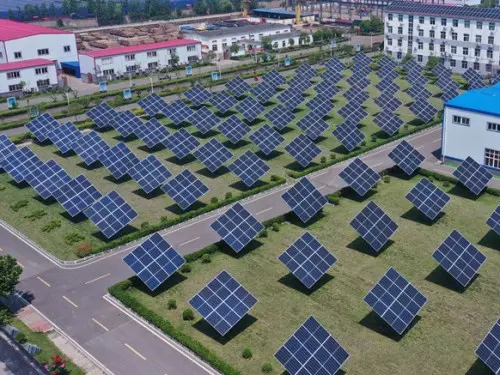
Leverage sunlight to its full potential with dual axis azimuth tracking, utilizing intelligent astronomical algorithms.
 Zhaori