In the rapidly evolving landscape of renewable energy, the efficiency of solar power generation is no longer just about the quality of the panels; it is about the precision of their orientation. Shandong Zhaori New Energy Tech. Co., Ltd. stands at the forefront of this technological shift as a high-tech enterprise driven by independent intellectual property rights and a decade of specialized R&D.
Founded in June 2012, our organization has meticulously built a vertically integrated ecosystem consisting of 10 core departments. From the initial conceptualization in our R&D wing to the final execution by our engineering and foreign trade departments, every step is optimized for global excellence. With over 60 professional technology talents and a cumulative decade of focus on photovoltaic (PV) power stations, we don't just manufacture brackets—we engineer yield-enhancing solutions.
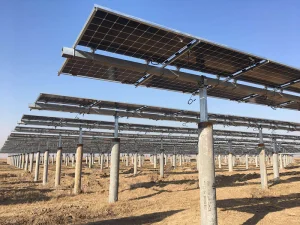
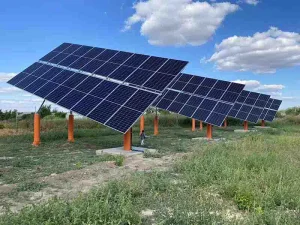
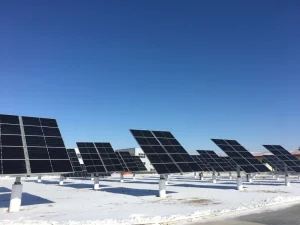
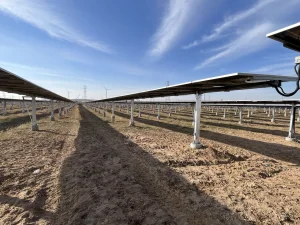
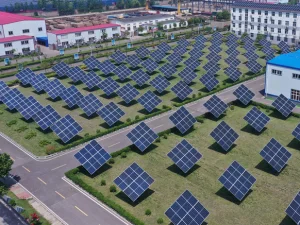
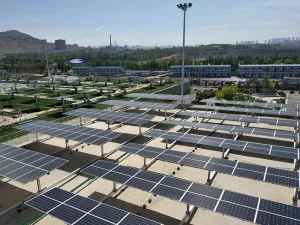
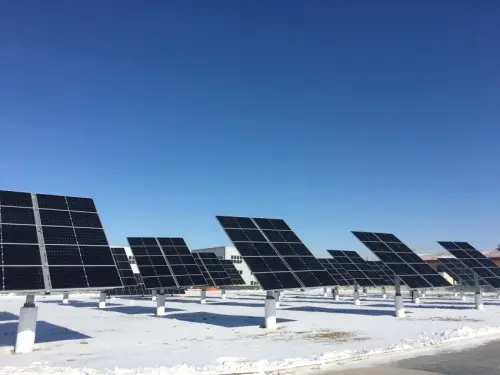
Modern utility-scale solar projects are increasingly abandoning fixed-tilt structures in favor of single-axis trackers (SAT). The logic is simple yet profound: by following the sun's trajectory from east to west, SAT systems can increase energy production by 15% to 30% compared to static systems. Our ZRPT flat single axis trackers and ZRT tilted systems are designed to minimize the Levelized Cost of Energy (LCOE) while maximizing the Internal Rate of Return (IRR) for investors.
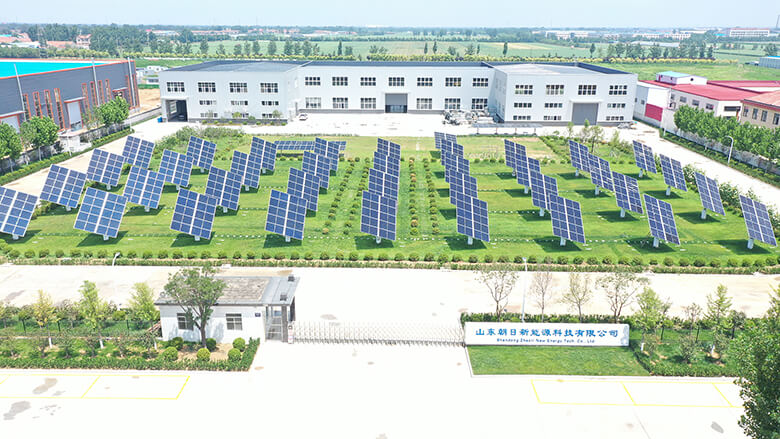
Our factory, spanning over 50,000 square meters, is a testament to industrial automation. Equipped with CNC machine tools, high-precision laser cutting machines, and automated welding robots, we ensure that every structural component meets micron-level tolerances.
Why choose a Chinese manufacturer for solar tracking? The answer lies in the Integrated Supply Chain Advantage. By being located in the heart of the world's steel and electronics manufacturing hub, we can source raw materials and sensors with unparalleled speed and cost-efficiency. This allows us to maintain a production capacity of 500MW per month, ensuring that even large-scale utility projects stay on schedule.
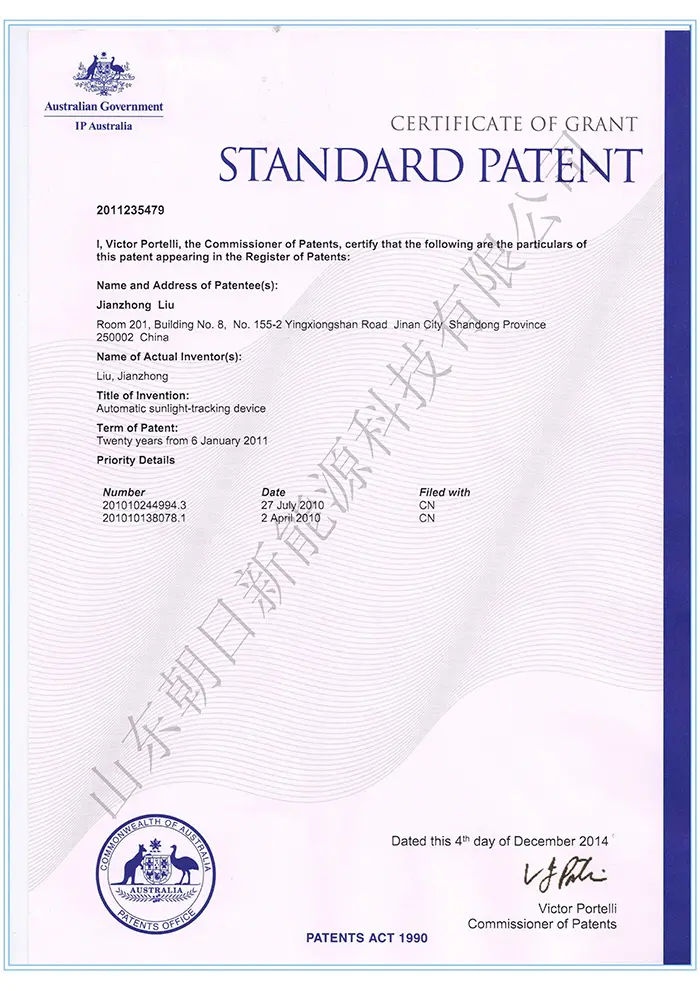
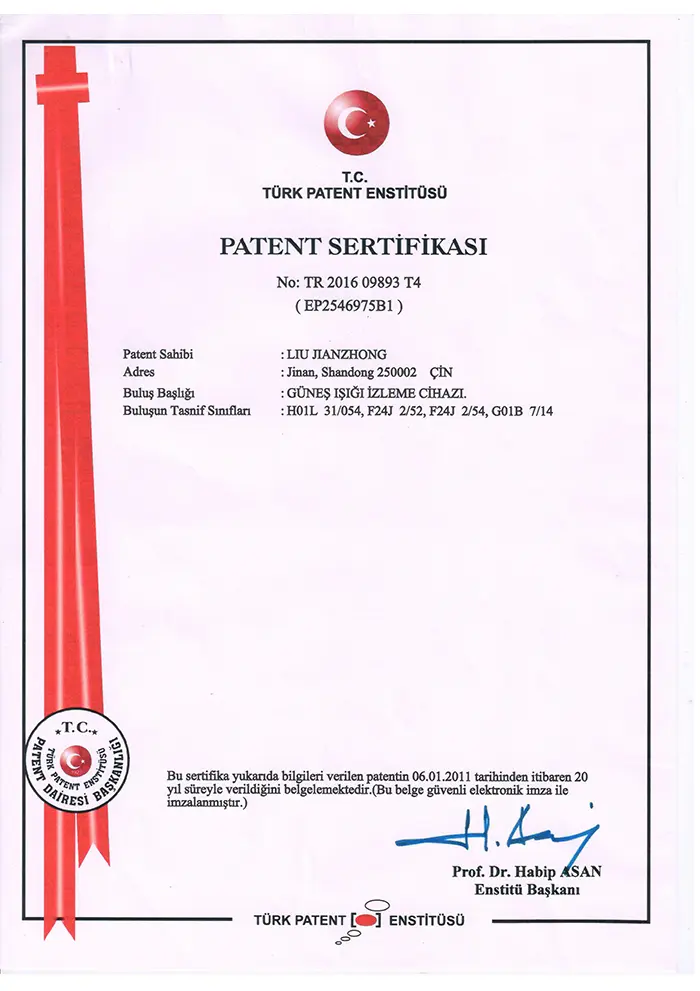
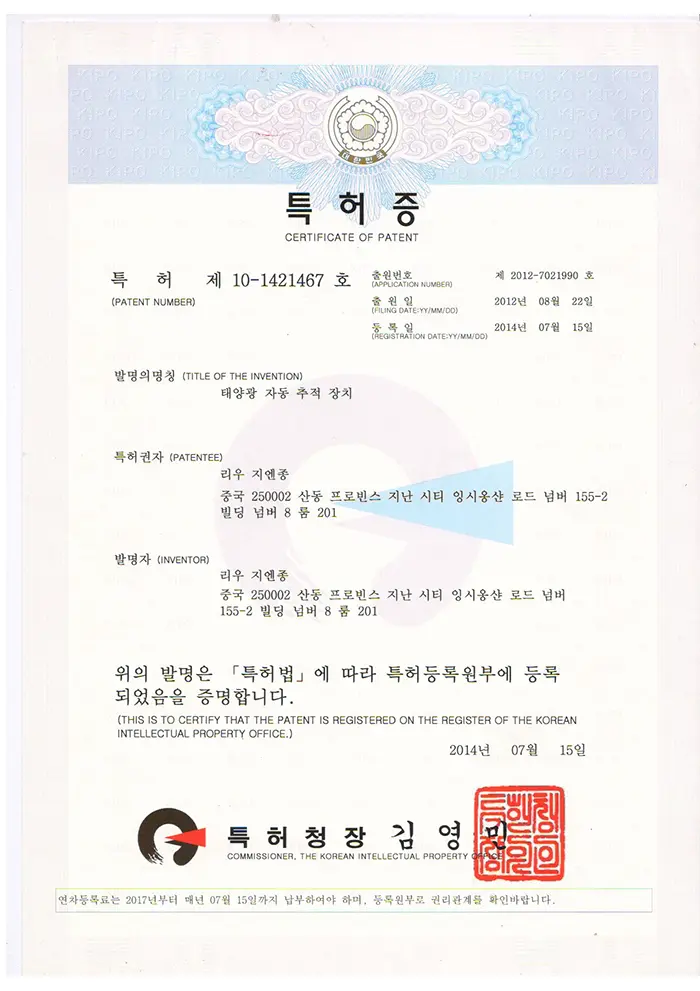
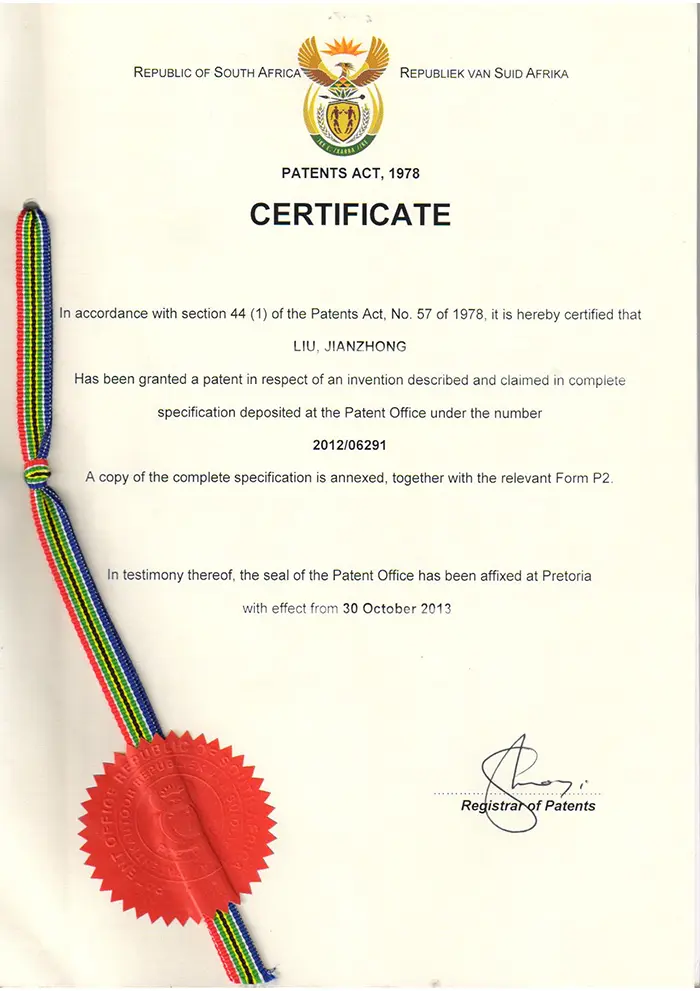
Our innovations are protected globally. We have obtained invention patents from the European Patent Office (EPO), United States, Canada, Australia, Japan, South Korea, Thailand, India, Brazil, and South Africa. This ensures our clients are protected from intellectual property disputes and have access to verified, unique technology.
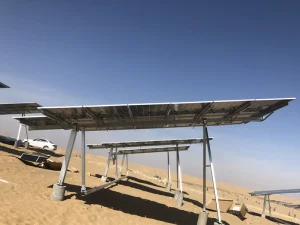
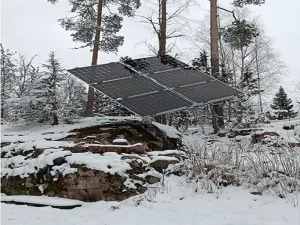
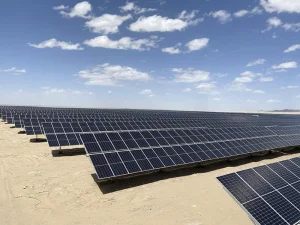
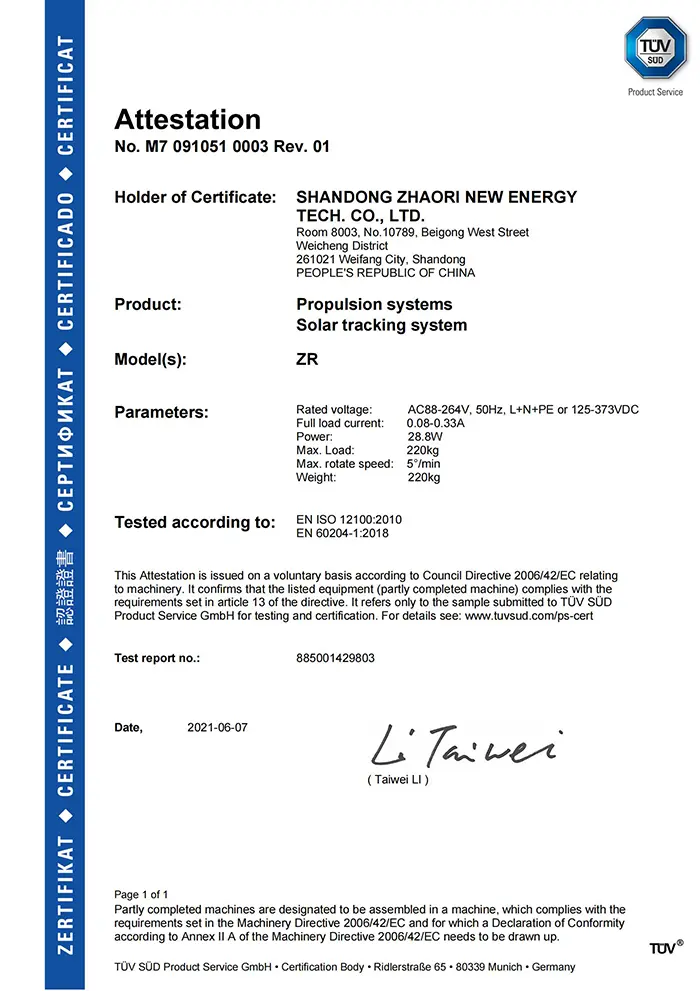
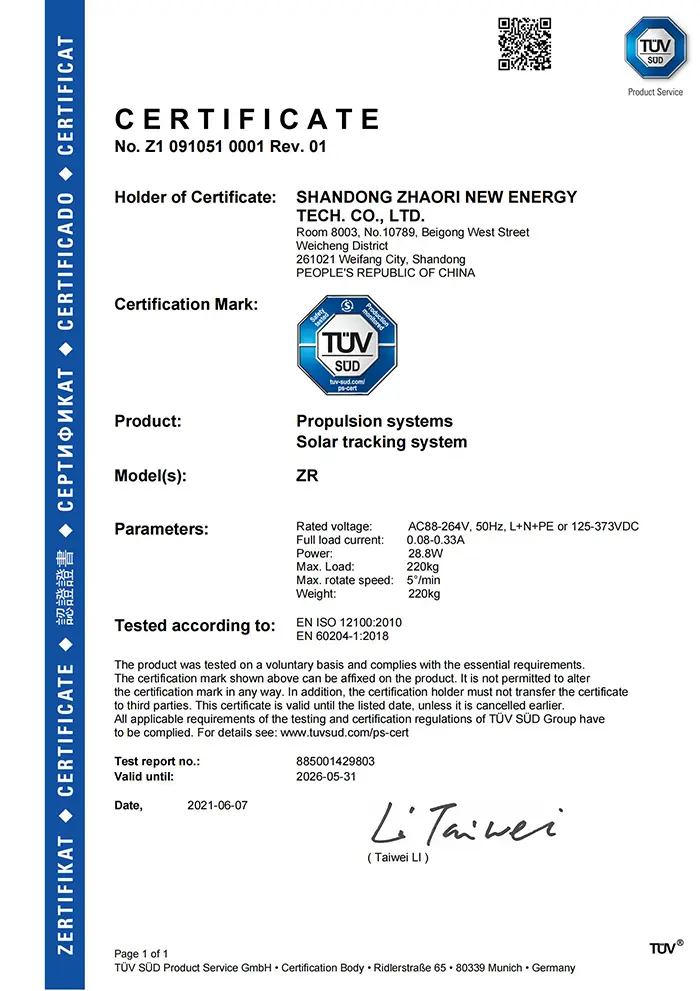
Compliance is non-negotiable. Our products carry TUV, CE, and ISO certifications. Each system is designed to withstand extreme environments, from the high winds of coastal regions to the scorching heat and sand of desert deployments.
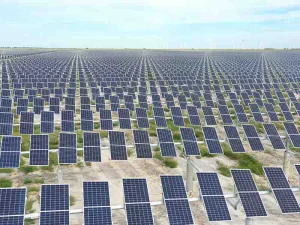
Understanding local grid codes and land requirements is crucial. Shandong Zhaori provides comprehensive localization support, including geotechnical analysis, wind tunnel testing data, and on-site assembly supervision. Whether it's a 110MW bifacial project in Shanxi or a 20MW desert array, our "Simple, Reliable, Effective" principle ensures local installers can deploy the systems with minimal specialized training.
Designed for Durability and Yield Maximization
Optimized for low-latitude regions, the ZRP system tracks the sun's azimuth angle. Available in 1P and 2P configurations, it is highly compatible with bifacial modules, offering an additional 5-10% gain through rear-side irradiance.
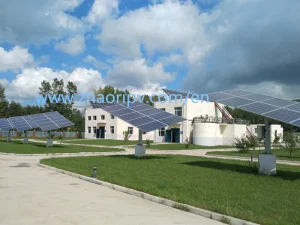
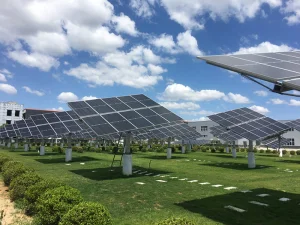
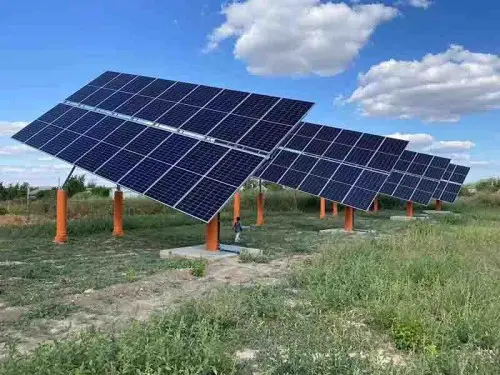
Featuring a 10° – 30° tilted axis, this system is a game-changer for mid-to-high latitude regions. By combining seasonal tilt benefits with daily tracking, it fills the gap between single and dual-axis efficiency.
The pinnacle of solar tracking. With both altitude and azimuth tracking, ZRD systems ensure the panels are always perpendicular to the sun's rays, achieving the highest possible energy density per square meter.
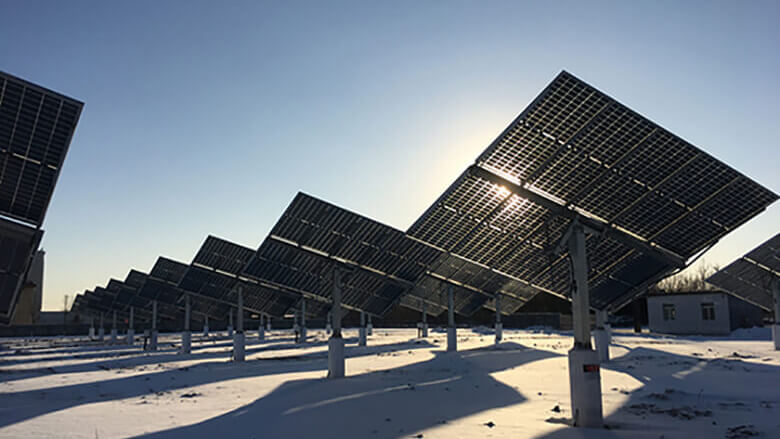
The solar industry is shifting towards Artificial Intelligence (AI) and Big Data. Modern trackers now utilize "backtracking" algorithms to prevent row-to-row shading during early morning and late evening. Shandong Zhaori is actively integrating these smart features into our control units, allowing for real-time adjustments based on weather sensors and historical data.
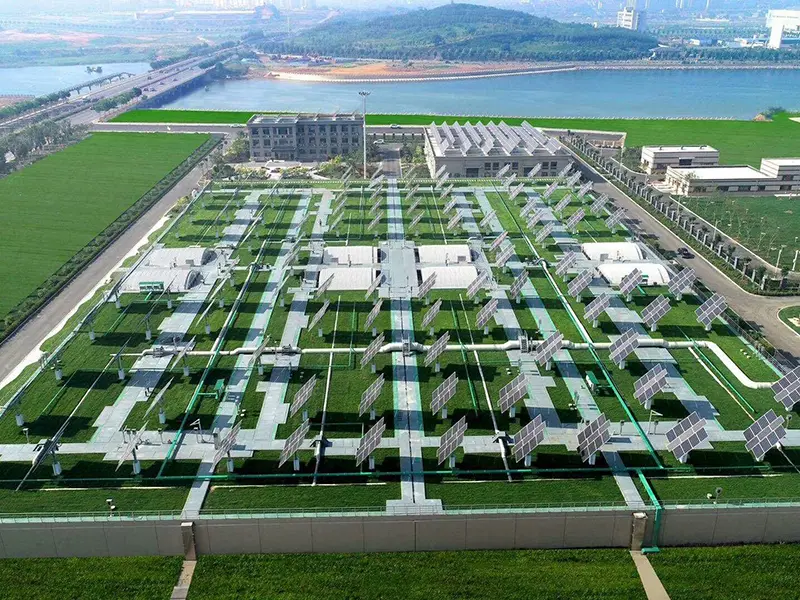
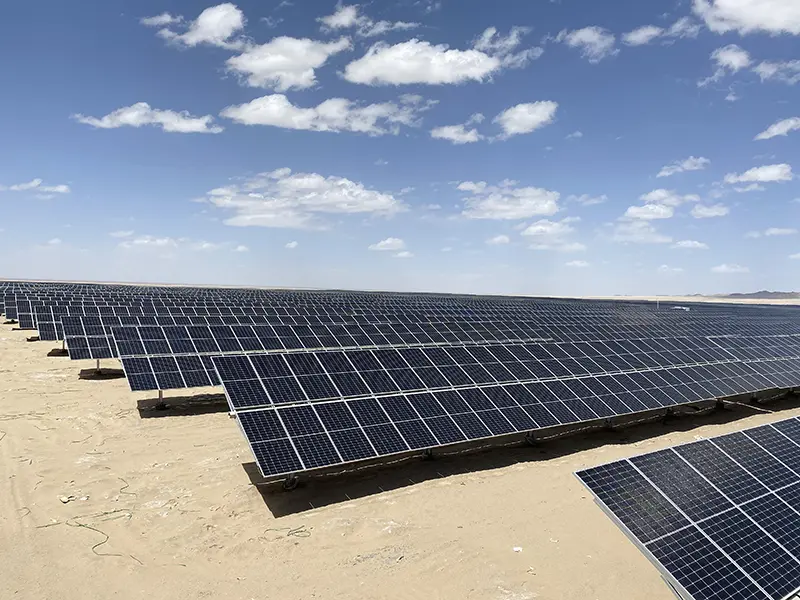
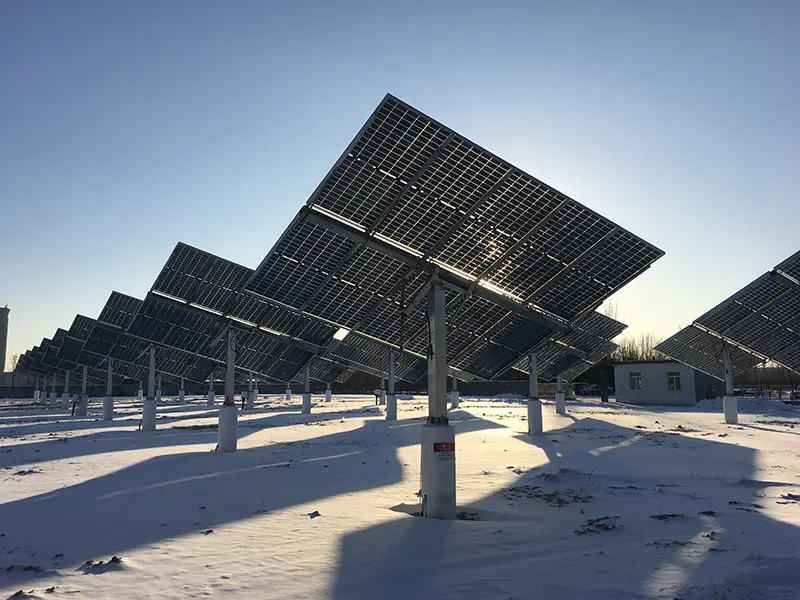
1P (One-in-Portrait) trackers feature a single row of panels in portrait orientation, offering better stability in high winds. 2P (Two-in-Portrait) trackers mount two rows of panels, reducing the number of foundations required and lowering overall structural costs for certain land types.
We have a dedicated Foreign Trade and Engineering department that manages the entire process from seaworthy packaging to customs clearance documentation, ensuring global enterprises receive their components safely and timely.
Yes. Our designs minimize structural shading on the back of the modules, which is critical for maximizing the energy gain from bifacial PV technology.
Our trackers are designed for high reliability. Standard maintenance typically involves a biannual inspection of drive motors and electronic sensors, alongside regular cleaning of the PV panels themselves.
 Zhaori