Maximize energy yields up to 35% with our industry-certified automatic tracking and adjustable structural solutions.
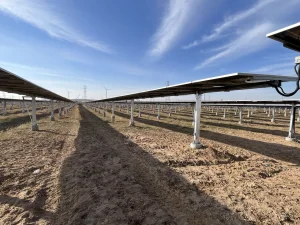
Designed for optimized ground coverage ratio, offering high torsional stiffness and fast wind-stow reaction speeds.
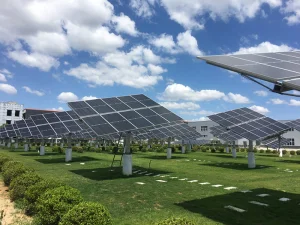
Advanced dual-axis tracking maximizes light collection efficiency, outputting 30-40% more electricity than static racks.
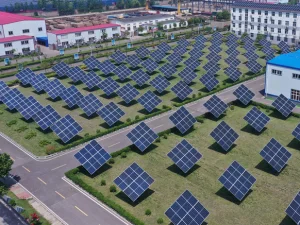
Robust architectural dual-axis layout built specifically for rugged desert terrains and heavy snowfall zones.
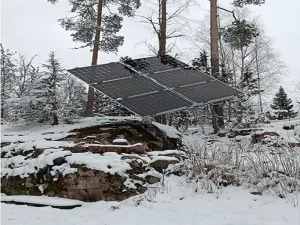
Reliable tracker designed with proprietary backtracking algorithms to completely eliminate row-to-row shadowing.
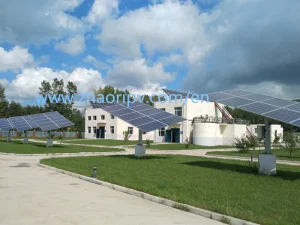
Cost-efficient tracking solution offering semi-automatic angle configurations for C&I applications.
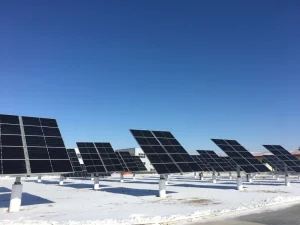
Industrial grade tracking systems supporting over 10kW per unit capacity, ideal for high-latitude applications.
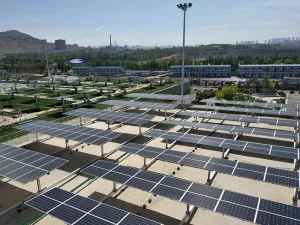
Innovative 2P configuration supporting two landscape modules, reducing overall foundation piles required.
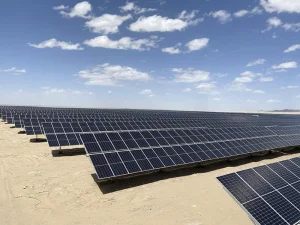
Manual multi-angle adjustments to optimize performance across dry and wet seasons without motor overhead.
The global solar energy landscape has experienced a monumental paradigm shift. As clean energy demands escalate, utility-scale developers and independent power producers (IPPs) are seeking every margin of performance optimization. Fixed-tilt mounting structures, once the staple of photovolatic (PV) designs, are rapidly being replaced by intelligent, automatic solar tracking systems. According to global energy research data, tracker installations are projected to constitute over 50% of all utility ground-mount systems globally by 2028.
This rapid shift is fundamentally driven by the Levelized Cost of Electricity (LCOE). Solar tracking systems dynamically adapt the tilt and azimuth orientation of solar modules, maintaining perpendicular alignment with incoming solar rays. This maximizes direct normal irradiance (DNI), which increases overall electricity generation. While single-axis trackers yield 15% to 30% more energy than fixed systems, dual-axis systems can push this efficiency gain up to 40% in regions with high direct radiation. As energy grids demand more consistent and predictable power delivery, solar trackers offer a smoother production curve throughout the day, mitigating early morning and late afternoon production drop-offs.
| System Type | Degrees of Freedom | Energy Gain (vs. Fixed) | Optimal Latitudes | Ideal Application Terrain |
|---|---|---|---|---|
| Flat Single-Axis (1P/2P) | 1 (East-West tracking) | 15% - 30% | 0° - 35° Latitudes | Flat terrain, slight slopes |
| Tilted Single-Axis | 1 (Elevated axis tilt) | 18% - 32% | 30° - 45° Latitudes | Desert plains, rolling hills |
| Dual-Axis Tracking | 2 (Elevation & Azimuth) | 30% - 40% | All (Highly beneficial >40°) | Complex terrain, mountains, high-latitude sites |
| Adjustable Fixed Bracket | Manual adjustment (2-4 times/year) | 8% - 12% | All Latitudes | High-wind zones, low-budget sites |
Founded in June 2012, Shandong Zhaori New Energy Tech. Co., Ltd. is a leading high-tech enterprise dedicated to the R&D, manufacturing, and international supply of state-of-the-art solar tracking technologies. Based on a strong foundation of independent intellectual property rights, we are committed to delivering highly reliable, simple, and effective mounting and tracking systems.
Our organizational structure consists of 10 specialized departments designed to ensure seamless end-to-end execution: R&D, Technical, Engineering, Production, Quality Assurance, Development, Foreign Trade, Domestic Trade, I.M.D. (Information & Media Development), and administrative support. With a dedicated team of over 60 professional technology and engineering experts, we leverage more than 10 years of intensive specialization in photovoltaic power station structural optimization and solar tracking mechanics.
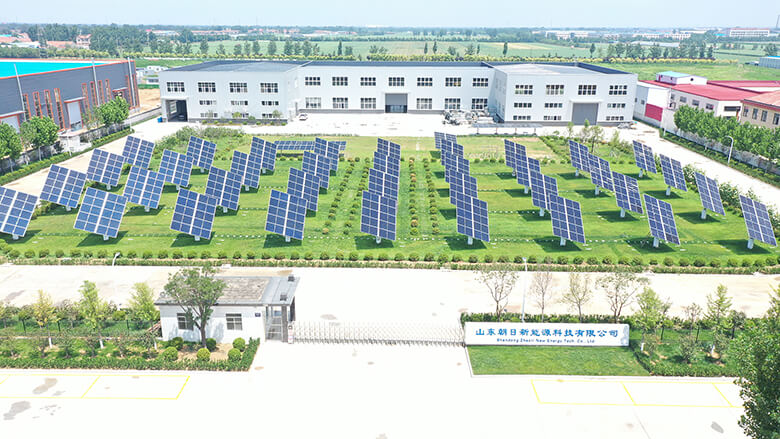
Our advanced manufacturing facility covers an expansive 50,000 square meters. It is equipped with heavy-duty CNC machinery, high-precision laser cutters, automated welding robots, plasma cutters, and dozens of high-efficiency production lines. With more than 300 skilled factory workers, our monthly production capacity reaches 500MW, enabling us to support utility-scale projects globally.
To guarantee long-term operation in corrosive outdoor conditions, all structural components undergo a rigorous quality control process, including: screening raw materials, precision cutting, automated structural welding, hydraulic forming, specialized anti-rust treatments (hot-dip galvanization and alloy coating), post-processing adjustments, final inspection, and heavy-duty packaging. Every step is fully certified to ISO 9001 standards.
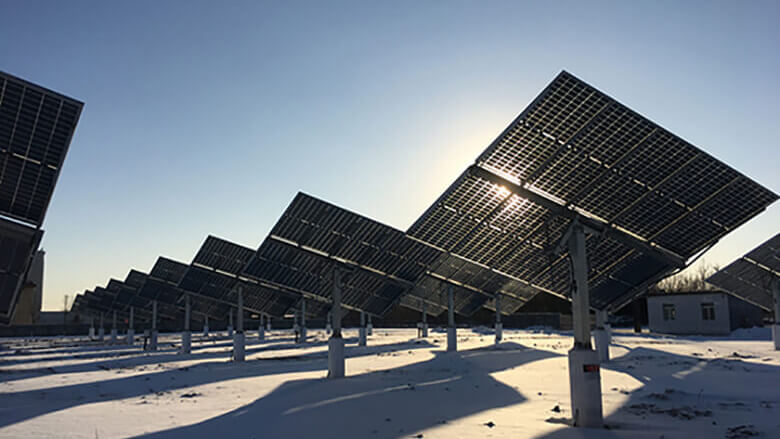
Demonstrated reliability in harsh deserts, freezing high-altitude mountains, utility systems, and C&I rooftop arrays.
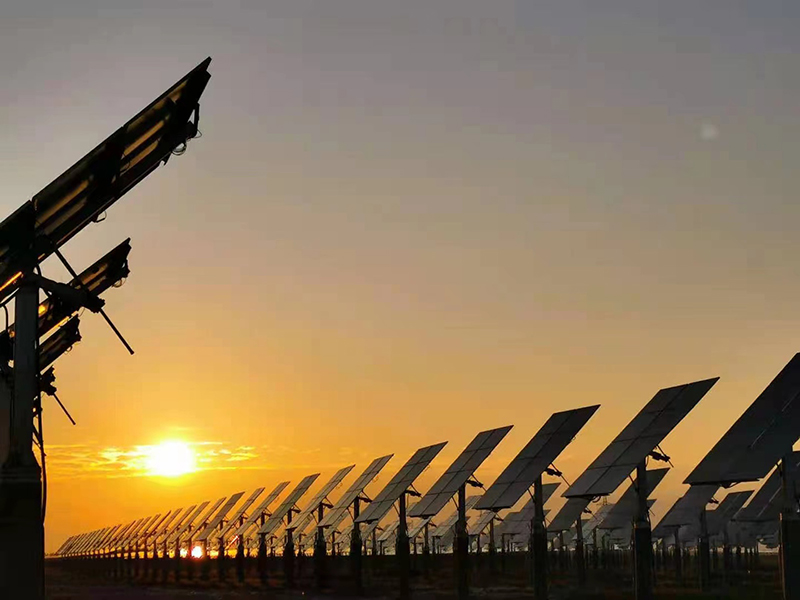
5MW Project in North China
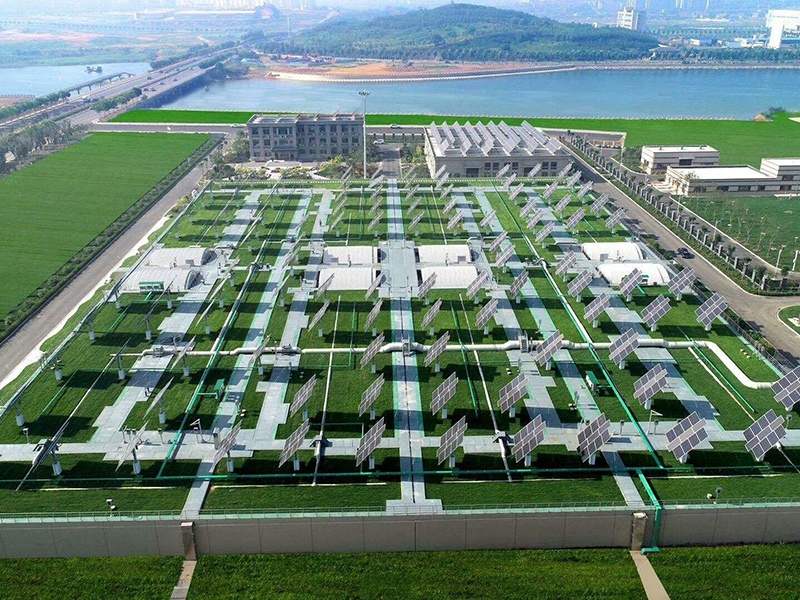
Factory C&I Project
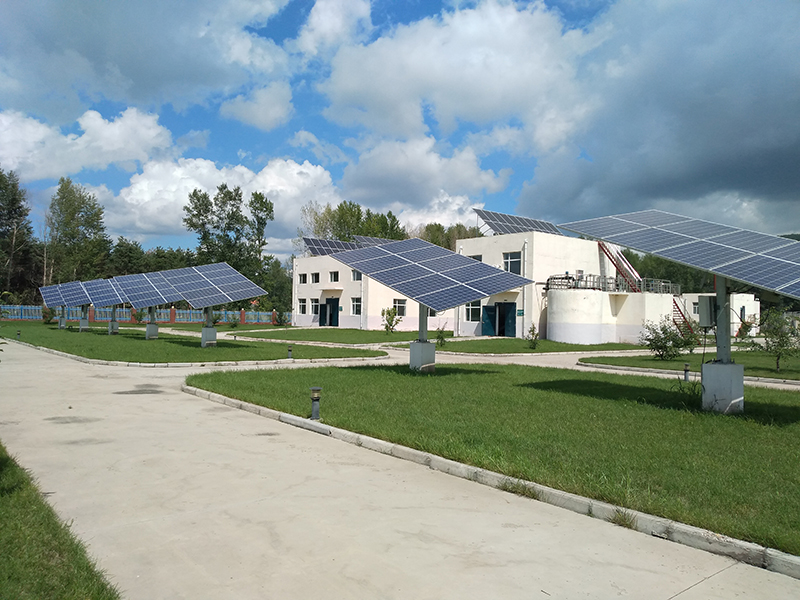
Green Belt Smart Grid Project
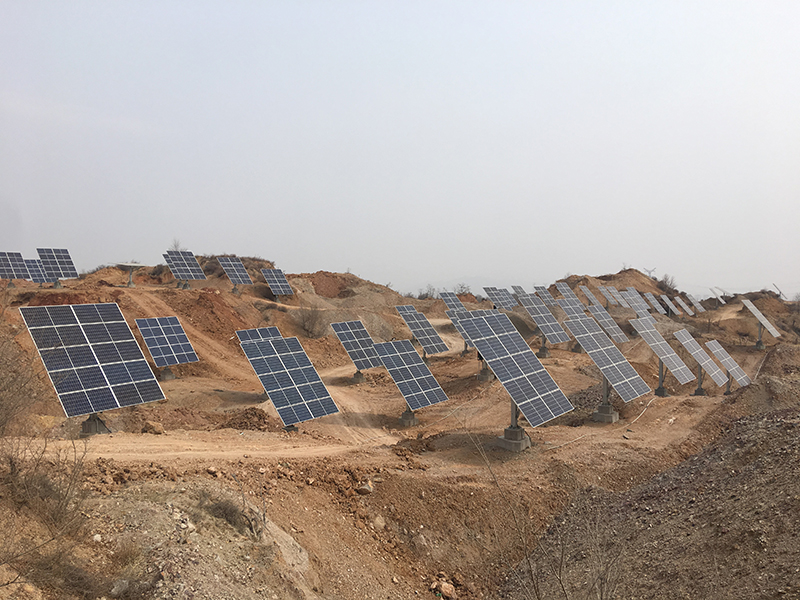
Mountain Array Dual Axis System
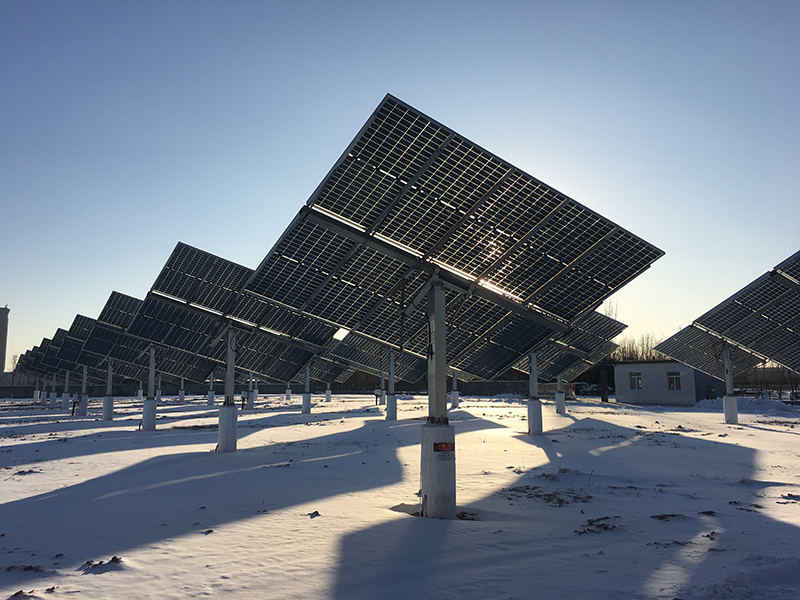
System Reliability Post-Snowfall
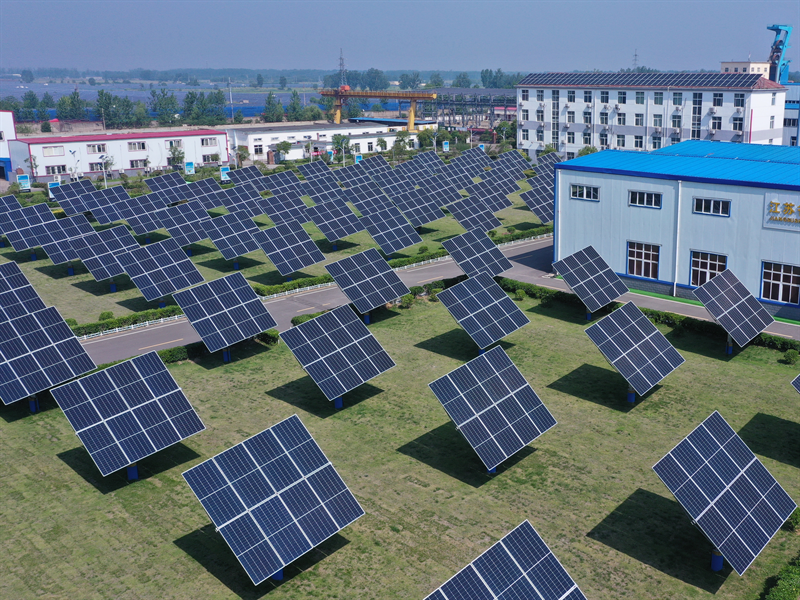
ZRD-08 Dual Axis Solar Tracker System
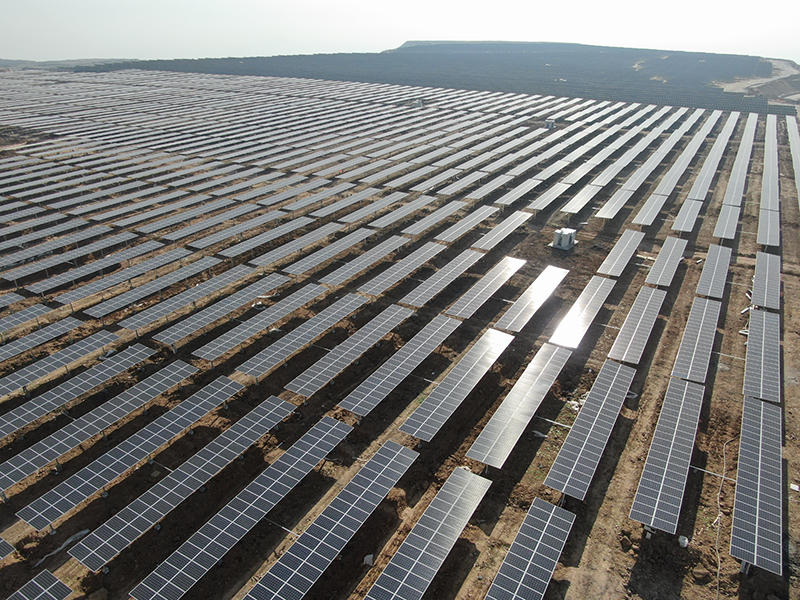
20MW Project in Central China
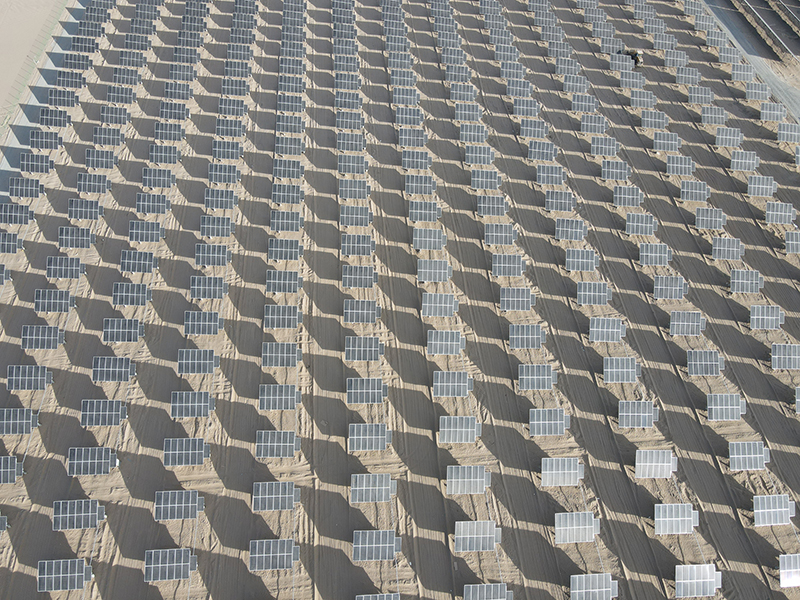
20MW Tilted Single Axis in Desert
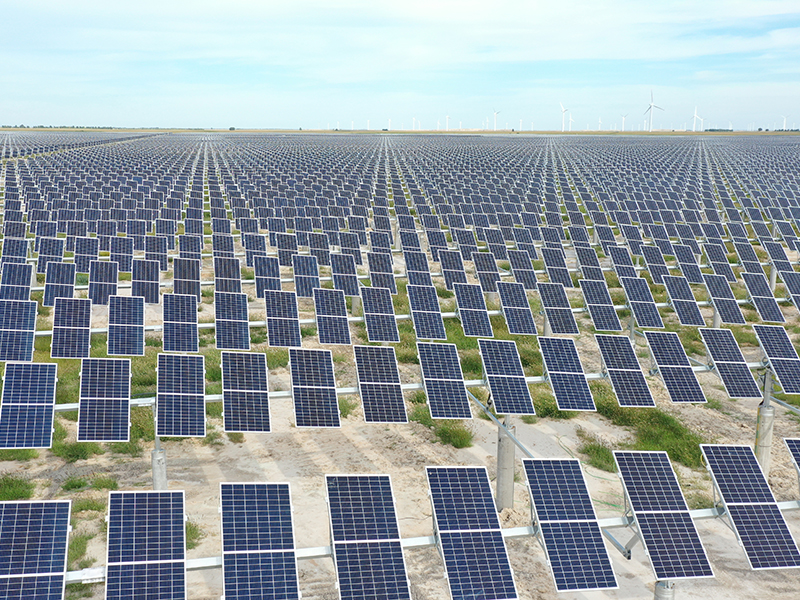
40MW Flat Single Axis with Inclined Modules
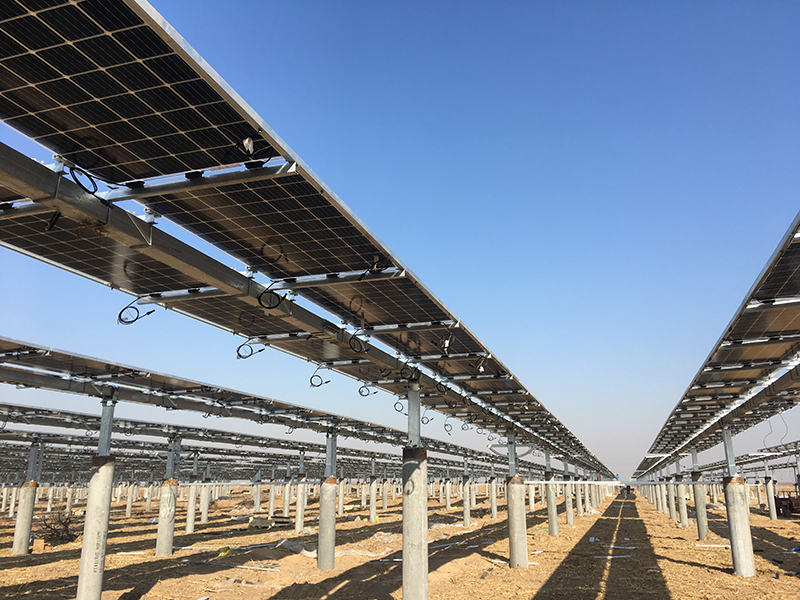
110MW Bifacial Single Axis Utility Site
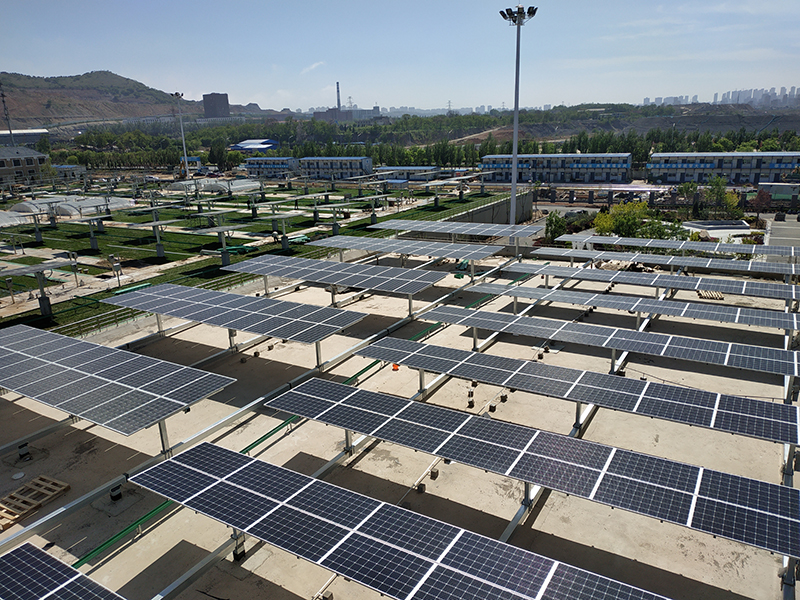
C&I Rooftop Tracking Array
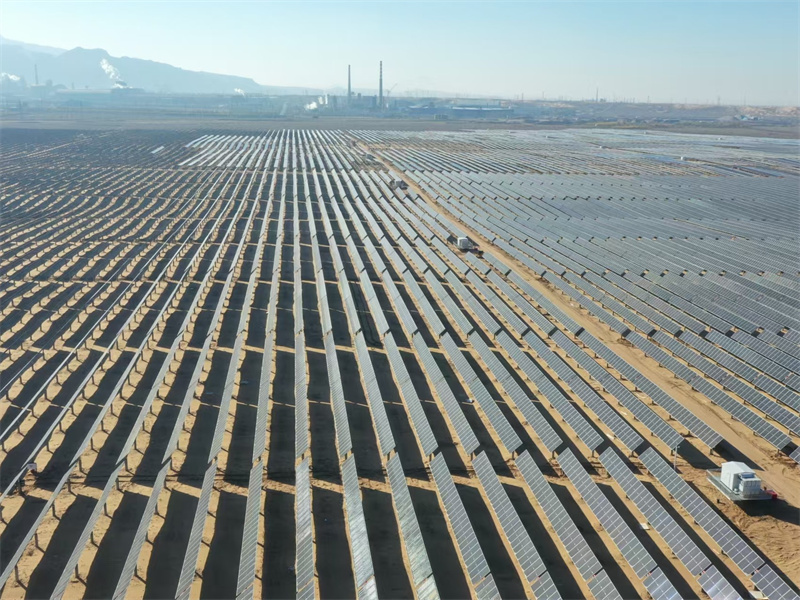
360MW Desert Mega-Scale Project
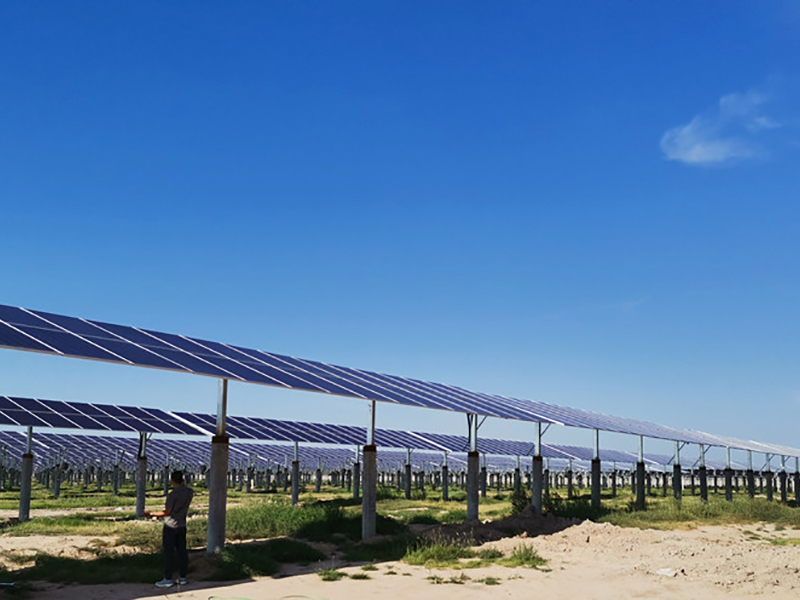
50MW SPIC Fixed-Adjustable Project
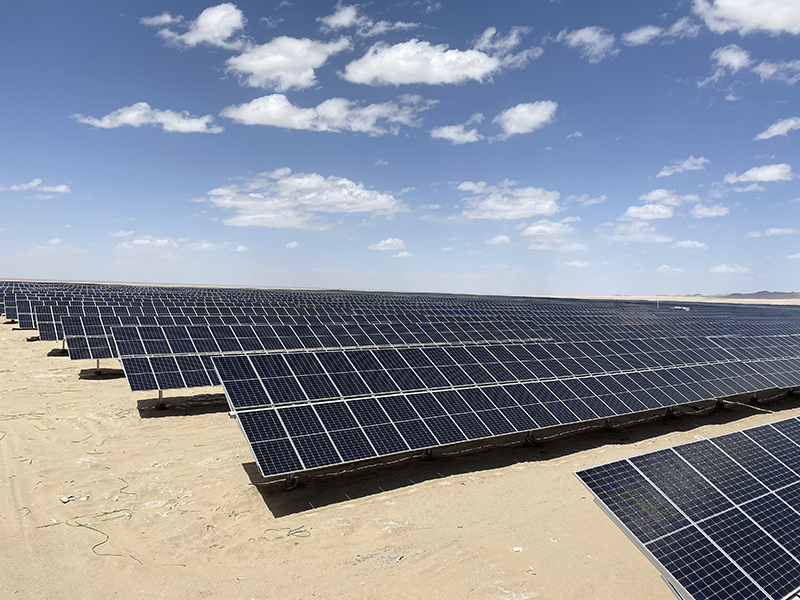
20MW Desert Fixed-Adjustable Grid
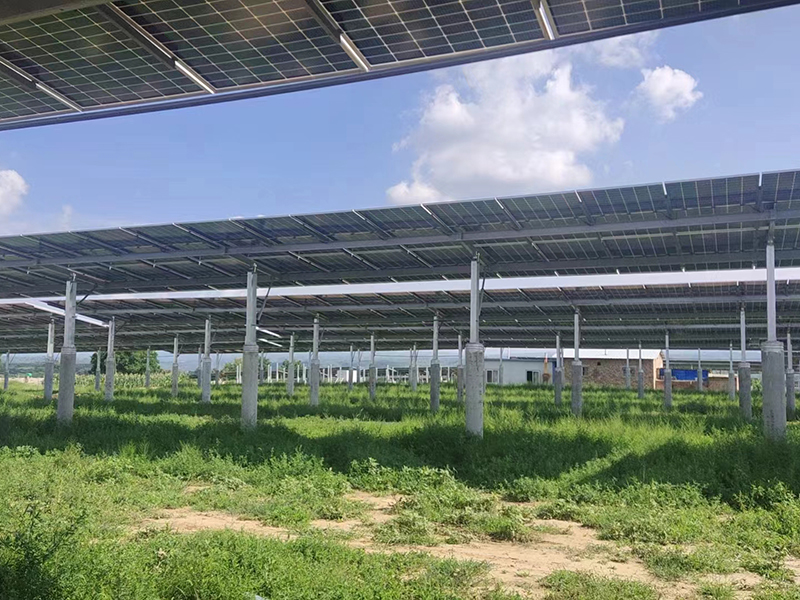
110MW Project in Shanxi Province
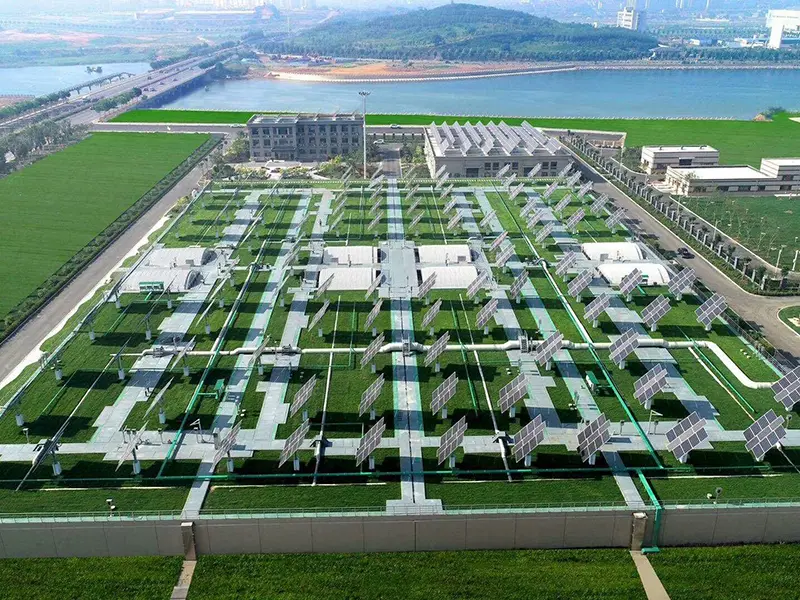
C&I Building Integration System
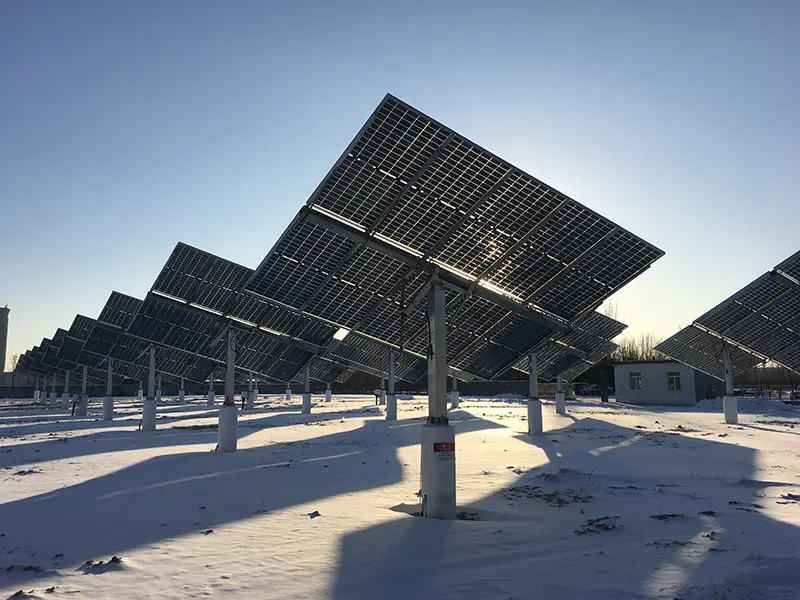
Severe Winter Structural Stress Test
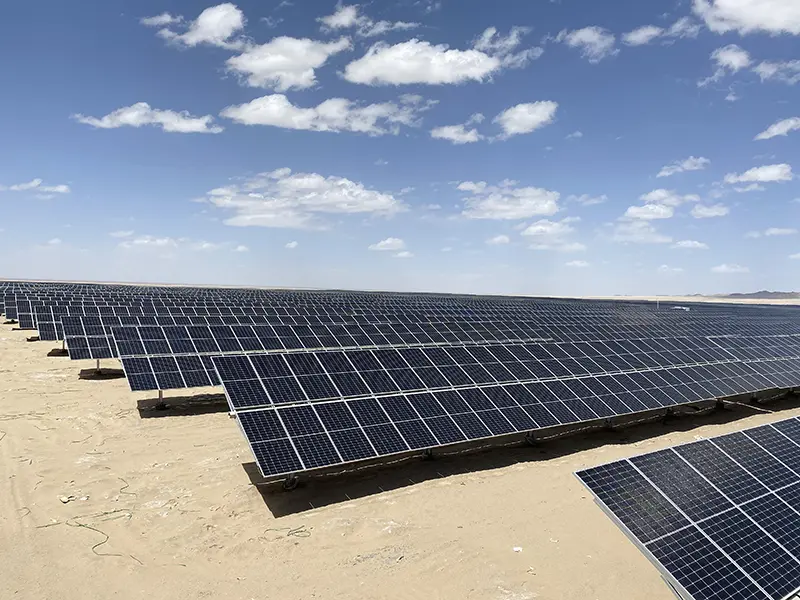
20MW Arid Environment Deployment
Watch our tracking systems operate in real-world environments, showing their responsiveness, alignment accuracy, and structural integrity.
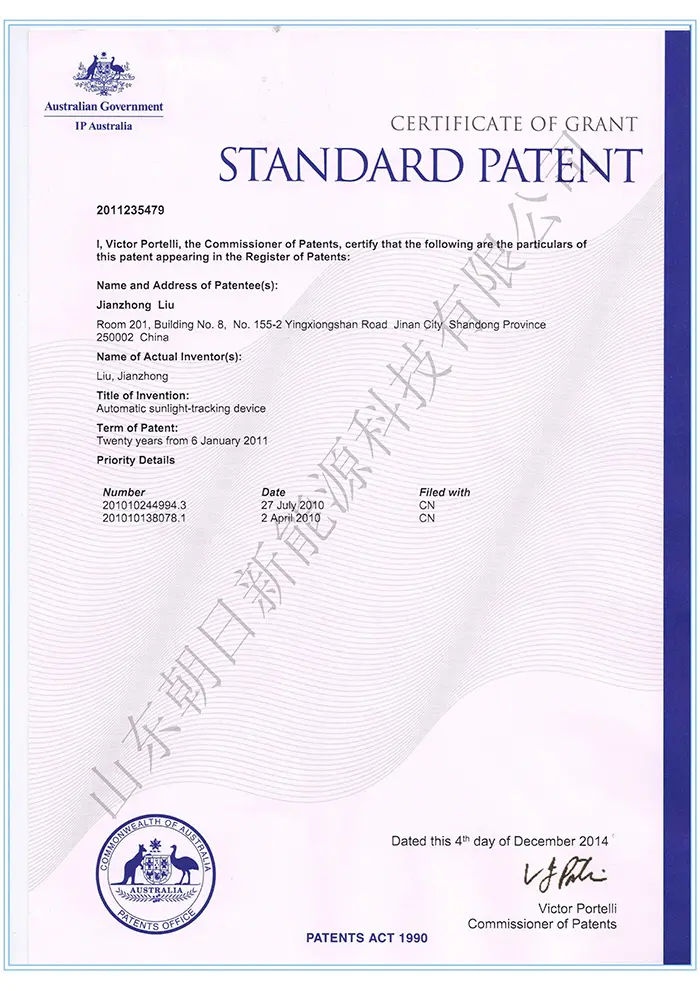
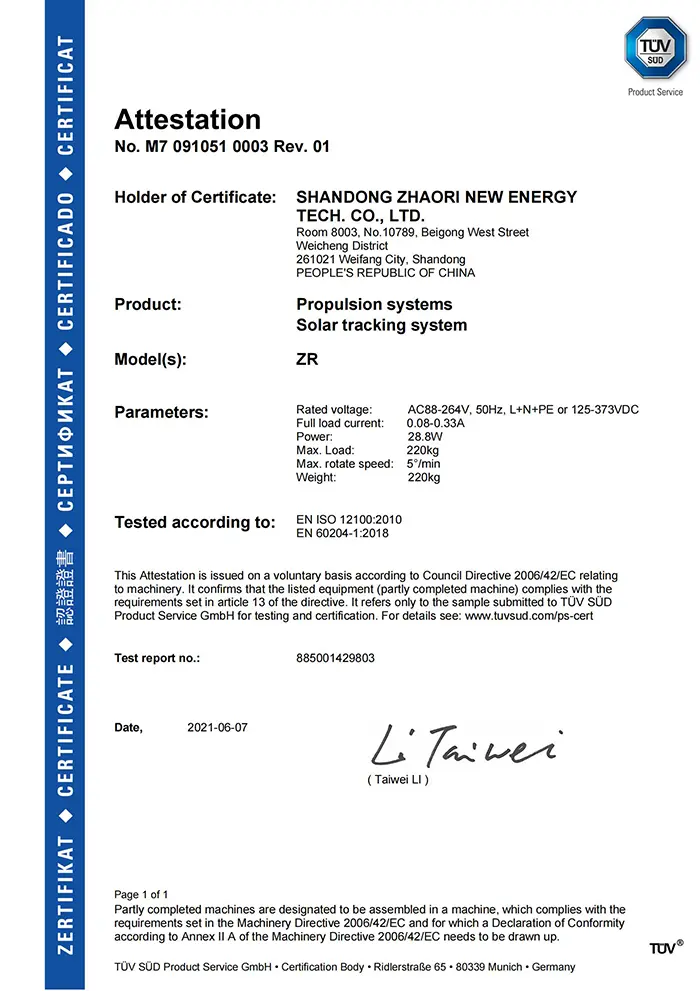
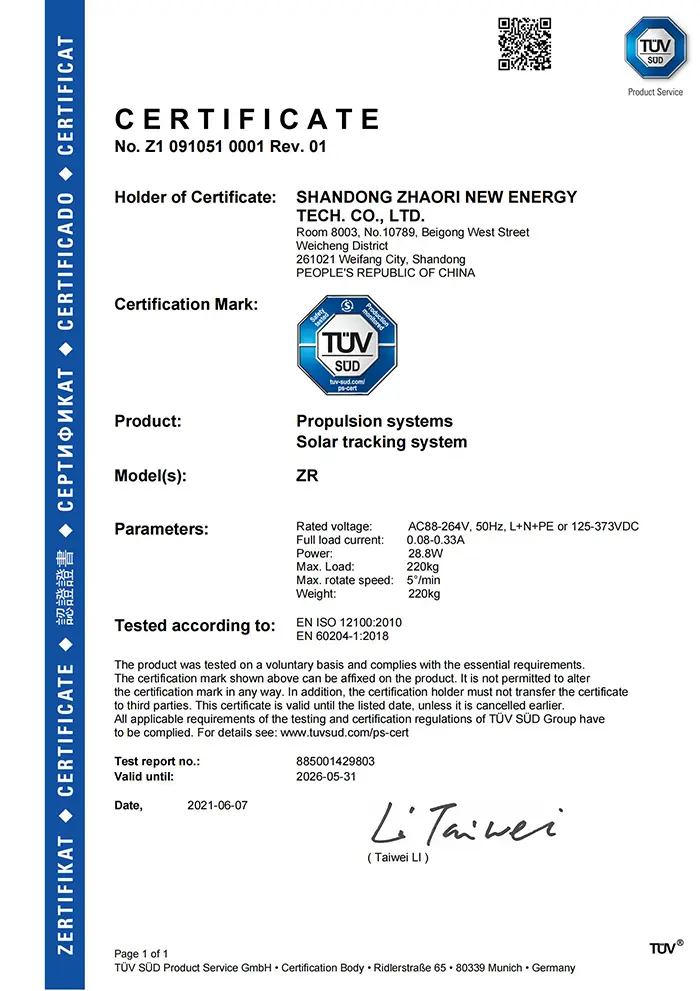
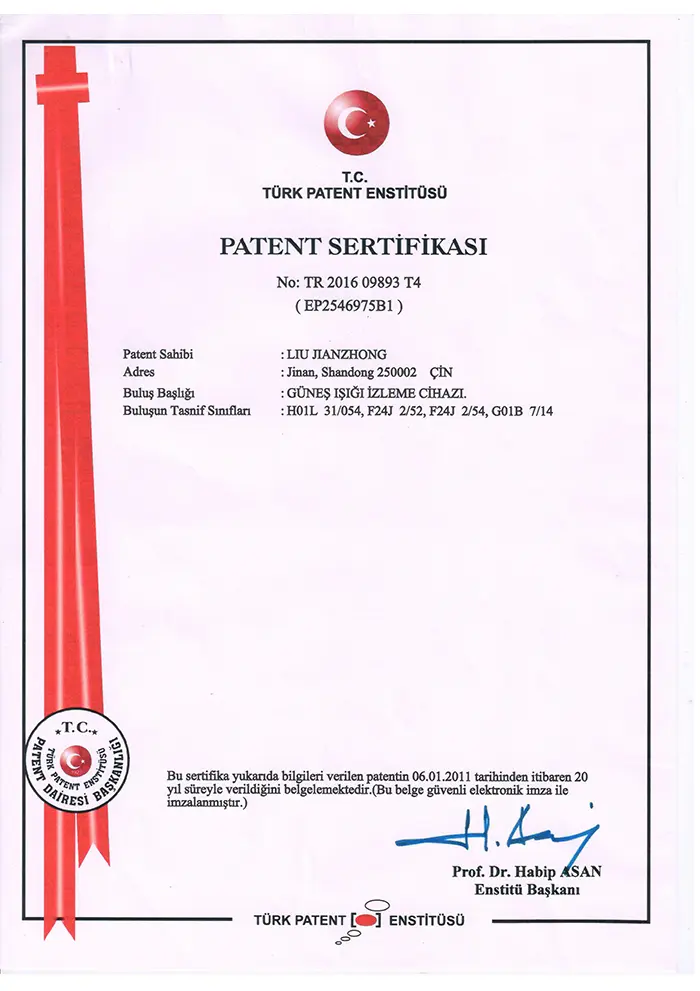
Engineered to meet the highest safety, load, and durability standards across international solar jurisdictions.


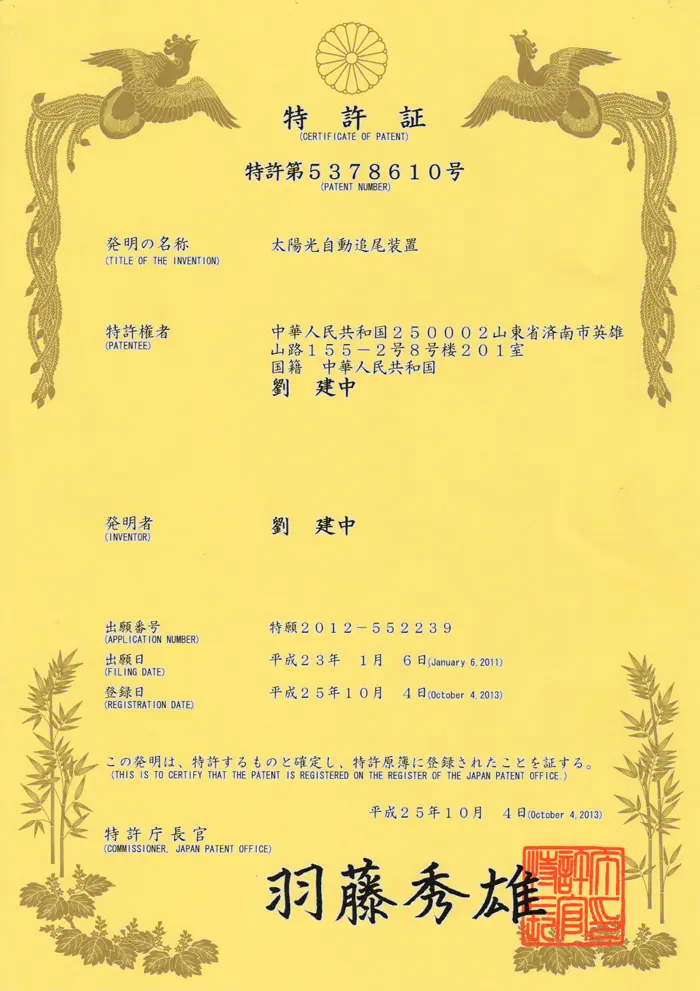
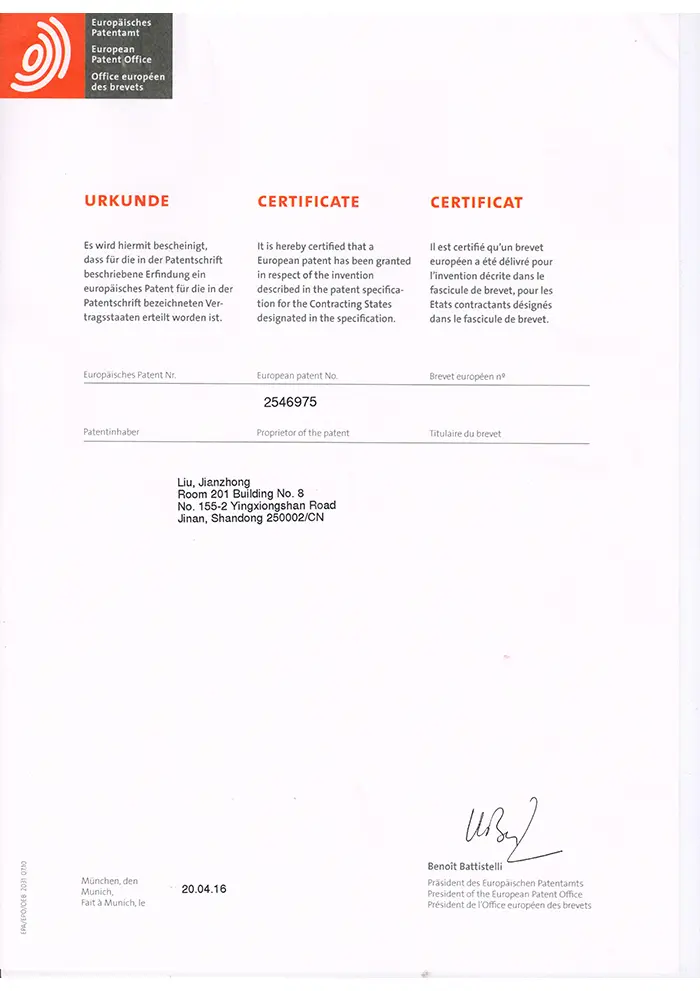
The next generation of automatic solar tracking goes beyond basic astronomical alignment. Advanced developers are integrating machine learning algorithms and IoT networks to transition trackers from execution devices into intelligent components of the solar grid.
Traditional tracking systems follow the sun's geometric path. However, during early morning, late afternoon, or on sloped terrains, this can cause adjacent rows to shade one another, leading to energy losses. Smart backtracking uses digital terrain models and real-time diffuse sensors to calculate the optimal angle for each tracker row, minimizing self-shading and maximizing energy capture.
Bifacial solar modules generate power from both sides, capturing reflected light (albedo) from the ground. Modern trackers are designed to optimize this rear-side gain by using 2P configurations, minimizing structure shading, and avoiding obstruction of the rear side of the modules. This can boost overall energy generation by an additional 5% to 15%.
Integrating real-time meteorological feeds and anemometers allows the tracking system to proactively adjust to extreme weather. Under high wind conditions, the trackers automatically shift into a low-drag horizontal stow position. In heavy snow, the systems tilt to maximum angles to encourage snow shedding, protecting the structural integrity of the solar array.
Tailored mounting solutions designed for specific terrain requirements, structural loads, and climatic conditions.
Designed for flat terrains, deserts, and vast plains. These layouts optimize ground coverage ratio (GCR), simplify O&M routes, and reduce installation time and cabling costs.
Designed to accommodate north-south slopes and irregular plots. Using independent single-row trackers or multi-point dual-axis systems minimizes civil engineering and grading requirements.
High-clearance structures allow farming machinery or aquaculture activities to proceed underneath the solar modules, creating dual revenue streams from land use.
Expert technical insights regarding solar tracker engineering, selection, and operations.
Explore our range of heavy-duty brackets, tilted single-axis systems, and smart dual-axis trackers.
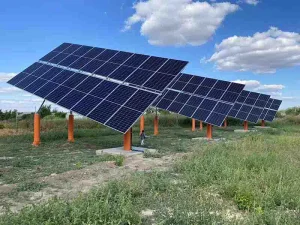
Offers a tilted axis (10°–30° tilt) to track the sun's azimuth angle. Mounts 10–20 panels, boosting power generation by 15%–25%.
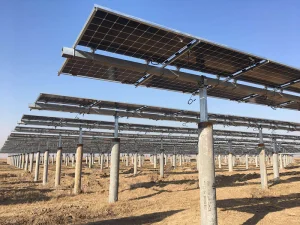
A heavy-duty tracking system designed to accommodate large, high-power solar modules on flat terrain.
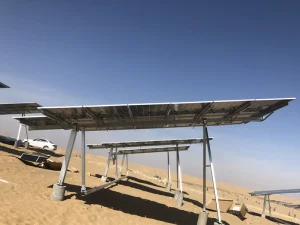
Optimized for high-latitude applications, improving winter energy capture when the sun is lower on the horizon.
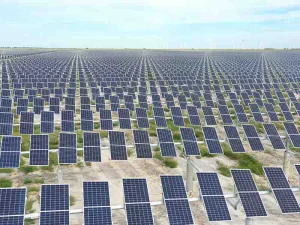
Features tilted solar modules on a single-axis drive, combining structural simplicity with optimized tracking angles.
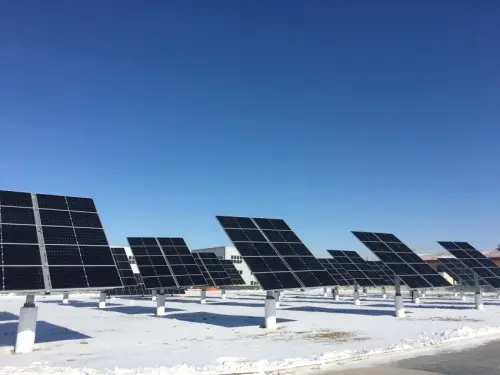
Our flagship dual-axis system designed for reliability and consistent energy production in challenging weather conditions.
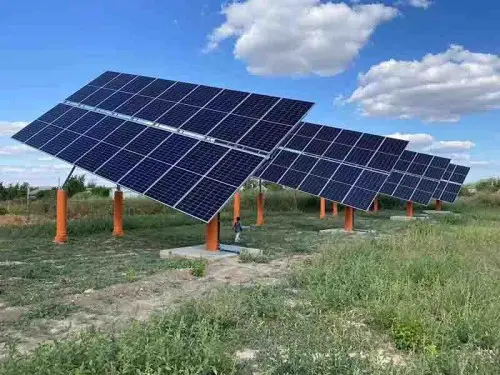
Designed for seasonal adjustment paths. This model balances initial investment costs with long-term energy generation gains.
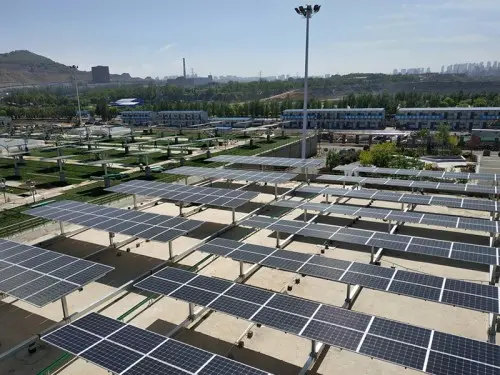
Supports 10–60 panels per row. Provides a 15% to 30% yield increase over fixed-tilt systems on the same footprint.
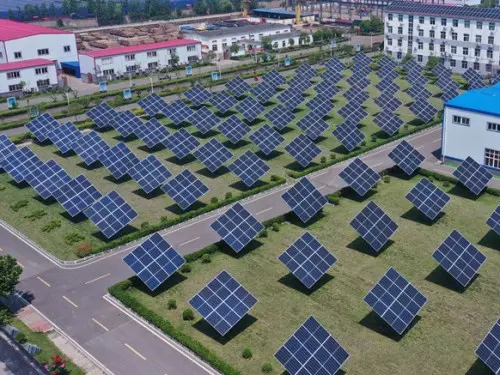
Designed to optimize light capture throughout the day, providing an effective way to maximize return on investment.
 Zhaori