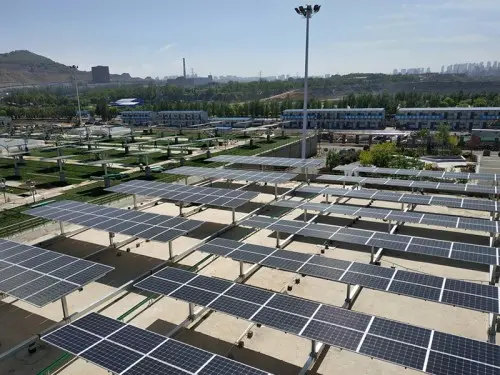
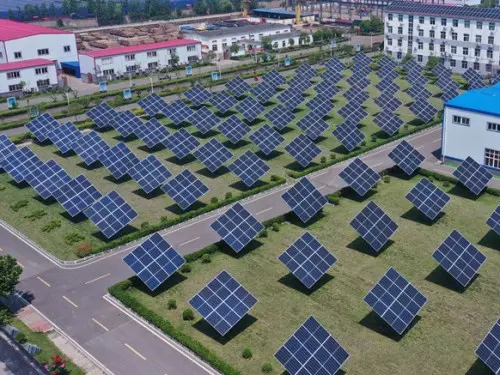
In the rapidly evolving landscape of renewable energy, the transition from fixed-tilt photovoltaic (PV) arrays to Advanced Solar Tracking Energy Systems represents the single most significant leap in Levelized Cost of Energy (LCOE) optimization. While stationary mounting systems have long served as the industry standard, the demand for higher power density and increased ROI in utility-scale projects has catalyzed a technological shift toward intelligent, multi-axis tracking solutions.
At Shandong Zhaori New Energy Tech. Co., Ltd., we understand that modern solar infrastructure is not just about capturing light—it's about the algorithmic precision of maximizing photon absorption throughout the diurnal cycle. Our tracking systems utilize sophisticated astronomical algorithms combined with real-time sensor data to ensure that PV modules are always at the optimal angle of incidence, effectively increasing energy harvest by 15% to 40% depending on the configuration.
Founded in June 2012, Shandong Zhaori New Energy Tech. Co., Ltd. is a high-tech pioneer in the renewable sector. Our organizational structure includes 10 specialized departments, ranging from deep-tech R&D to stringent Quality Assurance (QA). With over 60 professional technology talents and a decade-long focus on photovoltaic power stations, we possess the Experience and Expertise required to navigate complex global solar requirements.
Our factory spans 50,000 square meters, housing advanced CNC machine tools, laser cutting systems, and automatic welding robots. This vertical integration allows us to produce 500MW annually, ensuring every component—from raw material screening to final rust treatment—meets the highest international standards.
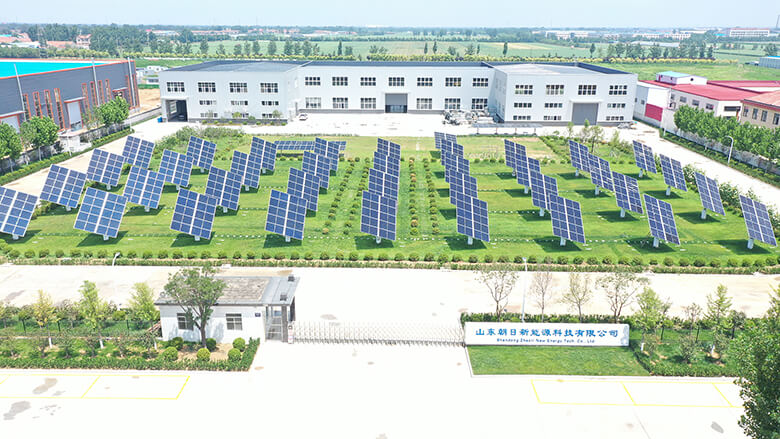
State-of-the-art Production Facility in Shandong
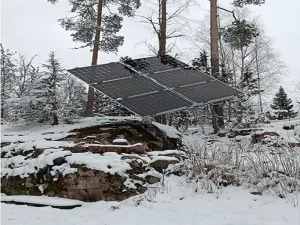
Utilizing high-strength galvanized steel and aerospace-grade components to withstand extreme wind speeds (up to 120km/h) and heavy snow loads.
Our proprietary control systems integrate GPS-based astronomical algorithms with diffuse light sensors to optimize tracking even on cloudy days.
By increasing specific yield, our systems drastically reduce the payback period of utility-scale solar investments.
Our product principle is rooted in engineering elegance. We eliminate unnecessary complexity to reduce failure points. Whether it is a ZRD dual-axis system or a ZRP single-axis tracker, our designs focus on ease of maintenance and long-term durability in harsh environments like deserts and mountains.
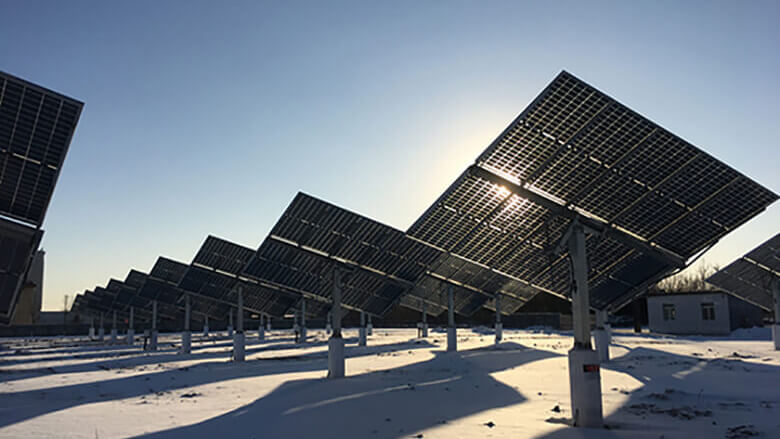
The global solar tracker market is projected to reach USD 71 billion by 2030. This growth is driven by the Commercial & Industrial (C&I) sector's urgent need for energy independence. As carbon taxes rise globally, companies are turning to Advanced Tracking Systems to maximize the footprint of their existing roof and land assets.
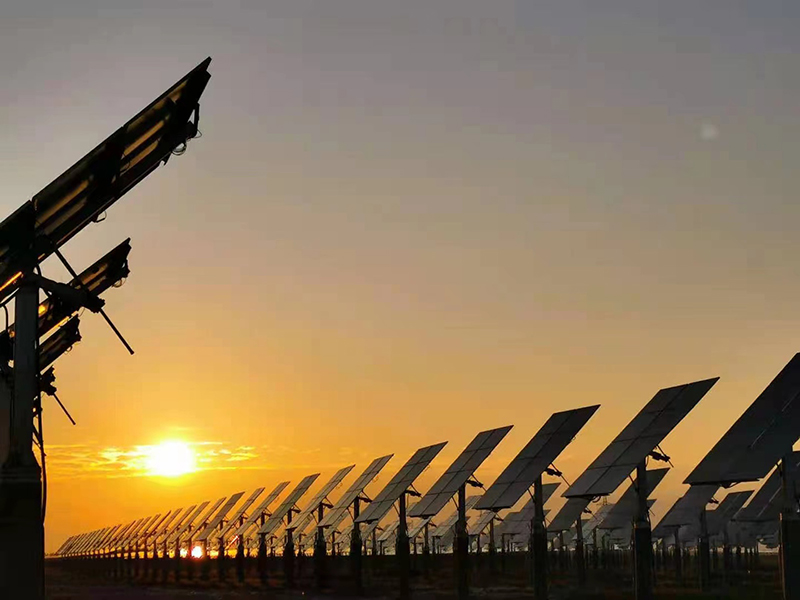
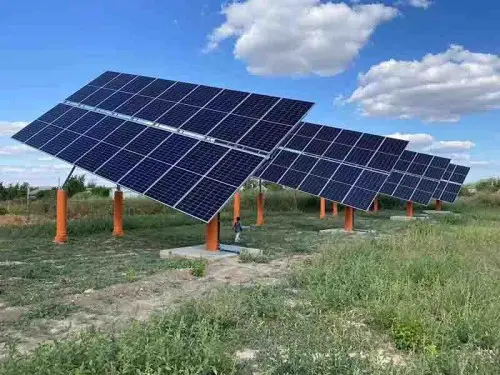
5MW Dual Axis Project
North China - Maximum yield optimization.
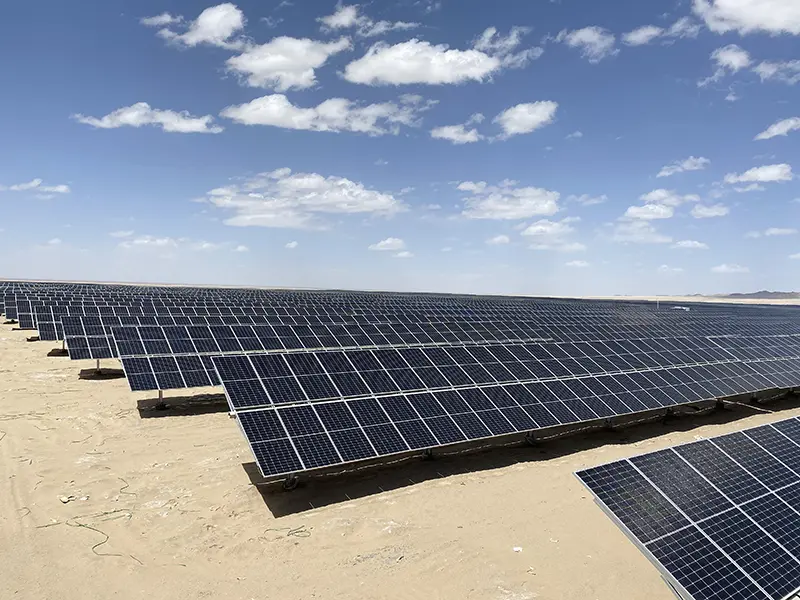
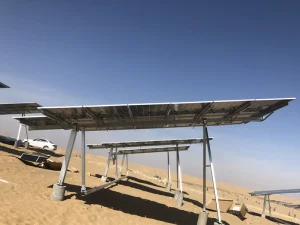
20MW Tilted Single Axis
Desert environment - High durability.
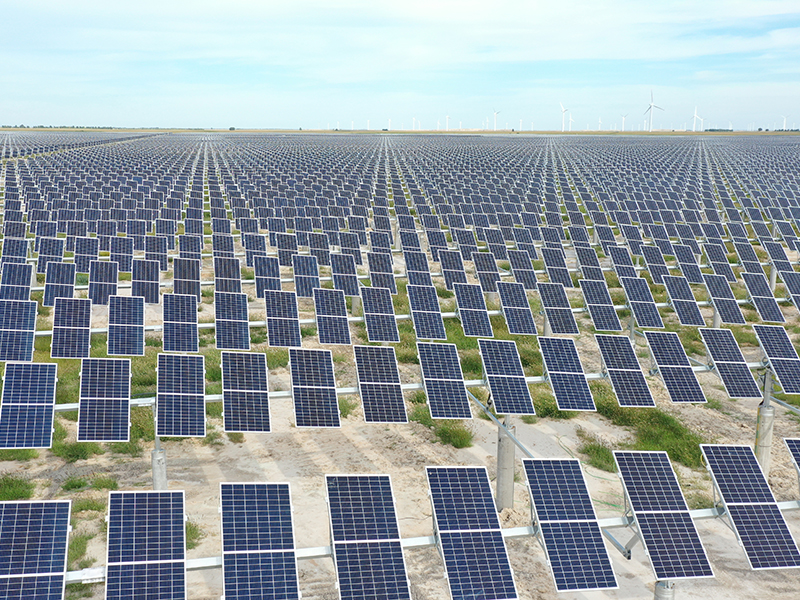
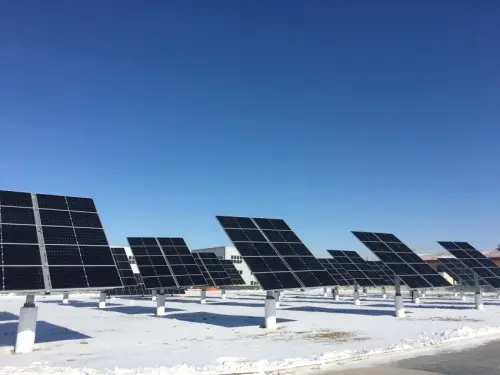
40MW Flat Single Axis
Inclined module configuration for mid-latitude gain.
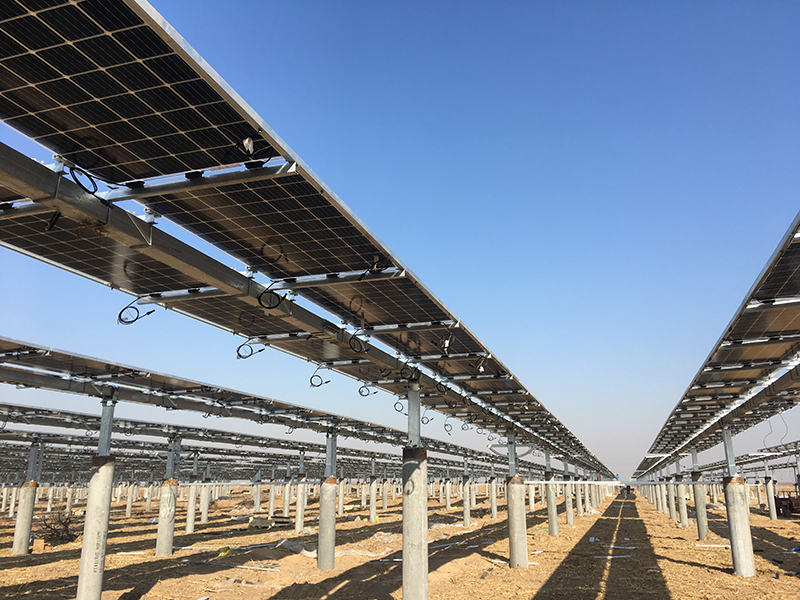
110MW Bifacial Tracker
Optimized for high-albedo surfaces.
Entering international markets requires more than just high-quality hardware; it requires absolute reliability in compliance. Shandong Zhaori New Energy has secured patents in the Europe Patent Office, United States, Canada, Australia, Japan, South Korea, Thailand, India, Brazil, and South Africa.
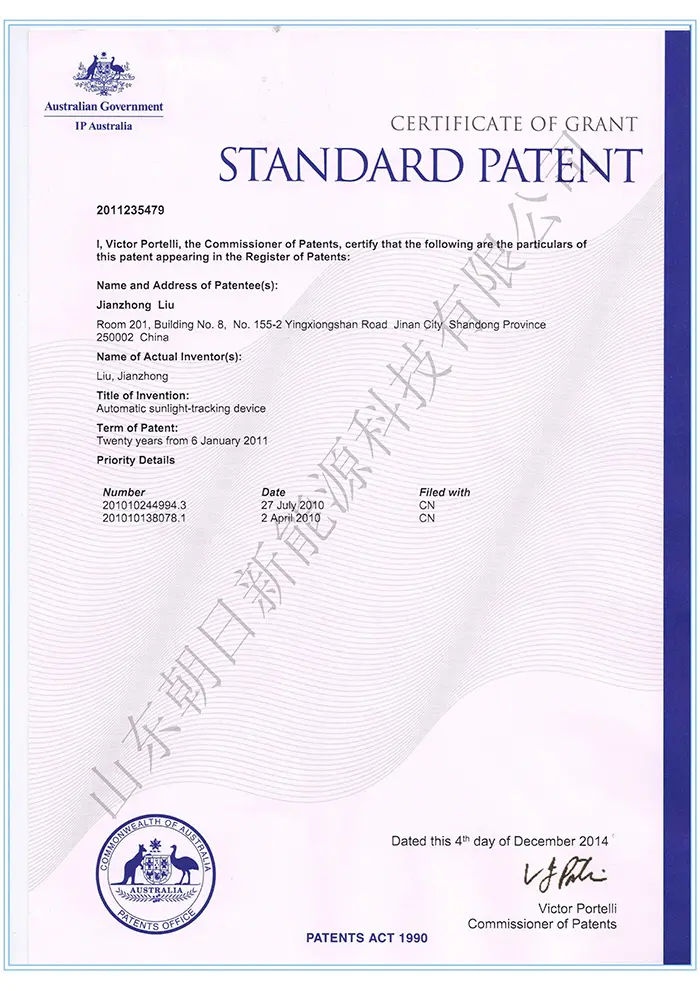
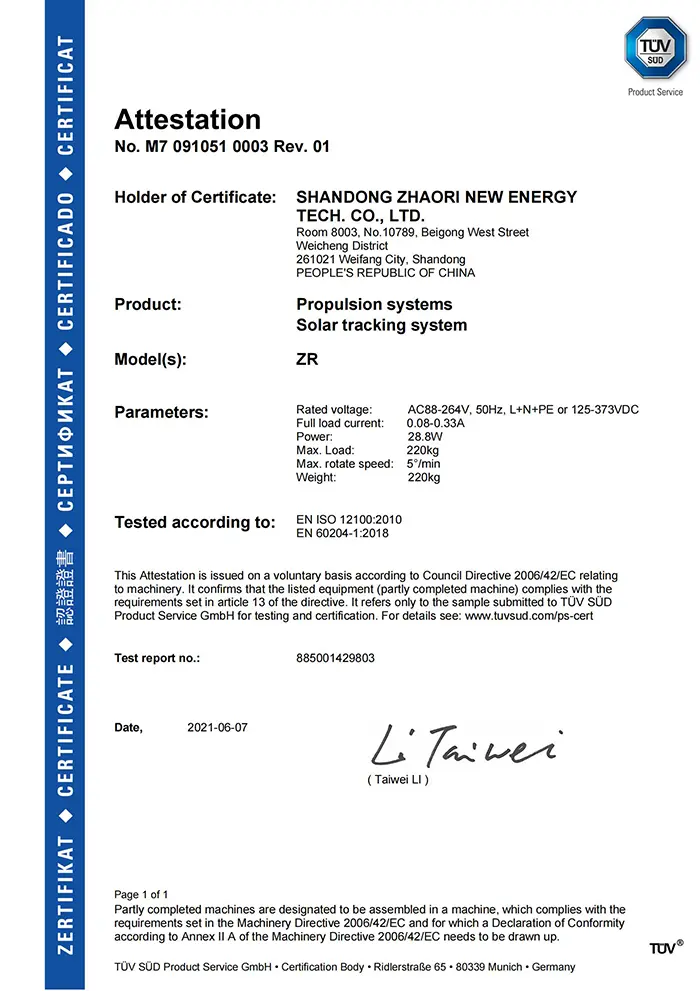
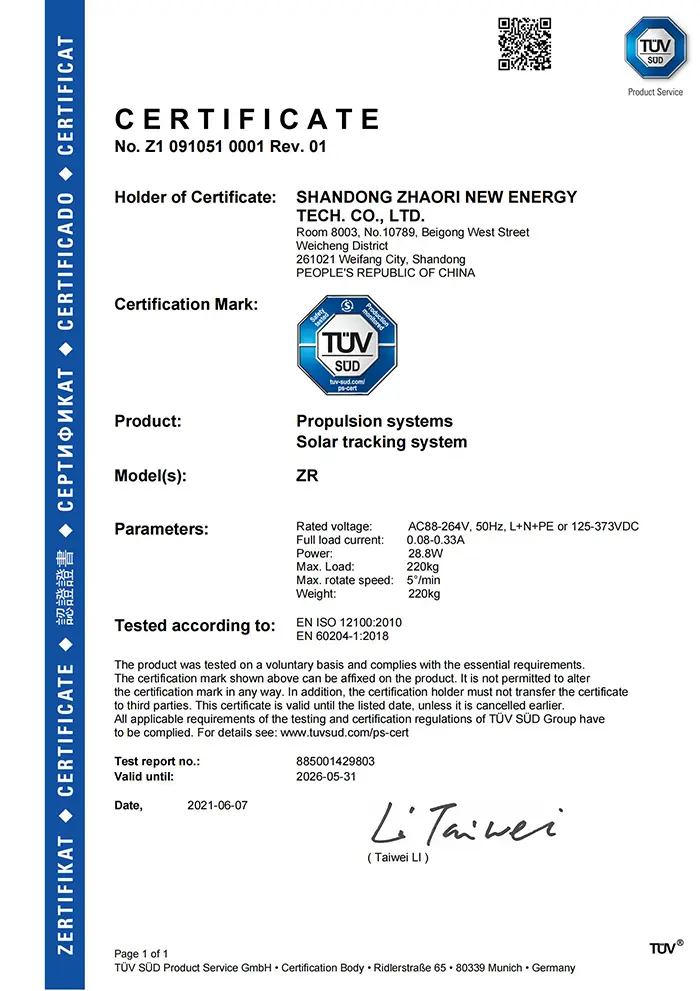
Certified Compliance: TUV, CE, ISO 9001. Our team provides localized engineering support, ensuring your project meets regional wind code and electrical grid requirements.
 Zhaori