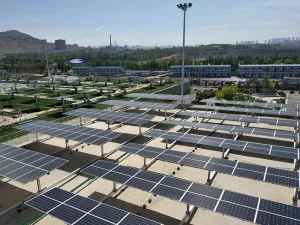
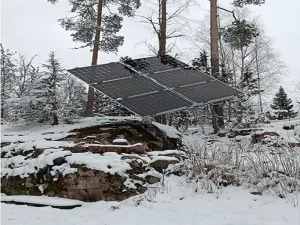
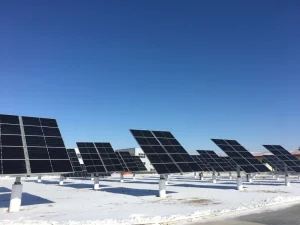
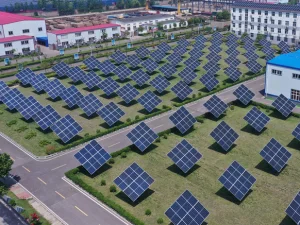
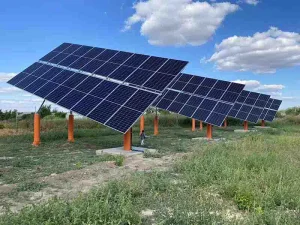
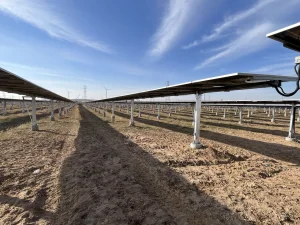
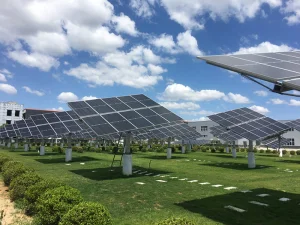
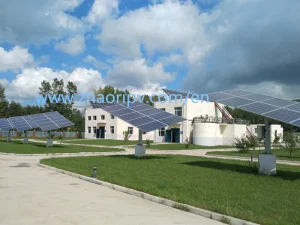
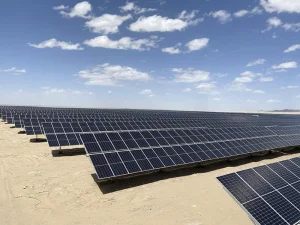
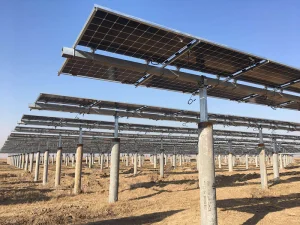
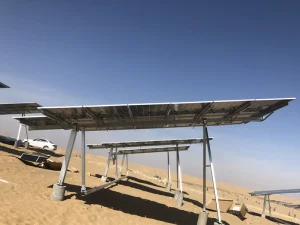
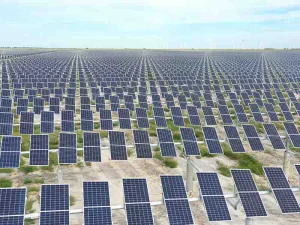
The Dual Axis Solar Tracking System represents the pinnacle of solar efficiency, utilizing two degrees of freedom to ensure that solar panels remain perpendicular to the sun's rays throughout the day, regardless of the season. Unlike fixed or single-axis systems, dual-axis trackers rotate on both the Azimuth axis (horizontal) and the Elevation axis (vertical).
Our systems utilize high-precision GPS algorithms to calculate the exact sun position based on longitude, latitude, and real-time data. This ensures 100% accuracy even on cloudy days where light sensors might fail.
The core software integrates astronomical tracking formulas, allowing the system to predict sun movements years in advance, minimizing mechanical adjustments and saving energy.
To prevent inter-row shading during sunrise and sunset, our dual-axis controllers implement "backtracking" maneuvers, optimizing the tilt angle to maximize energy capture in dense arrays.
Sqm Factory Area
Monthly Production
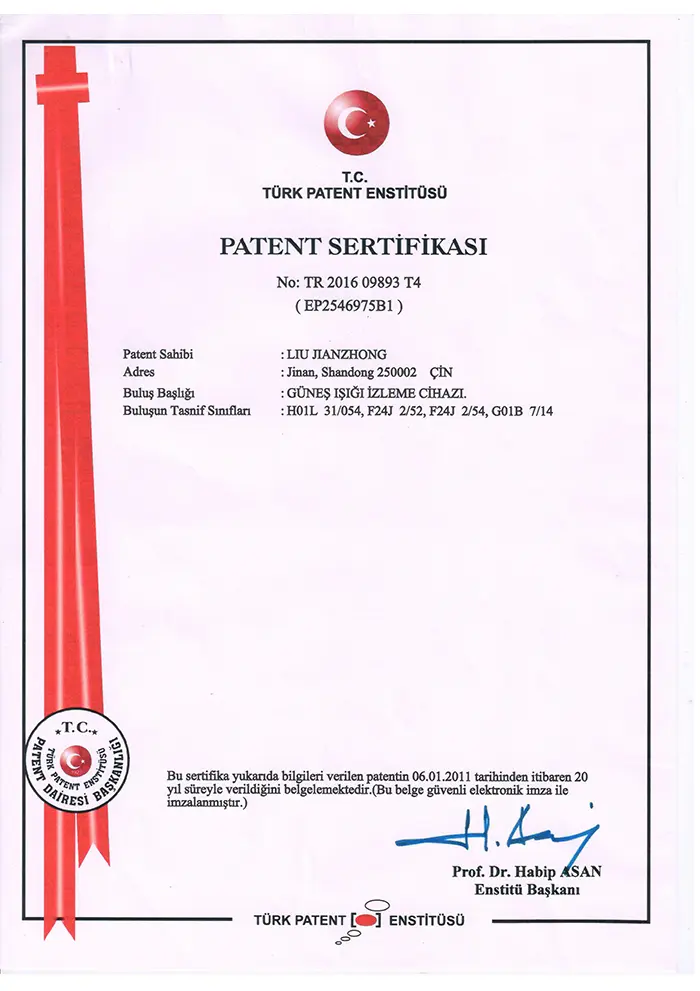
Invention Patents
Years Tech Focus
Shandong Zhaori New Energy Tech. Co., Ltd. is a high-tech and new energy company based on independent intellectual property rights. Founded in June 2012, we operate with 10 specialized departments including R&D, Quality Assurance, and International Trade. Our team focuses on photovoltaic power stations and solar tracking technology for more than 10 years, ensuring each project delivers maximum ROI.
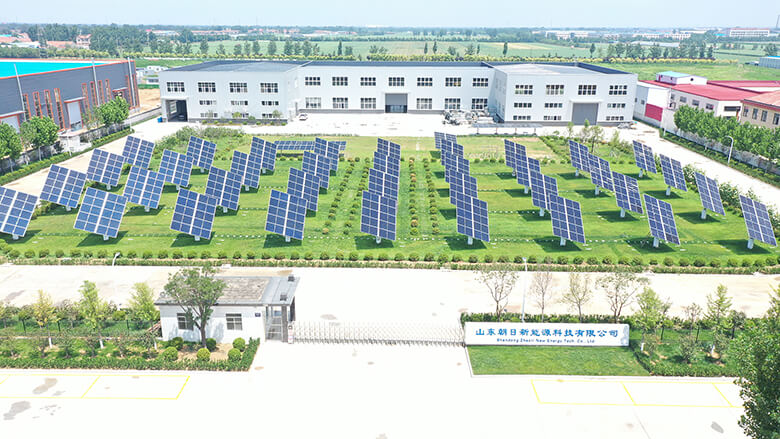
Our manufacturing hub is equipped with CNC machine tools, laser cutting machines, and automatic welding robots. We control the entire lifecycle of the product: from raw material screening and cutting to anti-rust treatment (Hot-dip galvanizing) and final inspection. This vertically integrated supply chain allows us to maintain competitive pricing while meeting TUV and CE standards.
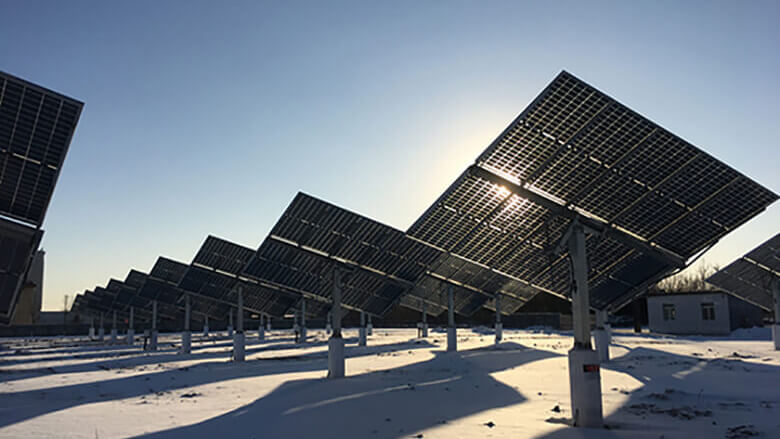
The next generation of ZRD dual-axis trackers will feature Edge Computing capabilities, allowing individual trackers to communicate and optimize angles based on local micro-climate conditions and cloud cover mapping.
Dual-axis systems are uniquely suited for bifacial modules. Our future algorithms focus on "Albedo Enhancement," adjusting the height and tilt to capture reflected light from the ground more efficiently.
We are transitioning towards high-strength, low-alloy (HSLA) steel with specialized coatings to withstand extreme environments, such as C5-M coastal zones and high-altitude desert regions.
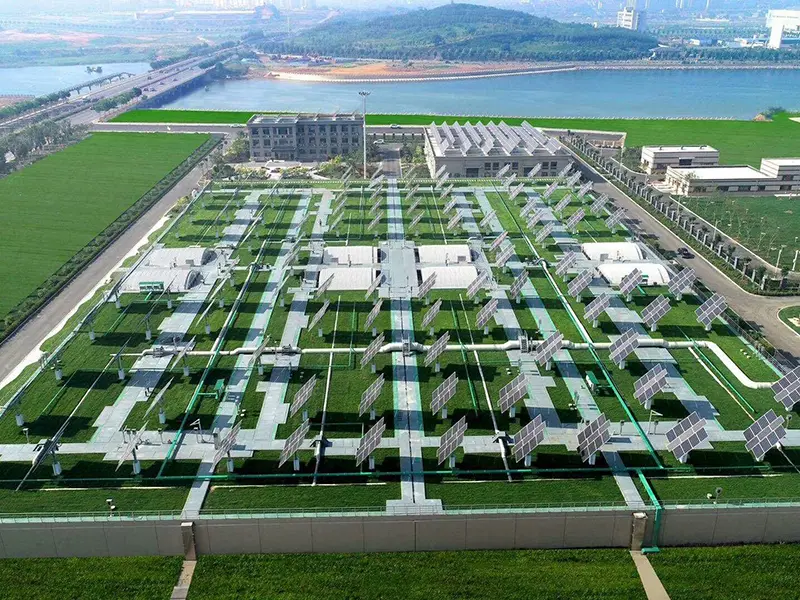
Maximizing energy density for large-scale grid contributions, yielding 30-40% more energy than fixed systems.
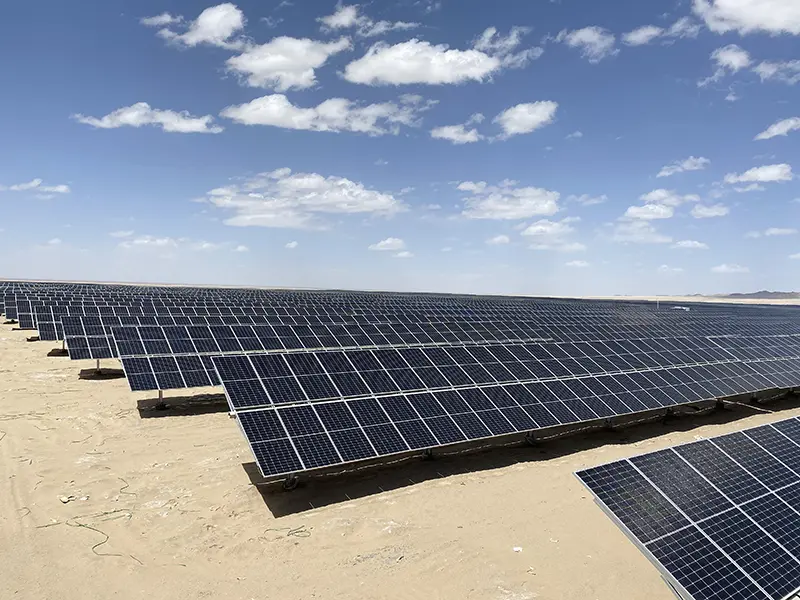
Our dual-axis systems are designed for high wind and heavy snow regions, featuring automatic "Stow Modes" for safety.
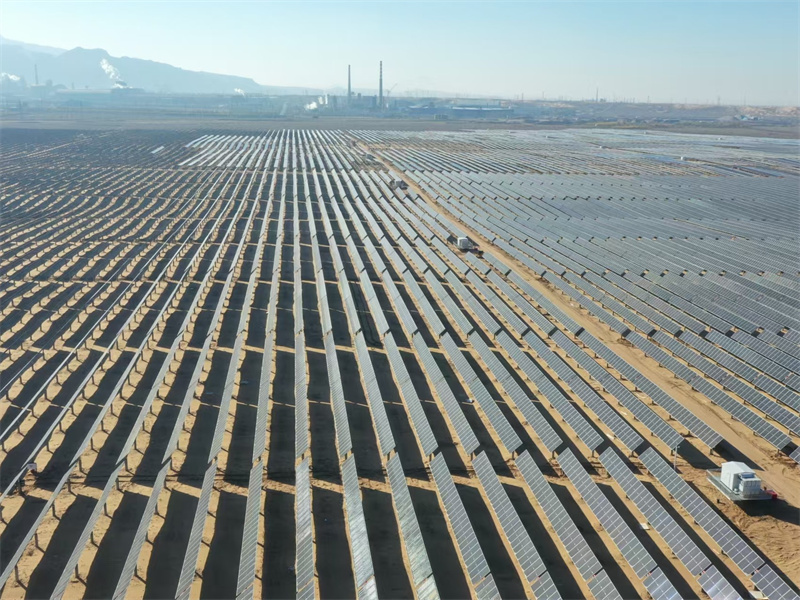
Customized lightweight tracking structures for commercial flat roofs to achieve carbon neutrality goals.
When requesting a Pricelist from China suppliers, it is crucial to look beyond the initial CAPEX (Capital Expenditure). A high-quality Dual Axis Solar Tracking system involves several cost variables:
Pro-Tip: Always ask for the LCOE (Levelized Cost of Energy) projection. A dual-axis system might cost 20% more than a single-axis system but can increase generation by 15-25%, leading to a faster payback period in high-latitude regions.
Our ZRD series requires minimal maintenance. Annual checks on slewing drive lubrication and bolt tension are recommended. The AI controller features self-diagnostic alerts for remote monitoring.
Yes. The system automatically moves to a horizontal "Stow Mode" when wind sensors detect speeds exceeding 22m/s, minimizing wind resistance and protecting the modules.
While the initial cost is higher, the energy yield is typically 35-40% higher. For utility projects, this results in a significantly lower LCOE and better land utilization.
We provide comprehensive installation manuals, video tutorials, and remote technical support. For large-scale projects, we can dispatch engineers for on-site supervision and commissioning.
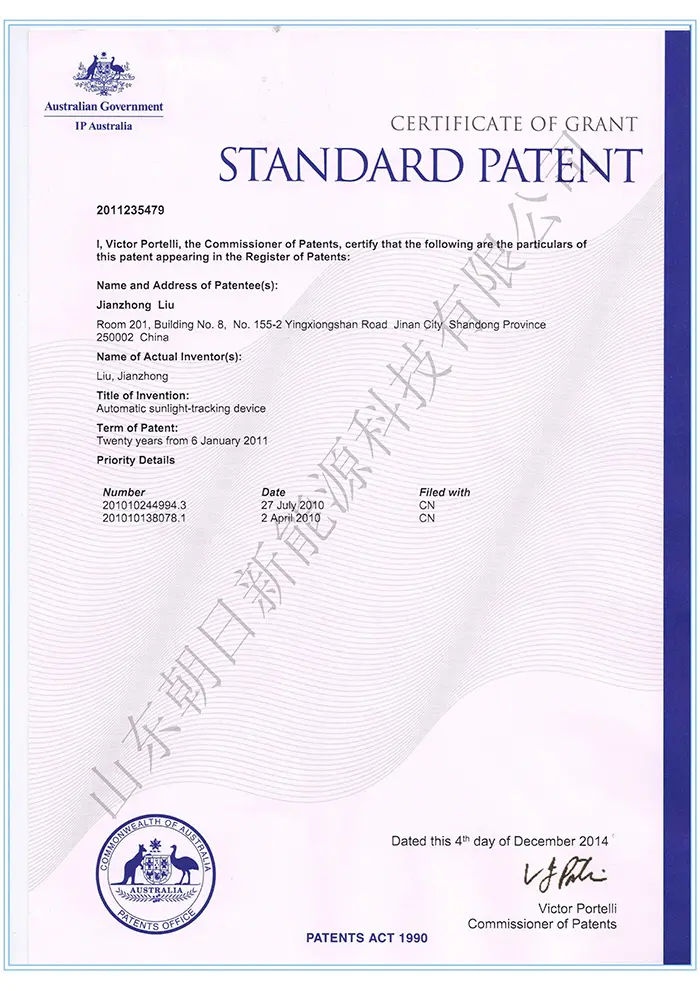
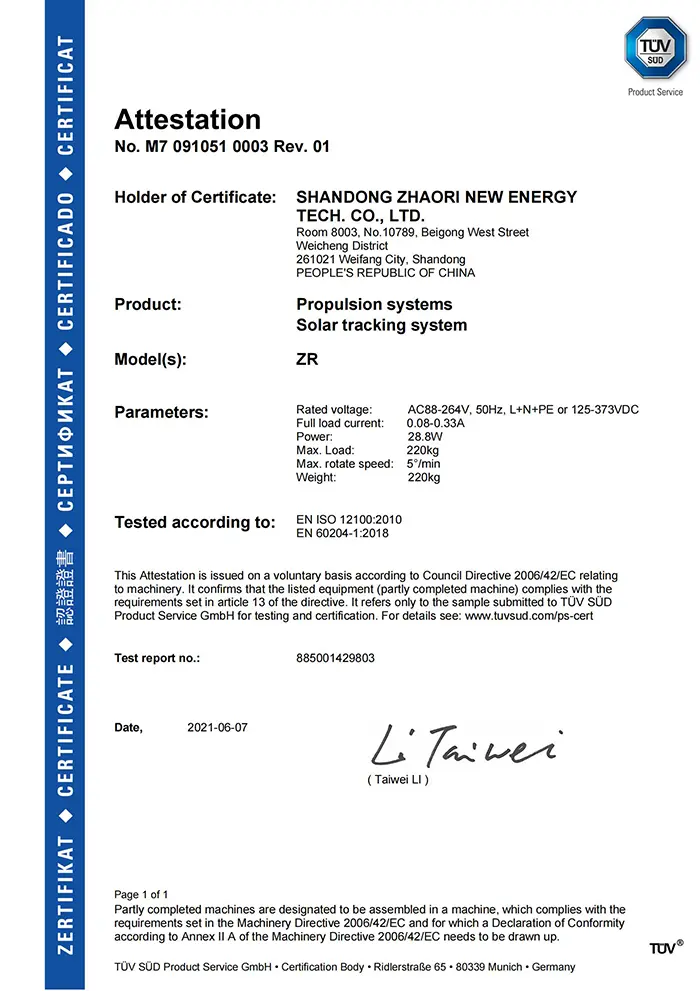
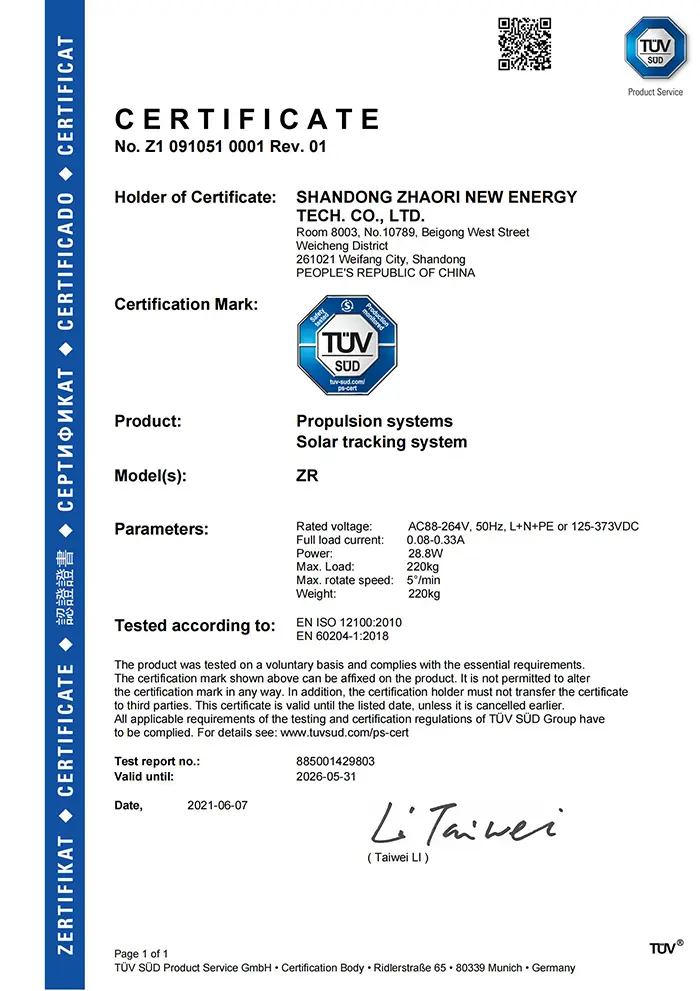
 Zhaori