Engineered for extreme environments, delivering up to 30%-45% energy yield enhancement.
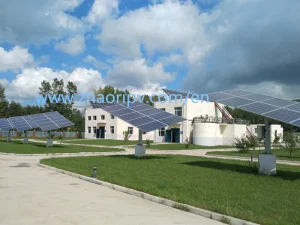
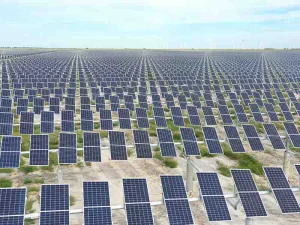
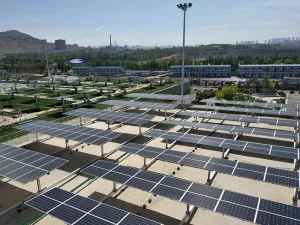
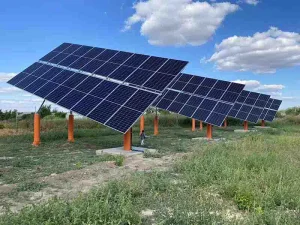
In the global quest for optimal solar asset productivity, the selection of mounting systems determines the economic outcome of utility-scale projects. Traditional fixed-tilt structures limit energy capture due to the cosine loss effect. While single-axis trackers offer a partial solution by adjusting for diurnal changes, they suffer from seasonal solar declination discrepancies.
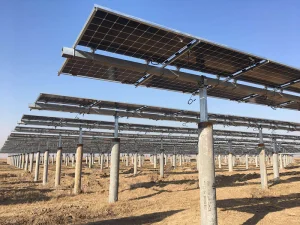
Dual-axis solar tracking technology overcomes these limitations. By integrating two rotational axes—the horizontal tilt axis and the vertical azimuth axis—these systems maintain perpendicularity between the solar panel plane and the incoming direct solar beam. This complete tracking dynamic generates up to 35% to 45% more energy yield than fixed-tilt configurations, representing a massive leap in lowering the Levelized Cost of Energy (LCOE).
Dual-axis tracking eliminates cosine loss entirely, allowing solar arrays to capture early morning and late afternoon solar irradiation efficiently.
Smart wind sensors trigger auto-stow modes, flattening the trackers to a horizontal structural state to survive high gusts.
Advanced astronomical algorithms paired with real-time sensor feedback mitigate shadow impacts between adjacent arrays.
Founded in June 2012, Shandong Zhaori New Energy Tech. Co., Ltd. is a high-tech clean energy enterprise focused on independent intellectual property rights. For over ten years, our team has specialized in developing advanced photovoltaic mounting systems and smart tracking structures.
With 10 specialized departments—including our R&D hub, Technical Design Center, Quality Assurance (QA) unit, Production Management, and Foreign Trade division—our enterprise operates a highly responsive technical and sales network. We employ over 60 dedicated engineering and technical specialists, delivering reliable project execution and custom tracking designs worldwide.
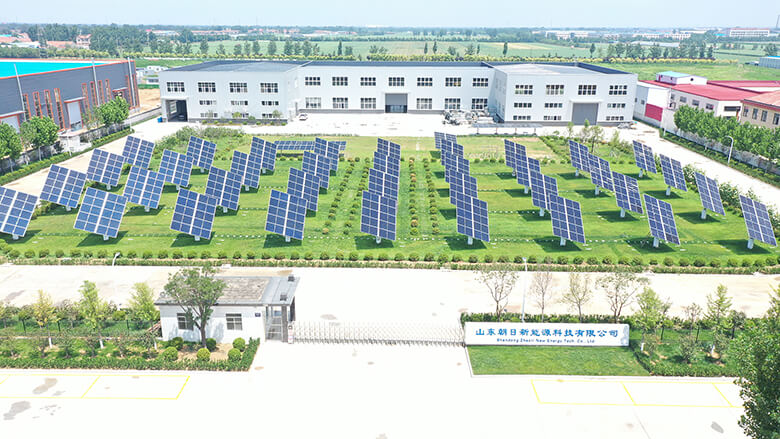
To meet different environmental demands and budget targets, Shandong Zhaori New Energy offers a range of solar mounting and tracking systems. Our design philosophy relies on three core pillars: Simpler structures, higher structural reliability, and superior energy conversion efficiency.
| Tracking Technology | Yield Gain vs Fixed | Ideal Application Environments | Key Technical Merits |
|---|---|---|---|
| Dual Axis Tracker (ZRD-06/08/10) | +30% to +45% | High latitude regions, rugged mountains, extreme wind/snow environments. | Dual-degree rotation, smart self-cleaning angles, absolute astronomical tracking. |
| Tilted Single Axis (ZRT-16) | +15% to +25% | Medium latitude terrains with slope restrictions. | 10°– 30° pre-tilted axis, cost-effective balance between tracking and fixed structures. |
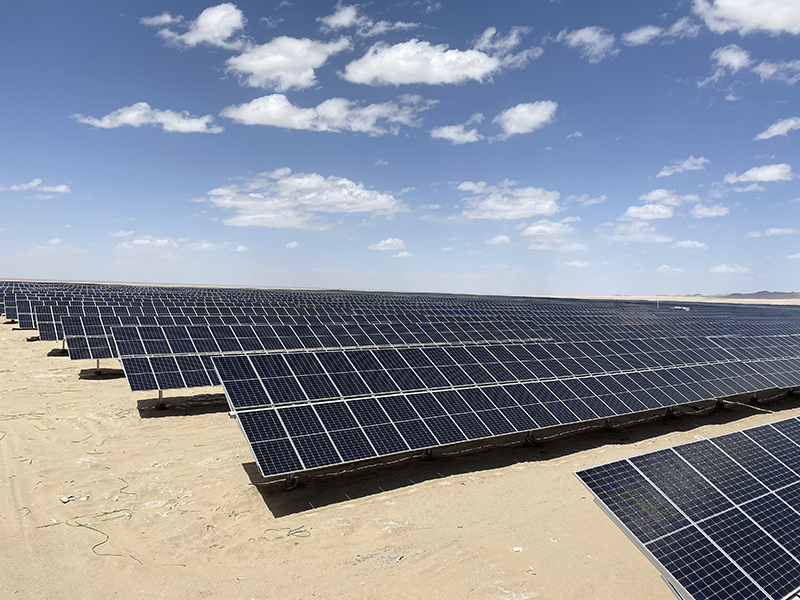
| Flat Single Axis (2P/1P) | +15% to +30% | Flat desert terrain, low-latitude regions, large utility-scale footprints. | High density array configurations, low visual profile, quick installation. |
| Adjustable Fixed Bracket | +5% to +10% | High wind zones, manual seasonal adjustments, cost-sensitive budgets. | Highly reinforced structural steel, manual angle settings based on seasonal shifts. |
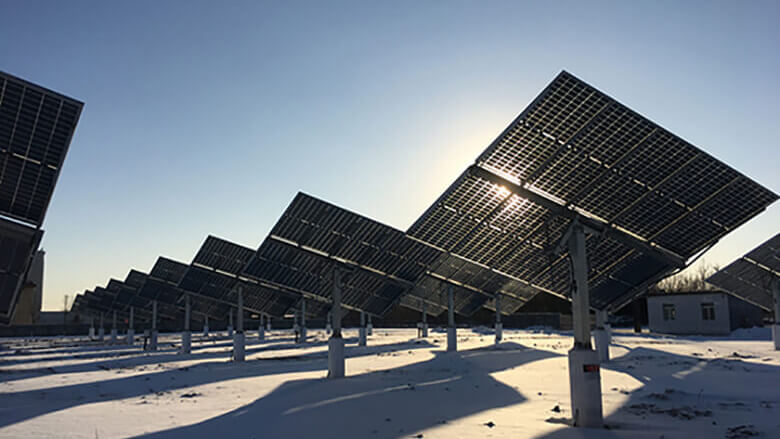
The ZRD series represents our flagship tracking platform. By tracking the sun's exact coordinates across both azimuth and elevation, these trackers keep solar panels perpendicular to the sun's rays all day.
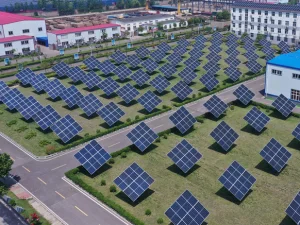
With intelligent sensor integration and automated backtracking, the ZRD series limits self-shading losses in high-density arrays. This tracking performance makes it highly effective for bifacial solar modules, which capture reflected light from the ground.
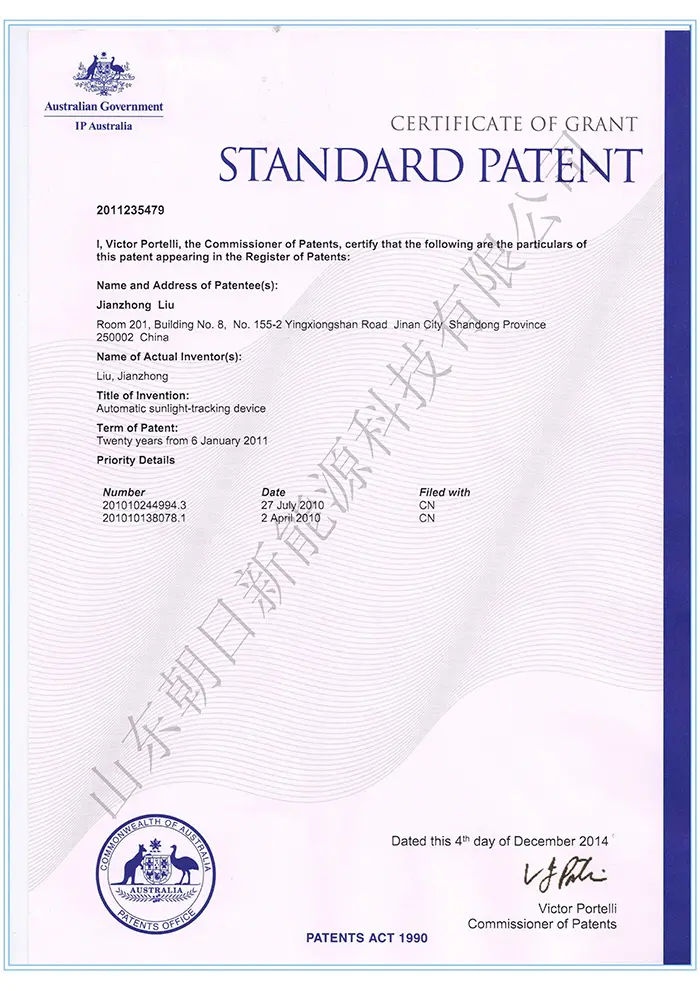
Building a global clean energy footprint requires adhering to strict international engineering codes and intellectual property protection. Shandong Zhaori New Energy holds global design and innovation patents across major solar energy markets.
We have secured patents of invention from the European Patent Office (EPO), United States Patent and Trademark Office (USPTO), Canada, Australia, Japan, South Korea, Thailand, India, Brazil, and South Africa. Locally, our engineering team has secured 8 Chinese National Invention Patents and over 30 utility model patents, demonstrating our commitment to ongoing technological innovation.
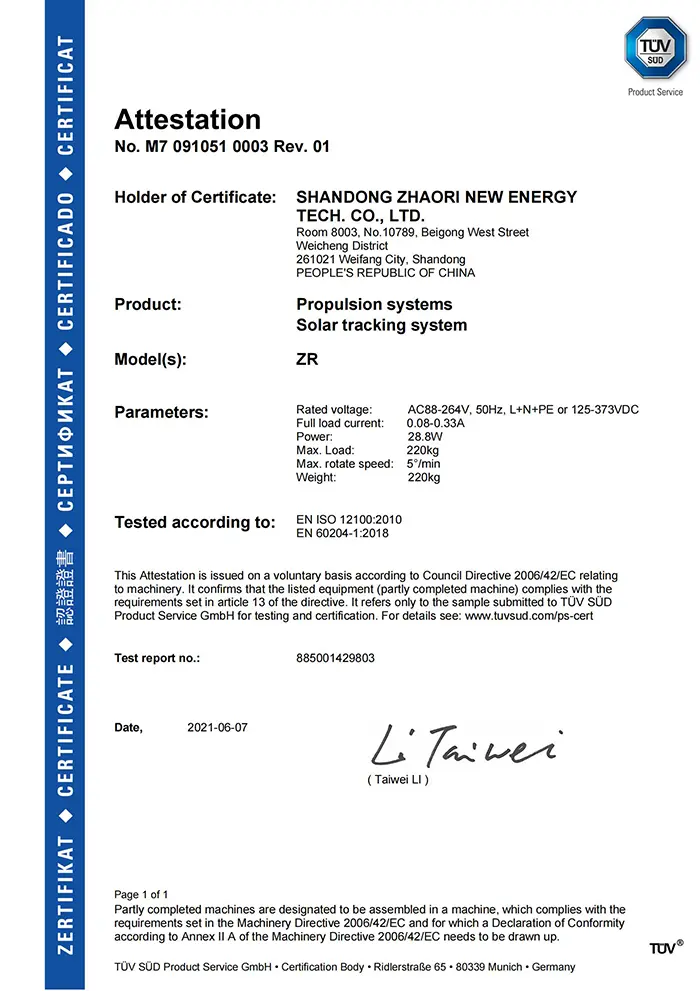
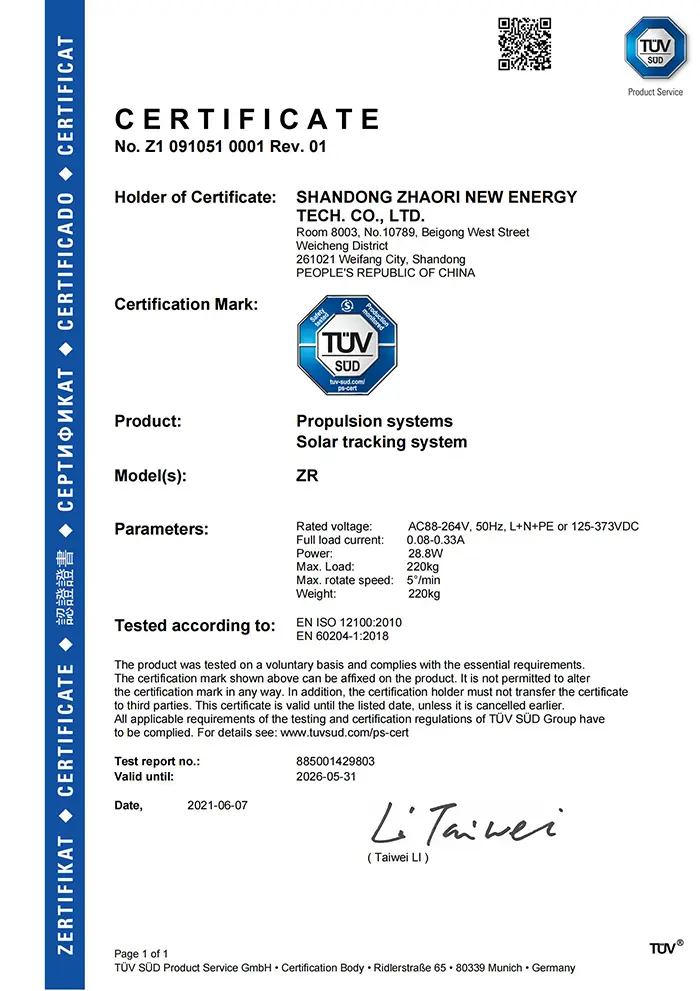
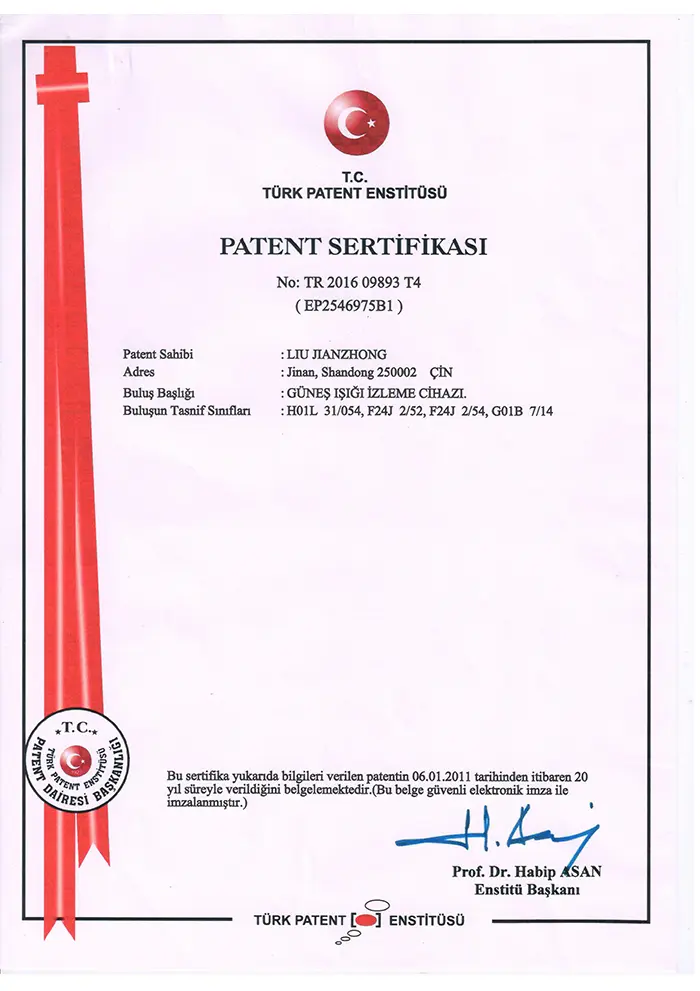

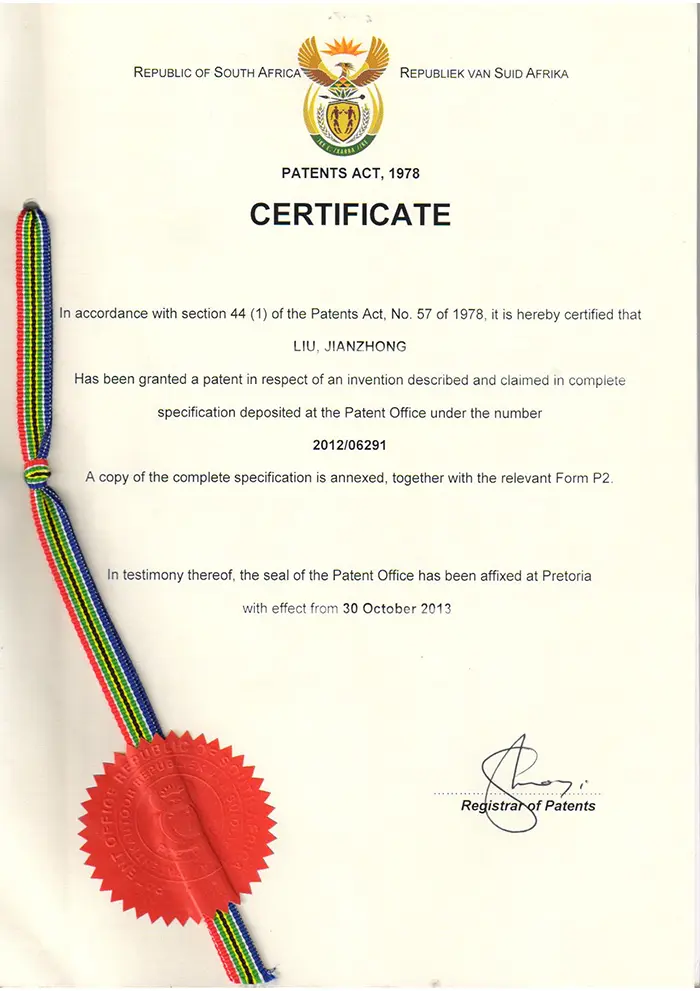
* Our products undergo rigorous environmental stress testing to comply with modern safety standards.
Solar plants are increasingly built in regions with challenging climates, such as dry deserts or snow-prone mountains. To maintain reliability and performance, solar trackers must be engineered to withstand these localized environmental stresses.
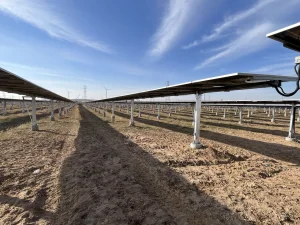
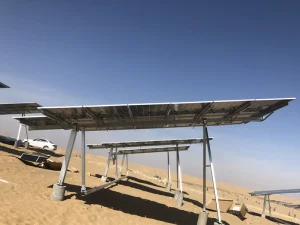
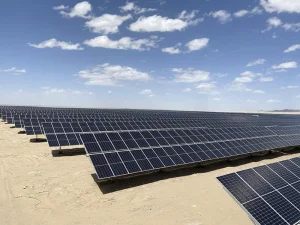
In desert regions, solar plants face high temperatures, heavy dust buildup, and high winds. Our trackers feature sealed bearings, robust IP65-rated drive actuators, and wear-resistant gear joints to prevent dust ingress and wear. Their intelligent backtracking and high-angle rotation capabilities can also assist with automated dust clearing.
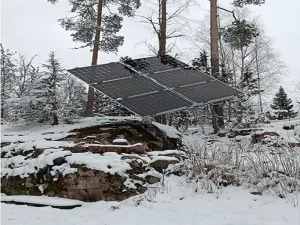
In northern regions, heavy snow accumulation can cover solar arrays and overload structures. Sunchaser trackers use automated snow-stow algorithms: when sensors detect heavy snowfall, the trackers tilt to a steep angle (up to 60 degrees) to help snow slide off, reducing structural strain and maintaining power generation.
Proving performance and durability across utility, commercial, and extreme environment installations.
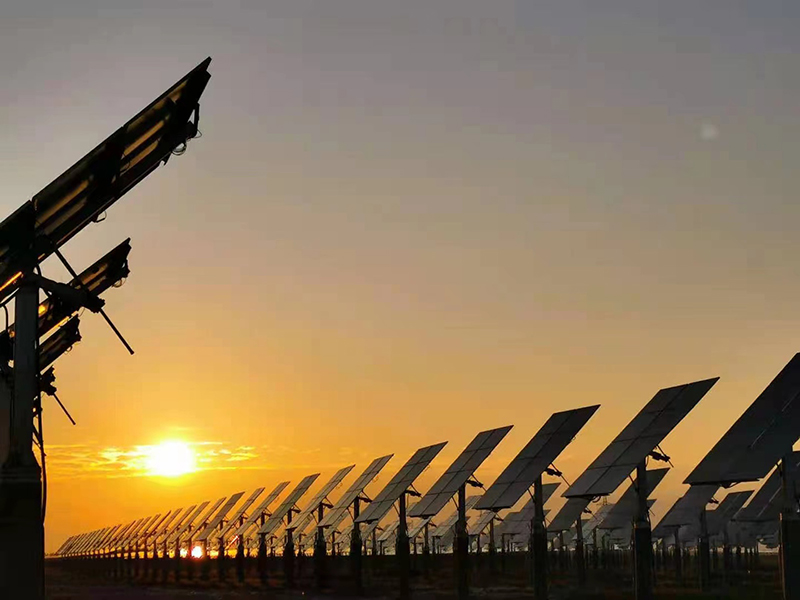
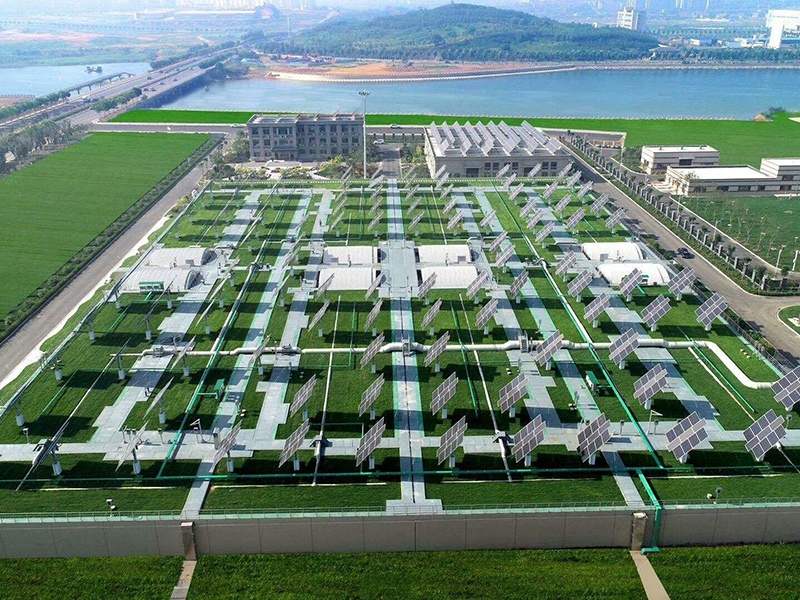
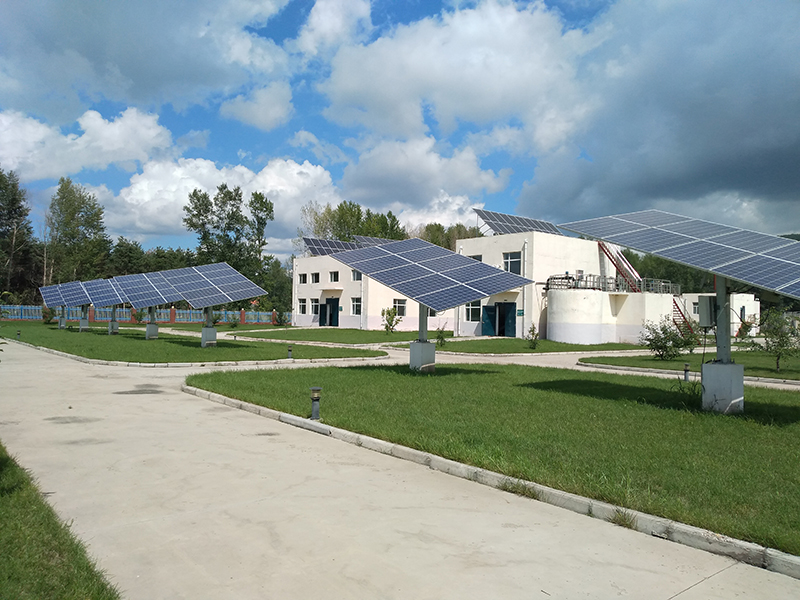
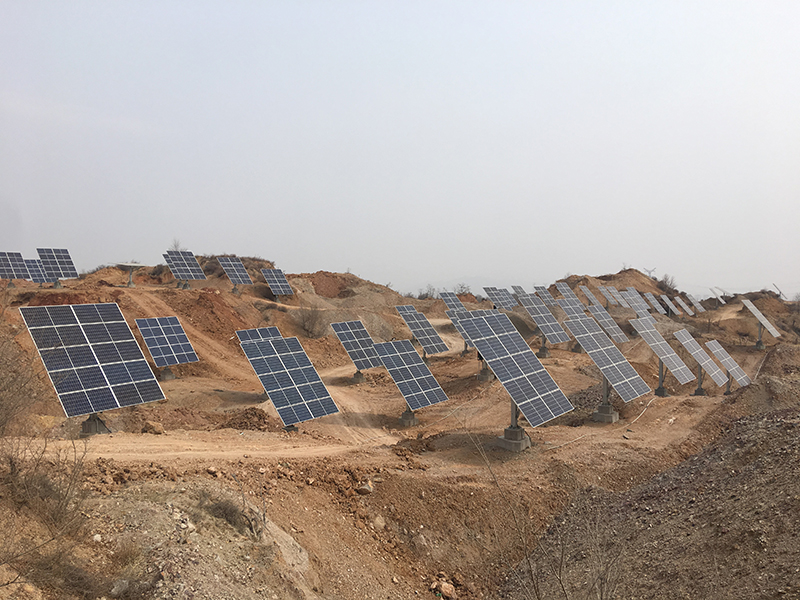
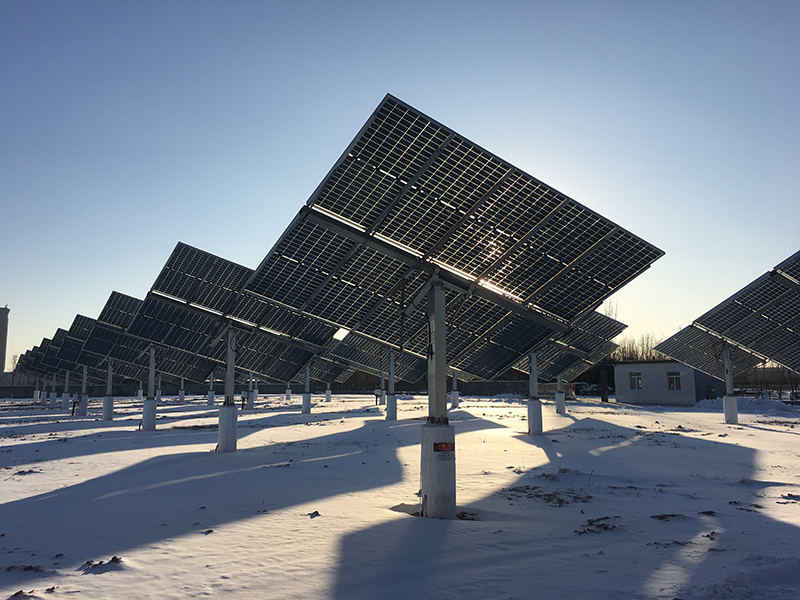
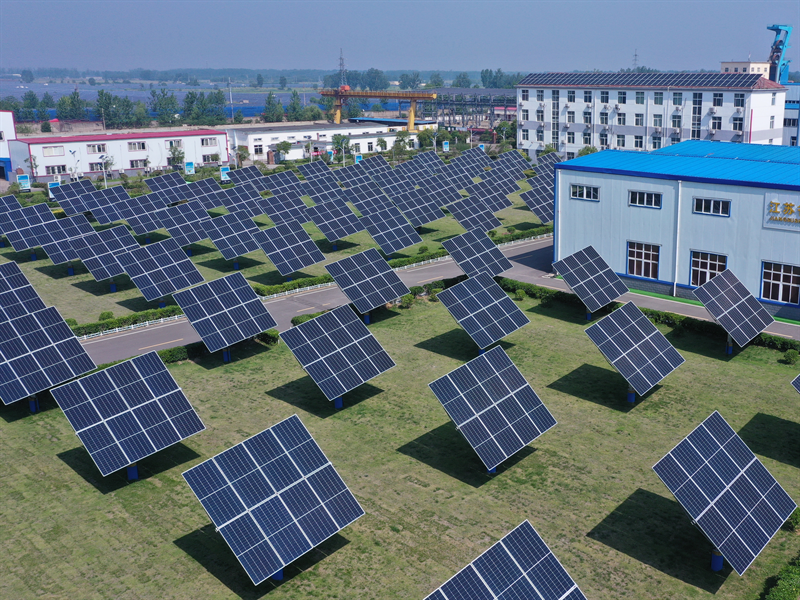
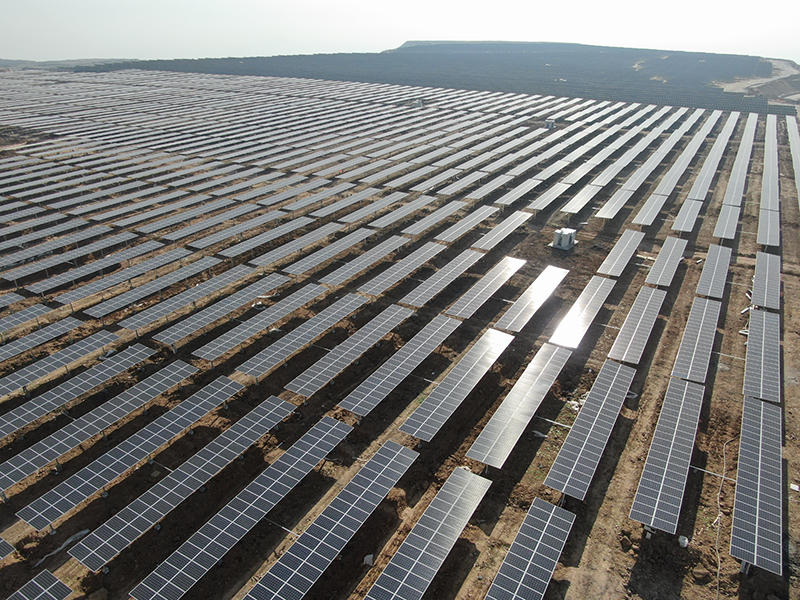
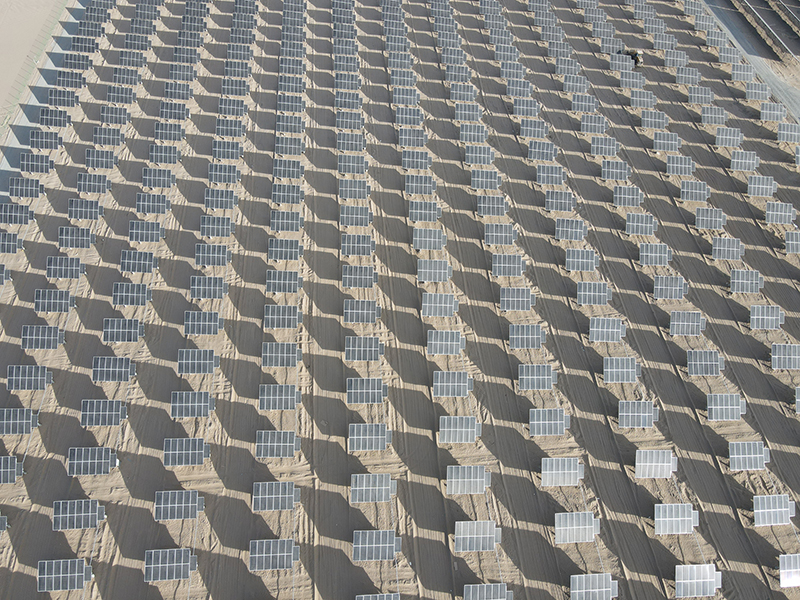
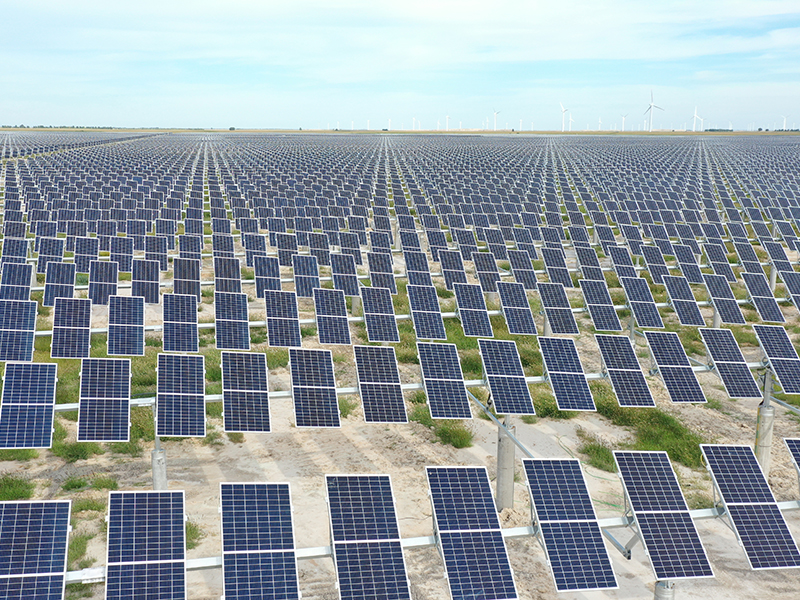
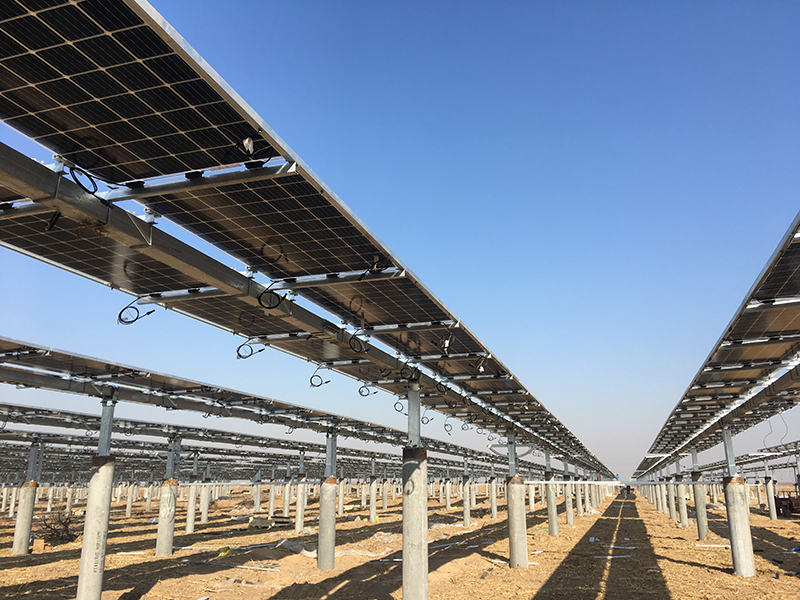
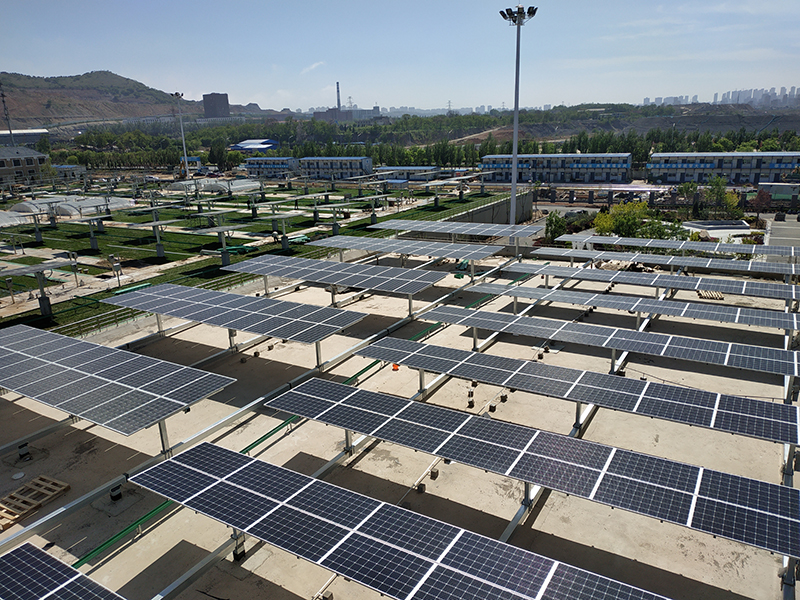
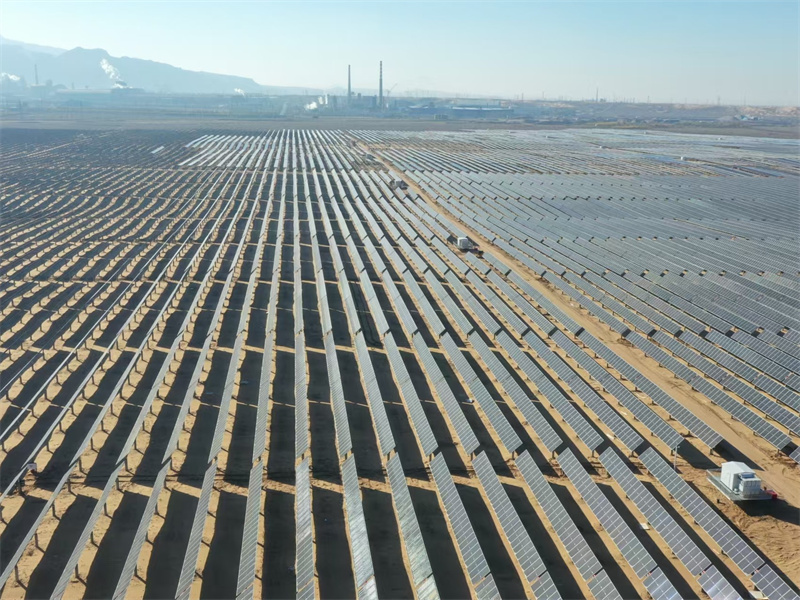
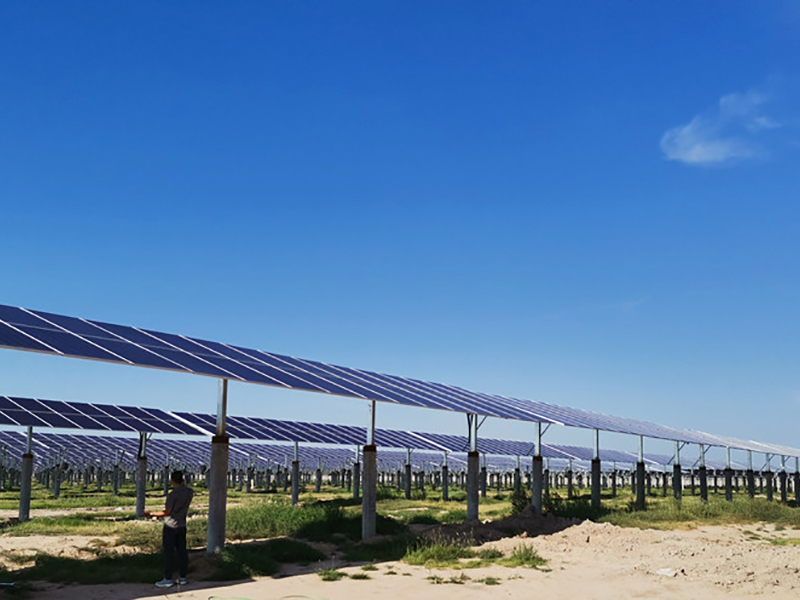
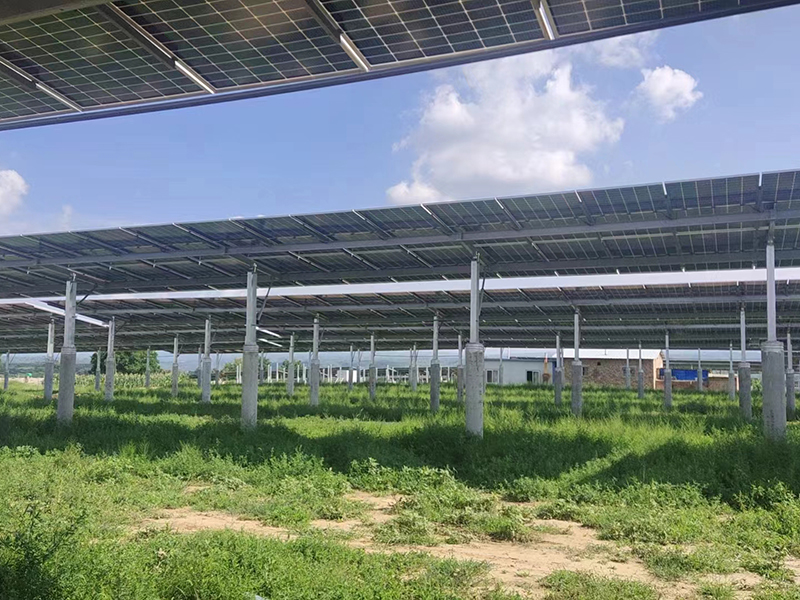
Deploying tracking systems for utility-scale solar projects requires careful planning, quality assurance, and ongoing engineering support. Shandong Zhaori New Energy supports international EPCs and developers throughout the project lifecycle.
Our QA processes cover the entire production line: raw material inspection, automated cutting and welding, anti-rust galvanization, and final pre-assembly testing. Critical mechanical components undergo fatigue testing to confirm their 25-year design lifespan.
Because no two sites are identical, our engineering team customizes tracker structures for local wind, snow, and soil conditions. We provide detailed static and dynamic structural calculations to simplify local permitting and site development.
Expert technical insights on dual-axis solar tracking technology and deployment parameters.
From heavy-duty dual-axis trackers to cost-effective adjustable brackets.
 Zhaori