Explore our range of primary tracking components, manufactured using state-of-the-art robotic assembly for utility-scale applications.

Offers robust manual override capabilities combined with high-precision astronomical alignment to ensure steady performance in extreme meteorological settings.
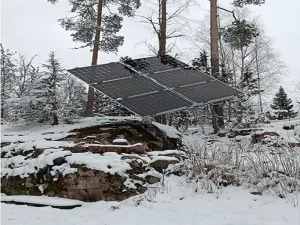
Perfectly engineered for commercial projects requiring compact dual-axis mechanisms. Offers excellent cost-to-performance ratio with smart control system.

Optimal tracking bracket solution for wide terrains. Provides an additional 15%-25% energy production yield compared to fixed mounting structures.

Designed specifically to accommodate large-format ultra-high-power modules in a single vertical orientation, reducing structural loads.

A heavy-duty tracking layout configured to sustain large panel areas. Uses high-strength structural framework for high wind stability.

Industrial grade dual axis system designed to continuously monitor sun elevation and azimuth. Maximum energy conversion efficiency guaranteed.

Manual seasonal adjustability brackets designed to balance low capital investment with seasonal solar zenith optimizations.

Integrates tilted solar panels on a single-axis horizontal axis to provide double yield boost in specialized mid-to-high latitude areas.
Founded in June 2012, Shandong Zhaori New Energy Tech. Co., Ltd. is a high-tech and new energy enterprise established on robust independent intellectual property rights. The company boasts ten specialized functional units, which include the R&D department, technical department, engineering department, production department, quality assurance department, development department, foreign trade department, domestic trade department, and I.M.D. department.
Backed by more than 60 professional technology-talented employees, our engineering team has focused heavily on utility-scale photovoltaic power stations and active solar tracking software for over a decade. Our corporate core principle is structured to build systems that are simpler, more reliable, and more effective for the global solar developer market.
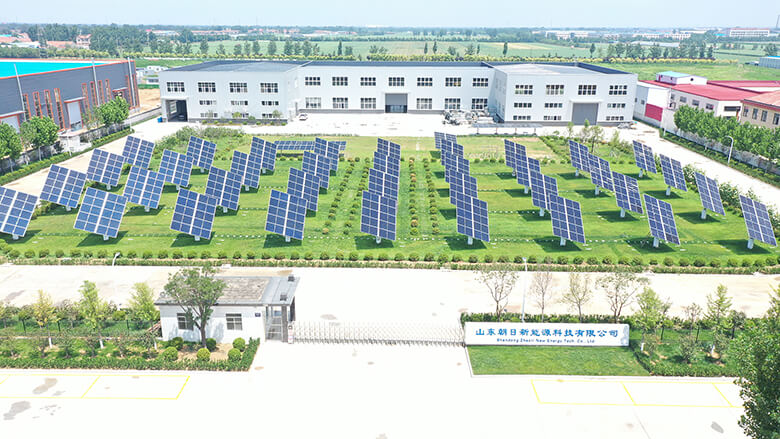
Spanning an industrial footprint of 50,000 square meters, our factory is powered by advanced fabrication equipment. This infrastructure includes highly sophisticated CNC machine tools, high-speed laser cutting machines, automated welding robots, plasma cutters, and dozens of dedicated assembly lines.
With an operational workforce exceeding 300 experienced technicians, our manufacturing facility maintains a throughput capacity of 500MW per month. Quality control parameters are strictly implemented at every single node—from initial raw material testing and precision sizing to automated welding, cold forming, anti-corrosion hot-dip galvanization, post-processing, mechanical stress testing, and final protective packaging. Our operations are governed by ISO 9001 quality management framework systems.
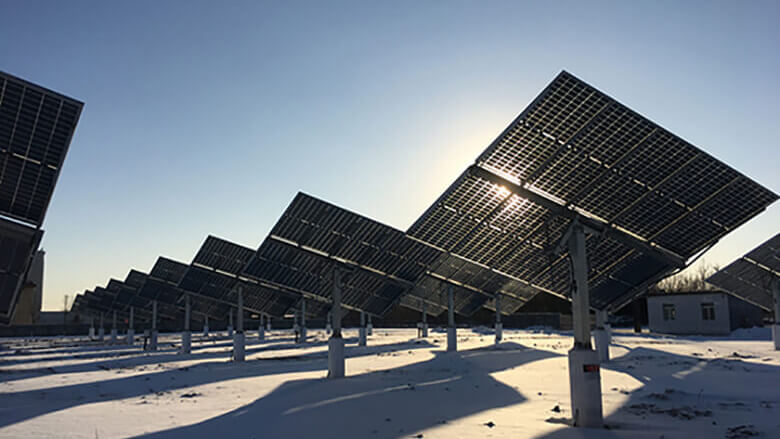
Sourcing solar tracking systems from specialized Chinese manufacturers offers strategic benefits, combining supply chain efficiency, advanced technology, and low cost of energy (LCOE).
We leverage proximity to primary raw steel mills in China to secure high-grade carbon steel (Q355B or equivalent). This raw base undergoes in-house hot-dip galvanizing conforming to international ISO 1461 standards, ensuring coating thickness above 85 microns to combat harsh environments.
Our solar trackers incorporate electronic drive controllers (TCUs) built on robust modern microcontrollers. These systems run astronomical positioning algorithms coupled with dynamic backtracking logic to eliminate inter-row shadowing, increasing net power output by up to 30%.
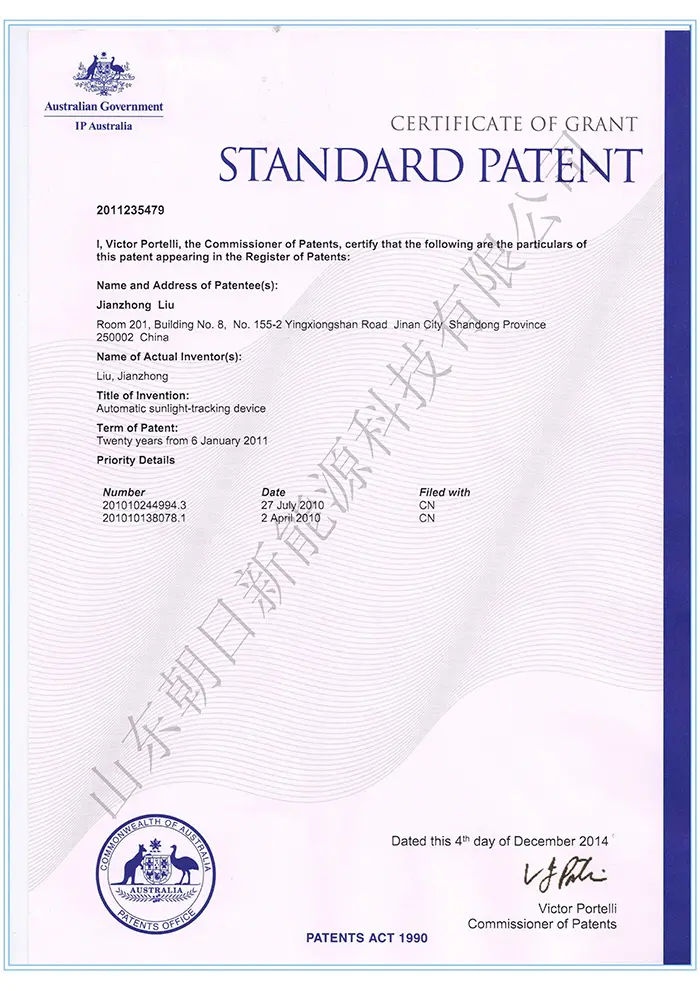
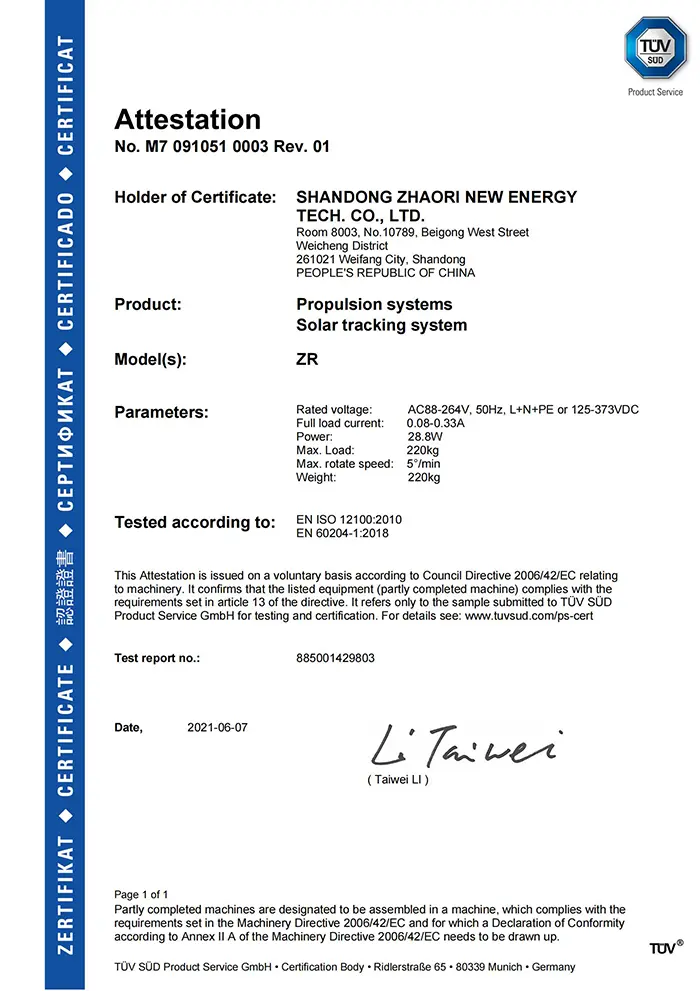
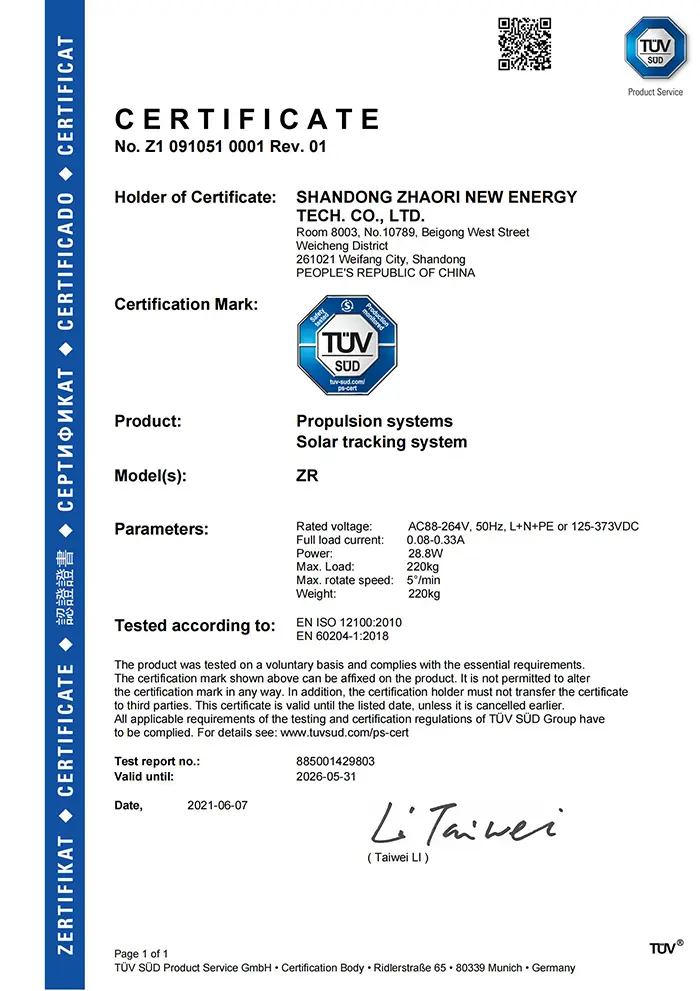
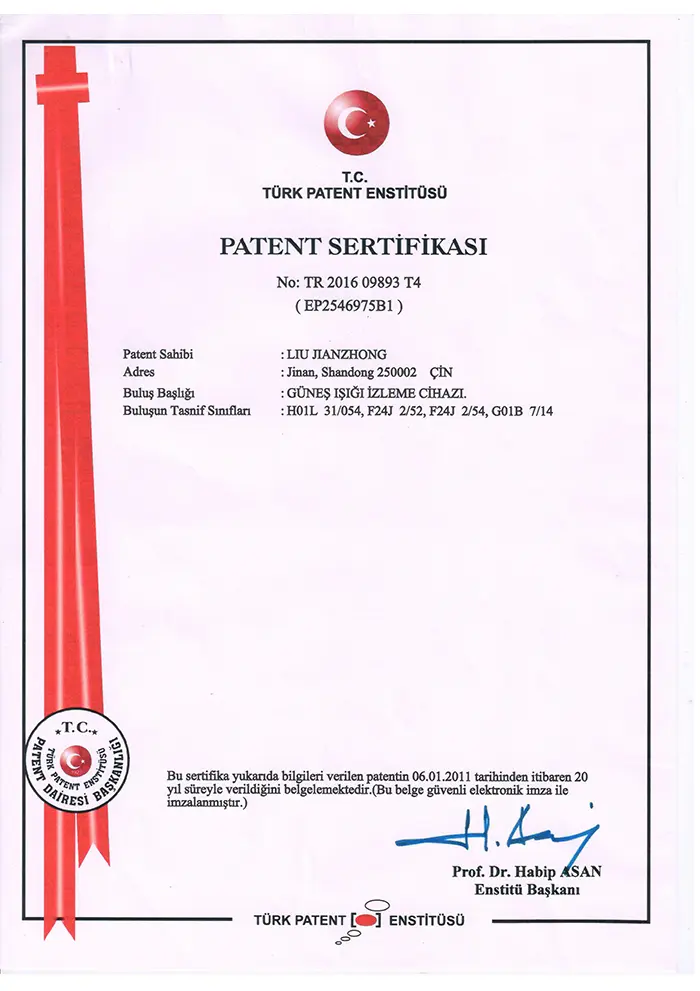
Our tracking technologies are backed by global patents issued in the European Patent Office, the USA, Canada, Australia, Japan, South Korea, Thailand, India, Brazil, and South Africa, alongside 8 Chinese National Invention Patents, TUV, CE, and ISO certificates.
Watch our operational dual-axis and flat single-axis systems operating in active commercial configurations across diverse landscapes.
We have engineered and deployed trackers across diverse terrains including mountains, agricultural green belts, and wind-swept deserts.
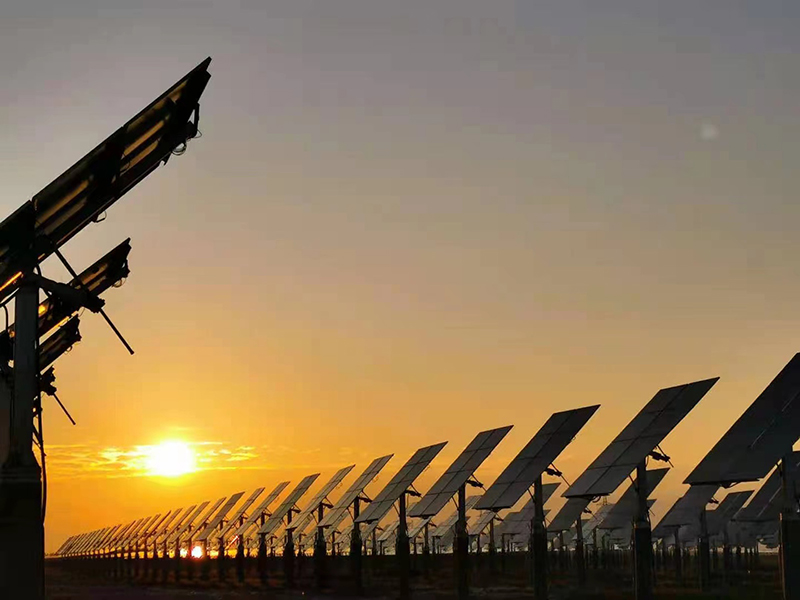
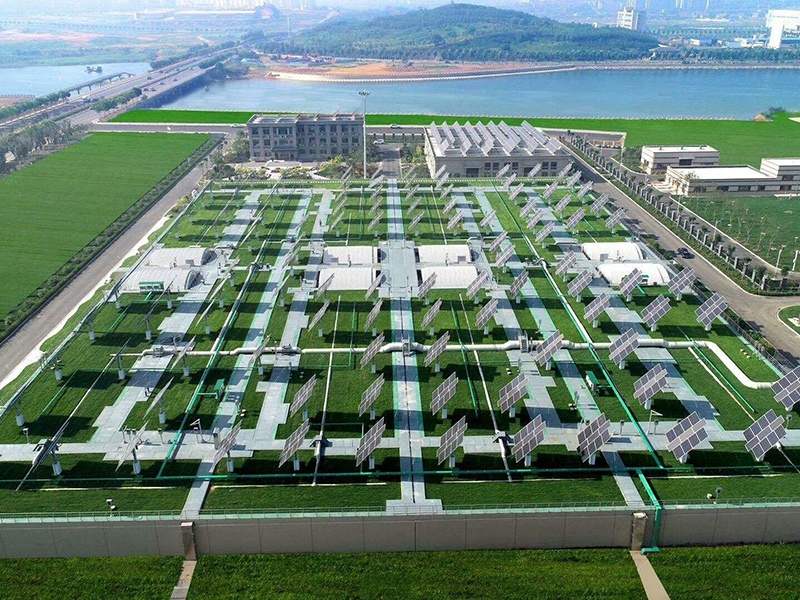
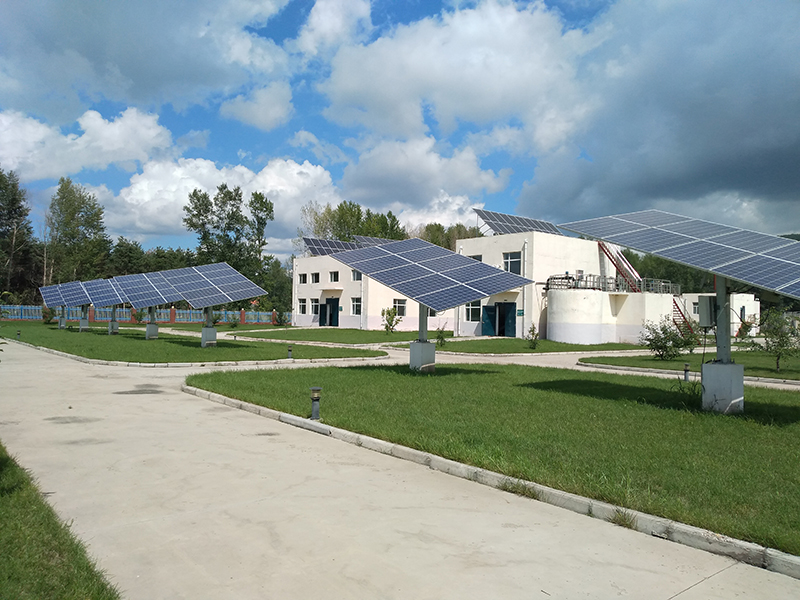
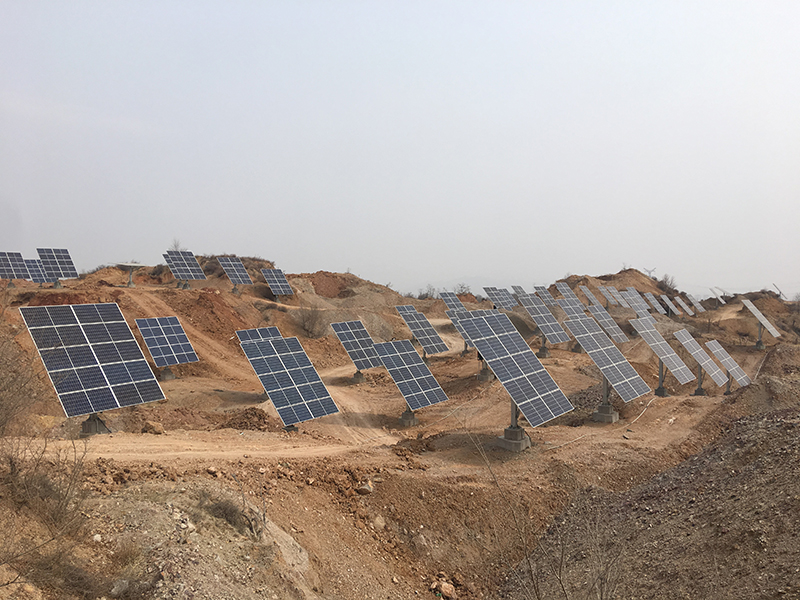
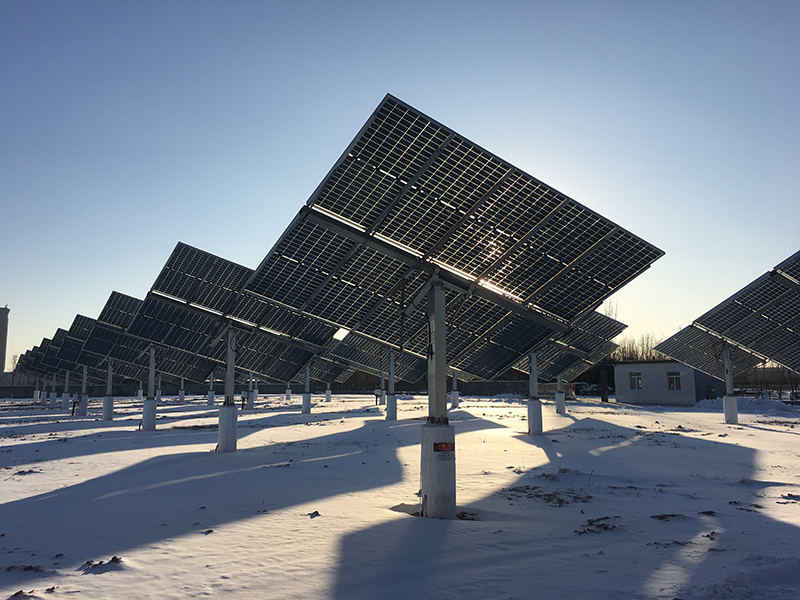
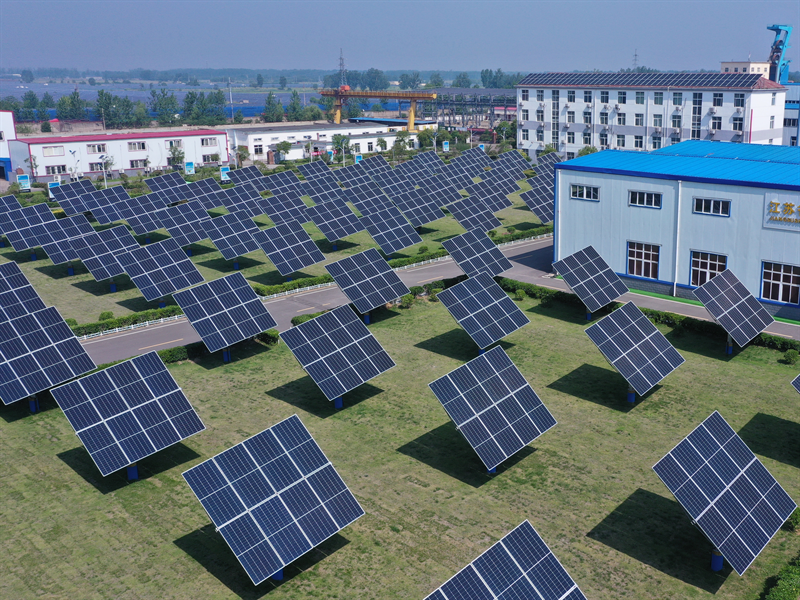
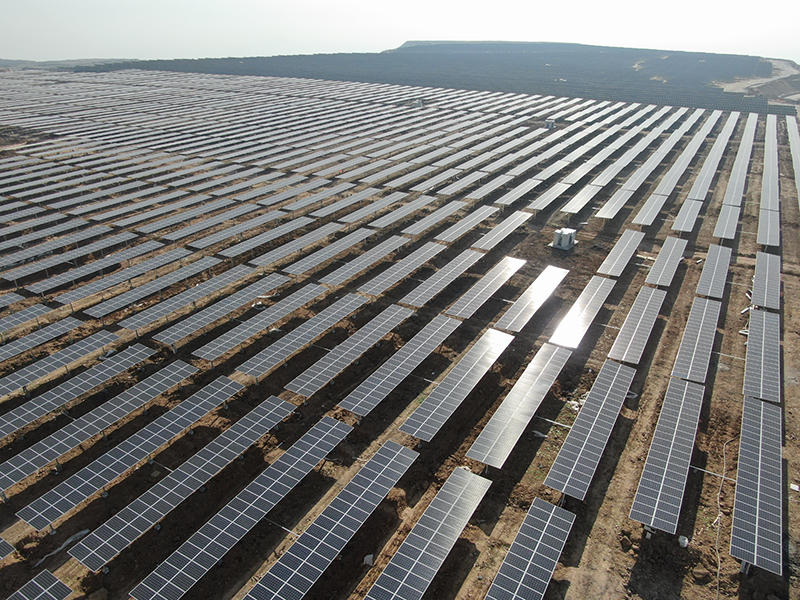
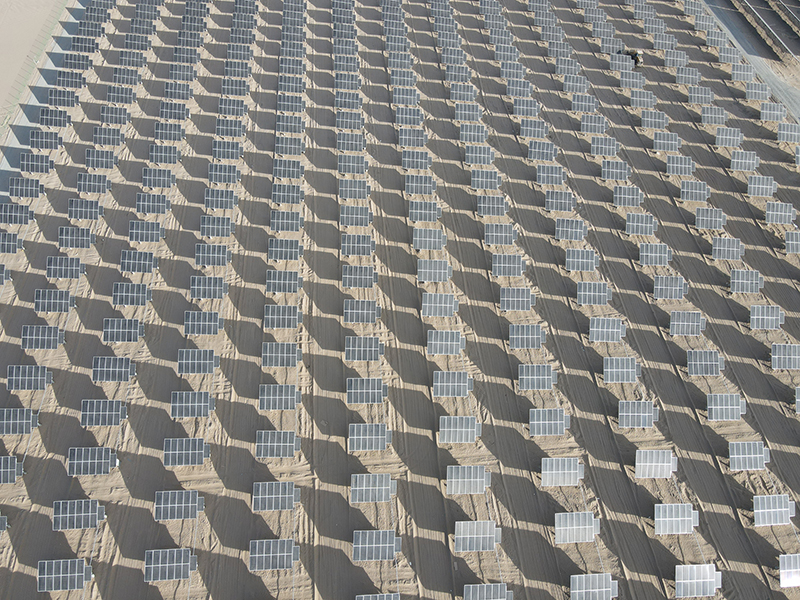
Every product batch is manufactured, tested, and certified to meet the technical requirements of global markets.


Modern PV power plants are increasingly deployed on sub-optimal terrains. Designing single and dual-axis trackers for rolling hills, mountainous zones, and uneven terrain requires smart mechanical design.
Our flat single-axis systems accommodate North-South slopes of up to 20%, reducing civil engineering site preparation costs. By utilizing decoupled drive layouts, stress forces are distributed evenly across support columns, minimizing torsional deflection under strong wind pressures.
Standard tracking systems run strictly on astronomical mathematical paths. However, during early morning and late afternoon hours, adjacent rows of trackers can cast long shadows over each other.
Our advanced electronic control system features programmed backtracking modules. By analyzing real-time geometric variables, coordinates, and topographical elevations, the trackers temporarily back away from direct solar perpendicular angles to eliminate inter-row shadowing, maximizing total generation output.
Wind-induced dynamic instabilities, such as torsional flutter and galloping, present structural risks for large-area solar arrays. Our trackers feature automatic safety stowing triggers linked to onsite anemometers.
When wind velocities exceed preset limits (typically 18-22 m/s), our smart drive controllers quickly rotate the tracker panels to a horizontal flat stowed angle (0° or 45° depending on structural analysis). For heavy snow regions, snow weight sensors prompt the tracker to pitch to 60°, facilitating natural slide-off and preventing mechanical failure.
When procurement managers evaluate global tracking brands, they look beyond initial purchase prices to focus on Levelized Cost of Energy (LCOE). While tracker brackets add to initial capital costs (CAPEX), they lower operational expenses (OPEX) and yield substantial performance gains.
By purchasing direct from our Shandong Zhaori manufacturing hub, EPC contractors can reduce procurement costs without sacrificing structural reliability. Our streamlined manufacturing workflow, integrated steel procurement, and robotic welding lines deliver high reliability at a competitive price point.
Utility-scale tracking installations require a minimum 25-year structural design life. Our systems feature premium raw materials and high-durability components:
Technical queries regarding tracking mechanics, control algorithms, project pricing, and site conditions.
Choose from our advanced single-axis, tilted single-axis, and dual-axis product lines built for utility-scale solar farms.
Precision dual-axis system that tracks both sun azimuth and elevation angles, optimizing energy yields throughout the day.
Engineered for large-scale utility systems. Features heavy-duty drivetrains and automatic stow functions in high winds.
Cost-efficient structural solution with manual seasonal tilt adjustment to optimize PV yield across different seasons.
Combines single-axis rotation with tilted solar modules, offering an optimal performance solution for mid-latitude solar sites.

Designed in a two-portrait (2P) configuration to match high-power bifacial solar modules, optimizing back-side energy capture.
Features a tilted orientation axis that improves seasonal sun tracking, delivering higher winter generation outputs.

Our flagship dual-axis system. Designed to handle large module configurations while ensuring peak stability in high wind load zones.

Designed for 10 to 20 panels per row, this system features a 10° to 30° tilt, increasing power generation by up to 25% compared to static fixed structures.
 Zhaori