In the rapidly evolving landscape of renewable energy, the transition from fixed-tilt photovoltaic (PV) structures to sophisticated axis solar tracking systems represents one of the most significant leaps in Levelized Cost of Energy (LCOE) reduction. China has emerged as the global epicenter for this technological shift, housing companies that blend manufacturing scale with high-end R&D.
Semantic Search Analysis: Modern energy procurement is no longer just about the price per watt. Investors and EPC (Engineering, Procurement, and Construction) firms are now searching for "Bankability," "Bifacial Compatibility," and "Dynamic Wind Response." Shandong Zhaori New Energy Tech. Co., Ltd. addresses these latent needs through its Sunchaser brand, integrating astronomical algorithms with real-time sensor data.
As we look toward 2030, the integration of AI-driven predictive maintenance and "Scada-Ready" hardware is non-negotiable. Global enterprises are demanding systems that not only track the sun but also protect themselves from extreme weather events like hurricanes and heavy snow loads without human intervention.
Shandong Zhaori New Energy Tech. Co., Ltd. is a high-tech and new energy company based on independent intellectual property rights. Founded in June 2012, we have established 10 specialized departments including R&D, Technical, Quality Assurance, and Foreign Trade. Our team of 60+ technical specialists has been dedicated to solar tracking technology for over a decade.
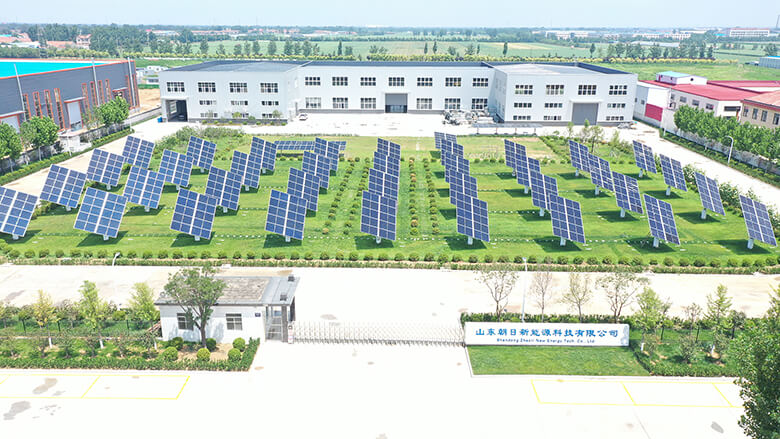
Our facility covers 50,000 square meters, equipped with CNC machine tools, laser cutting machines, and automatic welding robots. With over 300 production workers, we ensure every tracker—from raw material screening to final packaging—undergoes rigorous quality control under ISO management systems.
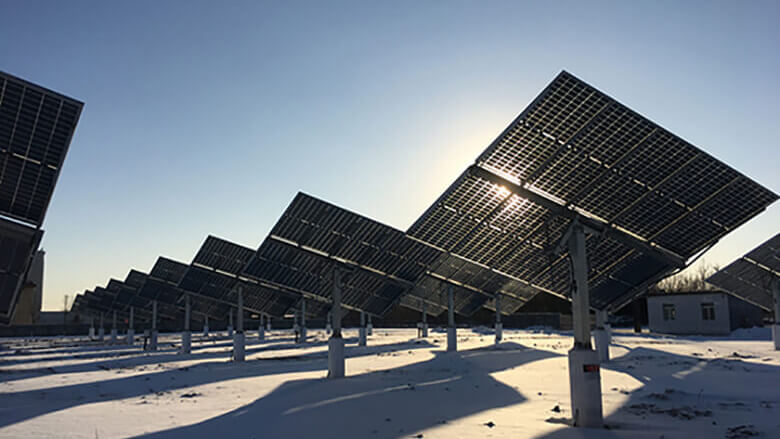
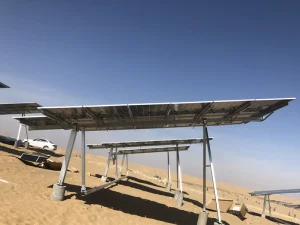
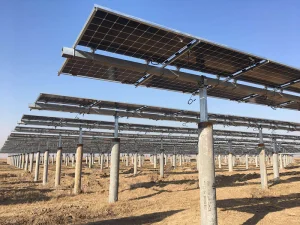
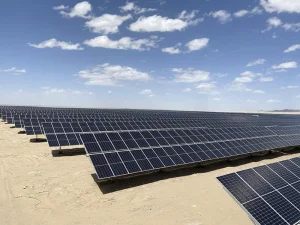
Large-scale projects in deserts or flatlands benefit from our 20MW+ experience. Integration with Bifacial modules provides a 25-30% boost in energy yield compared to fixed brackets.
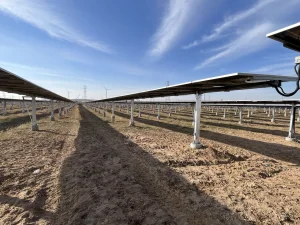
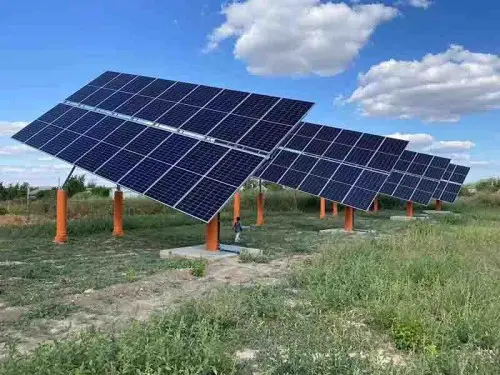
Tilted single-axis trackers allow for agricultural machinery to operate underneath, optimizing land use for both food and energy production.
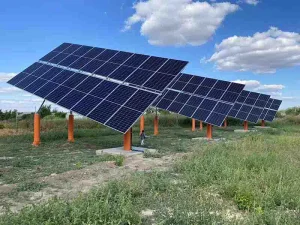
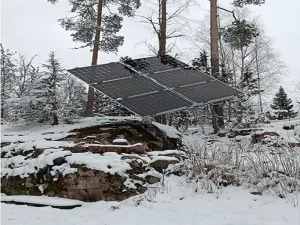
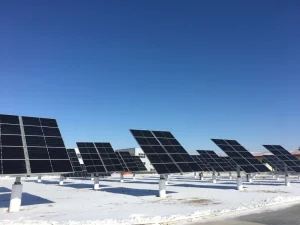
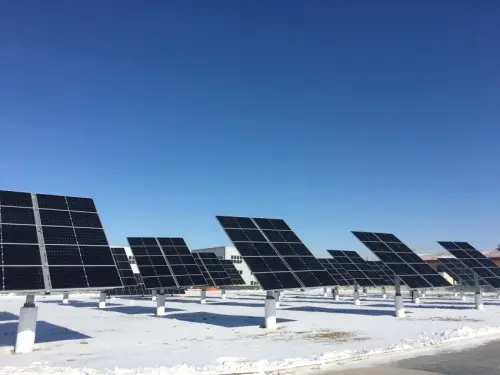
Designed for resilience, our dual-axis systems feature automated "Stow" positions to mitigate risks from high wind speeds and heavy snow accumulation (as seen in our North China projects).
The next generation of Sunchaser trackers will focus on Machine Learning (ML) integration. By analyzing historical weather patterns and real-time power output, the trackers will autonomously adjust their angles to compensate for topographic shading—a concept known as "Terrain Adaptive Tracking."
Implementation of AI algorithms for diffuse light optimization and automated cleaning cycle scheduling.
Removal of traditional cabling for control signals, reducing installation time by 40% and cutting material costs.
Development of self-lubricating, hermetically sealed drive units designed for 30-year operational lifespans in corrosive environments.
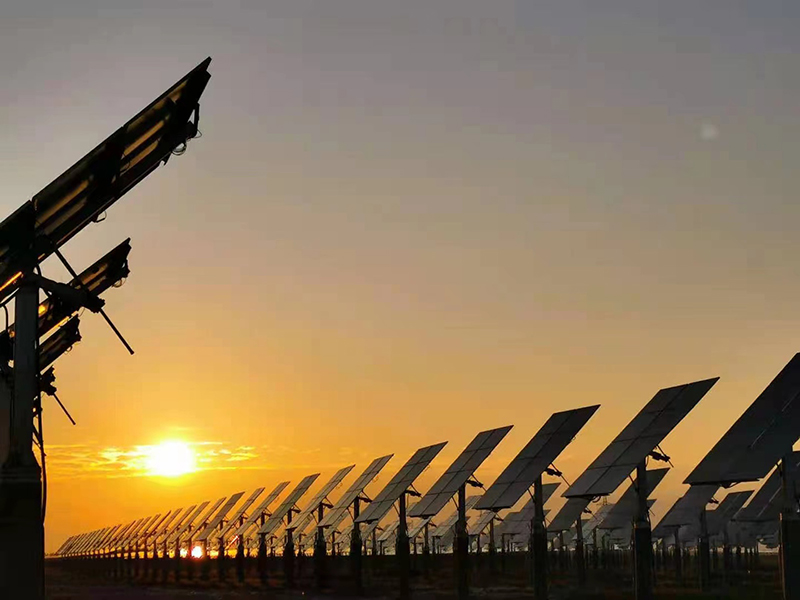
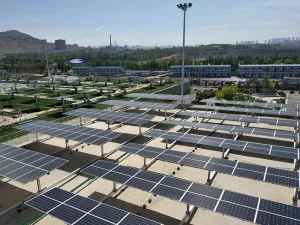
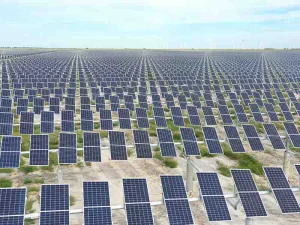
5MW Project in North China
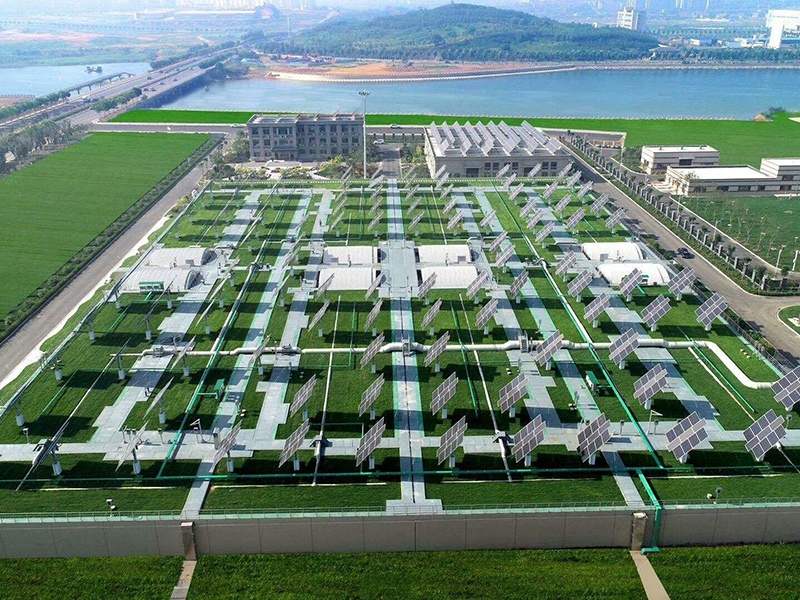
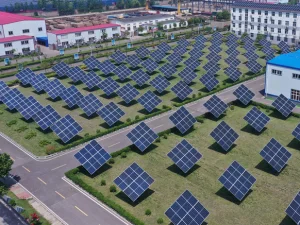
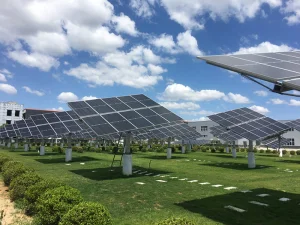
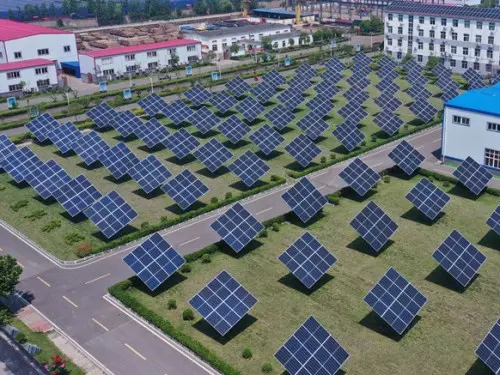
Industrial Factory Integration
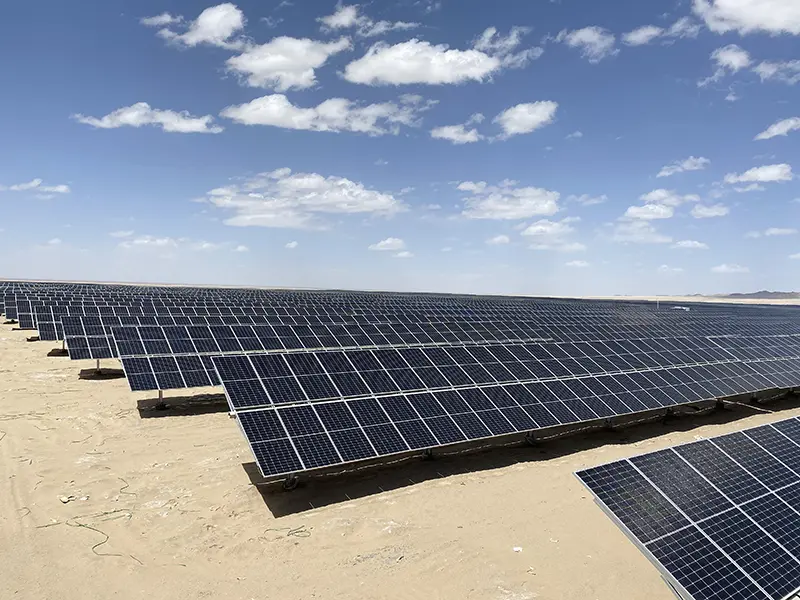
20MW Desert Installation
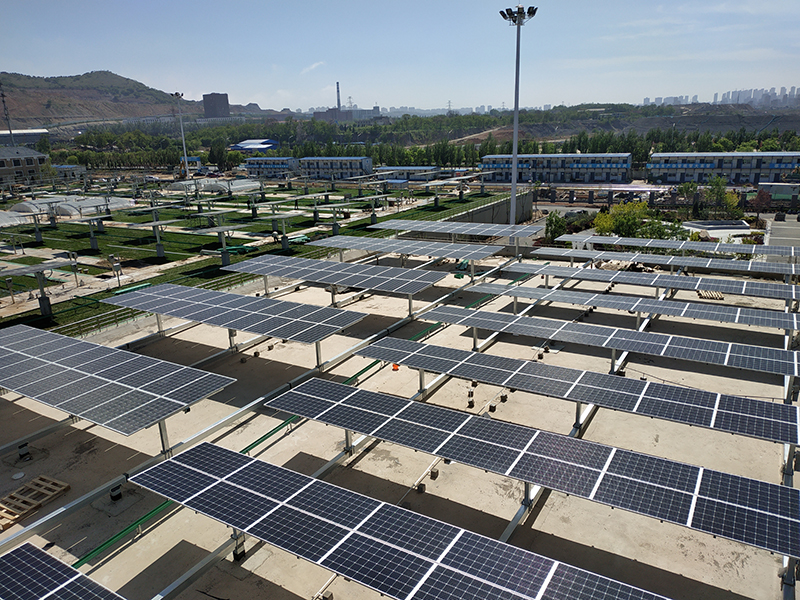
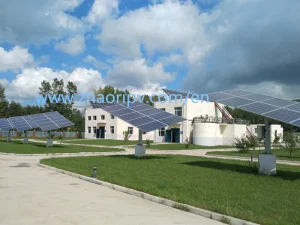
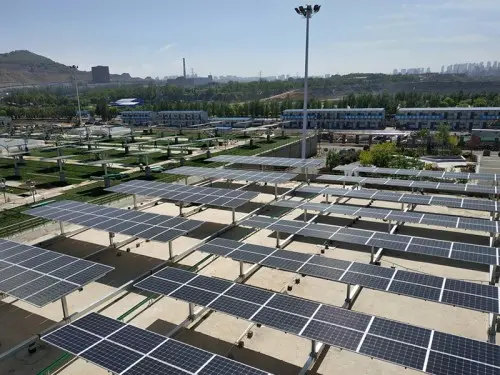
Commercial Rooftop Tracking
Entering international markets requires more than just high-quality hardware. We ensure full compliance with regional standards:
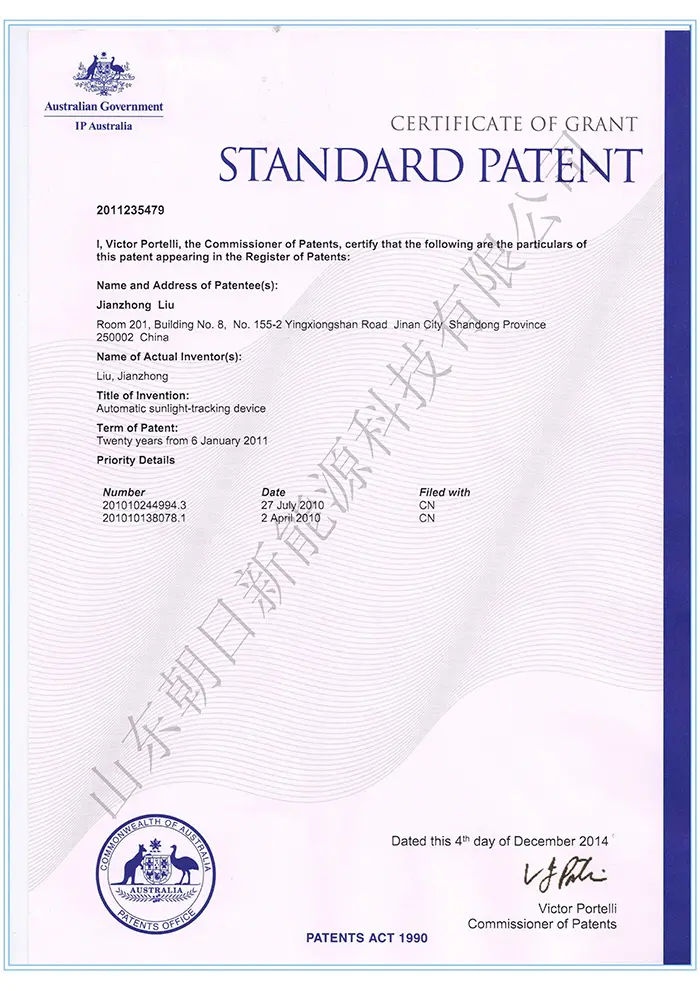
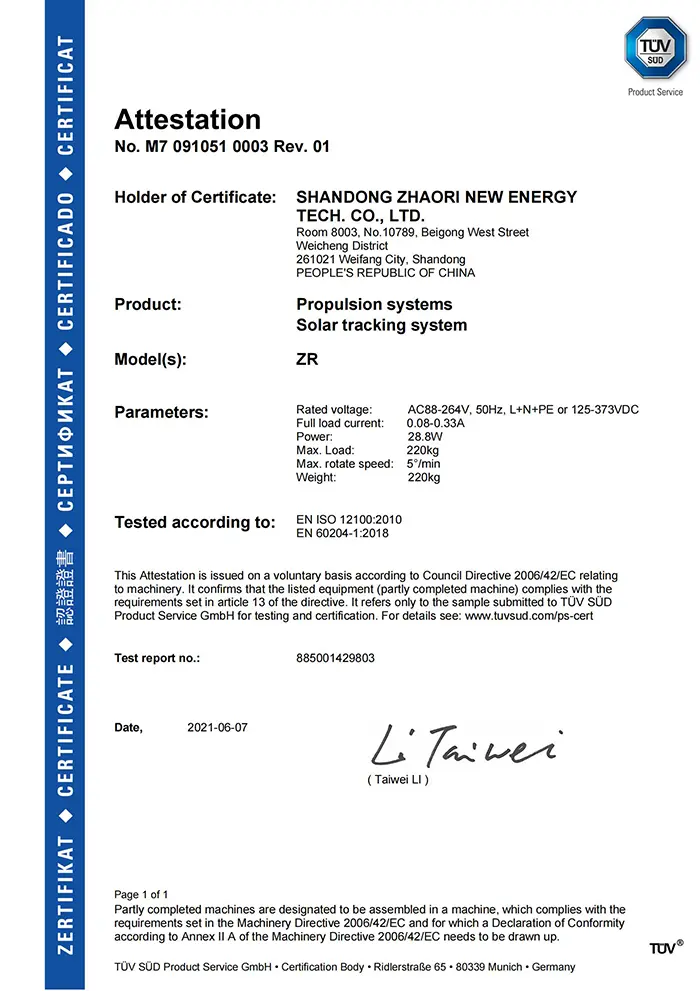
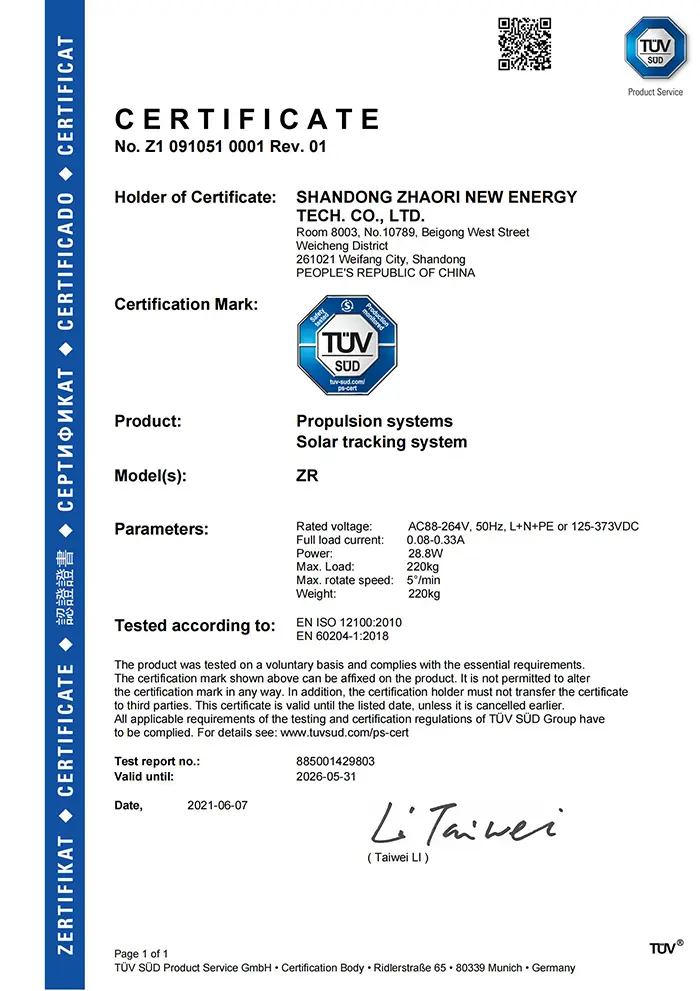
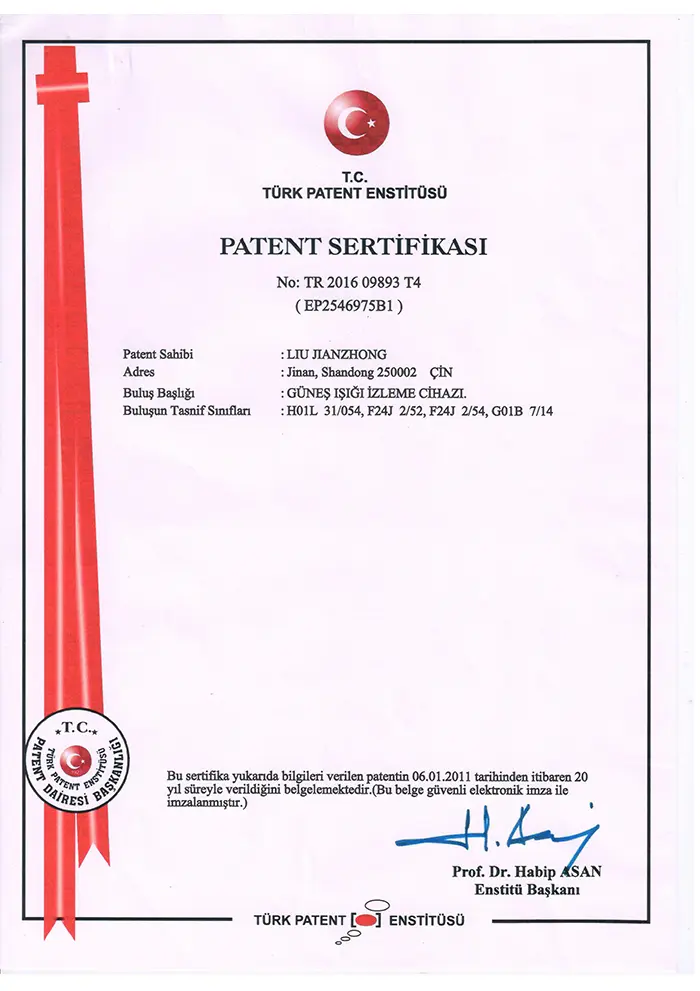
Our systems hold TUV, CE, and ISO certifications. We have invention patents in the USA, Canada, Australia, Japan, South Korea, Thailand, India, Brazil, and South Africa.
Sunchaser trackers are recognized by global financial institutions, easing the path for project financing and debt securing for utility-scale developers.
We provide comprehensive O&M (Operation and Maintenance) training and have established a global supply chain for rapid spare parts delivery.
A: A single-axis tracker follows the sun from East to West. A dual-axis tracker (like our ZRD-08) adjusts for both azimuth and elevation, maximizing exposure throughout the day and year, typically resulting in a 35-40% energy gain over fixed systems.
A: Our systems are designed for a 25-30 year lifespan. Maintenance is minimal, requiring only basic mechanical checks and electronic diagnostics once or twice per year.
A: Yes, our systems include integrated wind sensors that automatically trigger a "safe mode" (flat stowage) when wind speeds exceed pre-set thresholds.
 Zhaori