As the global energy transition accelerates, the demand for high-efficiency solar infrastructure has shifted from static mounting to dynamic, AI-integrated tracking systems. Shandong Zhaori New Energy Tech. Co., Ltd. (also known in market circles alongside high-tier brands like Axi Solar) stands at the forefront of this revolution. With over a decade of R&D, our tracking solutions are engineered to solve the "yield gap"—the difference between the theoretical and actual power generation of PV plants.
By 2025, over 60% of new utility-scale solar installations globally are expected to utilize tracking technology. In regions like the MENA, Australia, and the US Southwest, solar trackers are no longer an "option" but a "necessity" for Levelized Cost of Energy (LCOE) optimization.
Founded in June 2012, our 10 specialized departments—including dedicated Engineering and I.M.D. units—manage over 60 high-level technical talents focusing exclusively on PV station optimization.
Operating a 50,000 sqm facility with CNC machine tools, laser cutting, and automatic welding robots, we produce 500MW monthly, ensuring global supply chain stability for mega-projects.
Shandong Zhaori New Energy Tech. Co., Ltd. is a high-tech and new energy company based on independent intellectual property rights. Our team focuses on photovoltaic power stations and solar tracking technology for more than 10 years.
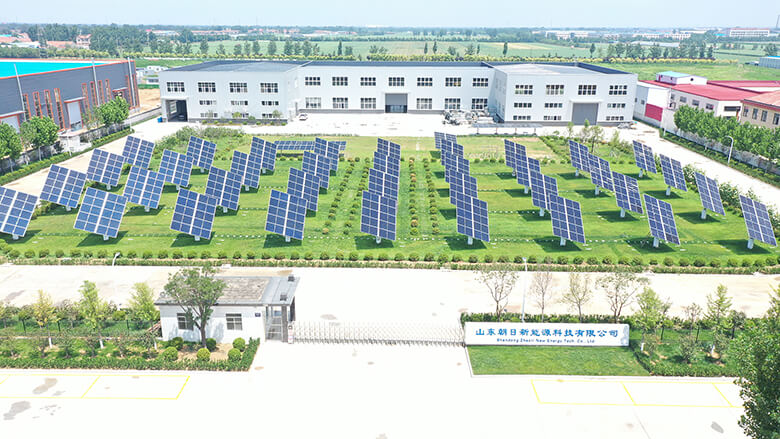
Our factory covers an area of 50,000 square meters. The products are manufactured from raw material screening, cutting, welding, forming, anti-rust treatment, and inspection, in strict accordance with quality management system certifications.
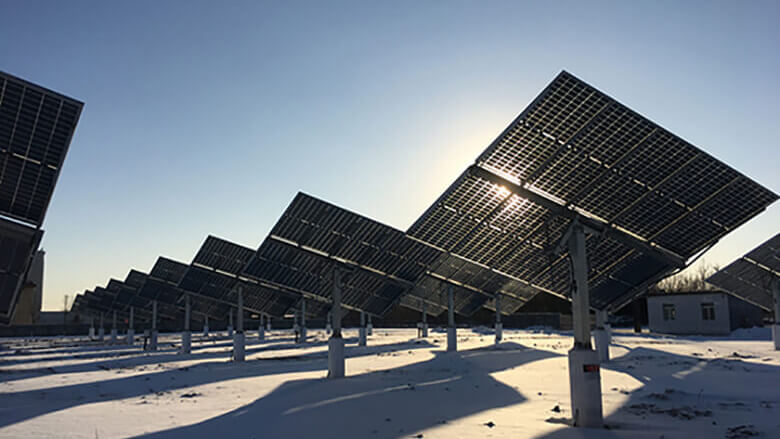
Navigating the next decade of solar efficiency and structural intelligence.
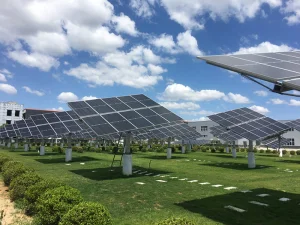
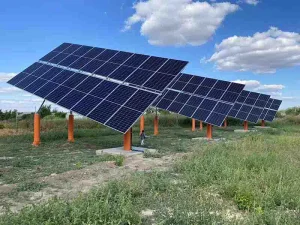
Systems like the ZRD-10 and ZRD-08 represent the pinnacle of precision. By tracking both azimuth and altitude, these systems capture the maximum possible irradiance, often exceeding fixed-tilt yields by 35-40% in high-latitude or variable-cloud regions.
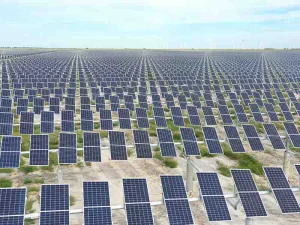
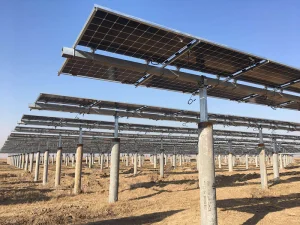
Our 2P Flat Single Axis Trackers are specifically designed for bifacial modules. By minimizing backside shading and optimizing the height-to-width ratio, we maximize the "albedo gain" from reflected light on the ground.
Future iterations of Sunchaser and Axi-compatible trackers are integrating AI-based backtracking algorithms. These systems use real-time sensor data and historical weather patterns to prevent row-to-row shading during early morning and late afternoon, ensuring every watt is captured.
Engineering resilience into every environment.
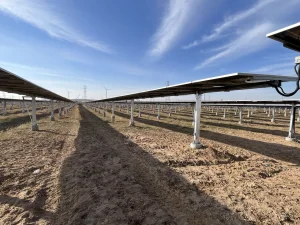
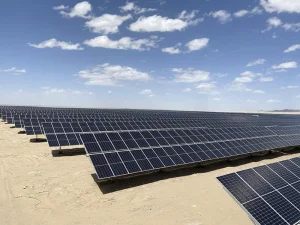
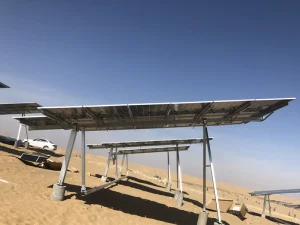
Designed with high-IP rated enclosures and sand-resistant bearings. Our systems have successfully been deployed in 20MW+ projects in desert terrains, where heat dissipation and dust management are critical.
The ZRT-16 Tilted Single Axis is the ideal solution for uneven ground. Its structural flexibility allows for significant North-South slope tolerance without extensive land leveling.
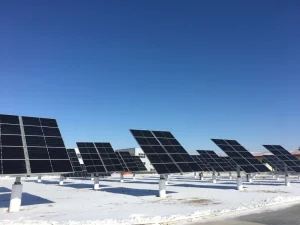
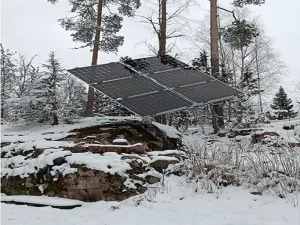
Automatic "Snow Dump" modes allow the trackers to tilt to a steep angle during heavy snowfall, preventing structural failure from weight accumulation—a feature proven in our North China and Canadian projects.
We provide full EPC support for trackers. From soil analysis and pull-out tests to final commissioning. Our ZRP 2P systems are the industry standard for reducing labor costs during installation through modular "linked-row" designs.
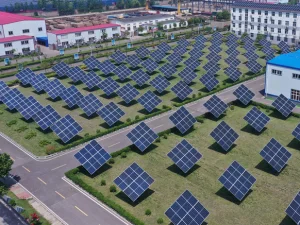
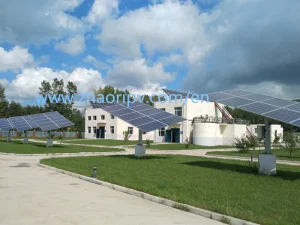
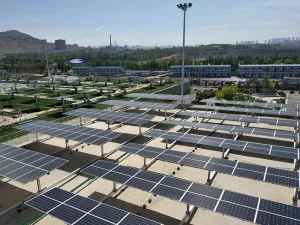
For large flat-roof factories, our adjustable fixed brackets and semi-auto trackers provide a balance between cost and performance, allowing factory owners to offset 100% of daytime energy usage.
Single-axis trackers provide the necessary clearance and light-sharing capabilities for crops to grow underneath, creating a dual-revenue stream for landowners while protecting plants from excessive heat.
Globally recognized patents and quality standards.
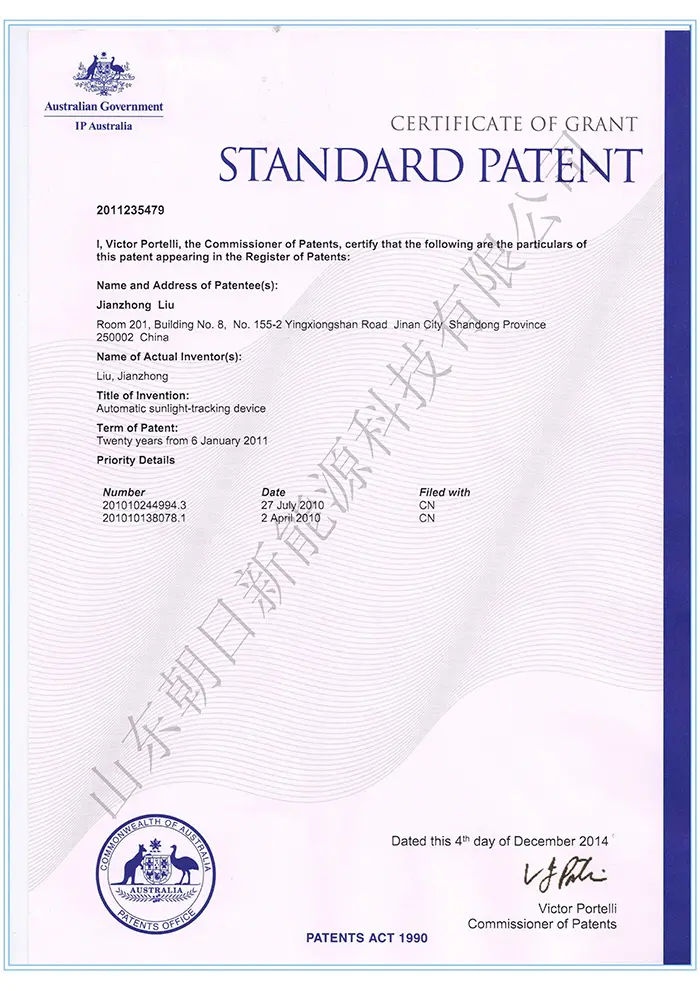
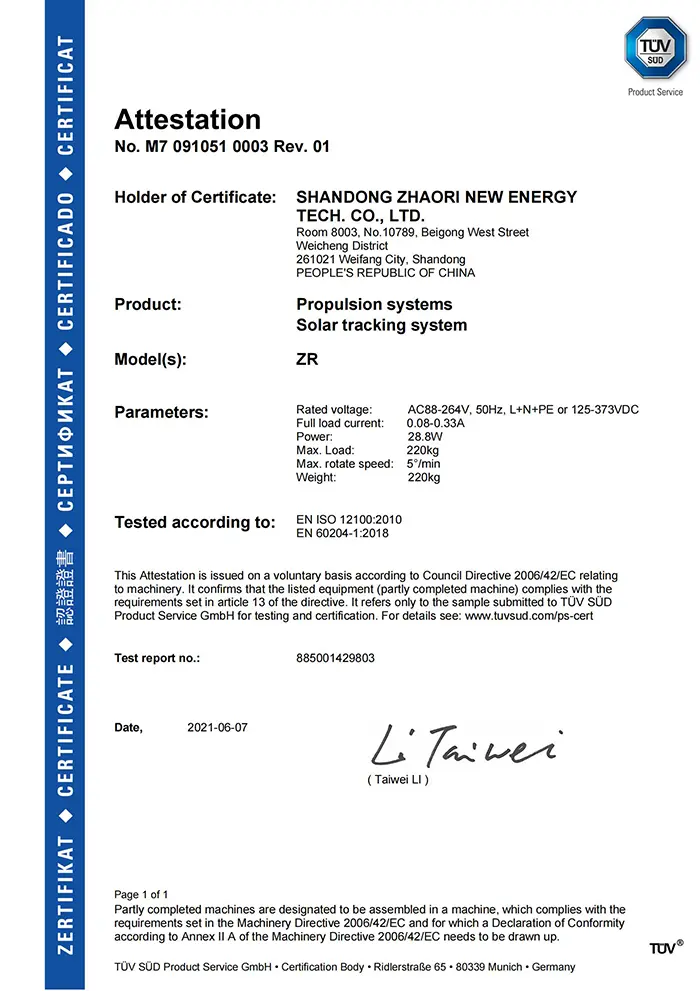
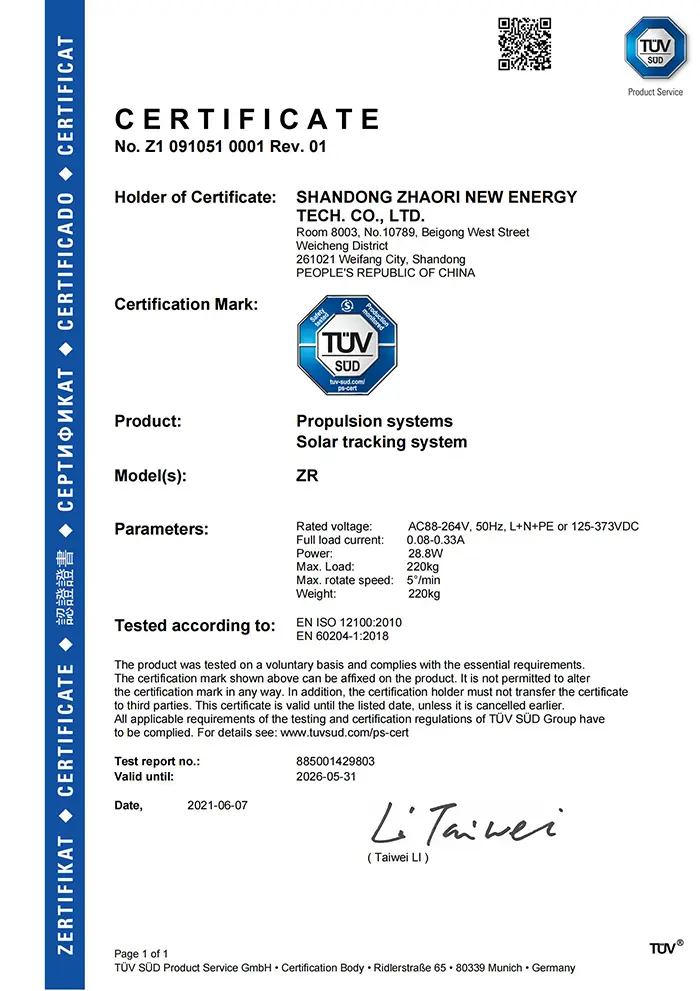
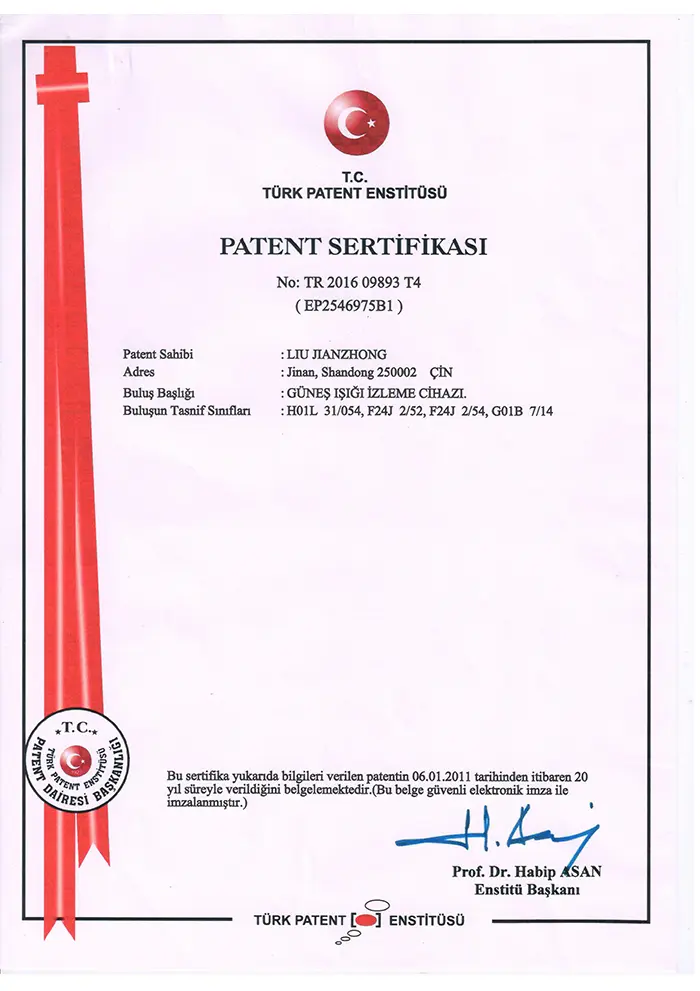
Our products have obtained patents of invention from the Europe Patent Office, the United States, Canada, Australia, Japan, South Korea, Thailand, India, Brazil, and South Africa.
A: Typically, a dual-axis system like the ZRD-10 provides a 30% to 45% increase in energy yield compared to a fixed-tilt system. This is especially true in areas with high DNI (Direct Normal Irradiance).
A: Yes. Our 1P and 2P single-axis trackers are engineered to maximize bifacial gain by increasing the structure's height and reducing the obstruction behind the module, often resulting in an additional 5-15% gain from the rear side.
A: Our structures are designed to withstand wind speeds up to 35m/s - 45m/s (160km/h) depending on the configuration. In high-wind events, the trackers automatically move to a horizontal "stow position."
A: As a leading exporter, we provide detailed installation manuals, video tutorials, and remote technical support. For large-scale utility projects, we can deploy engineering teams for on-site supervision.
 Zhaori