In the rapidly transforming landscape of renewable energy, the term "Sunflower" has become synonymous with biomimetic intelligence in solar orientation. Just as a sunflower tracks the sun from dawn till dusk to maximize photosynthesis, modern Sunflower Solar Tracking systems utilize sophisticated astronomical algorithms and sensor-based controls to ensure photovoltaic (PV) modules maintain a perpendicular angle to solar radiation. This whitepaper explores the technical depth, manufacturing prowess, and global economic impact of solar tracking solutions provided by industry leaders like Shandong Zhaori New Energy Tech. Co., Ltd.
China has established itself as the global epicenter for PV technology innovation. As a premier Sunflower Solar Tracking Exporter, our facility in Shandong represents the pinnacle of industrial efficiency. The advantages of sourcing from our Chinese factory include:
The ZRD-08 and ZRD-10 series represent the zenith of solar tracking. By adjusting both the azimuth and altitude angles, these systems can increase energy production by 30% to 40% compared to fixed-tilt systems. This is particularly crucial in high-latitude regions or for projects utilizing high-efficiency bifacial modules.
For large-scale utility plants where cost-benefit ratios are tightly scrutinized, our Tilted Single Axis (ZRT) and Flat Single Axis (ZRP) trackers offer a balanced solution. These systems provide a 15% to 25% yield gain with lower CAPEX and simplified maintenance protocols.
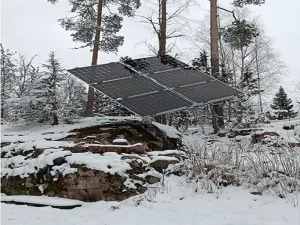
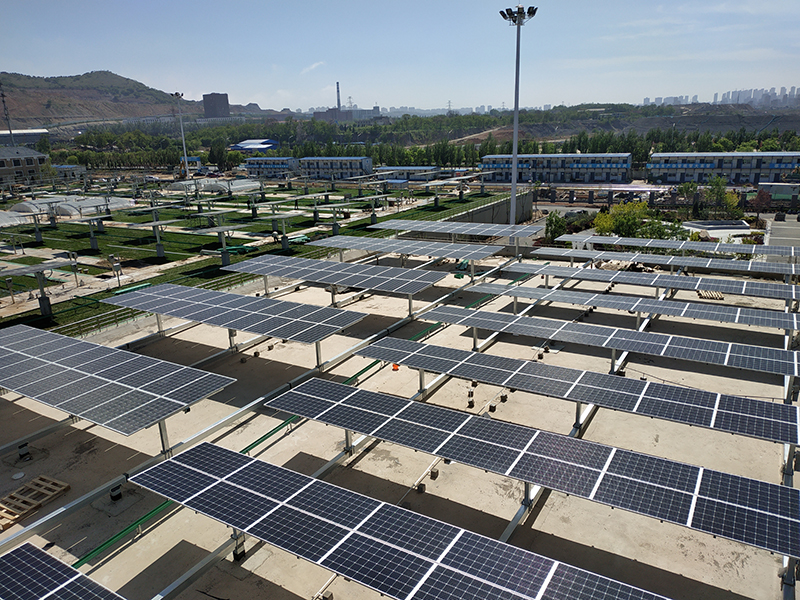
The global solar tracking market is shifting towards "Intelligent O&M" (Operation and Maintenance). Integration with AI-driven weather forecasting allows trackers to enter "stow mode" ahead of extreme wind or snow events, protecting the investment. Furthermore, the rise of Agri-PV (Agrophotovoltaics) requires trackers with higher clearances and flexible tilting to allow farming machinery to operate underneath, a scenario where our customized mounting solutions excel.
Shandong Zhaori New Energy Tech. Co., Ltd. is a high-tech and new energy company based on independent intellectual property rights. Founded in June 2012, we house 10 departments including R&D, engineering, and quality assurance. Our team of over 60 professional technology talents has focused on photovoltaic power stations and solar tracking technology for more than a decade.
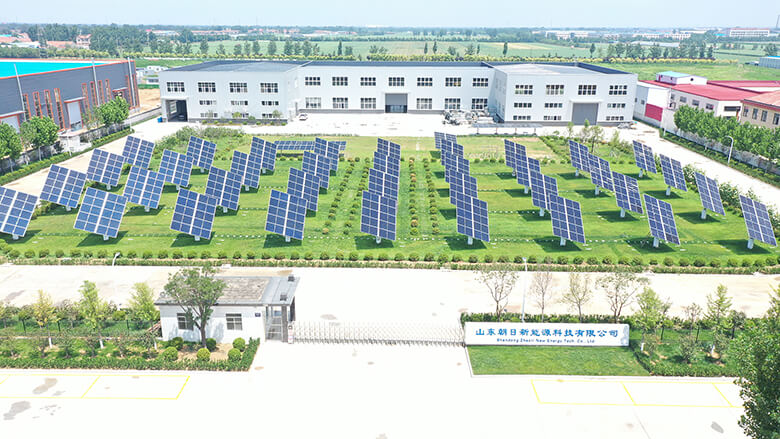
Our factory covers 50,000 square meters. The products are manufactured from raw material screening, cutting, welding, and anti-rust treatment to post-processing, with strict quality control. We operate in strict accordance with the requirements of quality management system certifications, ensuring every unit exported meets international standards.
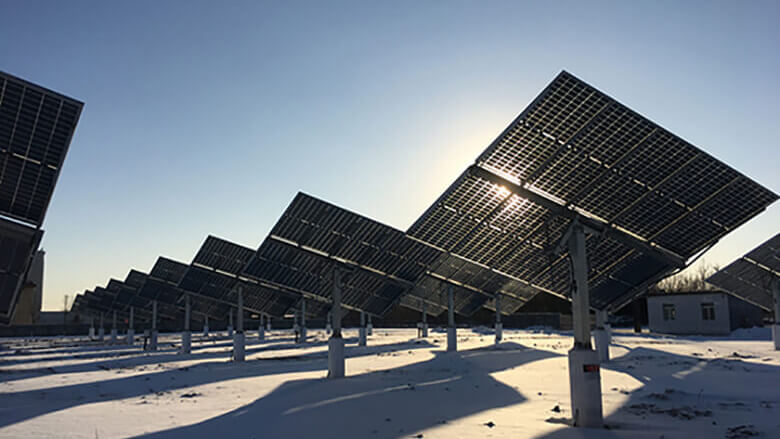
Global procurement teams from EPC (Engineering, Procurement, and Construction) companies often face diverse geographic challenges. Our Sunflower trackers are engineered for versatility:
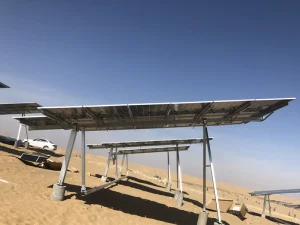
Designed with sand-proof enclosures and high-torque actuators to withstand abrasive environments in regions like the Middle East and North Africa.
Our adjustable fixed brackets and tilted single-axis trackers are optimized for slopes, reducing the need for extensive land leveling (grading).
Lightweight dual-axis systems provide commercial buildings with maximum power density, turning idle rooftop space into a high-yield revenue stream.
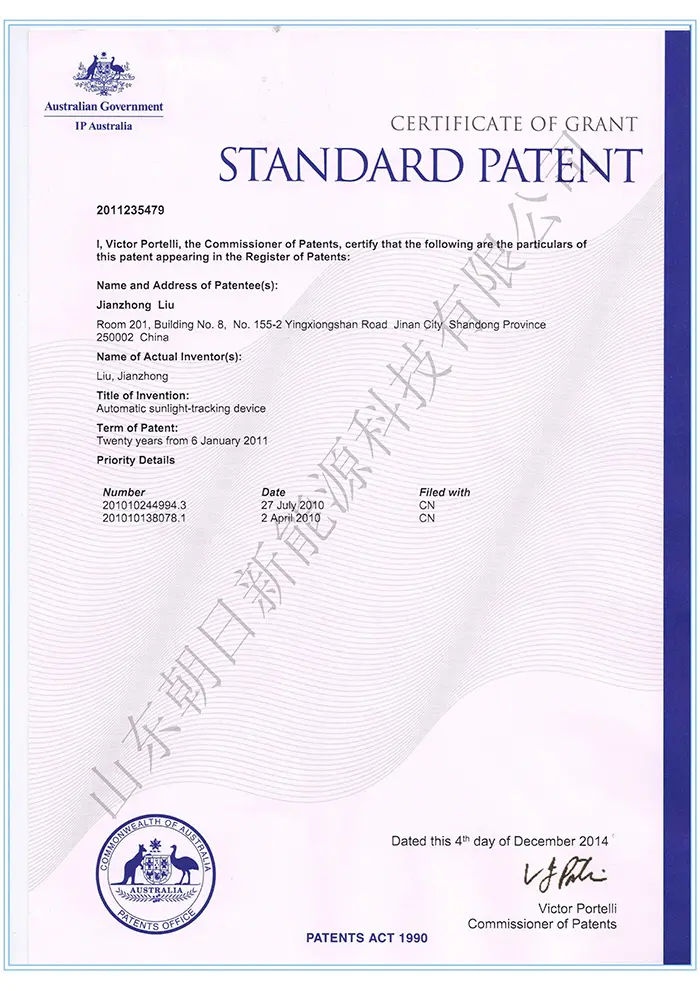
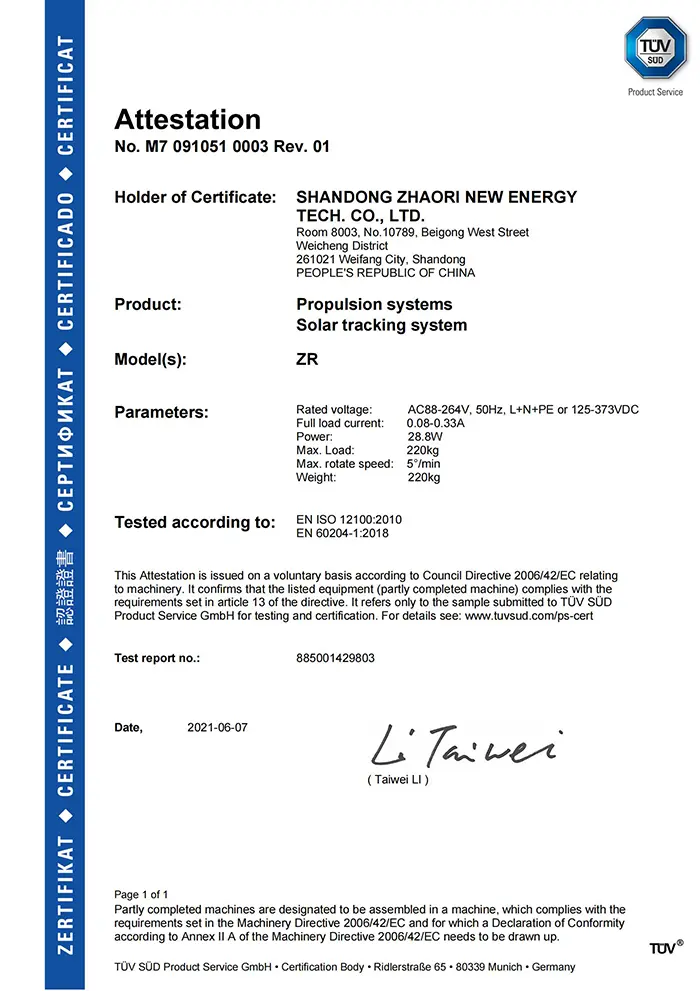
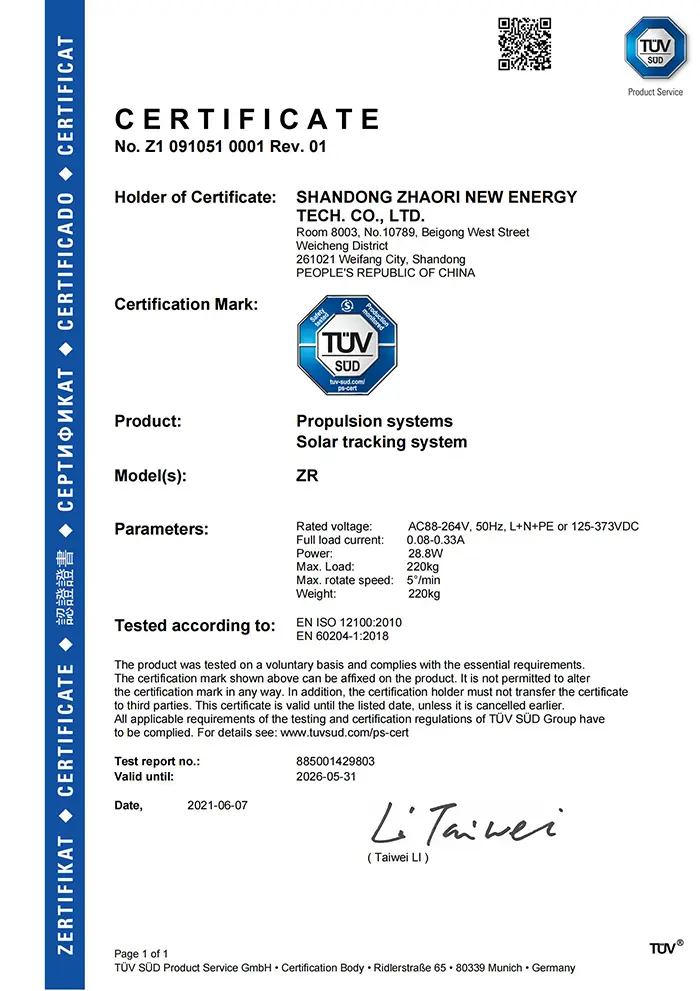
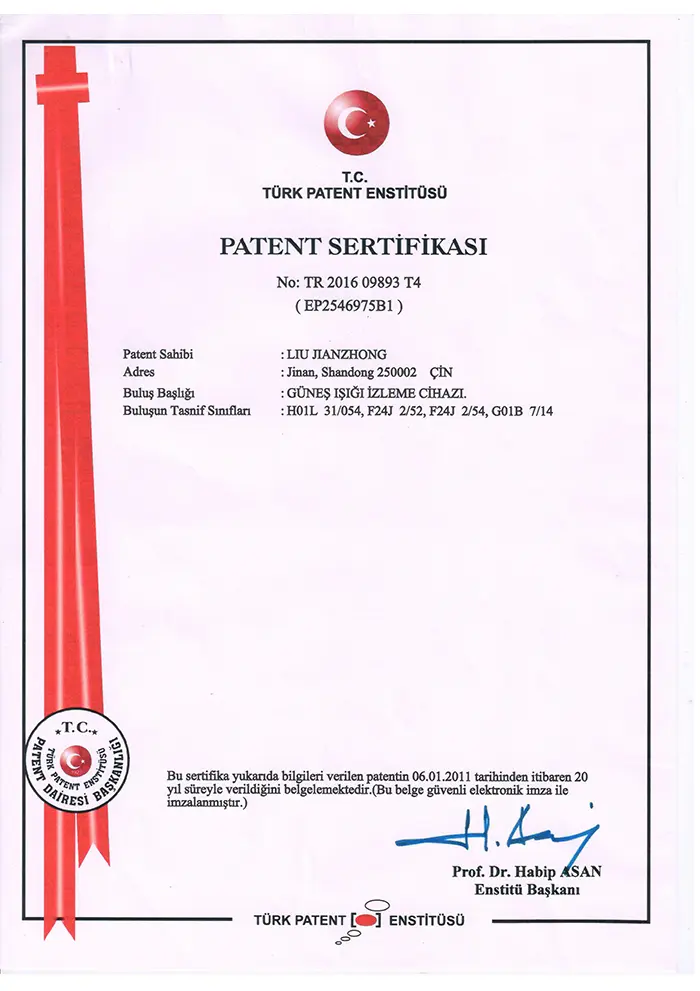
Our commitment to quality is backed by rigorous international testing. We hold patents from the Europe Patent Office, USA, Canada, Australia, Japan, and South Korea. With over 8 Chinese National Invention Patents and 30+ Utility model patents, our "More Simple, More Reliable, More Effective" principle is globally recognized through TUV, CE, and ISO certifications.
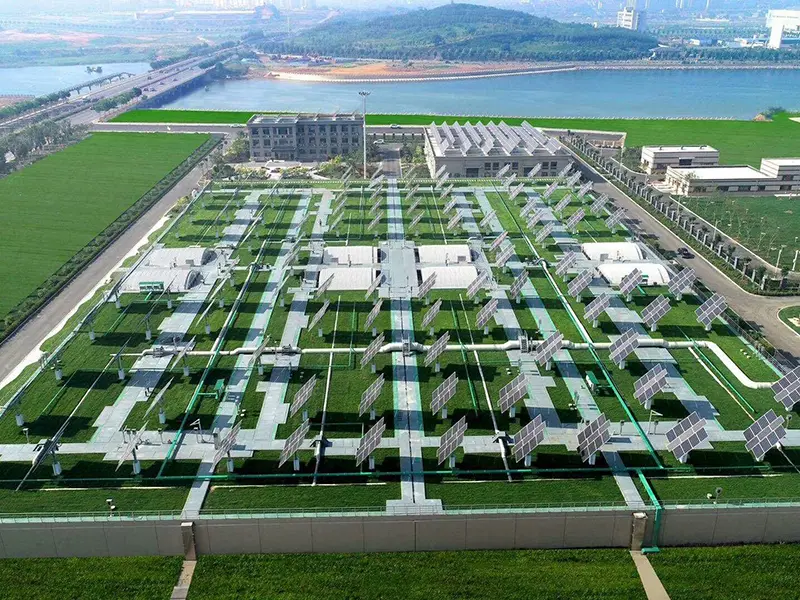
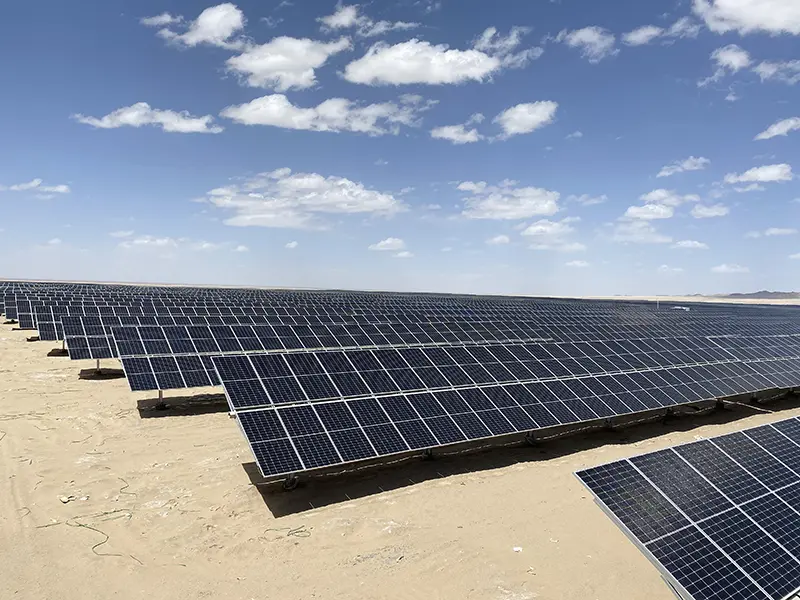
353MW Utility Project Aerial View
World-Class Dual Axis Installation
A: Depending on local irradiance and electricity tariffs, most utility-scale projects see an ROI improvement of 15-20% compared to fixed structures, with the payback period shortened by approximately 1.5 to 2 years due to the massive increase in KWh generated.
A: Our systems include an automated stowage logic. When wind sensors detect speeds exceeding the safety threshold (typically 18-22 m/s), the trackers automatically move to a horizontal position to minimize wind load.
A: Yes! Our trackers are designed with bifacial module optimization in mind, ensuring minimal shading on the rear side of the panels to capture the maximum albedo light from the ground.
A: While we are an exporter, we provide comprehensive remote technical support, detailed installation manuals, and can dispatch engineering teams for large-scale utility projects to supervise the commissioning process.
 Zhaori