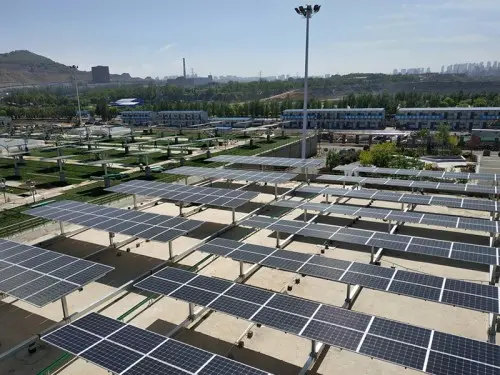
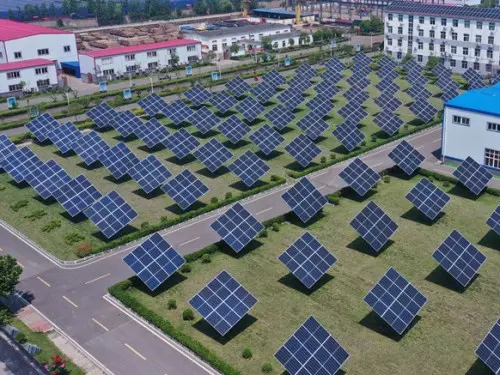
In the current global energy transition, purchasing Solar Panel Tracking Mounts is no longer just a hardware procurement; it is a strategic investment in Levelized Cost of Energy (LCOE) reduction. Research indicates that dual-axis tracking systems can enhance energy yield by up to 35-40% compared to fixed-tilt installations, significantly shortening the ROI period for utility-scale projects.
EPC contractors and developers in North America, MENA, and Australia are increasingly pivoting toward Chinese Tier-1 exporters. The demand focuses on durability against extreme wind loads, AI-integrated backtracking algorithms, and seamless integration with bifacial modules. Companies like Shandong Zhaori New Energy are at the forefront of this technological shift.
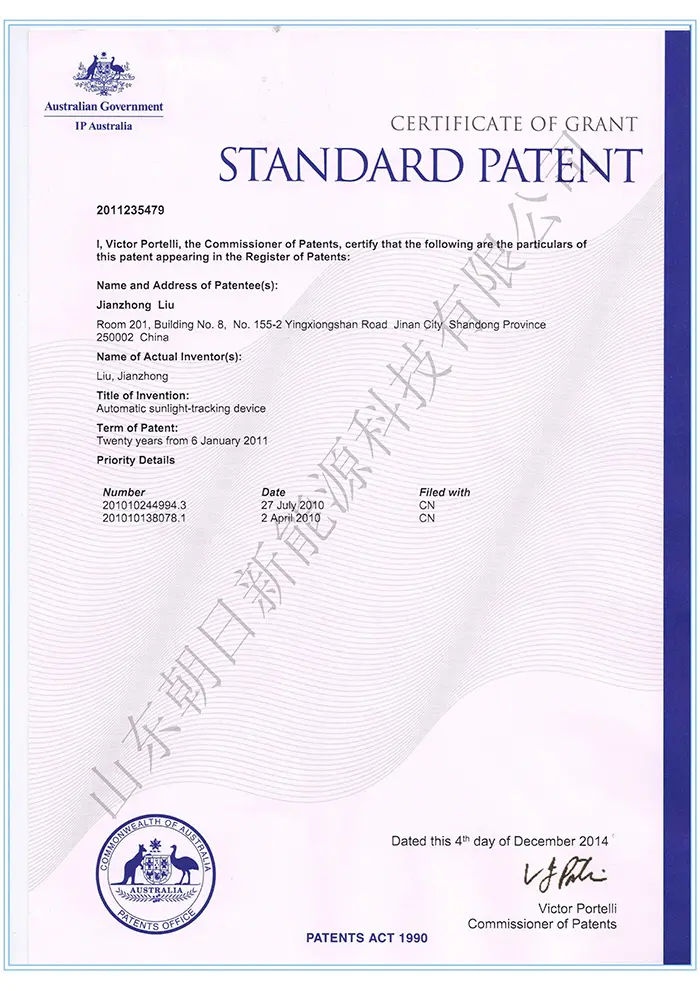
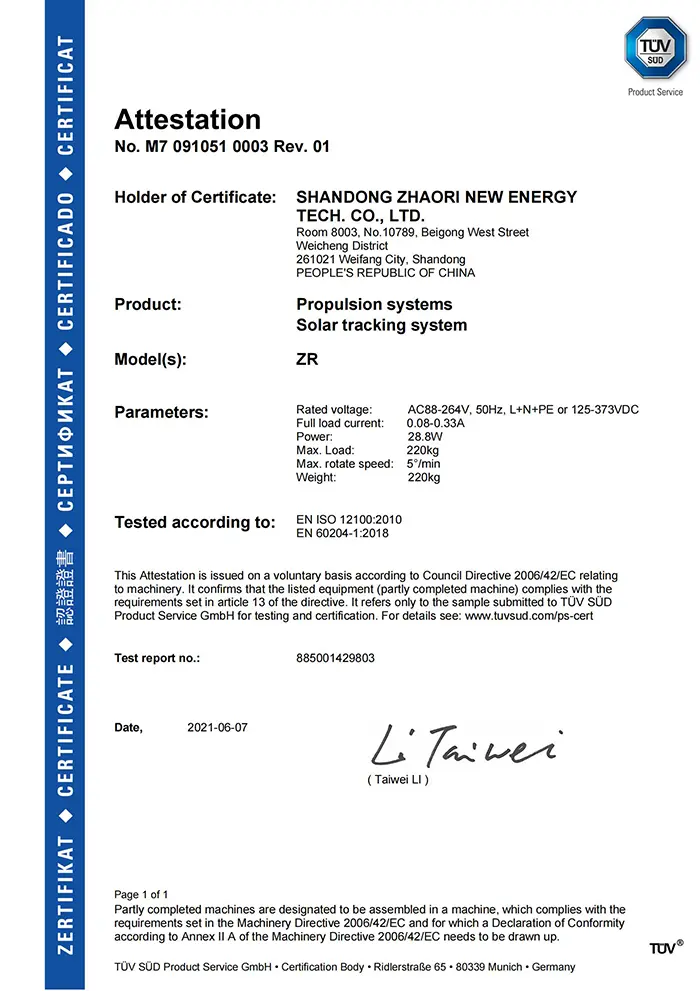
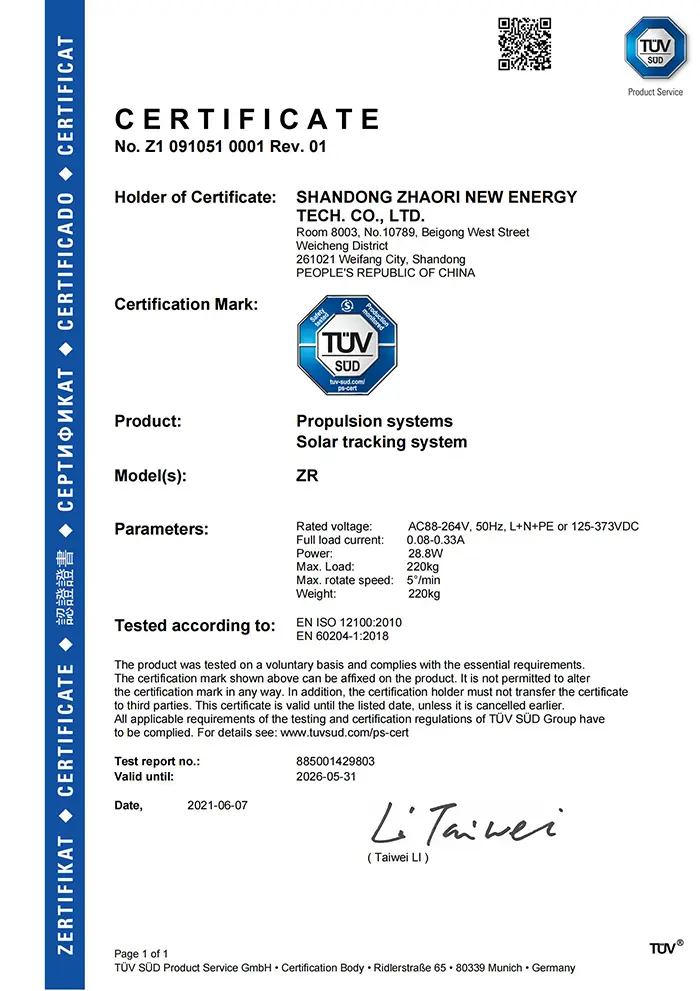
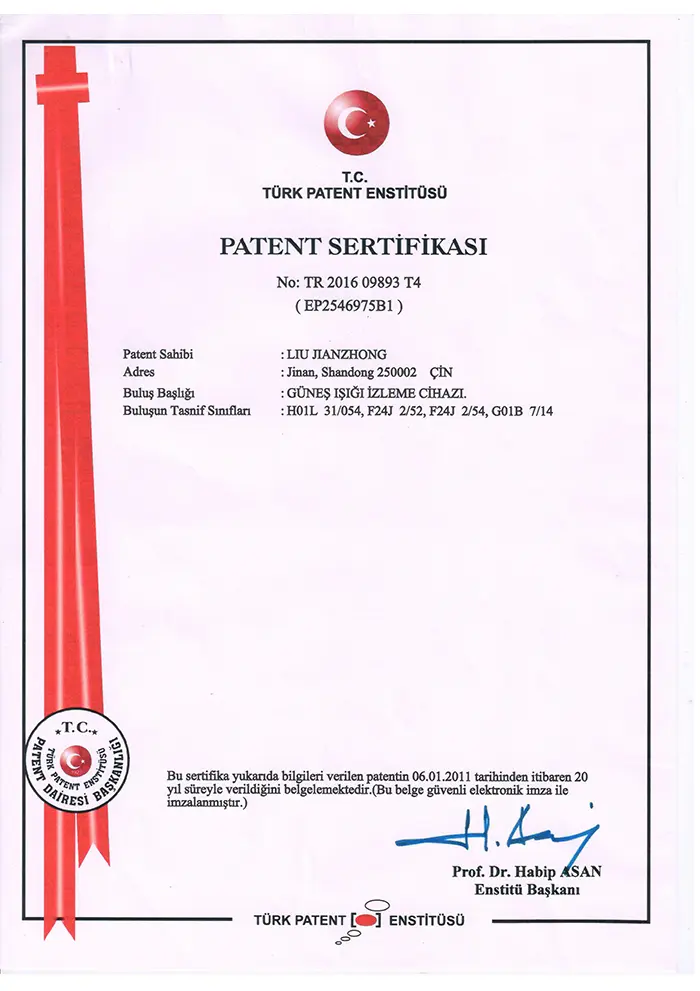
Reliability is the cornerstone of E-E-A-T in the solar industry. Modern tracking mounts must adhere to UL, IEC, and TUV certifications. We ensure that every component, from the slew drive to the control system, meets international standards for 25-year operational lifespans in harsh environments, including high salinity and desert heat.
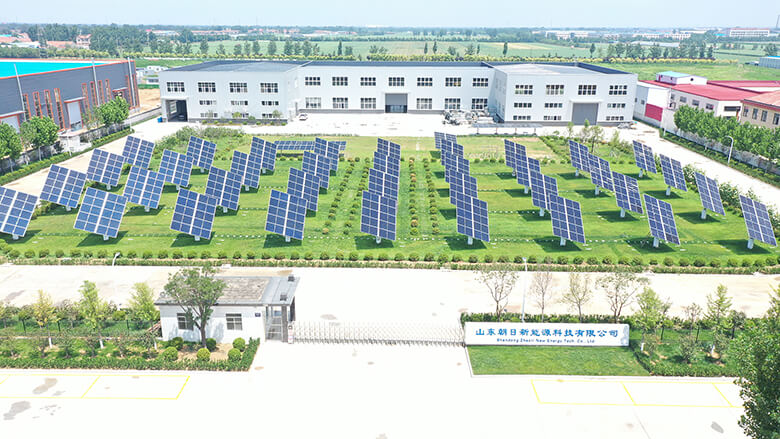
Shandong Zhaori New Energy Tech. Co., Ltd. is a high-tech and new energy company based on independent intellectual property rights. Our company was founded in June 2012 and we have 10 departments includes R&D department, technical department, engineering department, production department, quality assurance department, development department, foreign trade department, domestic trade department, I.M.D. department and so on. There are more than 60 professional technology talented employees in our company. And our team focuses on photovoltaic power stations and solar tracking technology for more than 10 years.
We will provide you perfect customized solution and professional operation and maintenance service based on our rich experience in PV bracket application. We always provide our customers the most High-quality products and most efficient services with professional technology and suitable prices. Adhering to the business principle of mutual benefits, we have had a good reputation among our customers.
Our factory covers an area of 50,000 square meters, with a series of advanced production equipment, such as CNC machine tools, laser cutting machines, automatic welding robots, plasma machines, and dozens of production lines. There are more than 300 production workers and our production per month will be 500MW. The products are manufactured from raw material screening, cutting, welding, forming, anti-rust treatment, post-processing, inspection and packaging, with strict quality control and level by level control, and in strict accordance with the requirements of quality management system certification.
Being situated in Shandong, the heart of China's steel industry, gives us immediate access to high-grade Q235B and Q355B steel, ensuring price stability and material traceability for our global buyers.
Our use of automatic welding robots minimizes human error, ensuring that every joint in our solar tracking mounts can withstand mechanical stresses for decades without fatigue.
Mass production allows us to offer 15-20% lower costs than European counterparts without compromising on the quality of our patented tracking algorithms.
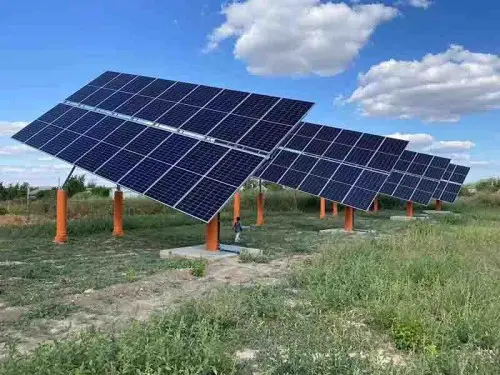
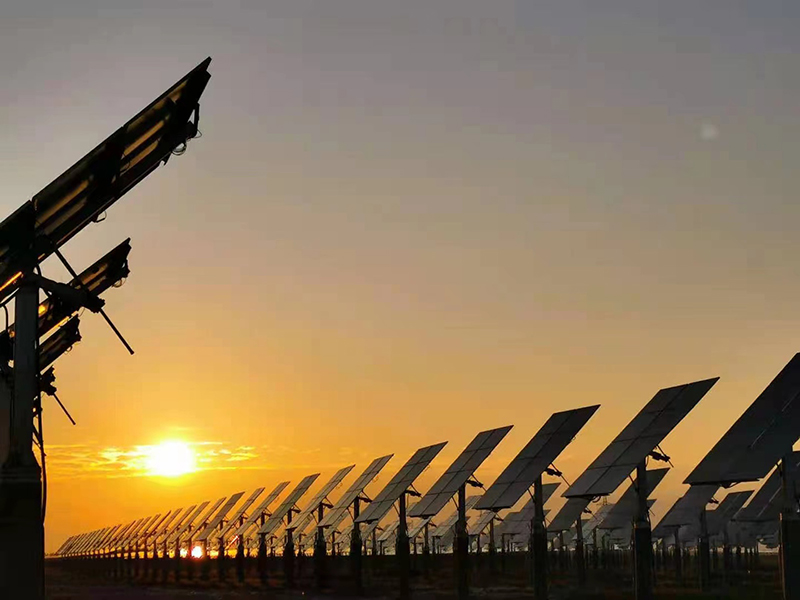
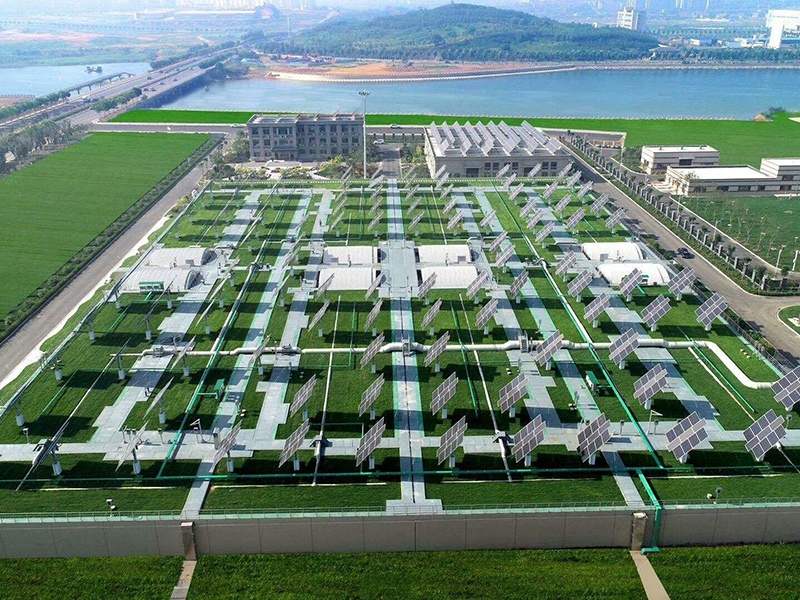
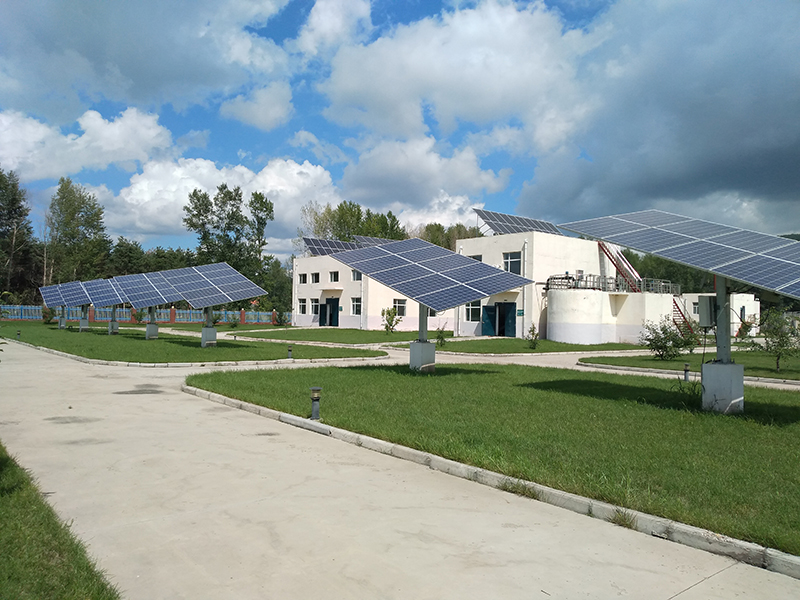
Designed for maximum efficiency, our dual-axis systems track both the azimuth and altitude angles of the sun. The ZRD-10 and ZRD-08 are engineered to capture nearly 100% of direct irradiance throughout the day.
The ZRT-16 features a tilted axis (10°–30°) tracking the azimuth. It provides a balanced approach between cost and energy harvest, particularly effective for bifacial module applications.
The ZRP 1P/2P systems are the workhorses of the utility market. Simple, reliable, and effective, they offer the lowest CAPEX among all tracking technologies.
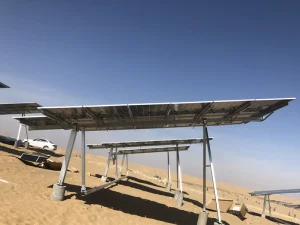
Our systems deployed in 20MW desert projects utilize IP65-rated electronics and dust-resistant slew drives, ensuring performance where standard mounts fail.
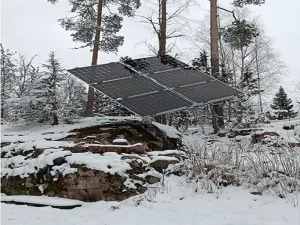
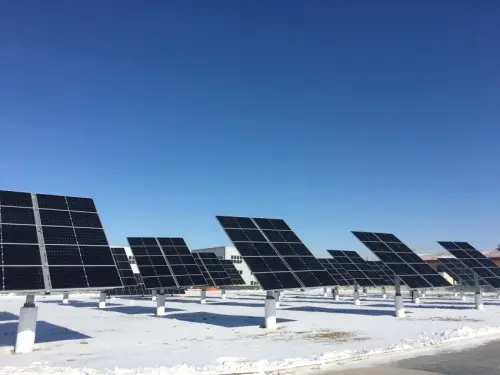
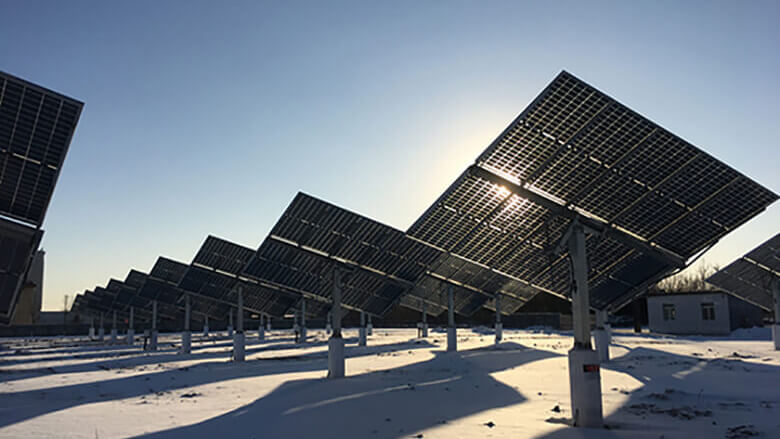
Equipped with "Snow Mode" sensors, our trackers automatically tilt to the steepest angle during heavy snowfall to prevent structural collapse, as seen in our North China projects.
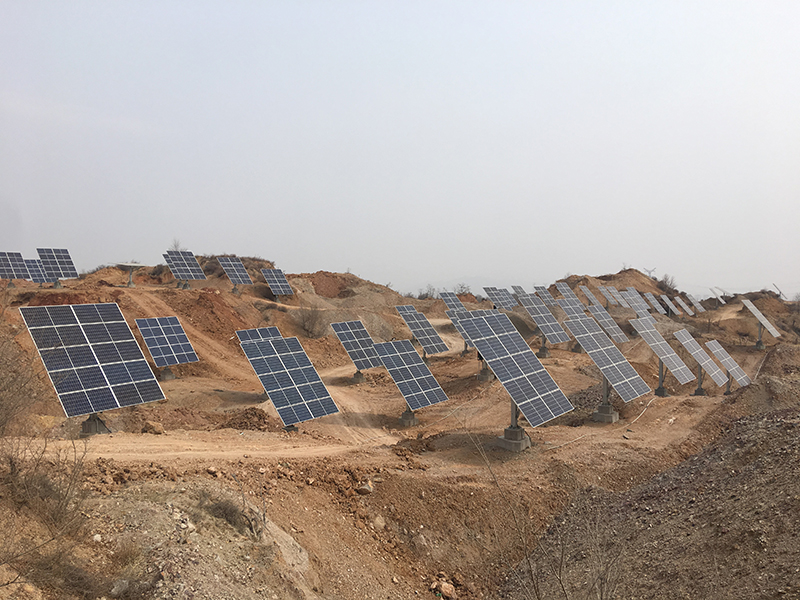
Adaptive structural designs allow for installation on uneven slopes, reducing the need for expensive land grading and site preparation.
 Zhaori