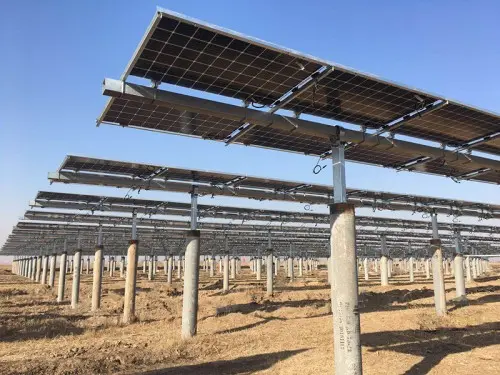
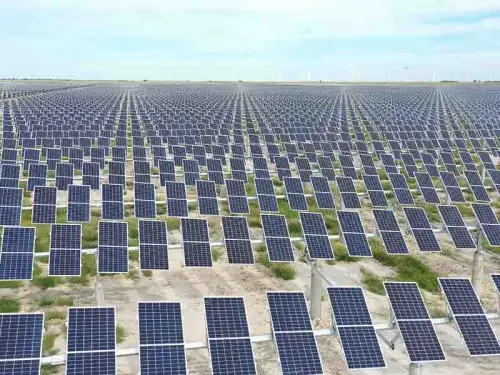
In the wake of the global energy transition, Single Axis Tracking (SAT) has moved from a premium option to an industrial standard. According to recent market reports, utility-scale solar projects now prefer trackers over fixed-tilt systems due to the 20-30% higher energy yield, which significantly optimizes the Levelized Cost of Energy (LCOE).
The SAT market is witnessing explosive growth in North America, India, and the Middle East. Global procurement teams are no longer just looking for "brackets"; they are looking for automated motion-control systems that can survive extreme wind loads and harsh desert environments while maintaining 99.9% uptime.
The industry trend is shifting towards intelligent backtracking algorithms. Modern single-axis trackers use AI to calculate the best angle to avoid row-to-row shadowing, especially in bifacial module applications where diffused light on the backside accounts for significant gains.
Monthly Production Capacity
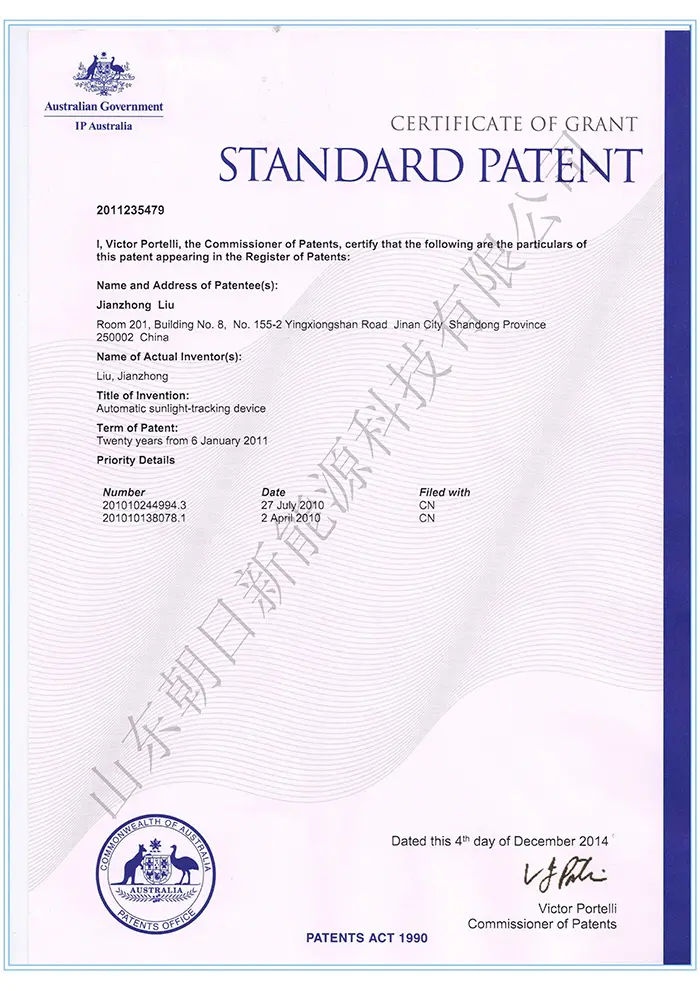
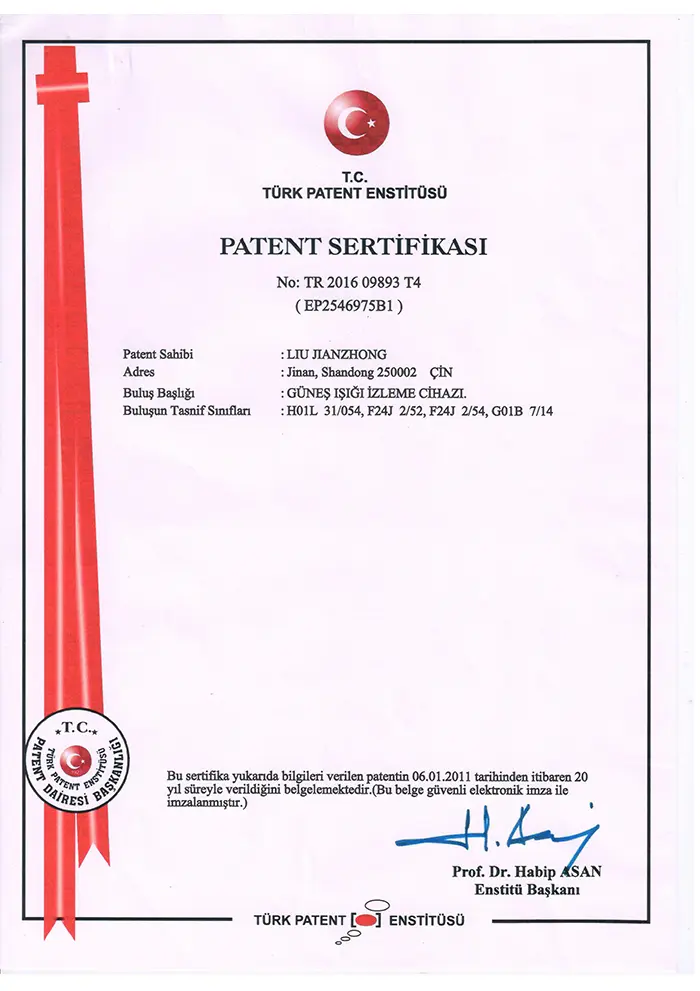
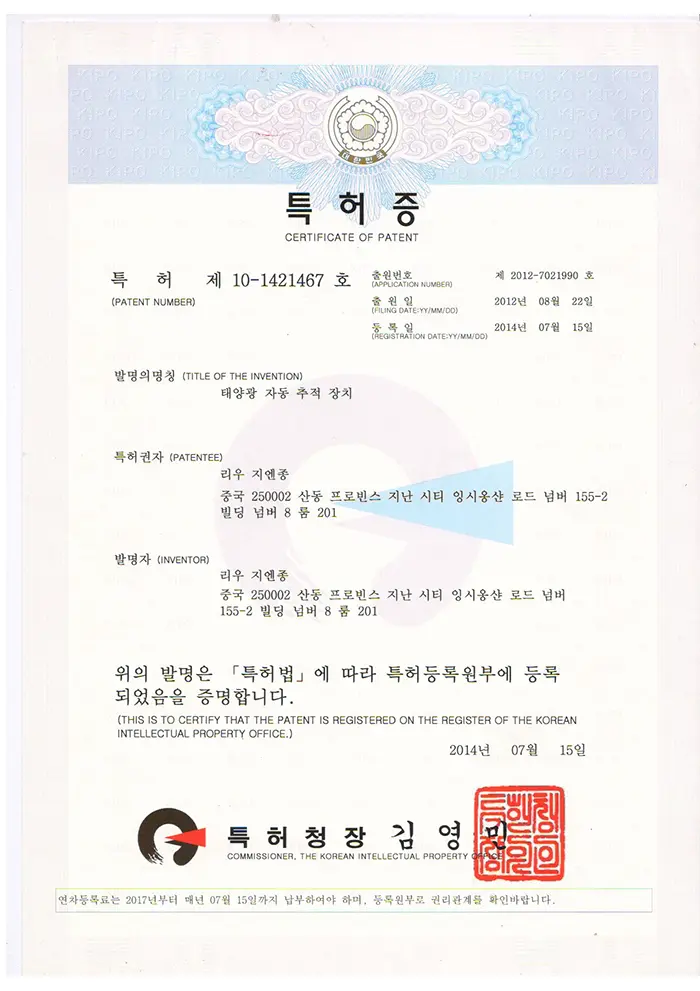
Utility Model Patents
Solar Tracking R&D Experience
Advanced Factory Space
When you Buy Single Axis Tracking from Chinese Manufacturers, you are tapping into the world's most integrated solar supply chain. Shandong Zhaori New Energy Tech. Co., Ltd. exemplifies this efficiency.
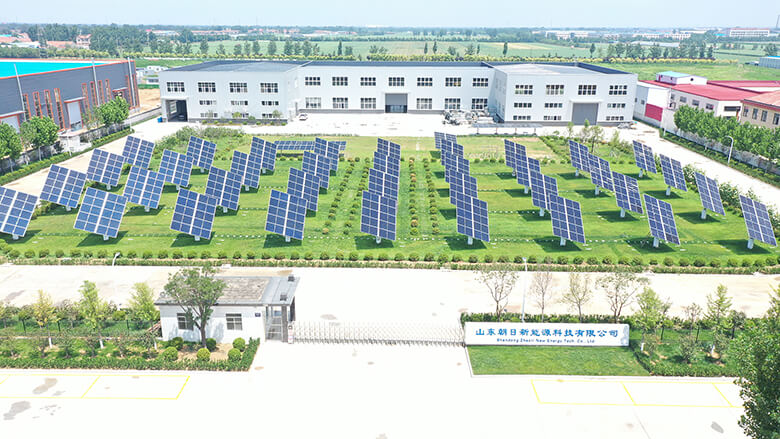
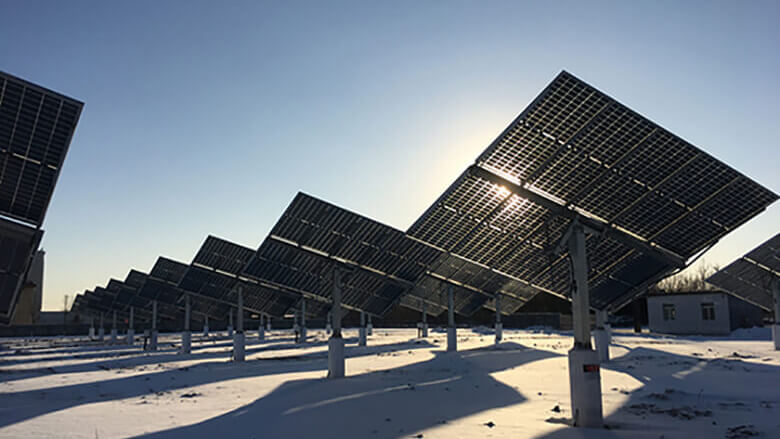
Our company was founded in June 2012 and we have 10 departments including R&D, engineering, and quality assurance. With more than 60 professional technology talented employees, our team focuses on photovoltaic power stations and solar tracking technology for more than 10 years. Our principle is Simple, Reliable, and Effective.
Dust management and heat dissipation are critical. Our ZRP and ZRT systems are designed with high-grade anti-rust treatments and dust-proof bearings, making them ideal for the Middle East and African solar farms.
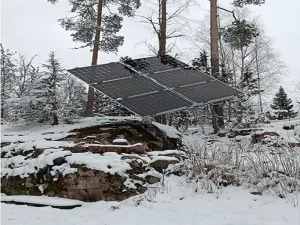
The ZRT-16 Tilted Single Axis System allows for azimuth tracking even on slopes. This flexibility minimizes land leveling costs, preserving the natural topography while maximizing energy capture.
For large-scale factory roofs, our flat single-axis trackers offer a lightweight yet robust solution that significantly boosts the self-consumption ROI for industrial players.
Choosing the right tracker depends on your latitude, terrain, and budget. Here is a breakdown of our flagship models:
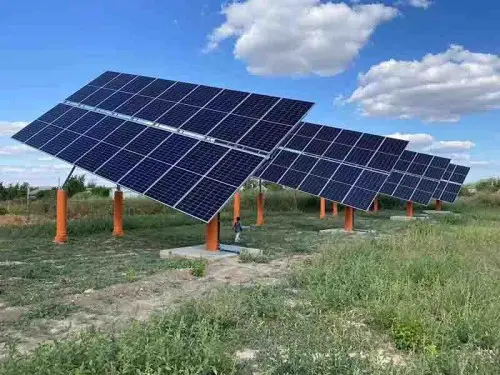
Features a tilted axis (10°– 30°). Tracks the sun's azimuth angle. Mounts 10-20 panels per set. Gain: 15% – 25% over fixed systems.
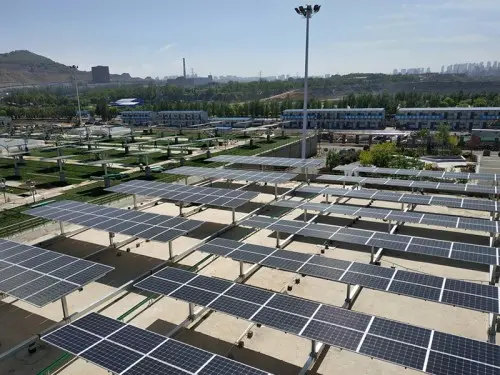
Single row or linked types. Mounts up to 60 panels. Gain: 15% – 30%. Best for large utility-scale flat terrains.
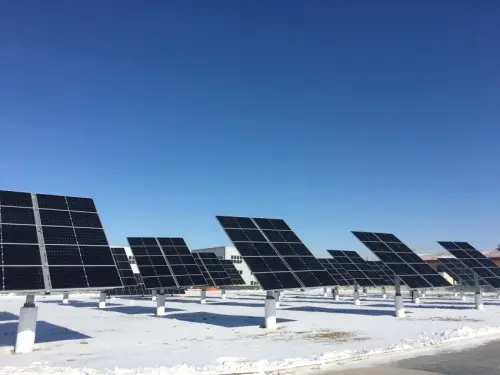
Tracks both altitude and azimuth. Maximize energy capture throughout the day. Ideal for high-latitude regions with extreme seasonality.
International buyers looking for SAT quotes should prioritize the following to ensure long-term reliability (E-E-A-T):
Verify wind tunnel testing data. Trackers must withstand local 50-year return wind speeds.
Ask about the slew drive or linear actuator life cycles. Look for 25-year design life components.
Does it have autonomous stowing for wind/snow? Can it be integrated into a SCADA system?
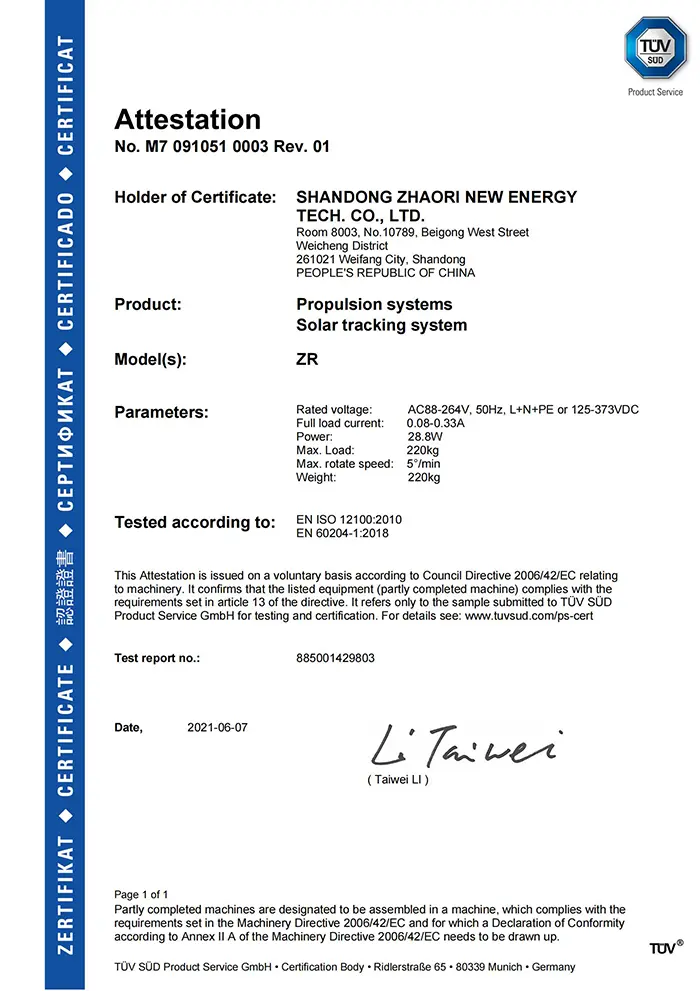
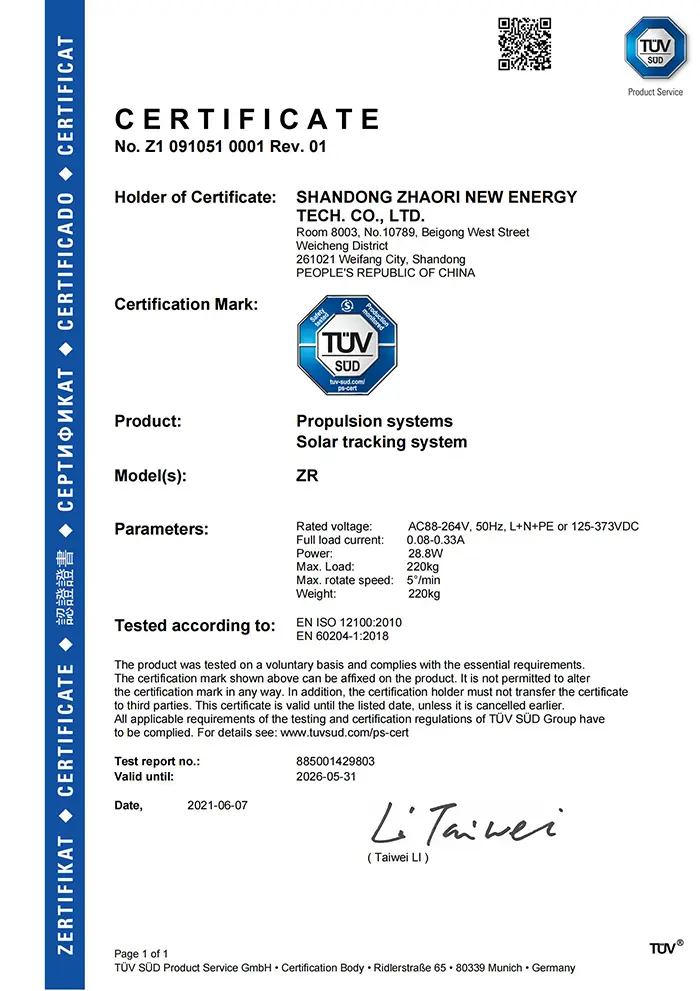
Manufacturers with TUV and CE certifications are more likely to secure project financing.

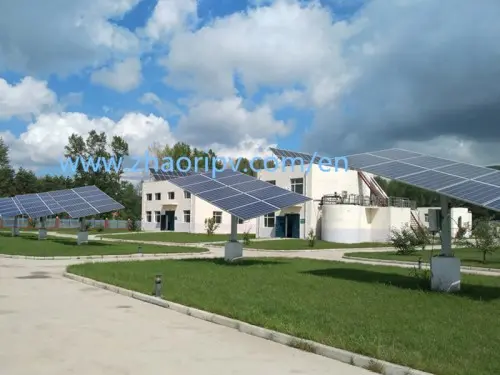
5MW in North China
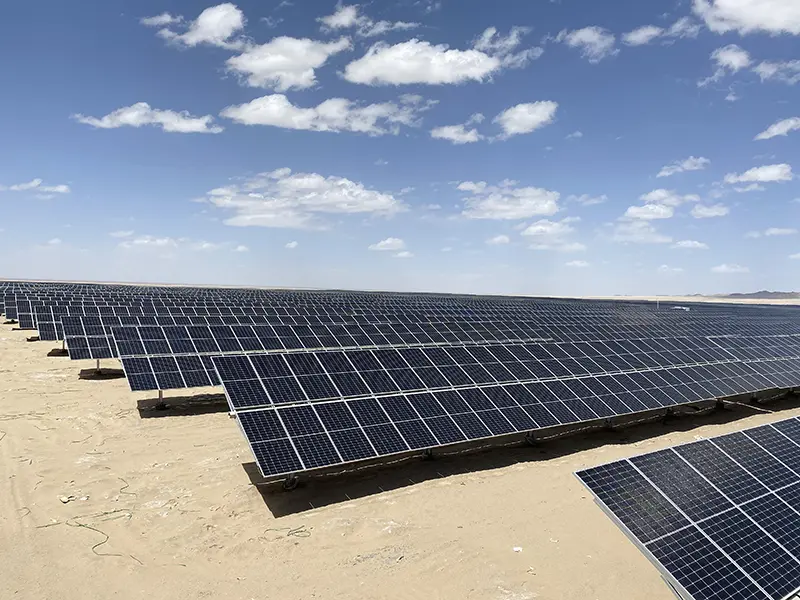
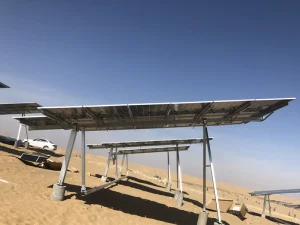
20MW Project in Desert
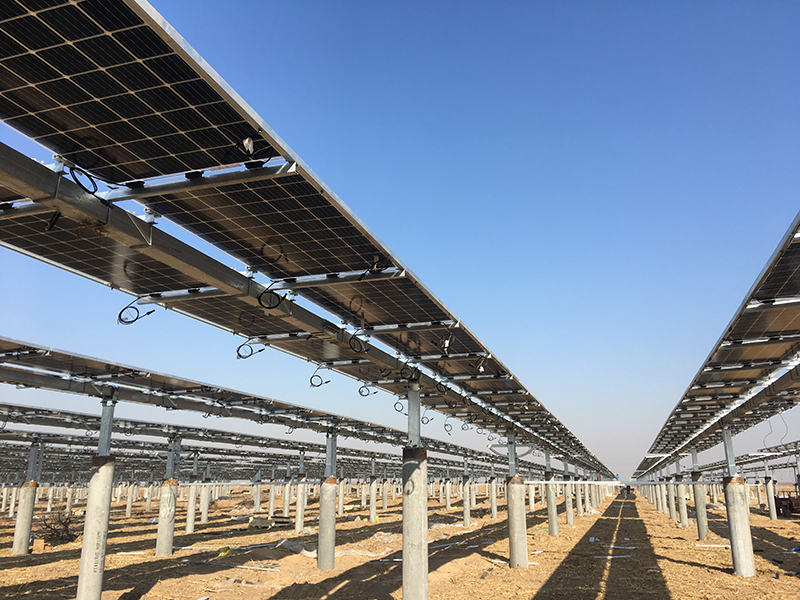
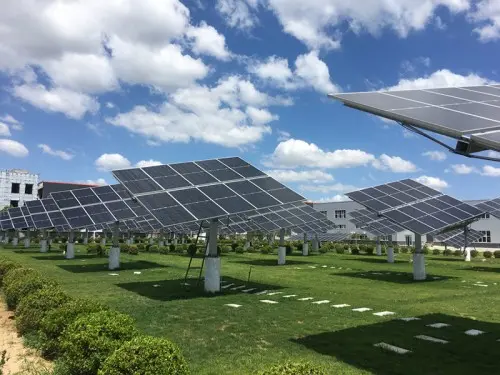
110MW with Bifacial Modules
Flat SAT systems track the sun along a horizontal axis and are most cost-effective for large utility-scale projects. Tilted SAT systems have a fixed tilt on the tracking axis, making them superior for high-latitude locations where the sun stays lower in the sky.
While trackers have moving parts, modern slewing drives and intelligent controllers have drastically reduced maintenance. We recommend a bi-annual inspection of mechanical joints and sensors. The energy gain (up to 30%) far outweighs the minimal O&M costs.
Yes. Our 2P systems are specifically optimized for bifacial modules, ensuring no structural shading on the back side and maximizing the albedo effect energy gain.
Quotes are typically provided within 48 hours. With our 500MW/month capacity, delivery for a 10MW project usually occurs within 4-6 weeks depending on customization requirements.

 Zhaori