Explore our industrial dual-axis, single-axis, and customizable solar structural tracking solutions engineered for maximum power gains.
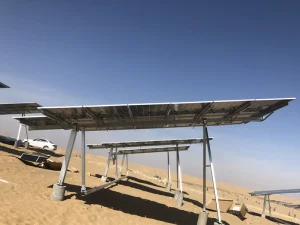
Advanced tilted tracking architecture specifically designed to elevate annual electricity generation in medium to high latitude regions.
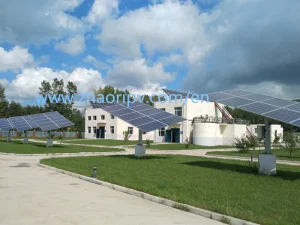
Cost-efficient semi-automatic dual axis tracking systems combining mechanical stability with smart manual angle-adjustment assistance.
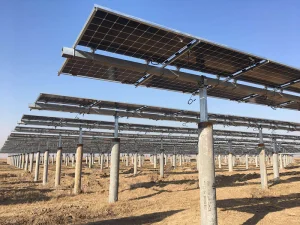
Standard high-durability flat single-axis system featuring heavy wind resistance and simplified structural installation steps.
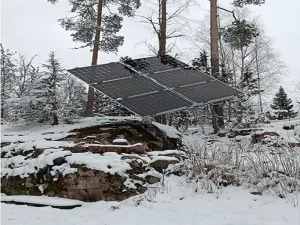
Unlock the raw potential of clean energy with the compact ZRD-06 system, offering full 360-degree tracking capabilities.
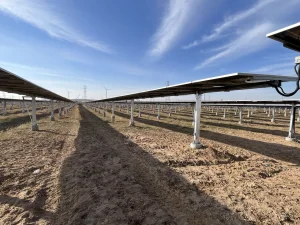
Optimal 1-portrait configuration tracker built for utility-scale PV plants seeking minimal shadowing losses and robust design.
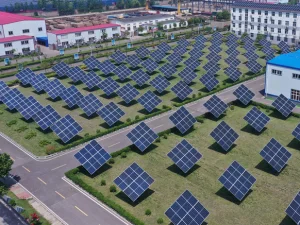
Make absolute use of every minute of daily sunshine with ZRD-08, engineered with heavy-duty slewing drives.
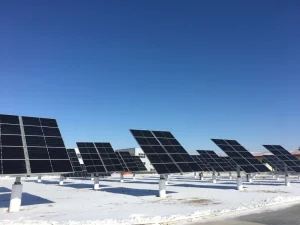
Our flagship industrial tracker, designed to handle large-format solar panels and deliver maximum energy yields.
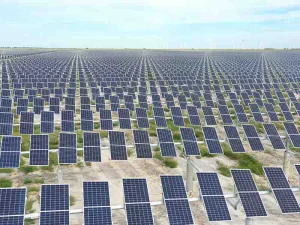
Unique flat single-axis system utilizing inclined modules to secure optimal incidence angles for seasonal variance.
The global transition to high-density clean energy requires solar infrastructure that maximizes solar harvesting efficiency while minimizing structural footprint. Levelized Cost of Energy (LCOE) optimization models show that static mounting configurations leave significant generation potential untapped, particularly in geographic regions subjected to high seasonal solar variance. Dual-Axis solar tracking systems represent the technical zenith of photovoltaic system design, actively aligning panels continuously on both the horizontal (azimuth) and vertical (elevation) plane.
Traditional systems track along a single line, but Dual-Axis trackers like the ZRD-08 and ZRD-10 utilize dual slewing drives and intelligent controls to continuously position the PV face perpendicular to incoming solar rays. By integrating accurate astronomical algorithms (using localized GPS time coordinates) alongside back-tracking algorithms, these systems consistently achieve 30% to 40% power generation yields over traditional fixed systems.
Furthermore, the integration of dual-axis technology operates on a core design philosophy: simplicity, reliability, and high structural safety. Rather than utilizing fragile and sensor-dependent designs that degrade in extreme conditions, our tracker systems implement durable, pre-programmed controllers with automatic wind and snow defense overrides.
The real-world business case for dual-axis tracking is highly dependent on environmental and geographical characteristics. Let's analyze key localized application scenarios:
For global engineering, procurement, and construction (EPC) contractors, selecting a solar tracker supplier is not just about tracking code—it is about supply chain reliability. Shandong Zhaori New Energy Technology Co., Ltd. operates a highly advanced 50,000 square meter factory designed for full vertically-integrated manufacturing.
Equipped with state-of-the-art CNC machine tools, automated welding robots, laser cutting machinery, and plasma processors, we run dozens of automated production lines capable of producing 500MW of brackets per month. The manufacturing process encompasses everything from raw material verification, hot-dip galvanizing, precision cutting, and robotized welding to thorough QA checks under ISO 9001 certifications. Our integrated operations guarantee short lead times, highly competitive factory-direct pricing, and structural guarantees on every component exported globally.
The solar tracking sector is pivoting toward intelligent, interconnected, and self-learning systems. The future technical roadmap for Shandong Zhaori tracking solutions focuses on:
Shandong Zhaori New Energy Tech. Co., Ltd. builds on a foundation of independent intellectual property and robust production lines.
Holder of invention patents across the Europe Patent Office, US, Canada, Australia, Japan, South Korea, India, Brazil, South Africa, and 8+ Chinese National Patents.
Equipped with state-of-the-art astronomical algorithms that calculate precise solar angles and employ backtracking routines to eliminate shading between parallel rows.
Integrated automatic survival modes trigger quick stow actions under high wind, storm, or heavy snow alarms, preventing mechanical fatigue or structural failures.
Shandong Zhaori New Energy Tech. Co., Ltd. was established in June 2012 as a dedicated high-tech manufacturer specializing in solar mounting solutions. Over our 10-year development cycle, we have structured our operations into 10 key departments (including R&D, Technical Support, Manufacturing QA, International and Domestic Logistics, and Customer Success Teams) to guarantee professional execution from design to plant commissioning.
Our factory relies on rigid quality checks at every level. From metallurgical tests of incoming steel profiles to galvanization thickness and dimensional verification using laser scanners, our products meet or exceed the requirements of TUV, CE, and ISO certification standards.
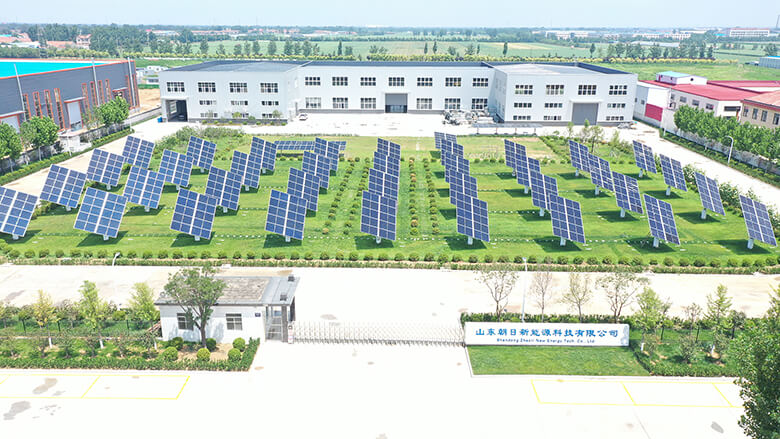
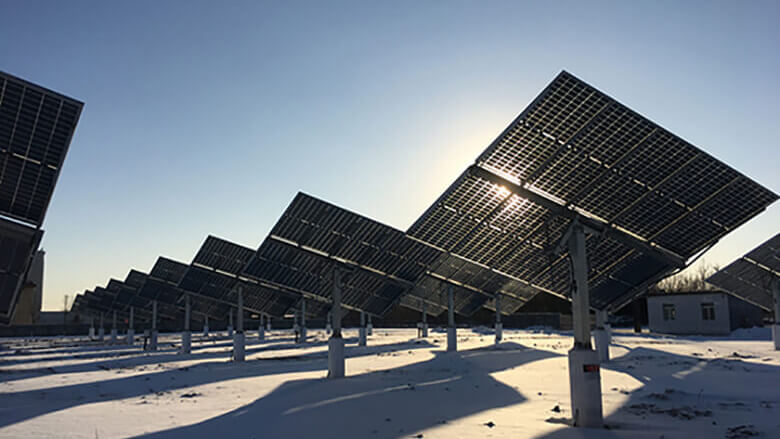
Every geographic location presents unique soil parameters, wind speeds, and topography. Our engineers offer customized engineering solutions to optimize costs per watt. We construct dual-axis solutions that can accommodate standard monocrystalline modules, high-efficiency bifacials, and thin-film structures. Whether mounting 10 modules or 60 modules per tracker, our structures offer optimized static and dynamic balance, reducing drive gear wear and extending operation lifespans past 25 years.
A cross-continental overview of Shandong Zhaori tracking systems deployed under varied geographical constraints.
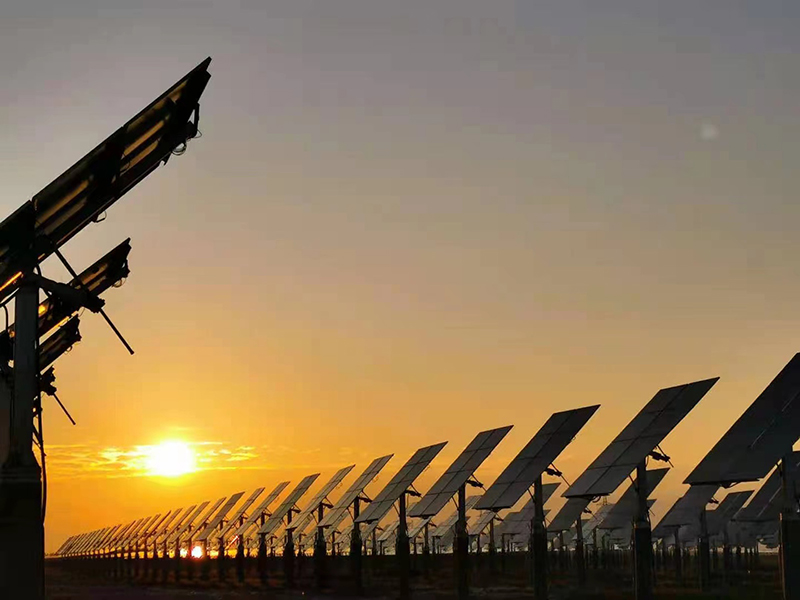
5MW Dual-Axis Project in North China
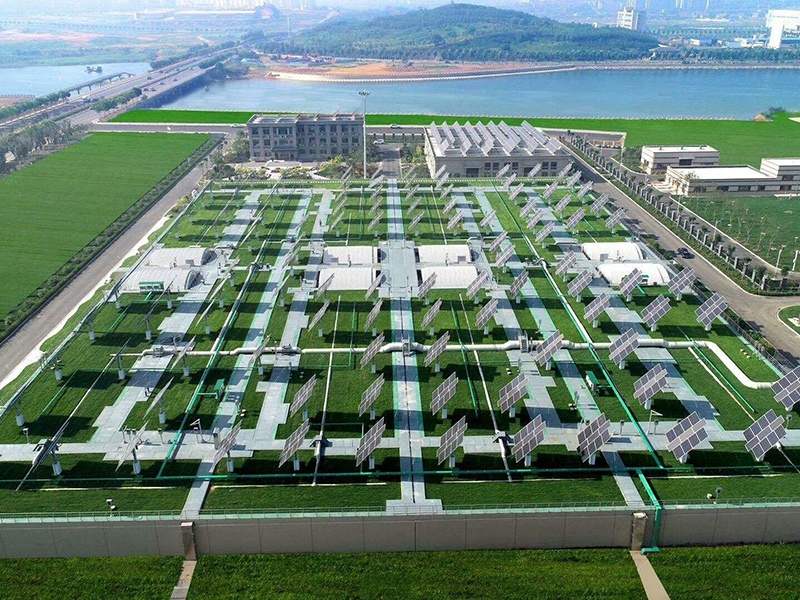
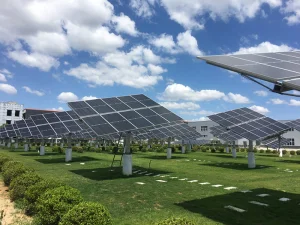
Factory Integrated Rooftop Solar Tracker Project
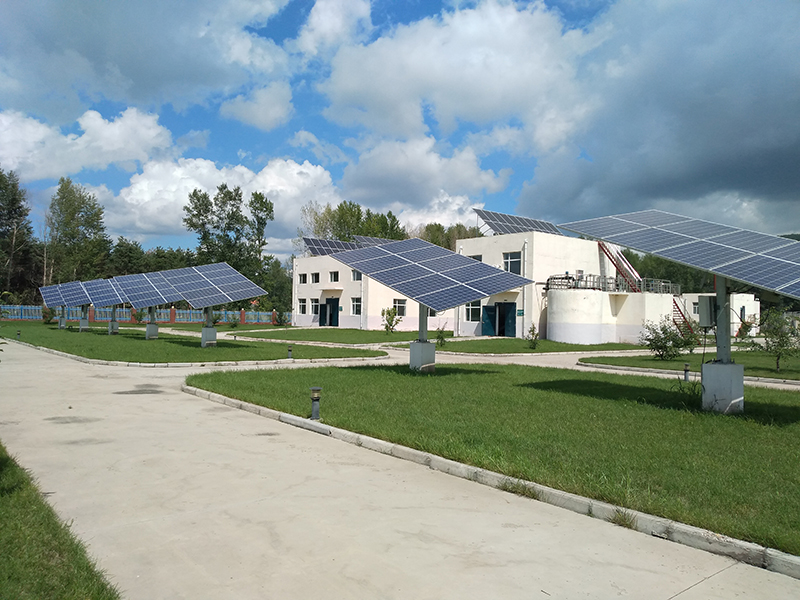
Green Belt Urban PV Initiative
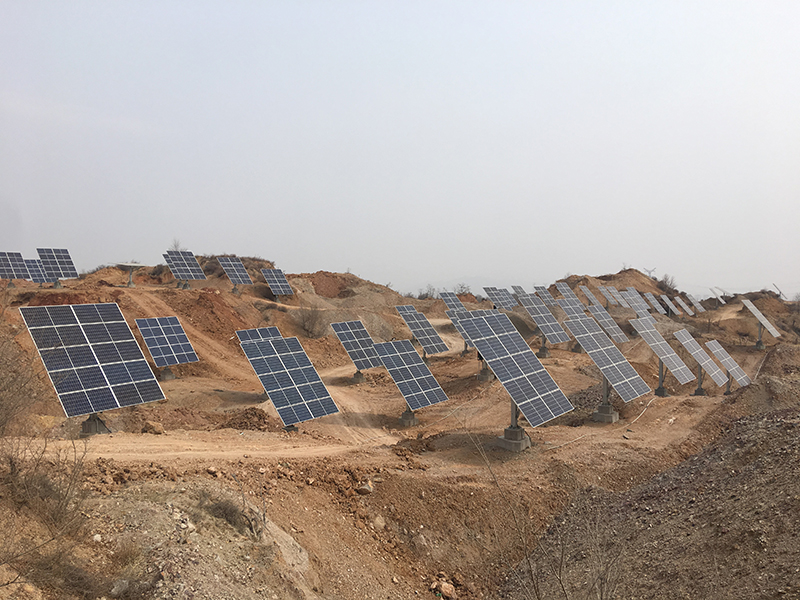
Mountain High-Altitude Dual-Axis Install
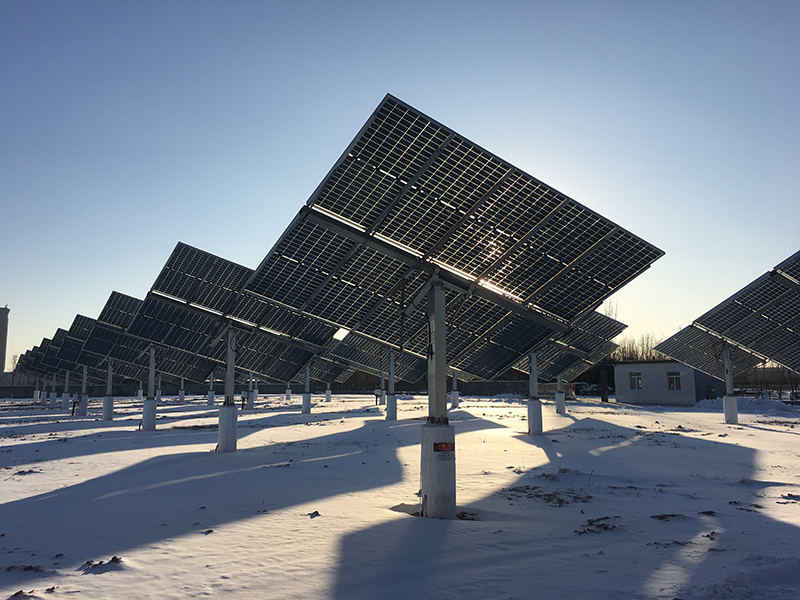
Dual-Axis Tracker operating after heavy snowfall
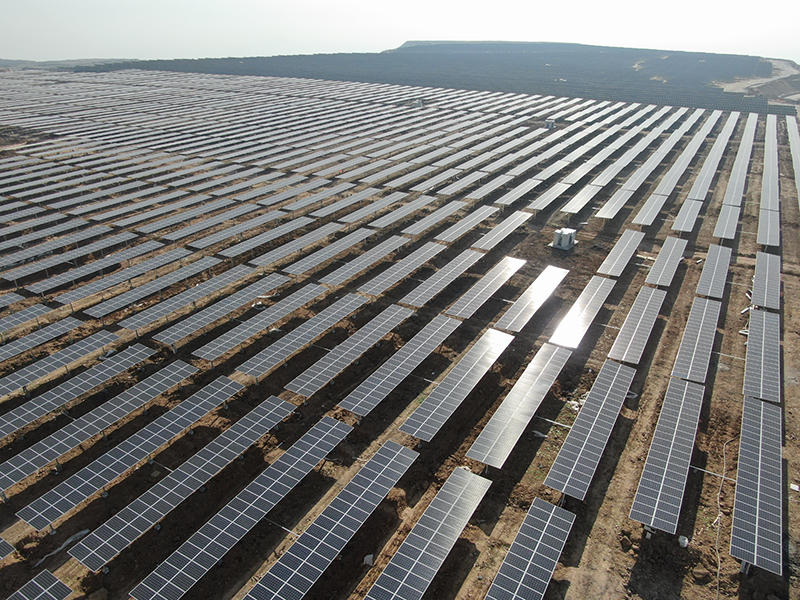
20MW Single Axis installation in Central China
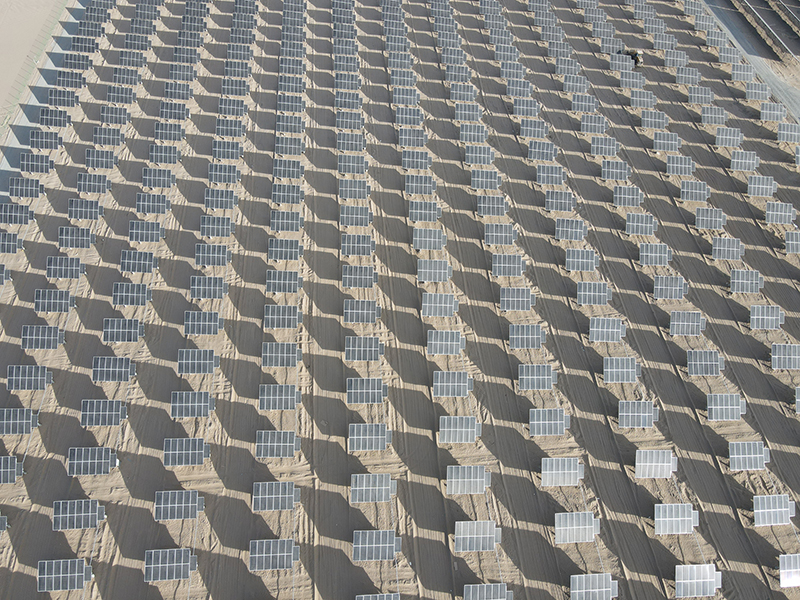
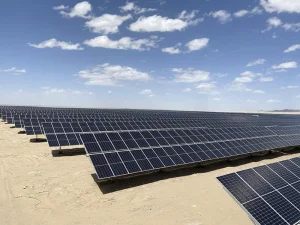
20MW Desert Tilted Single Axis Solar Project
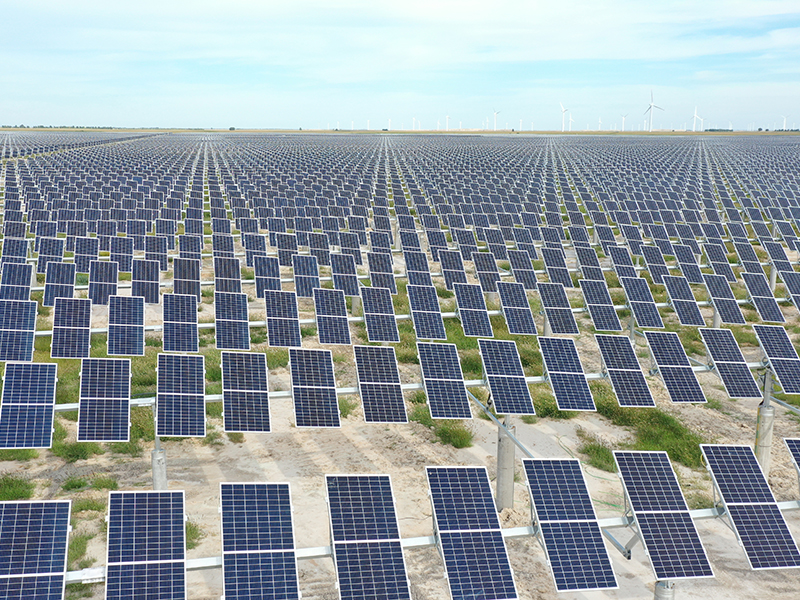
40MW Flat Single Axis with Inclined Modules
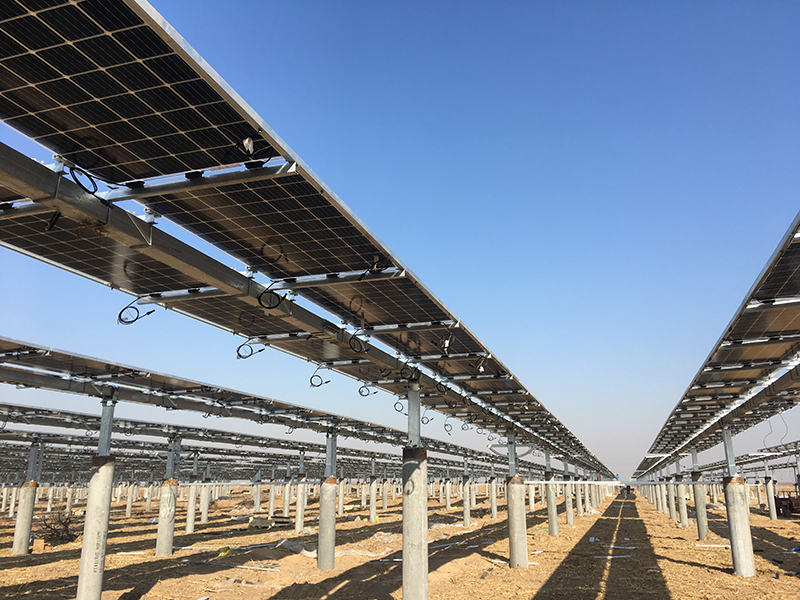
110MW Bifacial Module Tracker Farm
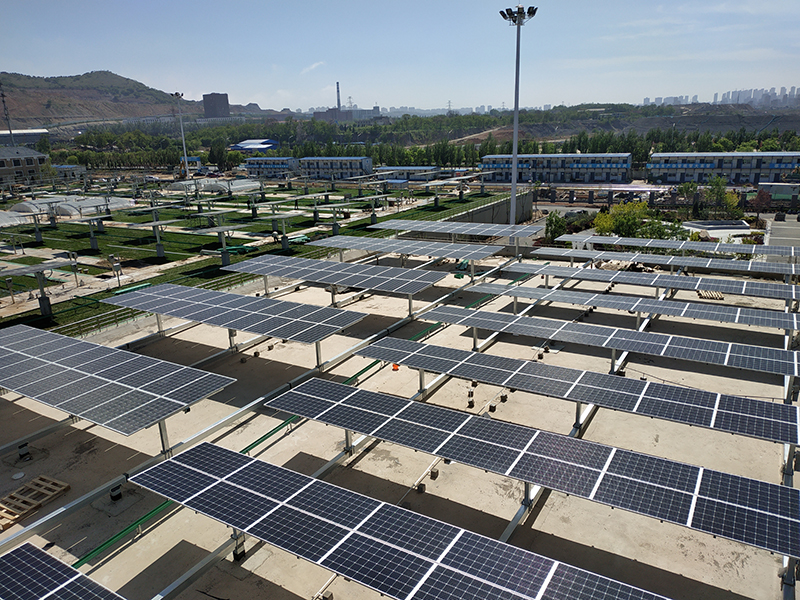
Rooftop Flat Single Axis Industrial Setup
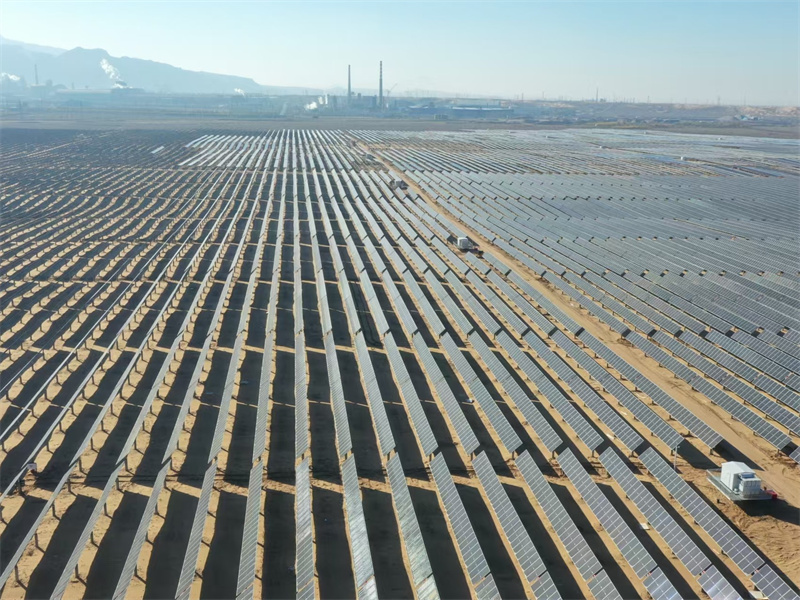
360MW Desert Single Axis Mega Project
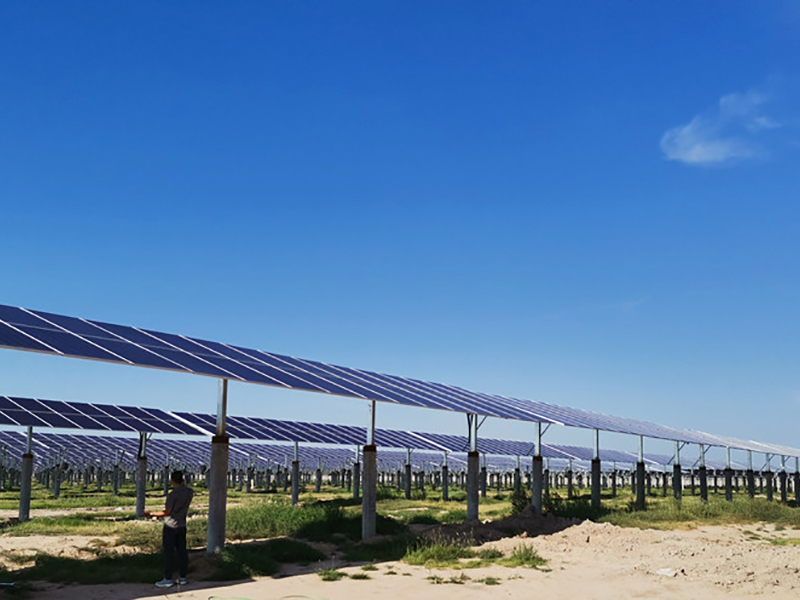
50MW SPIC Manual Adjustable Project
Watch aerial video footage of tracking systems operational in challenging terrains.
Every structural system complies with global requirements and is backed by testing laboratories.
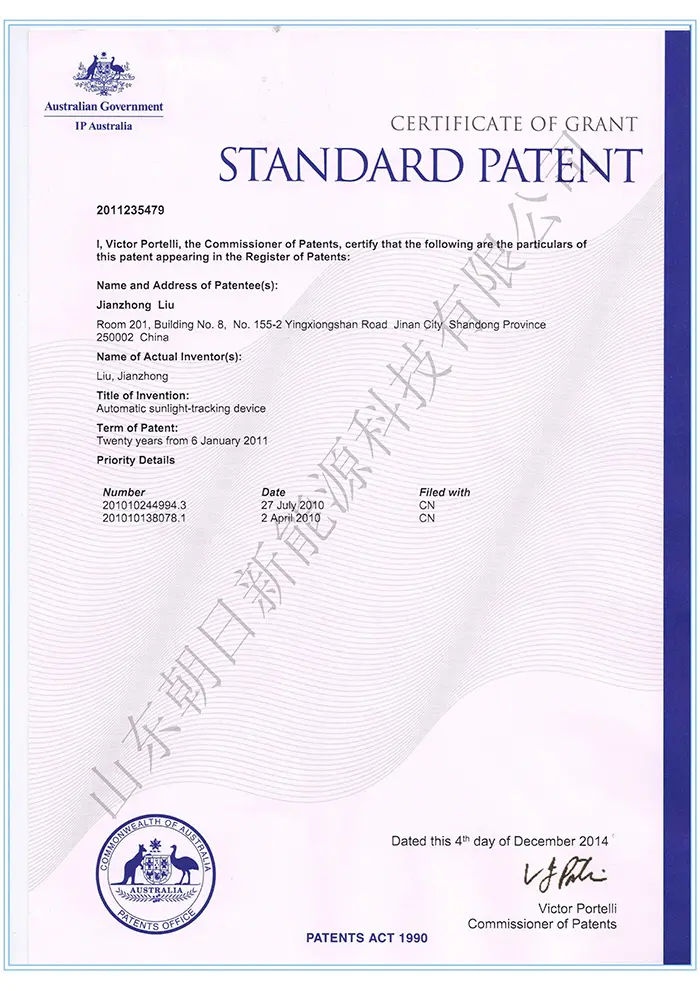
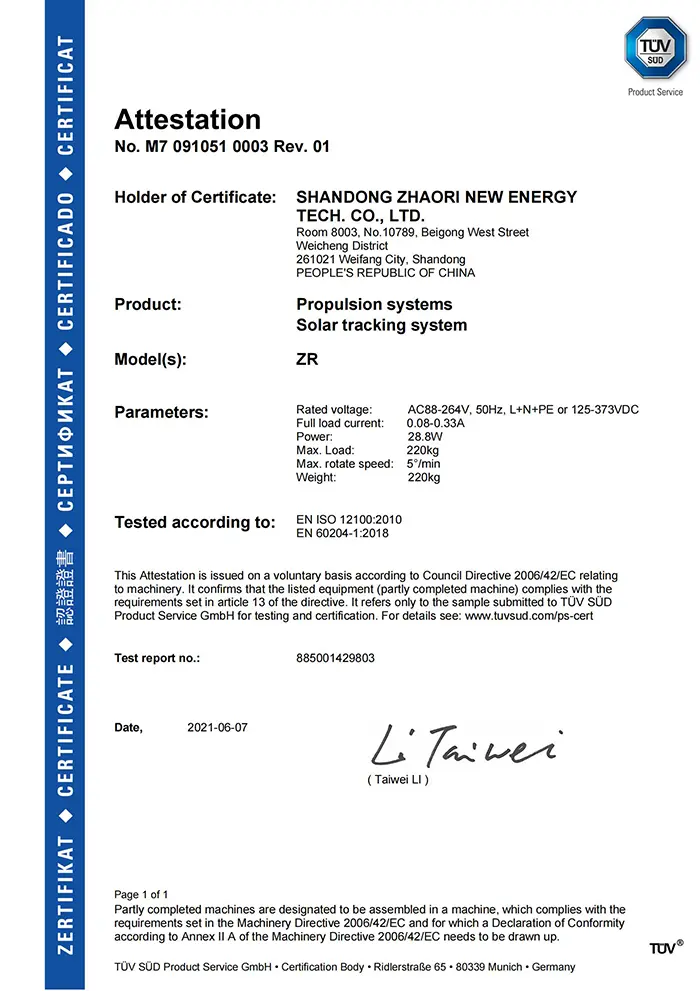
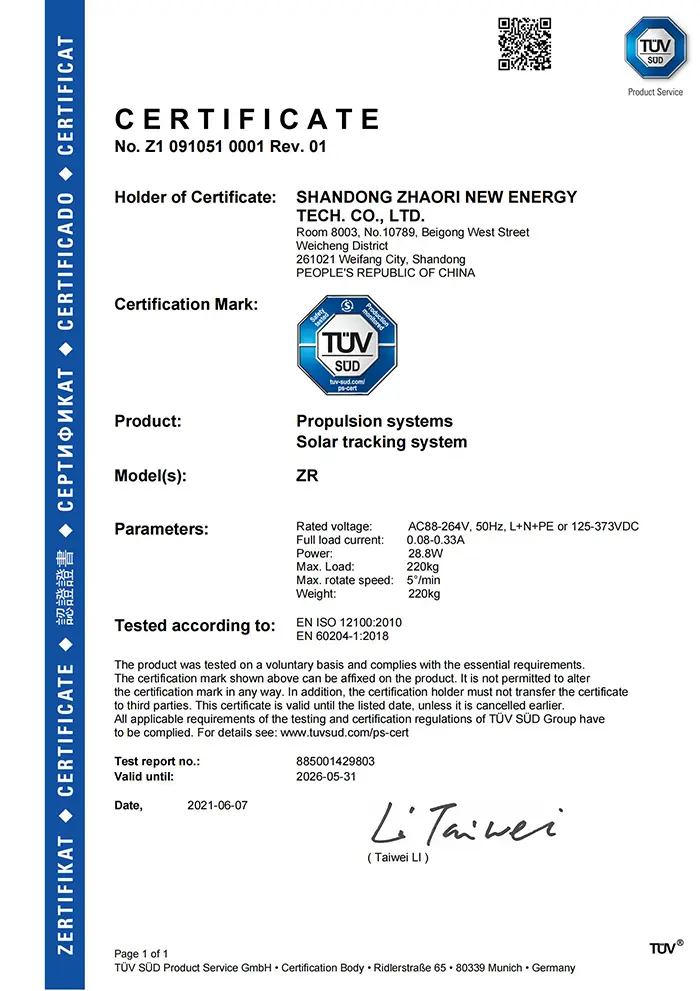
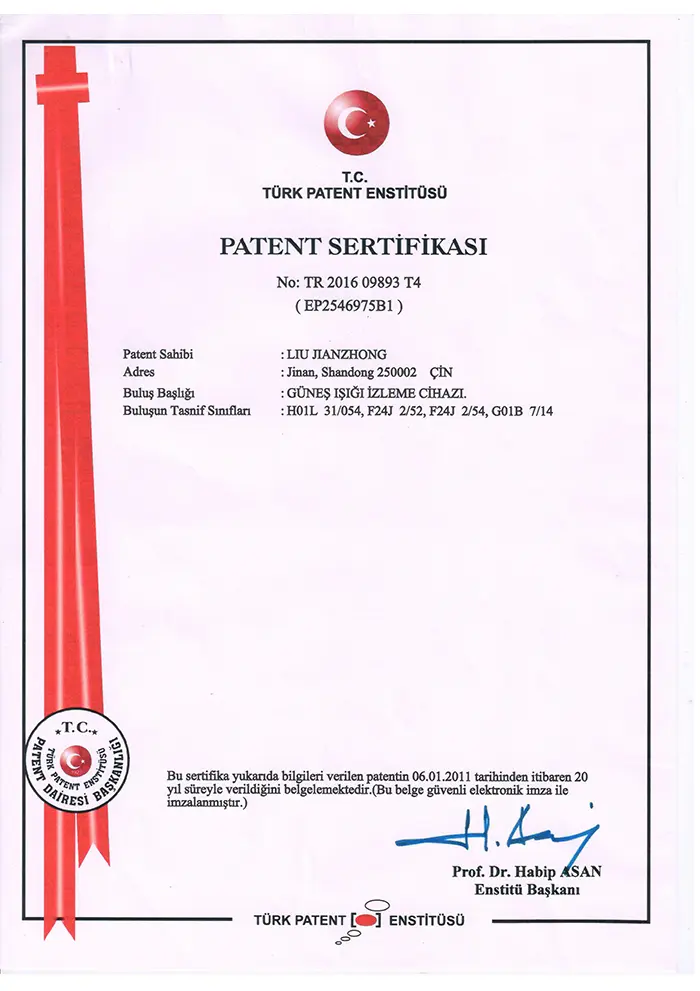
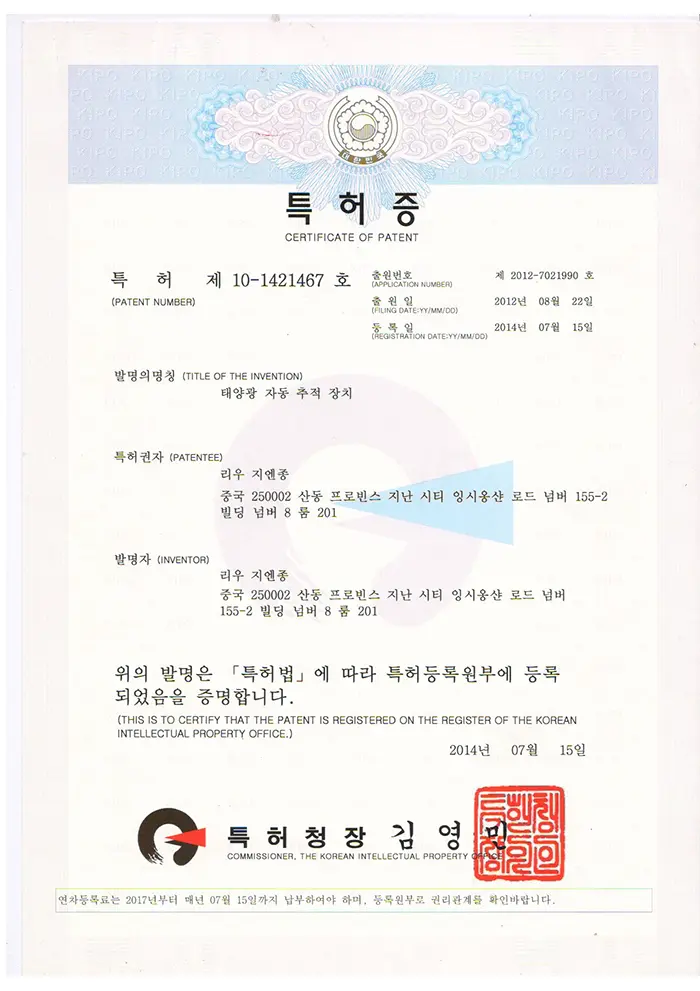
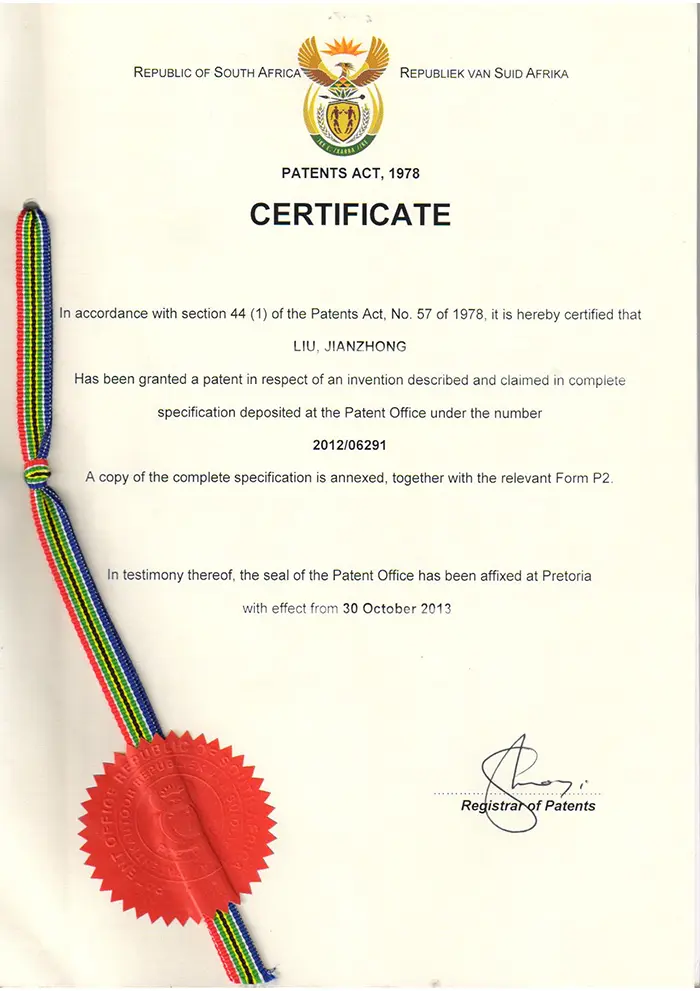
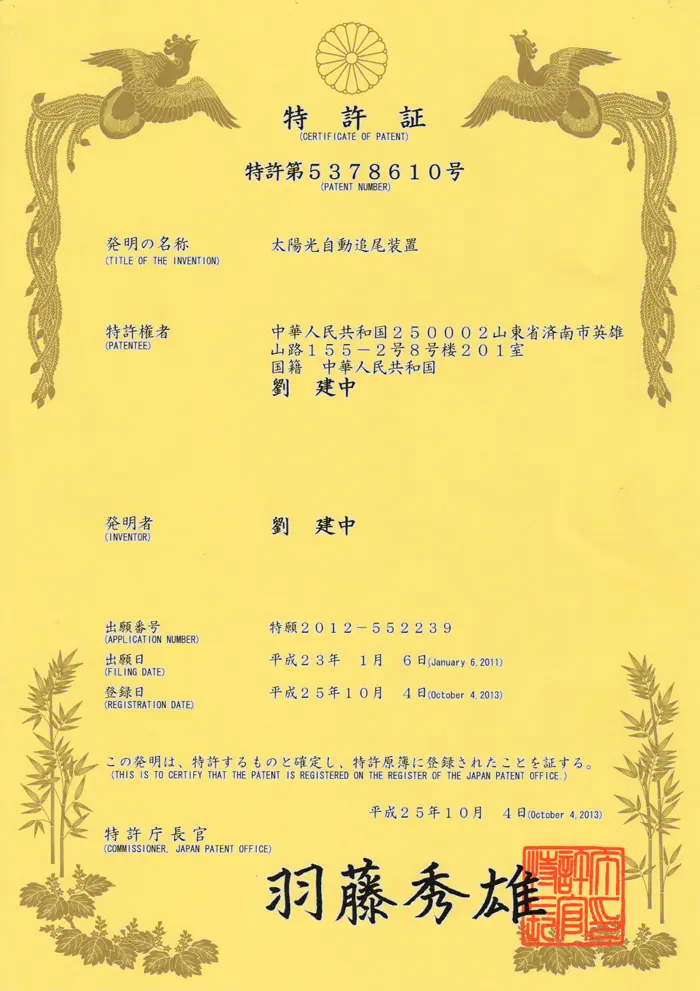
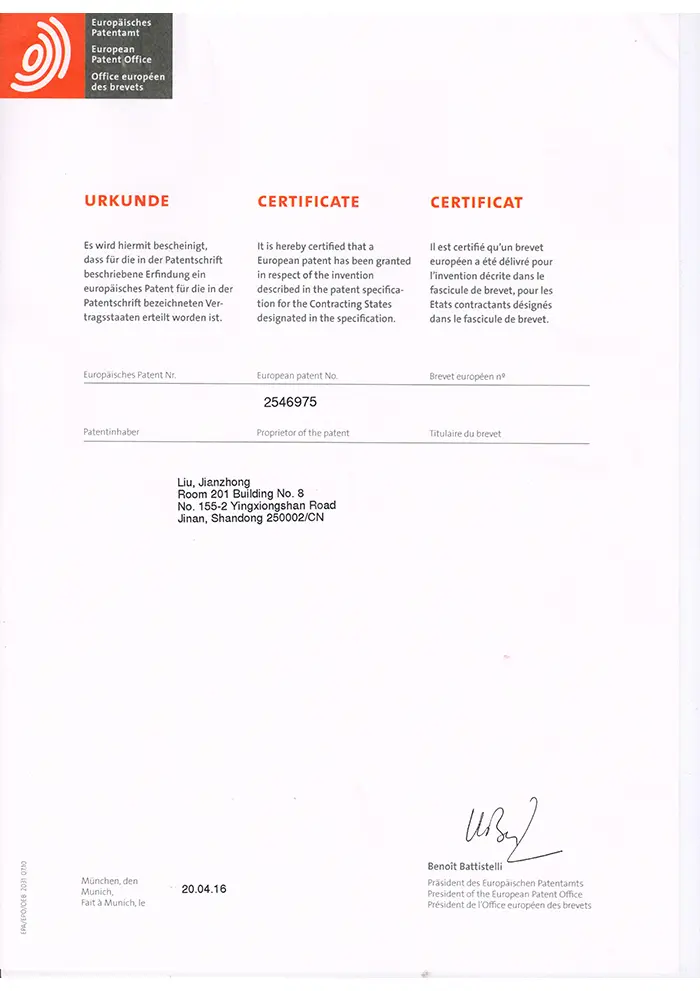
Clear answers to engineering, integration, structural safety, and purchase-related queries for international EPCs.
Review our comprehensive selection of dual-axis systems, single-axis setups, and adjustable fixed brackets.
Robust 1P flat design combining light tracking frame structures with heavy drive gear capabilities.
The flagship ZRD-08 model utilizing high-precision astronomical algorithms to secure optimal solar incidence angles.
The premium ZRD-10 dual-axis system engineered with structural load distributors for heavy duty applications.
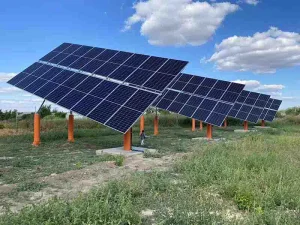
Optimized tilted single axis tracking (10 to 30 degrees tilt configuration) to raise generation limits by 15-25%.
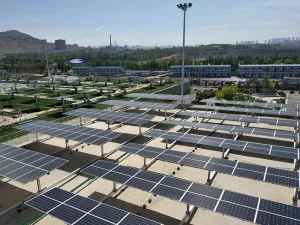
Advanced 2-portrait linked single axis system optimizing ground utilization footprint for heavy density installations.
Heavy-duty manual adjustable fixed brackets offering seasonal adjustments for maximum efficiency balances.
Direct factory solutions for global projects looking to implement verified dual-axis tracking infrastructures.
Advanced tilted tracking architecture specifically designed to elevate annual electricity generation in medium to high latitude regions.
 Zhaori