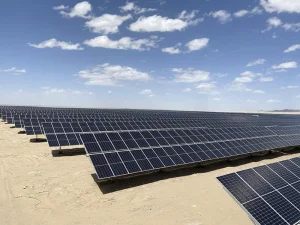
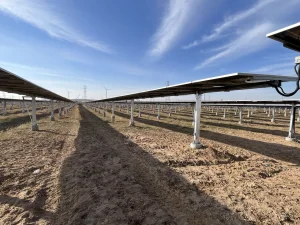
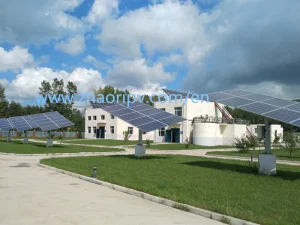
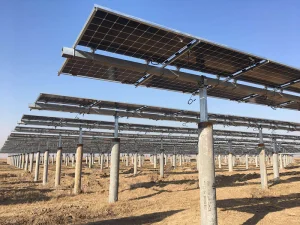
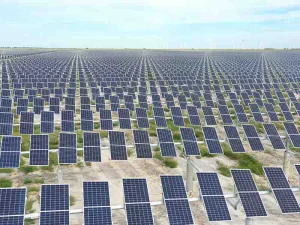
The global solar energy landscape is undergoing a paradigm shift. As utility-scale projects strive for lower Levelized Cost of Energy (LCOE), the role of Solar Tracker Mounting Systems has transitioned from a luxury to an industrial necessity. Unlike traditional fixed-tilt systems, modern solar trackers maximize energy harvesting by orienting PV modules toward the sun throughout the day, increasing yield by up to 25% to 35% in high-irradiance regions.
Today, the market is dominated by advancements in AI-integrated algorithms and bifacial module compatibility. Shandong Zhaori New Energy Tech. Co., Ltd. is at the forefront of this evolution, merging robust mechanical engineering with intelligent control systems to meet the rigorous demands of global energy transitions in North America, MENA, and Asia-Pacific regions.
Shandong Zhaori New Energy Tech. Co., Ltd. is a high-tech and new energy company based on independent intellectual property rights. Founded in June 2012, we have established a sophisticated ecosystem comprising 10 specialized departments including R&D, Technical, Engineering, and Quality Assurance.
With over 60 professional technology talents, our team focuses on photovoltaic power stations and solar tracking technology for more than a decade. Our mission is to provide more simple, more reliable, and more effective solar solutions to the global market.
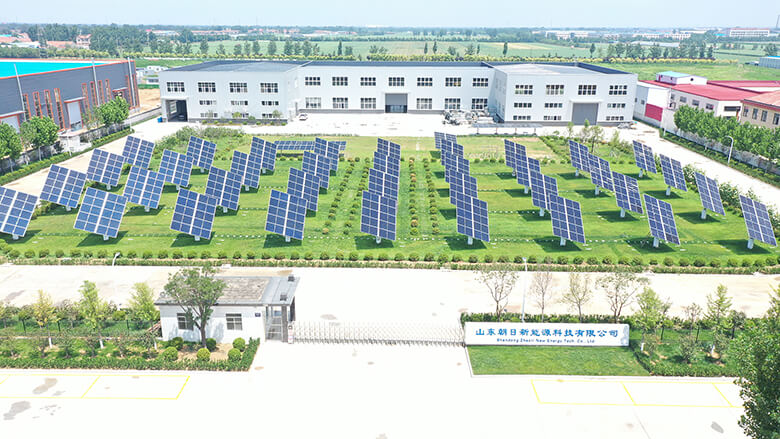
Our factory covers an area of 50,000 square meters, equipped with a series of advanced production tools, such as CNC machine tools, laser cutting machines, automatic welding robots, and plasma machines. With dozens of production lines and over 300 production workers, we achieve a capacity of 500MW per month.
Every product undergoes strict quality control from raw material screening, cutting, welding, anti-rust treatment, to final packaging, ensuring adherence to the highest international quality management systems.
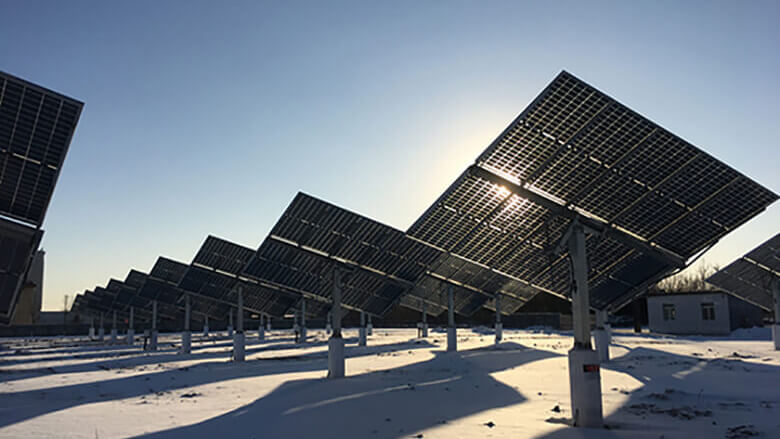
Future trackers will no longer rely solely on astronomical calculations. Integration of DNI (Direct Normal Irradiance) sensors and machine learning allows trackers to adjust for diffuse light during cloudy conditions, particularly optimizing bifacial panel performance through albedo-aware positioning.
The industry is diverging into 1P (One-in-Portrait) and 2P (Two-in-Portrait) configurations. While 1P offers higher stability in high-wind zones, 2P systems are becoming the standard for large-scale bifacial module applications to reduce shading and structural costs.
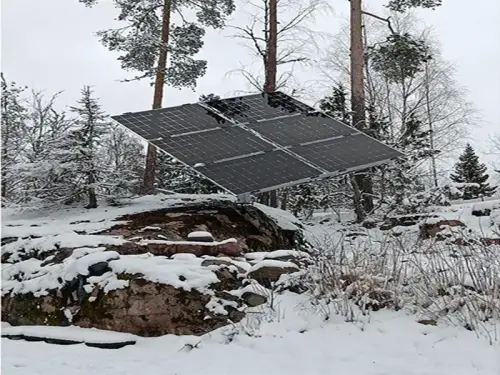
Smart SCADA systems are now standard. Our tracking systems feature real-time health monitoring, predictive maintenance alerts, and automatic stow modes for extreme weather events like hurricanes or heavy snow loads.
A "one size fits all" approach no longer works in the PV mounting industry. Shandong Zhaori provides tailored solutions for various geographical and economic landscapes:
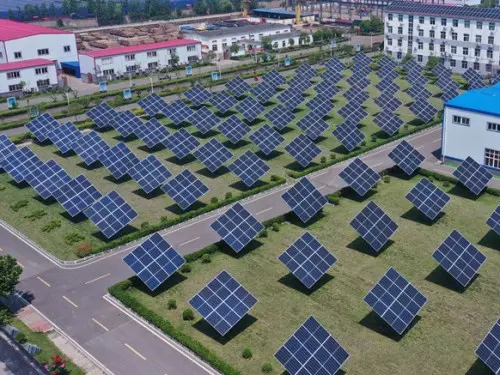
Utilizing tilted single-axis trackers like the ZRT-16, which allows for slope adaptability without heavy land leveling, reducing civil engineering costs significantly.
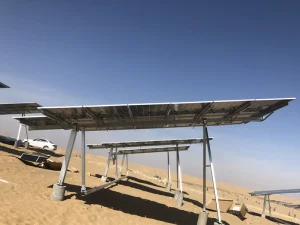
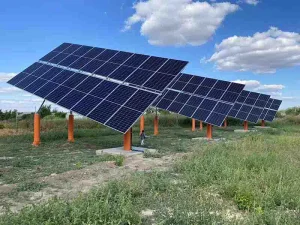
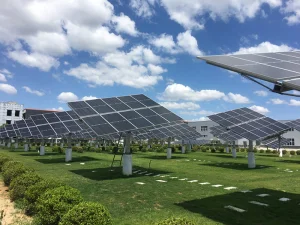
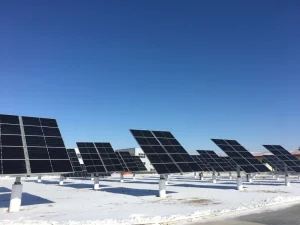
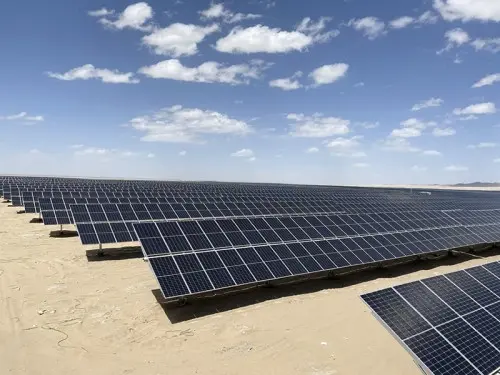
Dual-axis systems such as the ZRD-08 maximize the solar harvest in desert environments where direct sunlight is abundant, providing the highest possible energy yield per square meter.
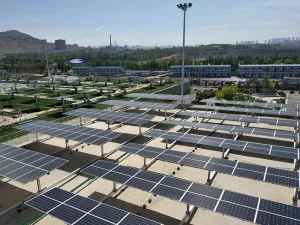
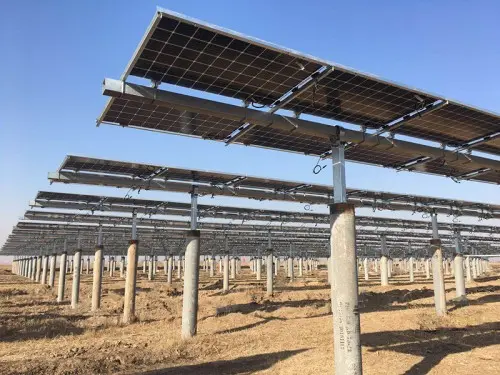
High-clearance tracker designs allow for farming activities beneath the panels. The tracking movement helps manage the light-sharing ratio between crops and electricity production.
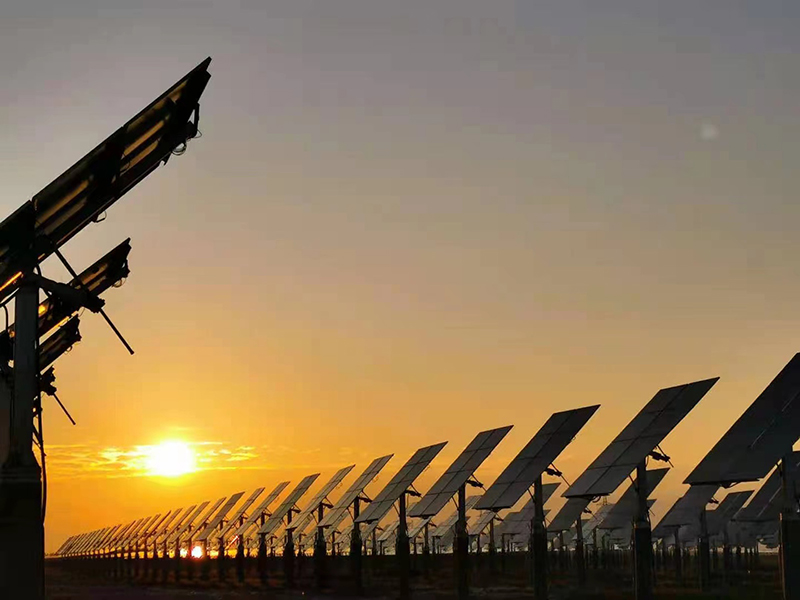
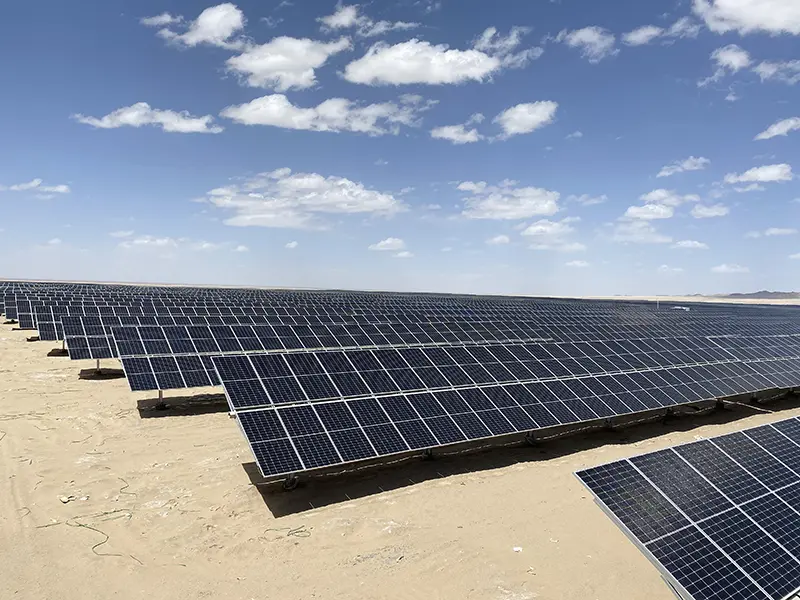
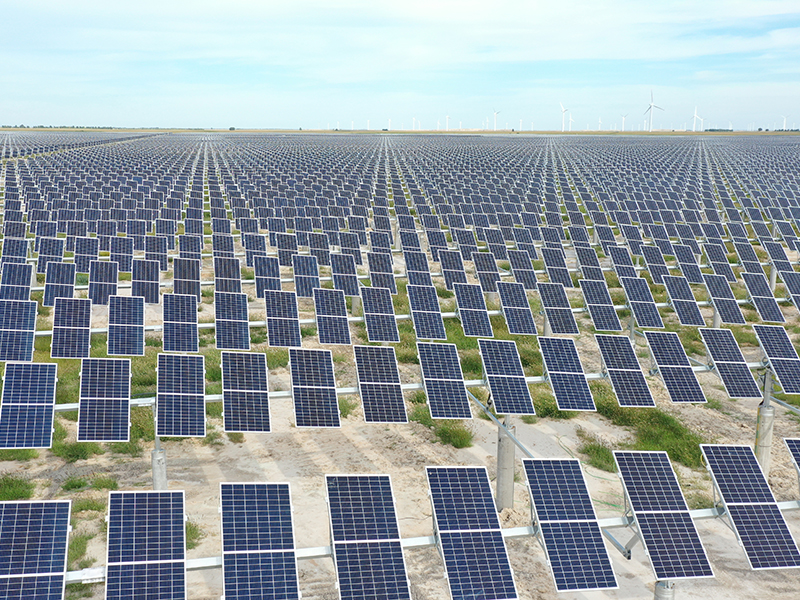
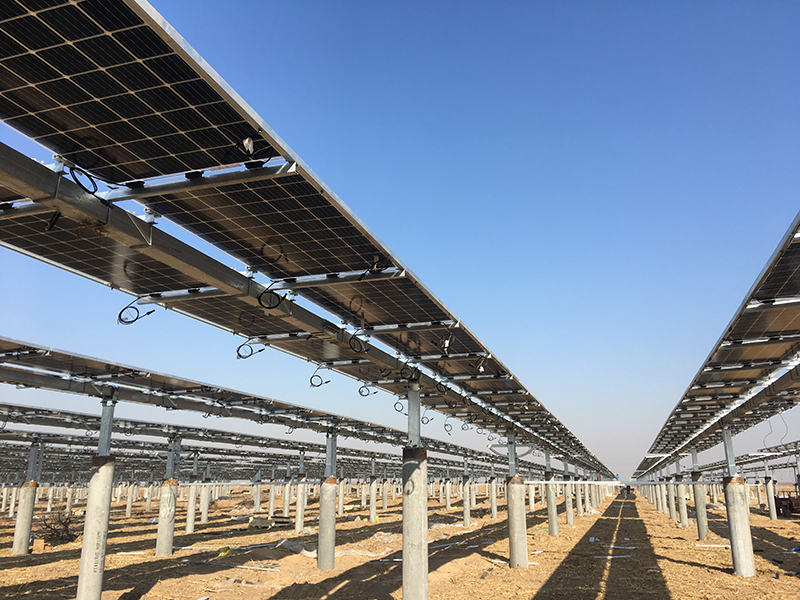
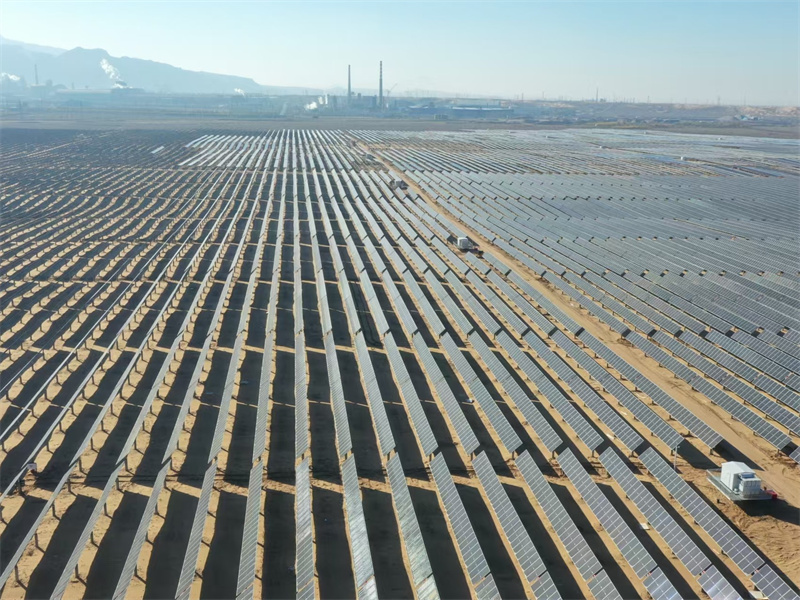
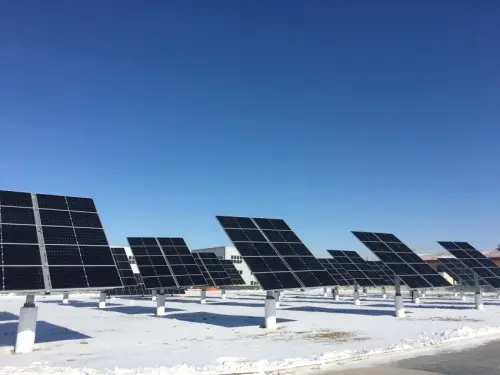
Sunchaser Tracker has spent decades designing and perfecting the most reliable tracker on this planet. This advanced solar tracking system helps ensure continuous solar power production even in the most challenging weather conditions, supporting the global adoption of sustainable energy solutions.
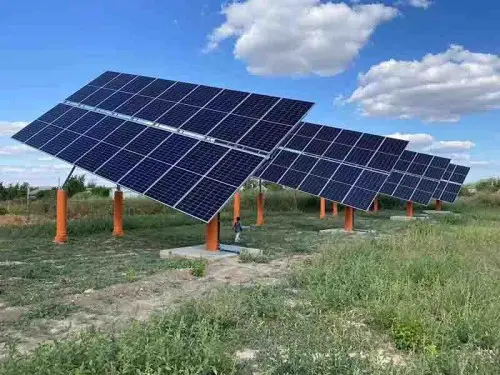
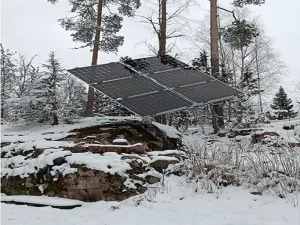
ZRT tilted single axis solar tracking system has one tilted axis (10°– 30° tilted) tracking the azimuth angle of the sun. Each set mounting 10 – 20 pieces of solar panels, increase your power generation by about 15% – 25%.
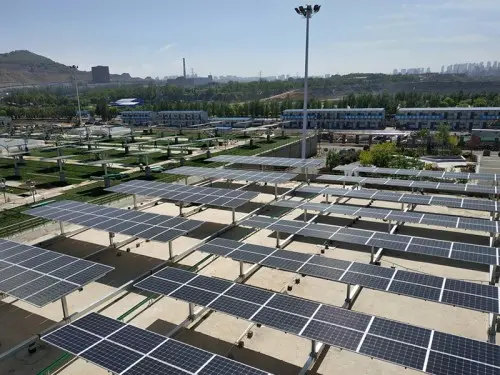
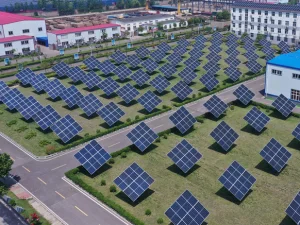
ZRP flat single axis solar tracking system has one axis tracking the azimuth angle of the sun. Each set mounting 10 – 60 pieces of solar panels, single row type or 2 – rows linked type, given a 15% to 30% production gain over fixed-tilt systems.
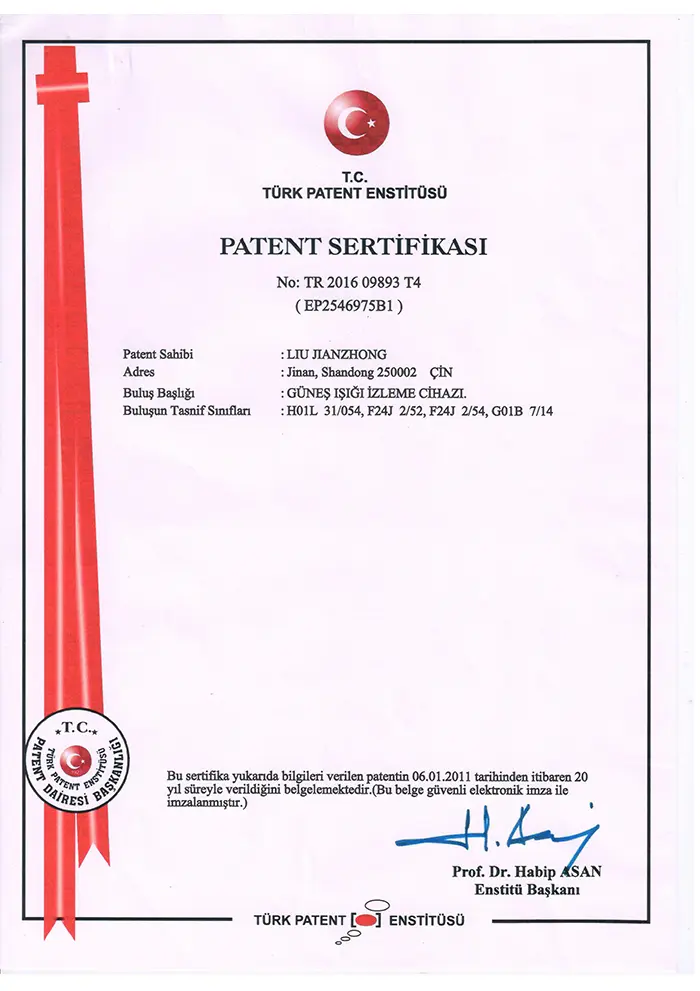
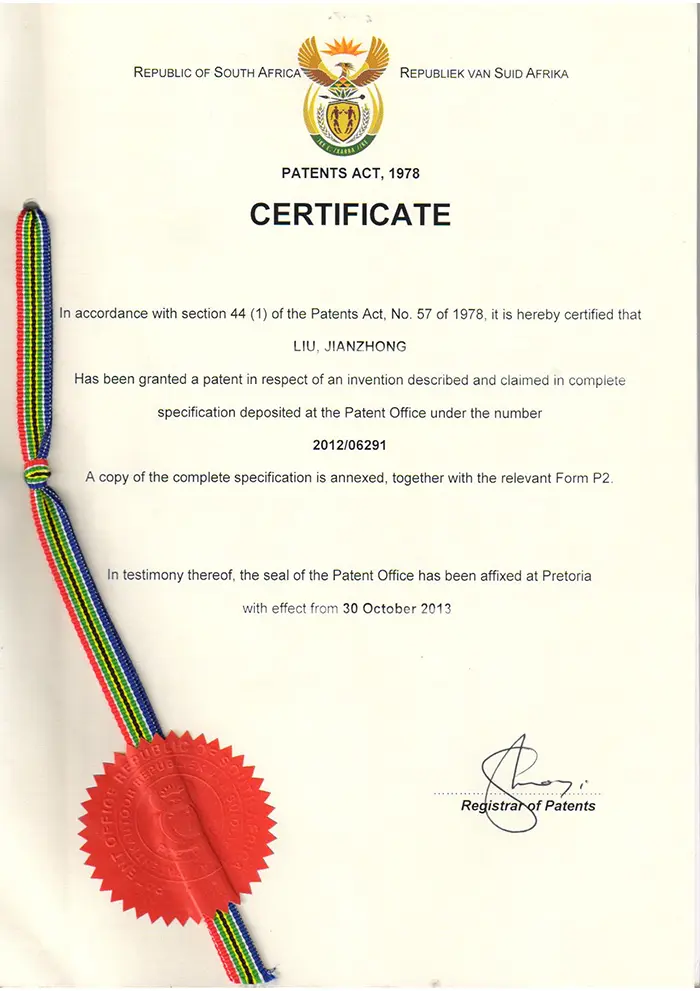
Our products have obtained patents from the Europe Patent Office, the United States, Canada, Australia, Japan, South Korea, Thailand, India, Brazil, South Africa, etc., as well as TUV, CE, and ISO certifications.
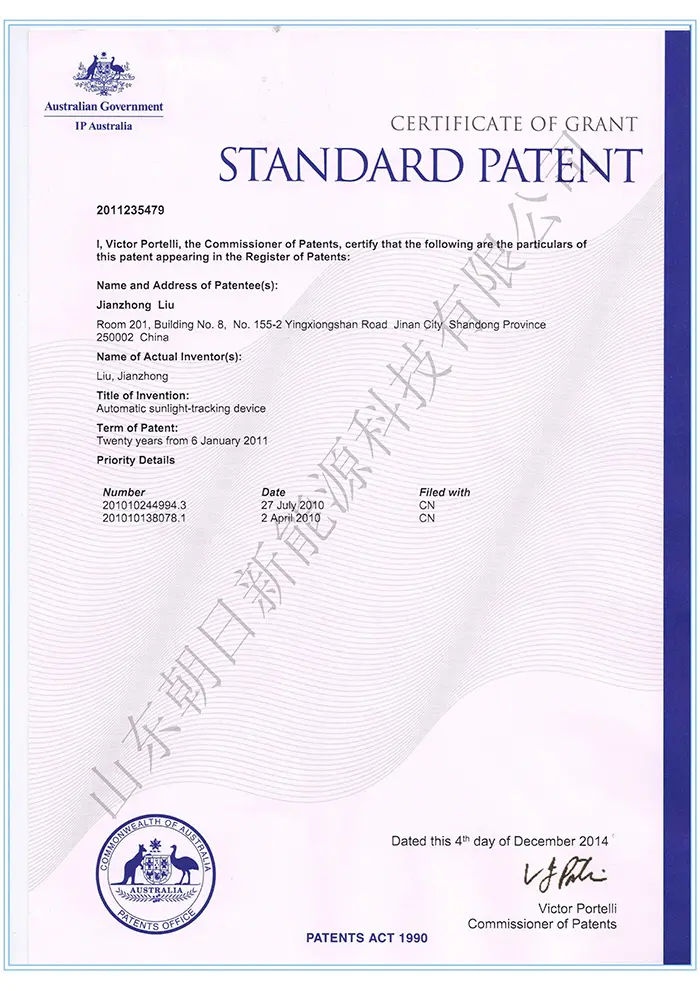
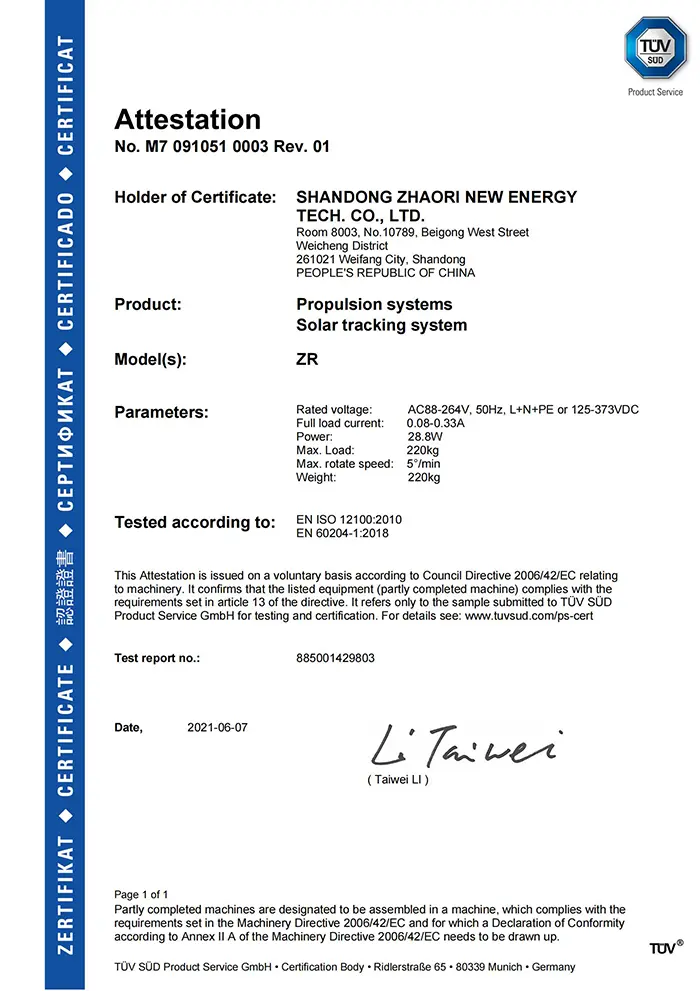
Adhering to the business principle of mutual benefits, we have had a good reputation among our customers for our perfect services, quality products and competitive prices. So welcome domestic and foreign customers to cooperate with us sincerely.
Request A Custom Solution Zhaori