The global solar energy landscape is shifting rapidly from fixed-tilt structures to advanced tracking systems. As developers seek to minimize the Levelized Cost of Energy (LCOE), Single Axis Trackers (SAT) have emerged as the industry gold standard. Current trends include:
Modern trackers like the 2P Flat Single Axis are optimized to maximize the albedo effect, increasing energy yield by an additional 10-15% when paired with bifacial modules.
Smart sensors and machine learning algorithms are now used to prevent row-to-row shading, especially on uneven terrain or during cloudy conditions.
Advanced trackers now undergo rigorous wind tunnel testing to ensure stability during high-wind events, utilizing automatic "stow" positions to protect the array.
Shandong Zhaori New Energy Tech. Co., Ltd. is a leading high-tech enterprise dedicated to the research, development, and manufacturing of solar tracking technology. Founded in June 2012, we have established ourselves as a pillar of reliability in the renewable energy sector.
Years of R&D Experience
Sqm Factory Area
Monthly Production Capacity
Tech Talent Experts
Our infrastructure includes 10 specialized departments, ranging from R&D and engineering to quality assurance and international trade. We operate CNC machine tools, laser cutting machines, and automatic welding robots to maintain the highest manufacturing standards.
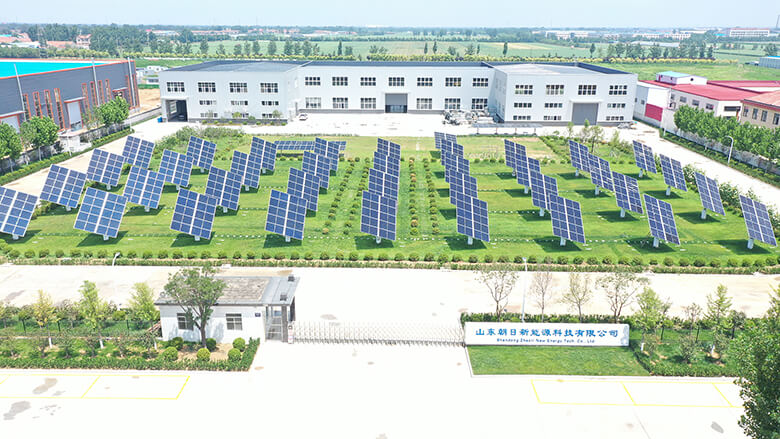
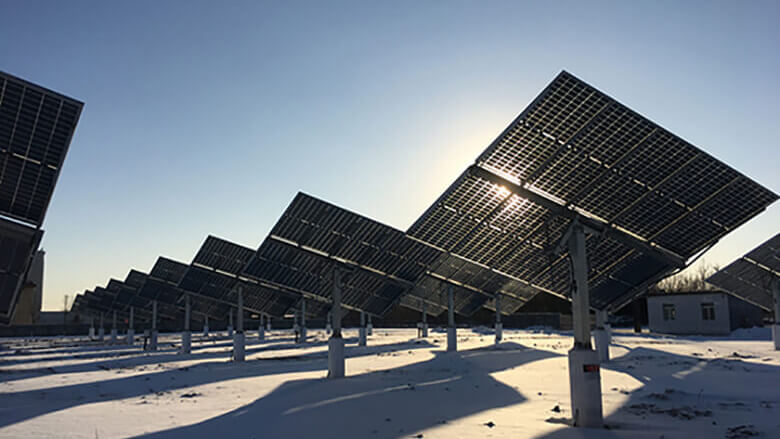
Our Principle: More simple, more reliable, and more effective. We provide customized solutions and professional O&M services based on over a decade of PV application experience.
Our flat single-axis systems are designed for massive utility projects, delivering high scalability and rapid installation to maximize ROI for large-scale investors.
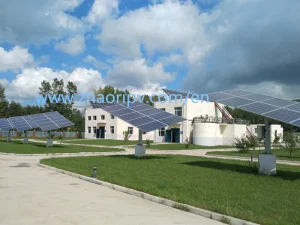
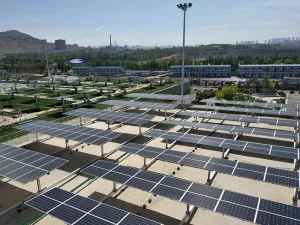
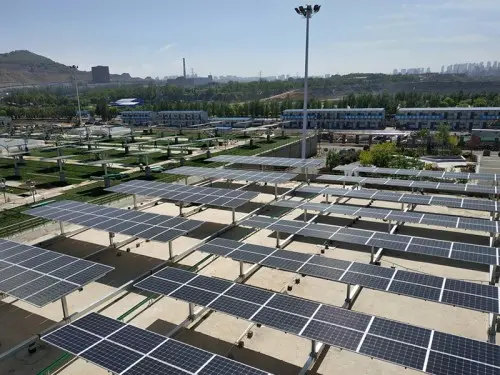
Optimized for rooftops and complex terrain, our trackers provide the flexibility needed for factory and office building energy independence.
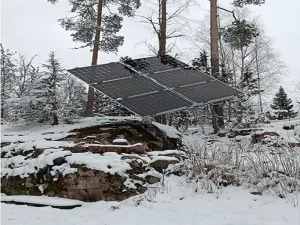
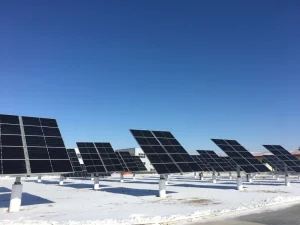
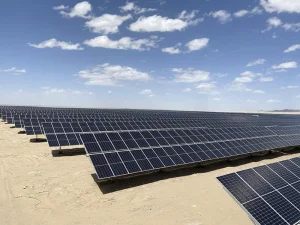
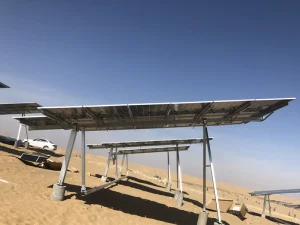
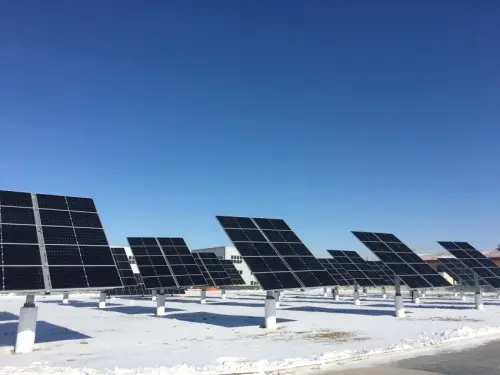
From the arid deserts of Central China to the snowy mountains of the North, our systems are proven to withstand extreme weather conditions.
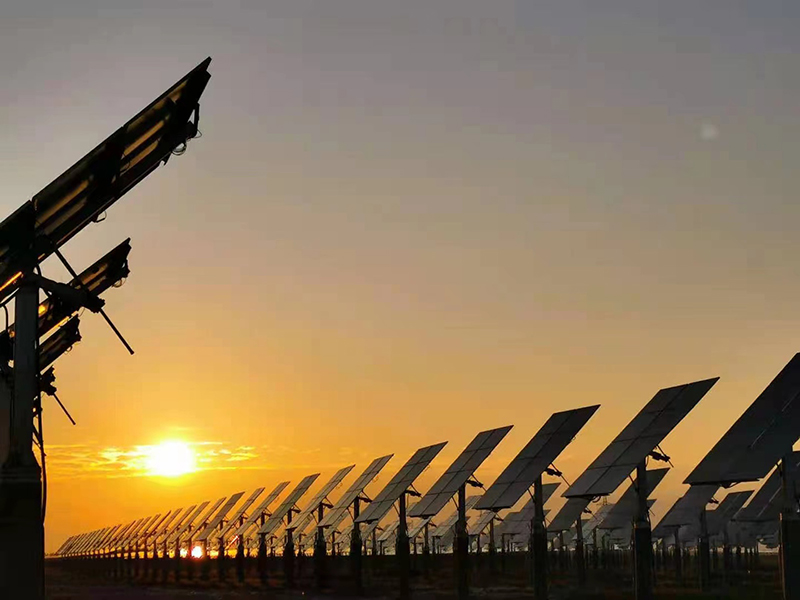
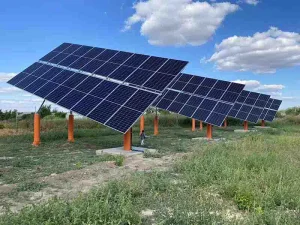
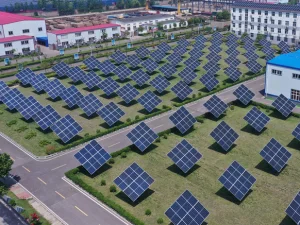
5MW Utility Project in North China
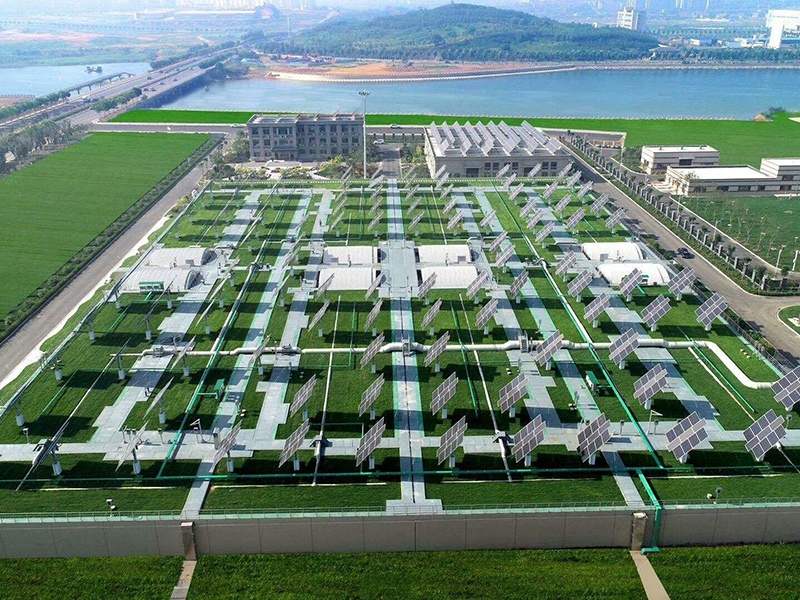
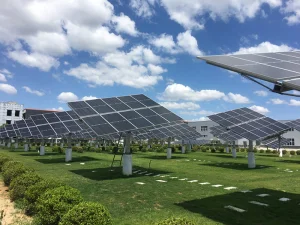
High-Yield Factory Project
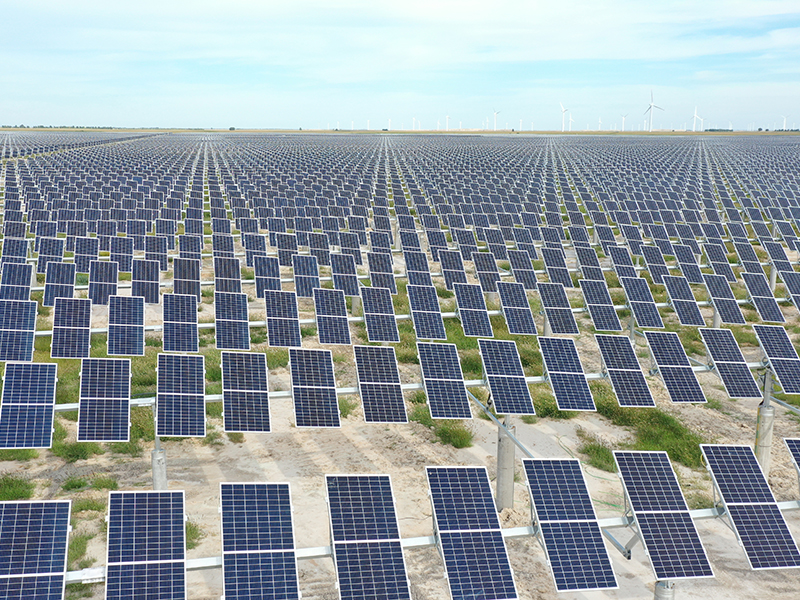
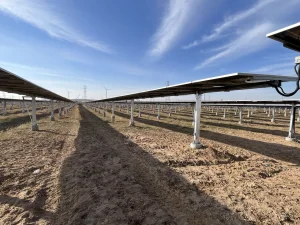
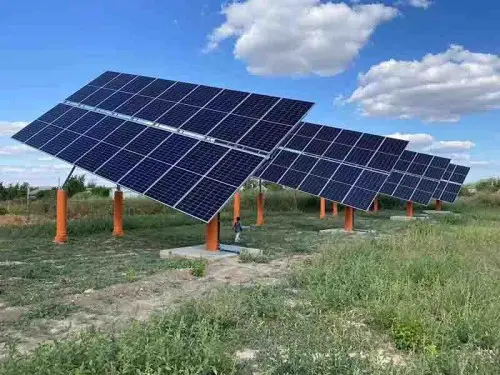
40MW Flat Single Axis with Inclined Module
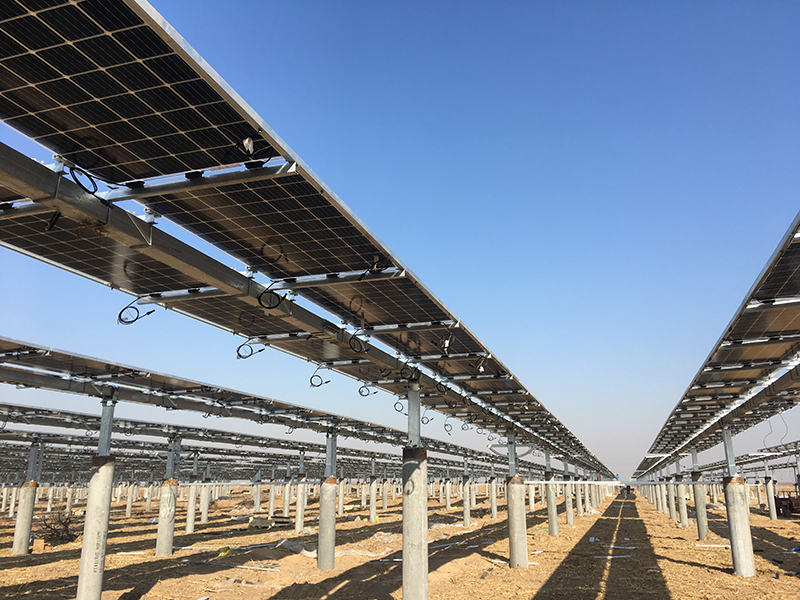
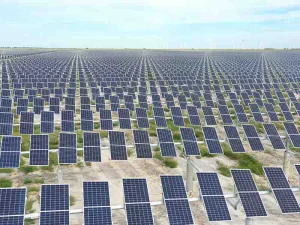
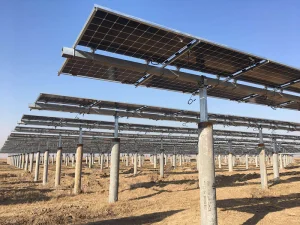
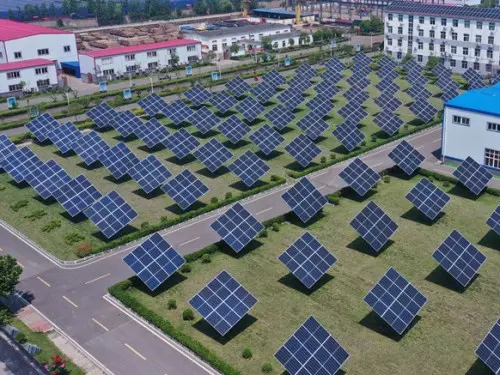
110MW Bifacial System in High-Irradiance Zone
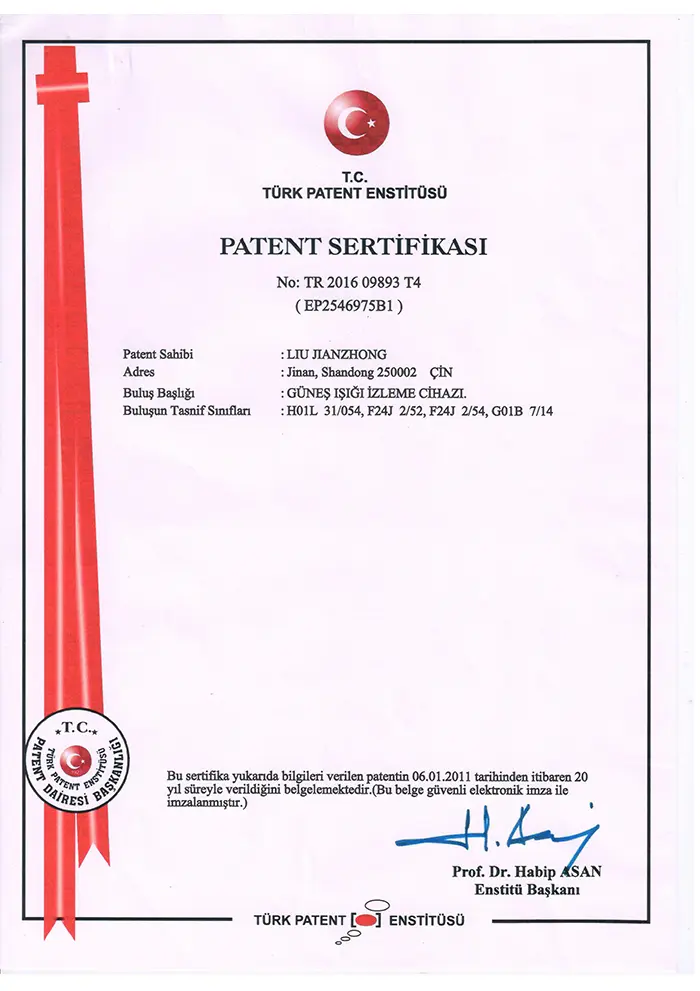
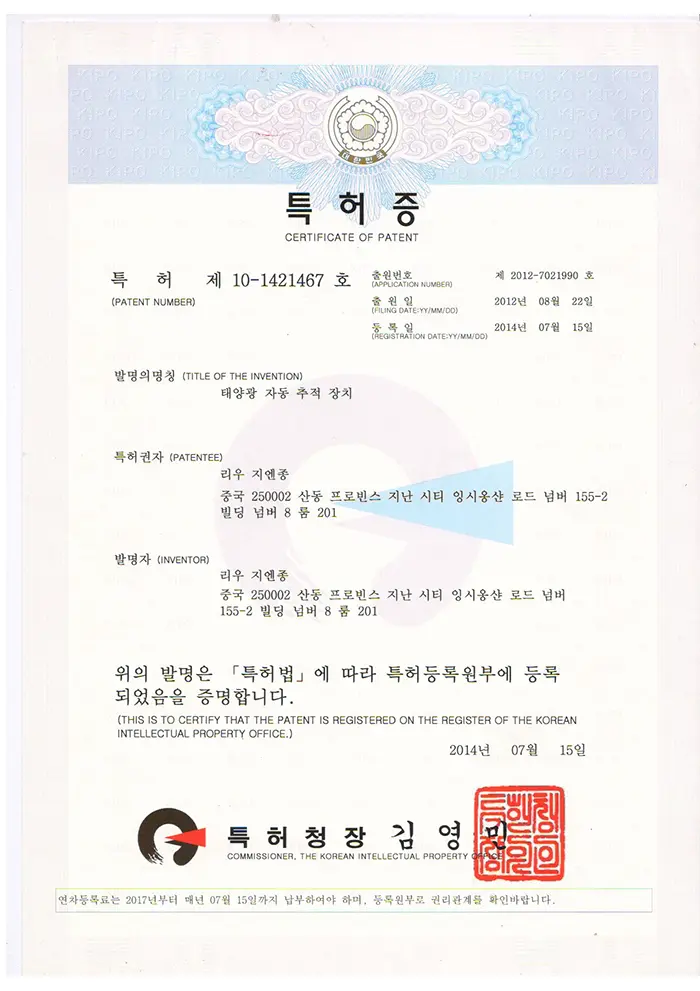
To ensure long-term reliability and bankability, Shandong Zhaori adheres to stringent global standards. Our products have obtained invention patents from the European Patent Office, USA, Canada, Australia, Japan, South Korea, India, and Brazil.
| Feature | ZRT Tilted Single Axis | ZRP Flat Single Axis (2P) | ZRD Dual Axis System |
|---|---|---|---|
| Energy Gain | 15% - 25% | 15% - 30% | 30% - 45% |
| Tracking Angle | Azimuth (Tilted 10°-30°) | Azimuth (Horizontal) | Azimuth & Altitude |
| Best Application | High Latitude Areas | Large Flat Utility Projects | High Precision / Max Yield |
| Certifications | TUV, CE, ISO9001, 30+ Utility Patents | ||
Unlike standard fixed brackets, our trackers are engineered with "Modular Intelligence." This means the system can be deployed in fragmented land parcels without losing tracking synchronization. This versatility significantly lowers the EPC cost per watt during installation.
The next decade of solar tracking will be defined by Internet of Things (IoT) integration and predictive maintenance. At Shandong Zhaori, we are already developing the next generation of "self-healing" trackers that can detect mechanical stress before it leads to failure, ensuring that your solar investment continues to perform at peak efficiency for decades.

 Zhaori