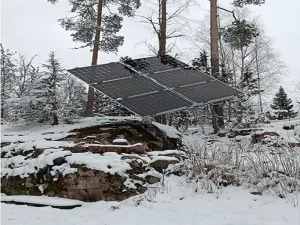
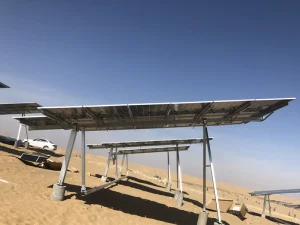
The global solar energy landscape is undergoing a radical transformation. No longer is "static mounting" sufficient for utility-scale projects. The industry is pivoting toward Dynamic Solar Radiation Trackers. According to recent market analysis, the solar tracker market is expected to grow at a CAGR of 15% through 2030, driven by the need for lower LCOE (Levelized Cost of Energy).
Modern trackers now use machine learning algorithms to calculate real-time cloud cover and diffuse radiation, optimizing panel angles to capture "invisible" light even on cloudy days.
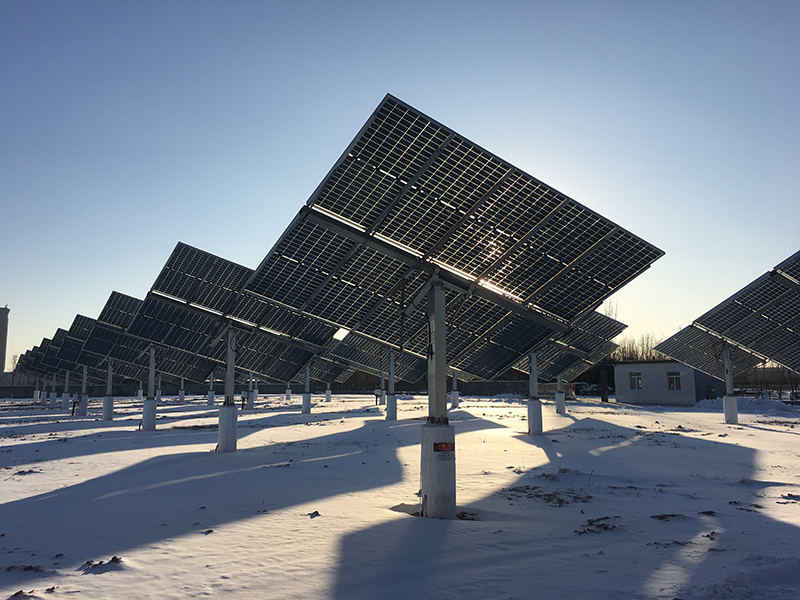
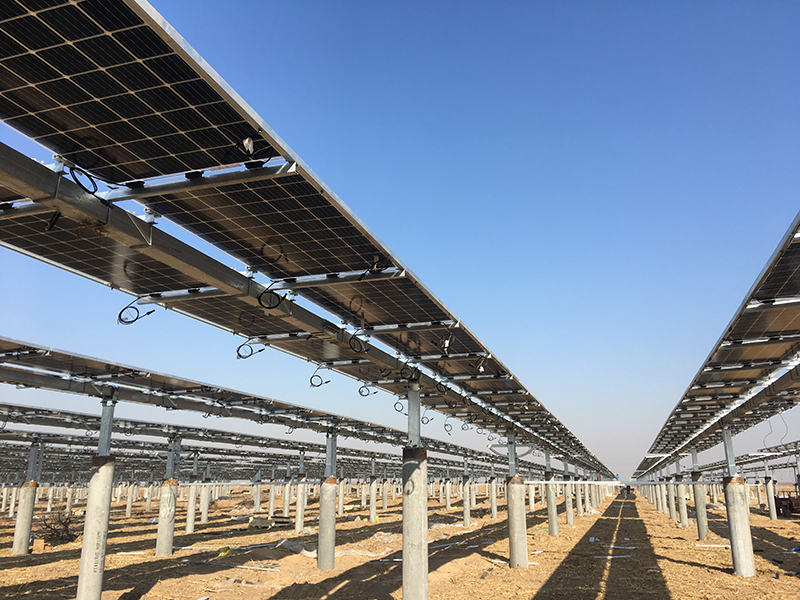
The synergy between bifacial modules and 2P flat single-axis trackers is the new gold standard, allowing for up to 35% more energy gain compared to traditional setups.
Self-stow mechanisms triggered by anemometers allow trackers to flatten out during 120mph hurricane-force winds, ensuring infrastructure longevity.
Shandong Zhaori New Energy Tech. Co., Ltd. is a high-tech and new energy company based on independent intellectual property rights. Founded in June 2012, our organization has expanded into 10 specialized departments including R&D, Technical Engineering, and International Trade.
With over 60 professional technology talents and 10+ years of focus on photovoltaic power stations, we are at the forefront of solar tracking innovation.
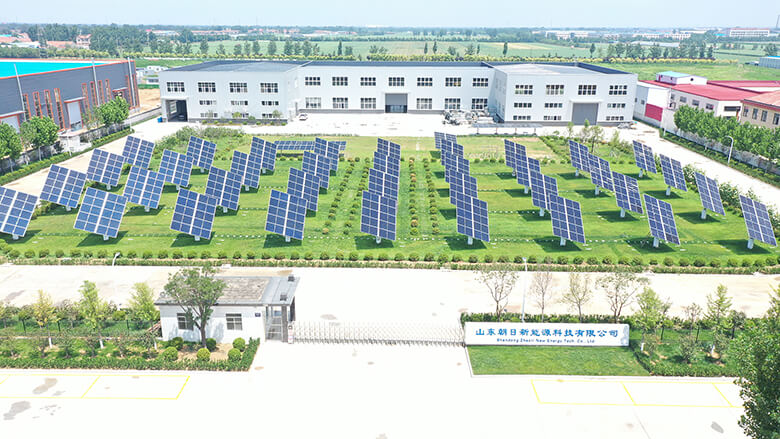
Our manufacturing facility in Shandong represents the pinnacle of Industry 4.0 application in the solar sector. We don't just "assemble"; we engineer precision. Our factory covers 50,000 square meters and houses advanced CNC machine tools, laser cutting machines, and automatic welding robots.
Robotic plasma cutting and welding ensure that every structural component meets ±0.5mm tolerances, critical for the long-term mechanical reliability of dual-axis trackers.
We utilize high-grade Hot-Dip Galvanization (HDG) that exceeds 85μm thickness, guaranteeing 25 years of corrosion resistance in coastal or desert environments.
A 500MW monthly output capacity allows us to meet the rigorous JIT (Just-In-Time) procurement demands of global EPC contractors from Chile to Australia.
Our product principle is Simple, Reliable, and Effective. We hold patents across the Europe Patent Office, USA, Canada, Australia, Japan, and more, alongside 30+ Utility model patents.
| Tracking Category | Model Example | Gain Potential | Best Application |
|---|---|---|---|
| Dual Axis Tracking | ZRD-10 / ZRD-08 | 35% - 45% | High-latitude regions, Research, CPV systems. |
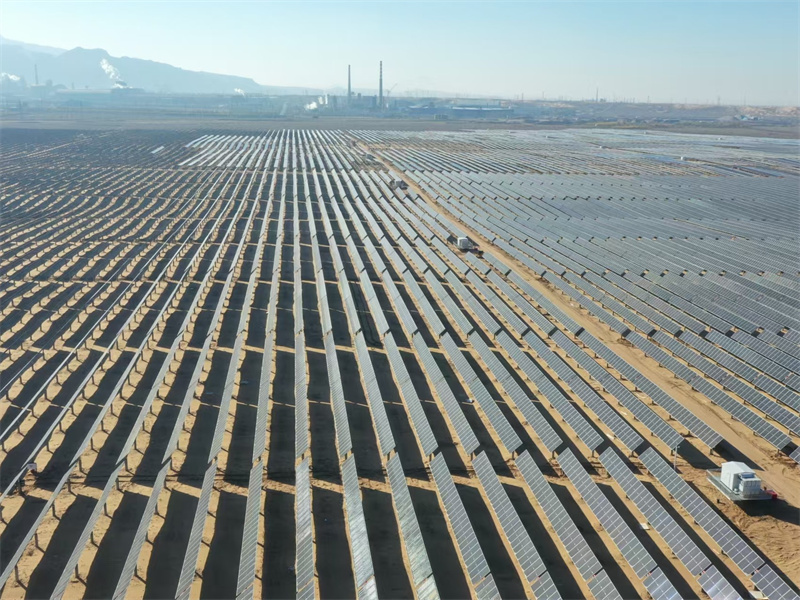
| Flat Single Axis | ZRP 1P/2P | 15% - 30% | Utility-scale projects, Desert plains. |
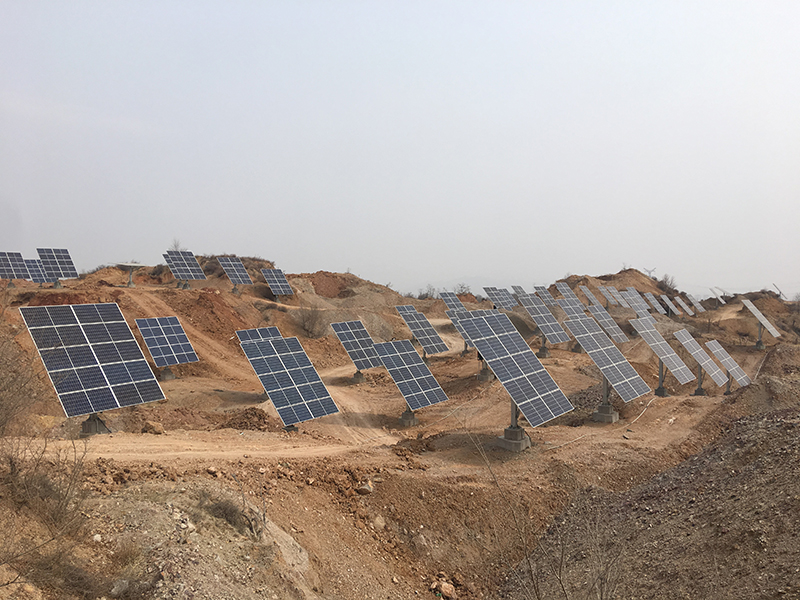
| Tilted Single Axis | ZRT-16 | 15% - 25% | Medium-latitude mountainous terrain. |
| Adjustable Fixed | Manual Bracket | 5% - 10% | Low-budget residential or remote sites. |
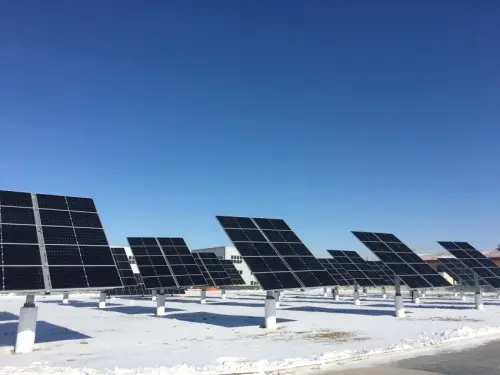
Designed for decades of reliability. Sunchaser's flagship for maximizing irradiation.
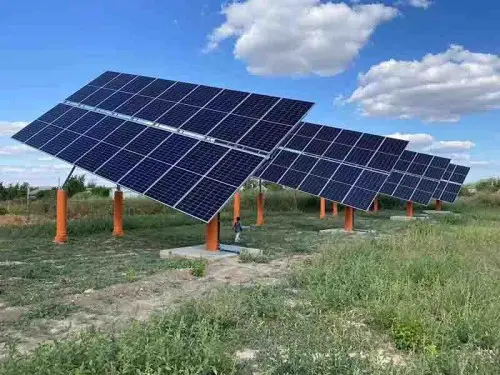
Captures azimuth angles effectively with a 10°-30° tilt range.
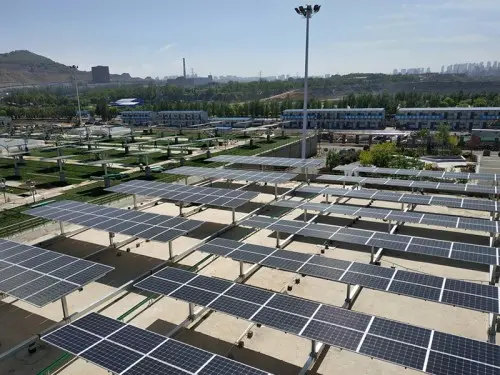
Optimized for bifacial modules with a clear backside and linked-row stability.
Every geography presents unique challenges. Our engineering team provides customized solutions based on localized wind loads, soil types, and snow conditions.
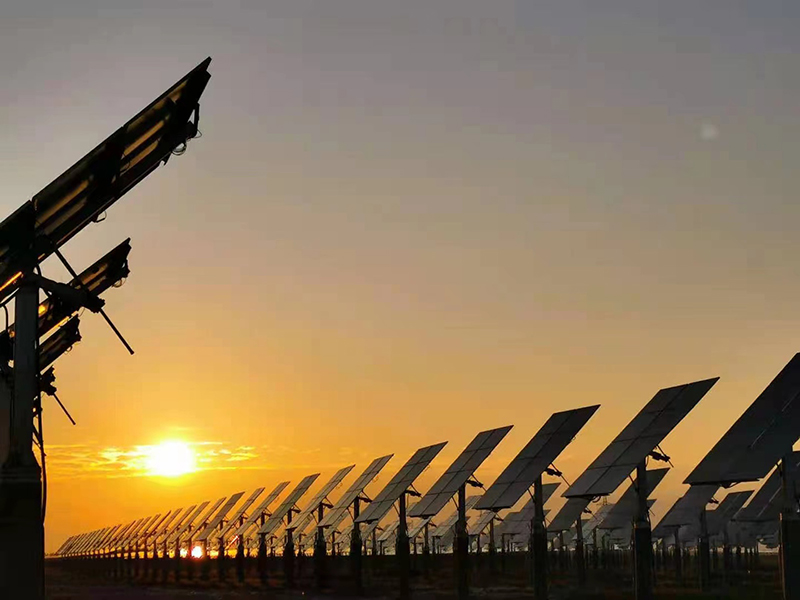
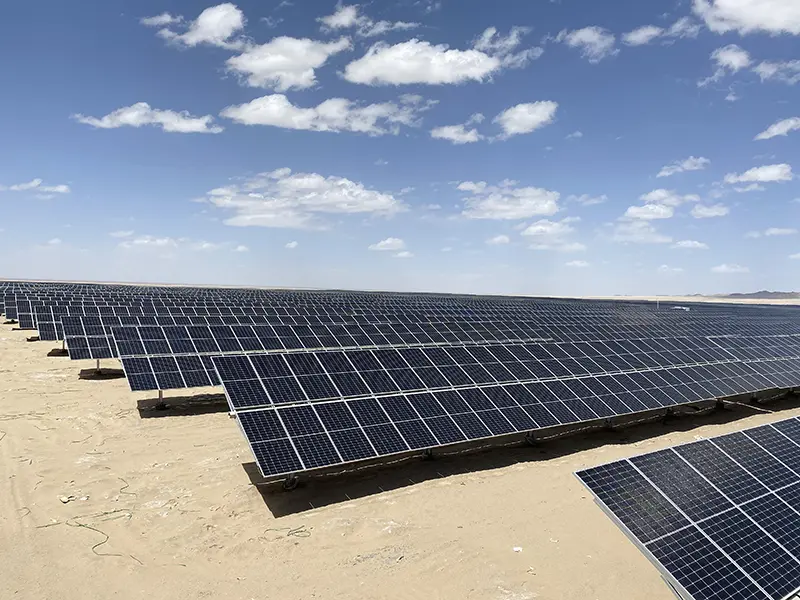
Our commitment to quality is backed by international auditing bodies. We adhere to strict quality control from raw material screening to final post-processing.
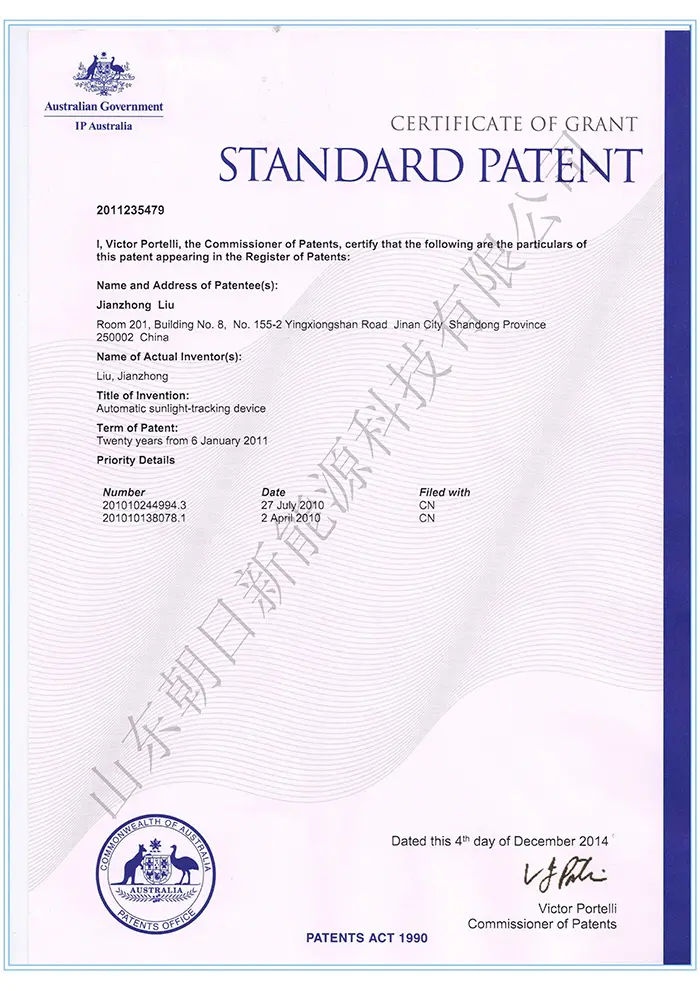
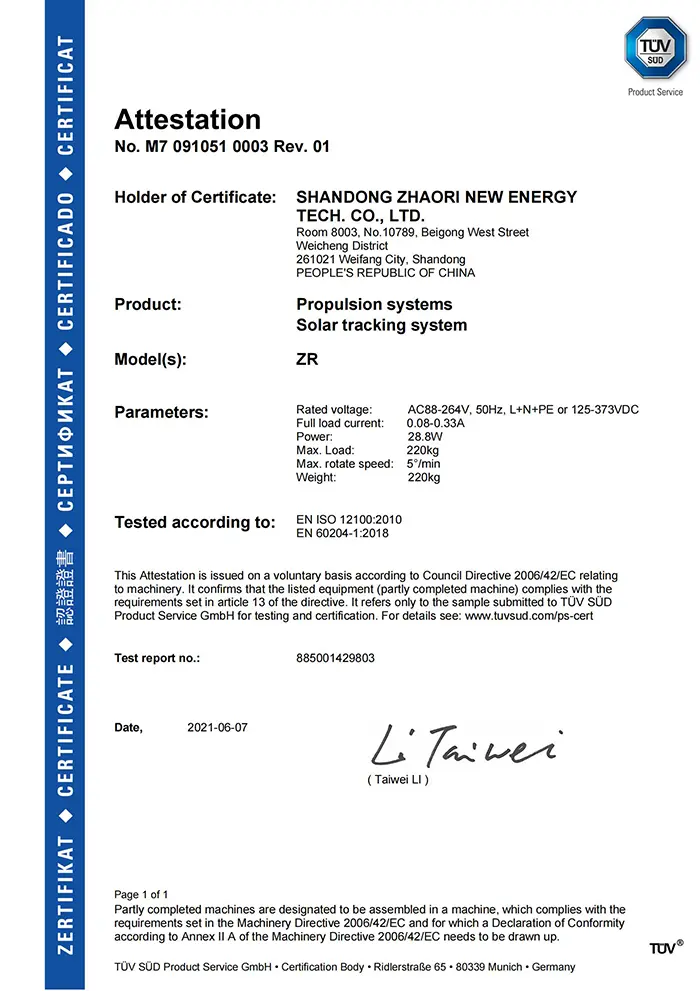
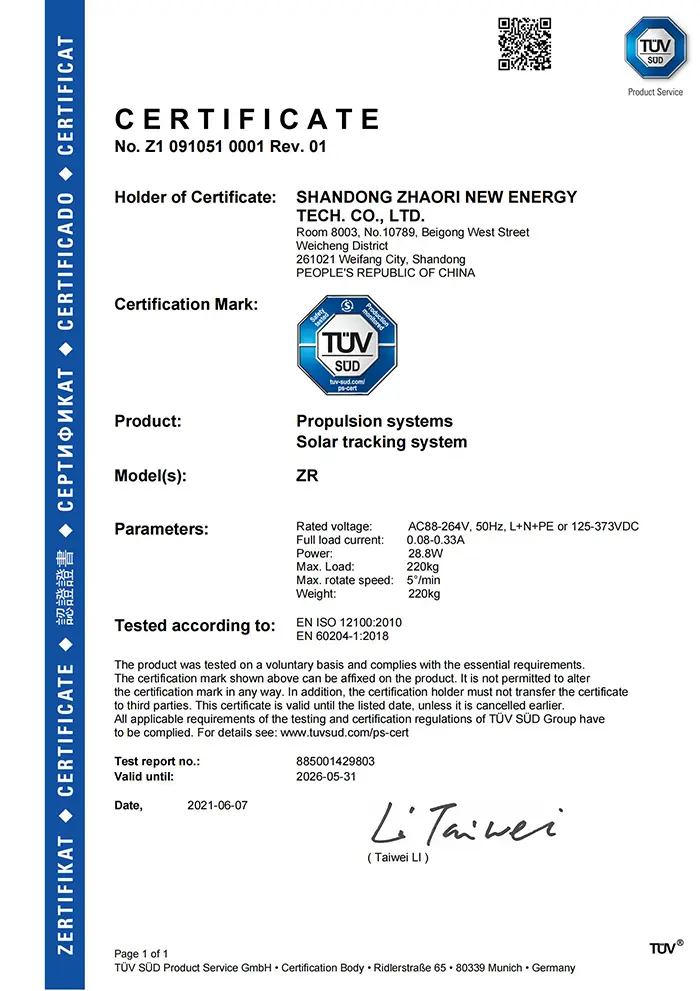
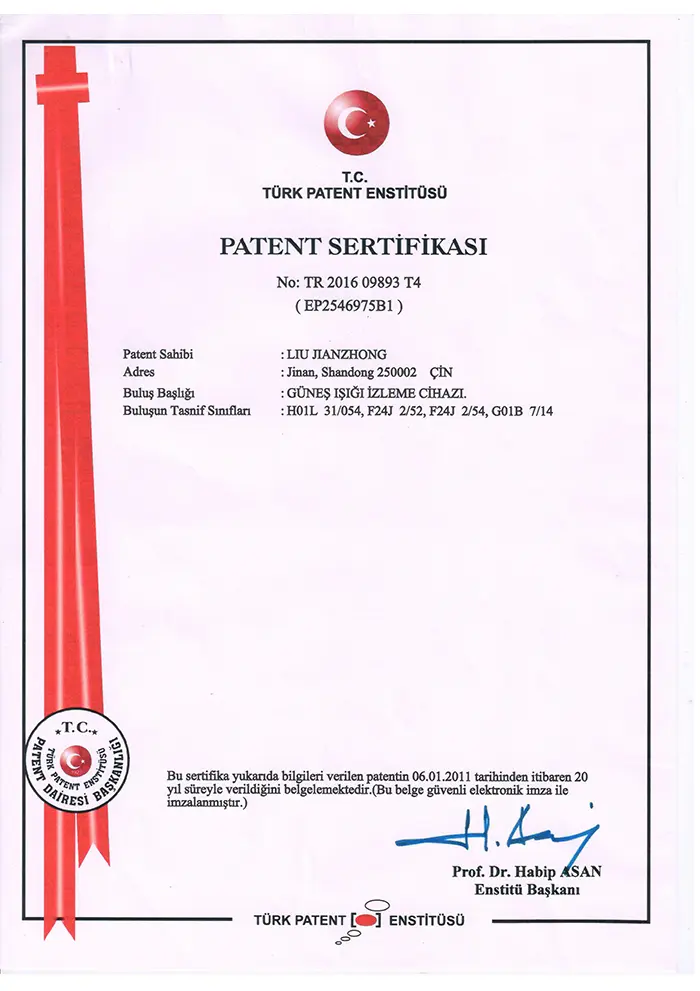
Certified by: TUV, CE, ISO. Global Patents: EU, USA, Canada, Japan, Korea, Brazil, South Africa.
Q: What is the ROI of switching from fixed brackets to dual-axis trackers?
A: While the CAPEX is higher, dual-axis trackers can increase energy production by up to 45%. In high-latitude regions, the payback period is typically reduced by 2-3 years compared to fixed systems.
Q: How do Zhaori trackers handle extreme wind and snow?
A: Our systems include an integrated smart sensor suite. During high winds, the "Wind-Protect" mode levels the panels. During snow, the "Snow-Dumping" mode tilts panels to a steep angle to prevent accumulation.
Q: Do you offer customized solutions for non-standard terrains?
A: Yes. We specialize in "Mountain Projects" where we utilize our ZRT-16 tilted axis systems to adapt to uneven slopes without extensive land grading.
Q: What is the maintenance cycle for a solar tracking system?
A: Our "Simple & Reliable" design minimizes moving parts. A standard visual inspection twice a year and lubricating mechanical joints once a year is usually sufficient for a 25-year lifespan.
 Zhaori