In the current renewable energy landscape, the PV Tracking System has emerged as a cornerstone for utility-scale and commercial solar projects worldwide. Unlike traditional fixed-tilt systems, solar trackers optimize the angle of photovoltaic panels in real-time, following the sun's trajectory to maximize irradiance absorption. As a premier PV tracking system supplier and exporter, Shandong Zhaori New Energy Tech. Co., Ltd. is at the forefront of this technological revolution, providing advanced solutions that significantly reduce the Levelized Cost of Energy (LCOE).
The global market for solar trackers is experiencing exponential growth, driven by the aggressive transition toward carbon neutrality in the EU, USA, and Southeast Asia. Modern developers are no longer just looking for mounting structures; they are seeking intelligent solar tracking algorithms and robust structural engineering capable of withstanding extreme weather conditions—from the blistering heat of desert projects to the heavy snow loads of mountain installations.
Founded in June 2012, we are a high-tech powerhouse with 10 specialized departments. Our team of 60+ technical experts has spent over a decade perfecting photovoltaic power stations and solar tracking technology. We hold independent intellectual property rights that form the backbone of our global reliability.
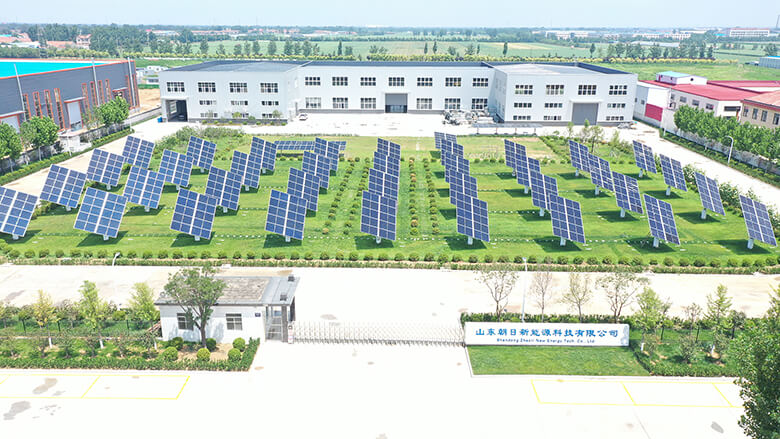
Our 50,000 square meter facility leverages CNC machine tools, laser cutting, and automatic welding robots. With dozens of production lines, we ensure a capacity of 500MW per month. China's integrated supply chain allows us to offer premium quality at competitive global pricelists without compromising lead times.
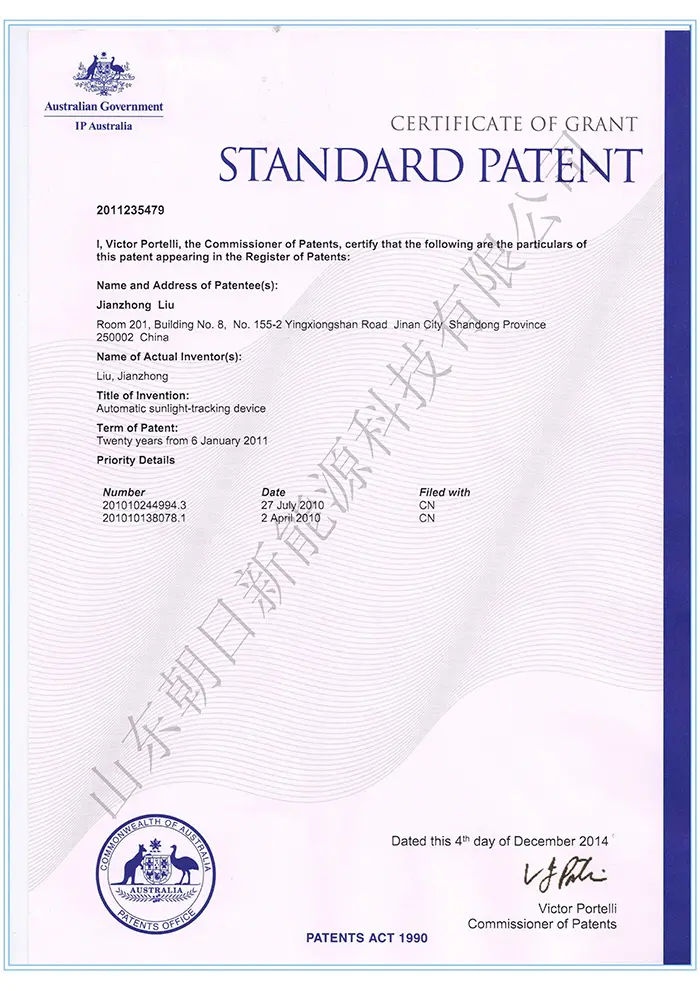
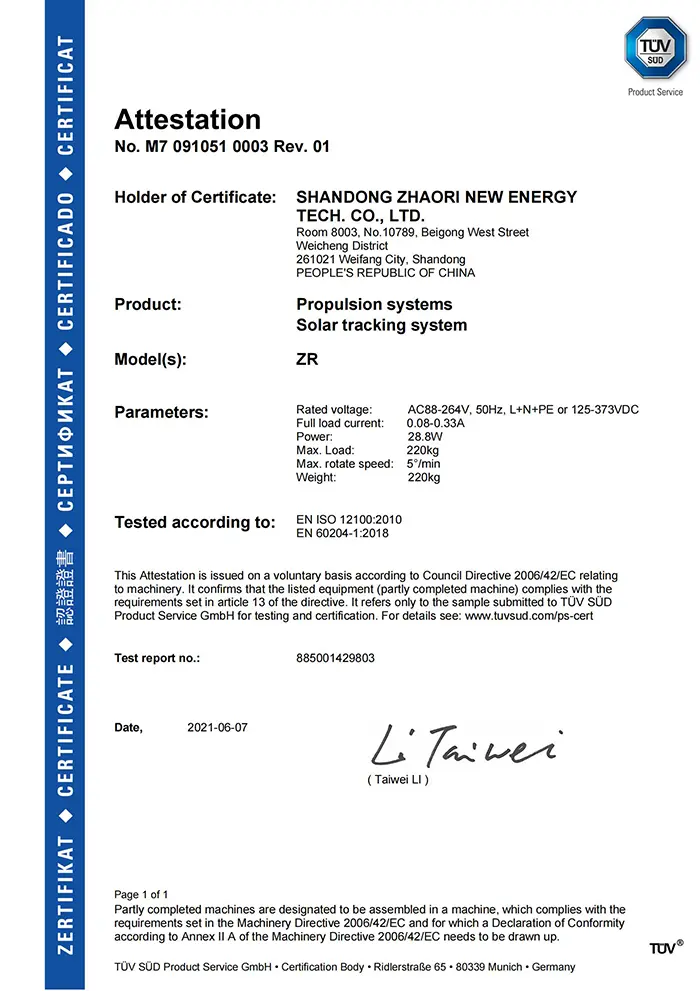
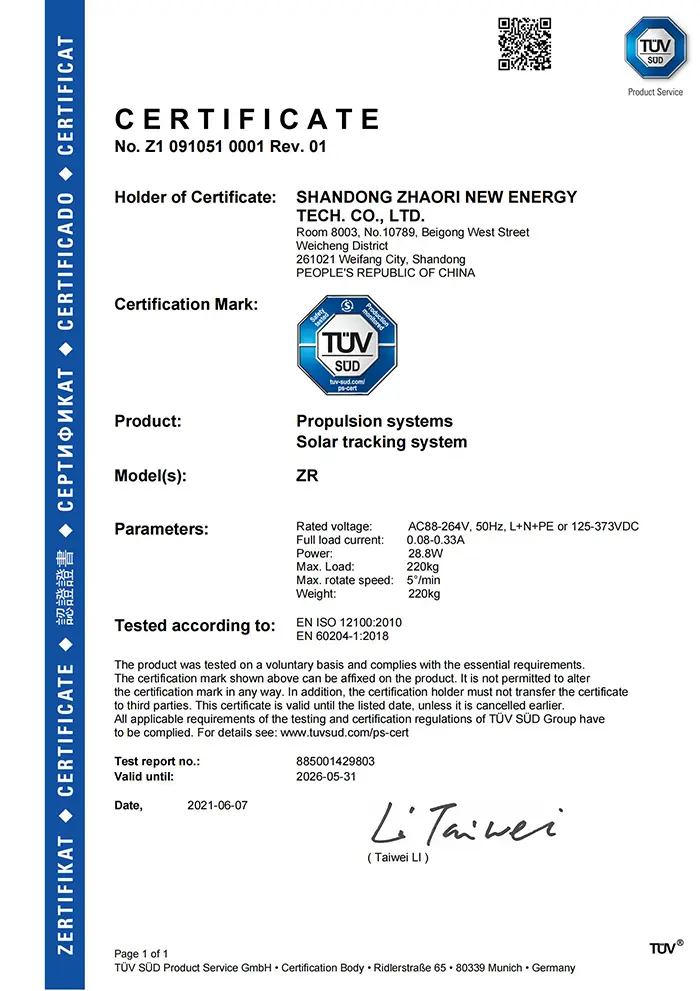
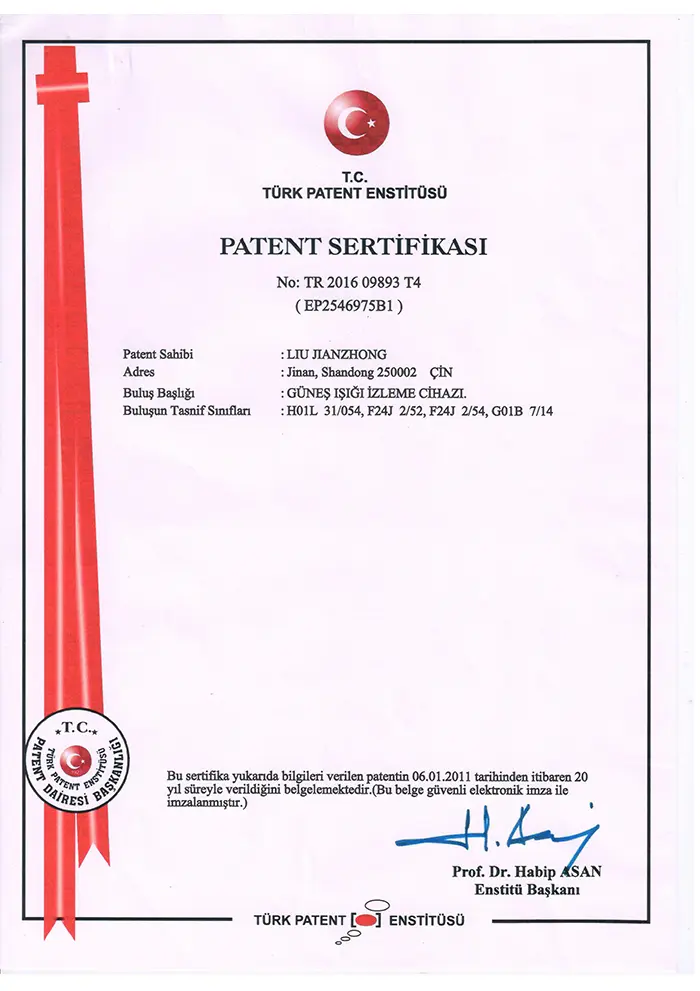
Our commitment to quality is backed by patents from the European Patent Office, USA, Canada, Japan, and Australia. With TUV, CE, and ISO certifications, we adhere to the most rigorous international standards, ensuring that every bracket and tracker is built for a 25-year service life.
Understanding the "Semantic Intent" of solar ROI involves choosing the right tracking geometry. Our product range covers the full spectrum of project needs:
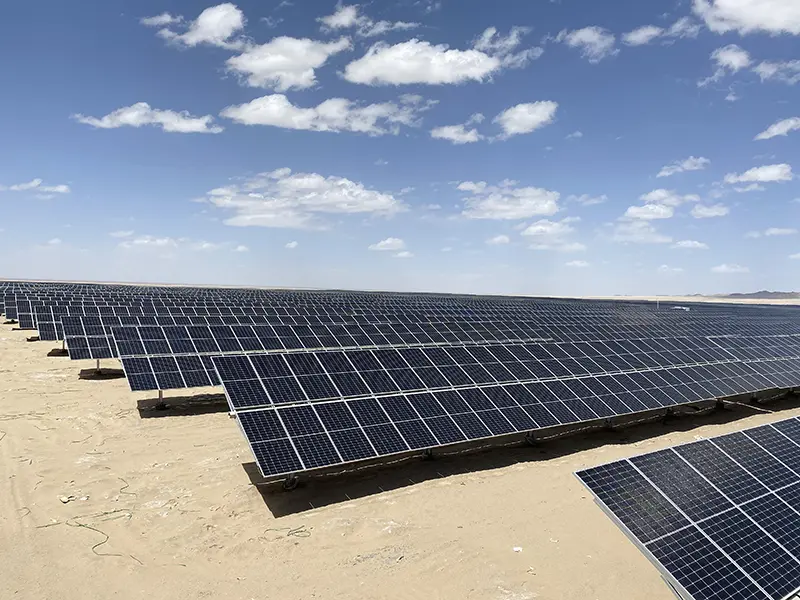
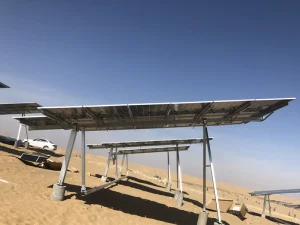
Our 20MW and 360MW desert projects utilize sand-resistant bearings and robust actuators to maintain precision in high-temperature, dusty environments.
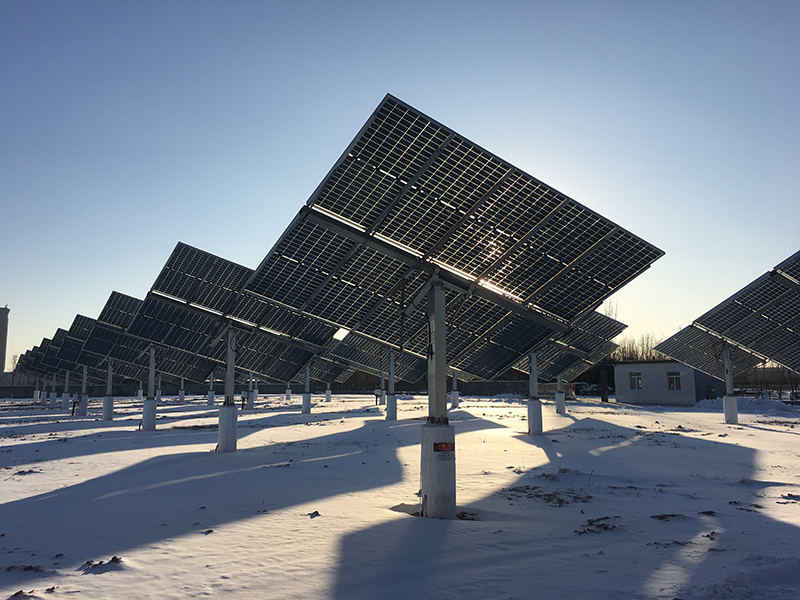
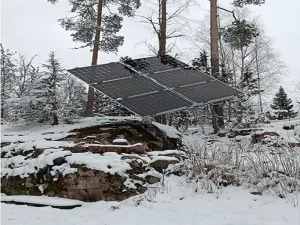
Our trackers feature an "automated snow-shedding mode" where panels tilt to a steep angle during storms to prevent structural damage from snow accumulation.
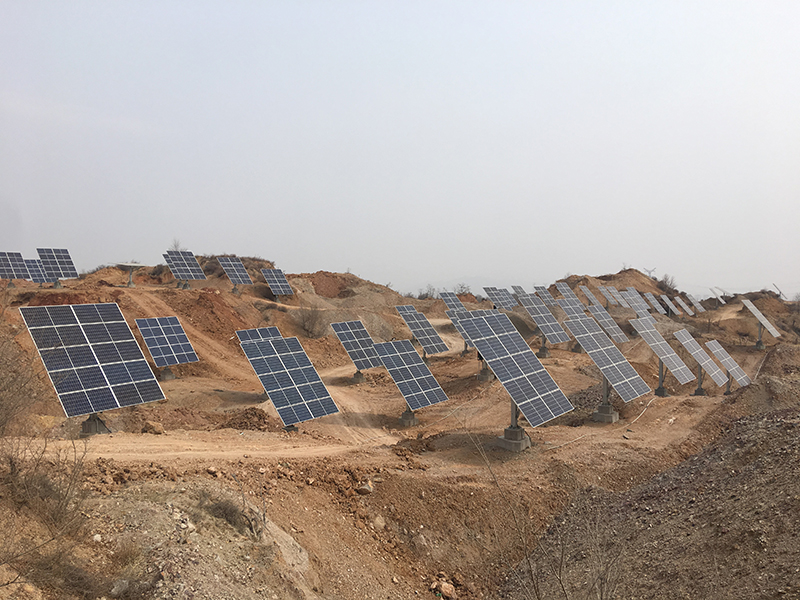
Complex slopes are no longer a barrier. Our modular design allows for independent row tracking, accommodating uneven landscapes with minimal civil works.
The next frontier for solar tracking is the integration of Artificial Intelligence (AI). By using weather forecast data and bifacial light sensors, our latest systems can perform "backtracking" to prevent shadows and optimize the "rear-side gain" of bifacial modules. This is critical for global enterprises looking to squeeze every possible kilowatt-hour from their investment.
International buyers today prioritize three factors: Reliability, Serviceability, and Compatibility. Shandong Zhaori ensures that all components are hot-dip galvanized for anti-rust treatment and utilize standardized parts for easy maintenance. Whether you are an EPC contractor in the USA or a utility developer in Brazil, our products are engineered to integrate seamlessly with all major PV module brands.
Our product principle is: More simple, more reliable, and more effective.
We provide perfect customized solutions and professional O&M (Operation and Maintenance) services based on our rich experience. Adhering to mutual benefits, we have built a stellar reputation among global customers for quality products and competitive prices.
 Zhaori