In the rapidly evolving landscape of renewable energy, the transition from fixed-tilt structures to advanced multi-axis solar tracking systems represents a paradigm shift in Levelized Cost of Energy (LCOE) optimization. While single-axis trackers have become a utility-scale standard, the demand for dual-axis and complex multi-axis configurations is surging, driven by the need for maximum energy density in geographically challenging regions.
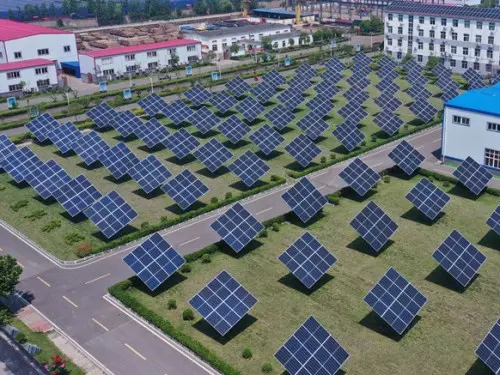
Dual-axis systems provide up to 35% - 45% higher energy yield compared to fixed systems by perfectly aligning modules with the sun's rays throughout the day and seasons.
Modern trackers utilize machine learning algorithms to adjust for diffuse light during cloudy days, maximizing "backtracking" efficiency to avoid inter-row shading.
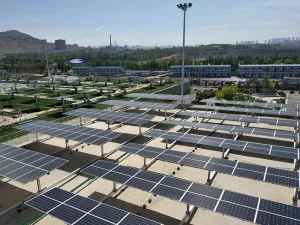
From the deserts of the MENA region to the high-latitude mountains of Northern Europe, multi-axis trackers are solving the spatial constraints of the modern grid.
Shandong Zhaori New Energy Tech. Co., Ltd. is a high-tech and new energy company based on independent intellectual property rights. Our company was founded in June 2012 and we have 10 departments includes R&D department, technical department, engineering department, production department, quality assurance department, development department, foreign trade department, domestic trade department, I.M.D. department and so on.
There are more than 60 professional technology talented employees in our company. And our team focuses on photovoltaic power stations and solar tracking technology for more than 10 years.
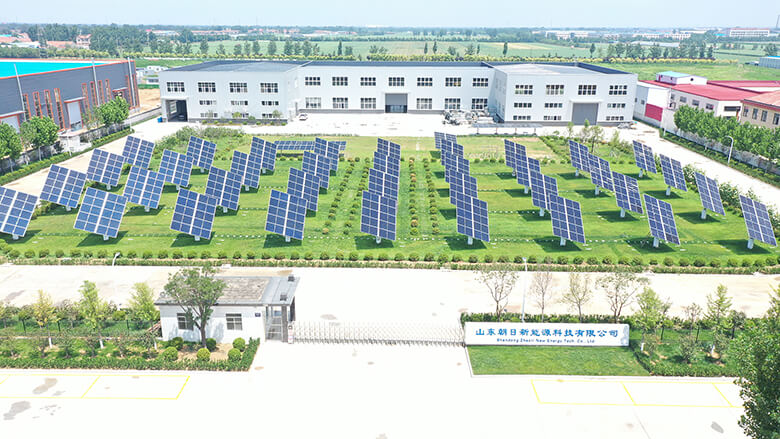
The manufacturing prowess of Shandong Zhaori New Energy is rooted in the "Industry 4.0" philosophy. With a production facility spanning 50,000 square meters, we integrate advanced robotics and data-driven quality control to ensure that every tracker meets the highest international standards.
By centralizing the supply chain in China's industrial heartland, we offer a unique Information Gain for our partners: the ability to provide high-performance tracking technology at a price point that makes large-scale dual-axis deployment economically viable for the first time.
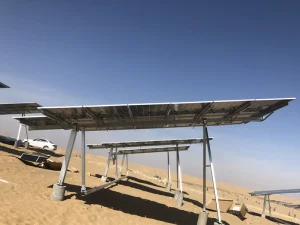
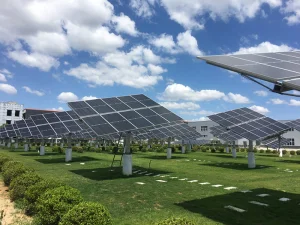
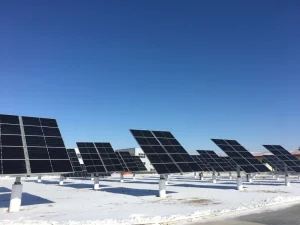
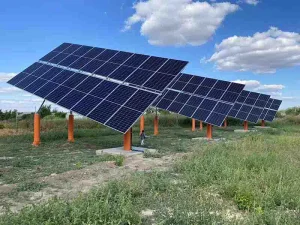
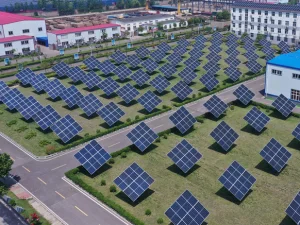
Designed for maximum sunlight capture. Our ZRD-10 and ZRD-08 models utilize a patented dual-axis movement that tracks both the azimuth and elevation of the sun, delivering peak energy efficiency.
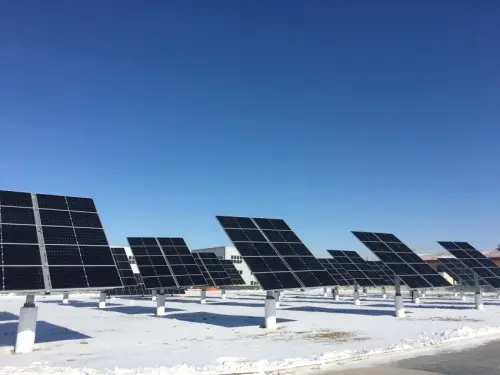
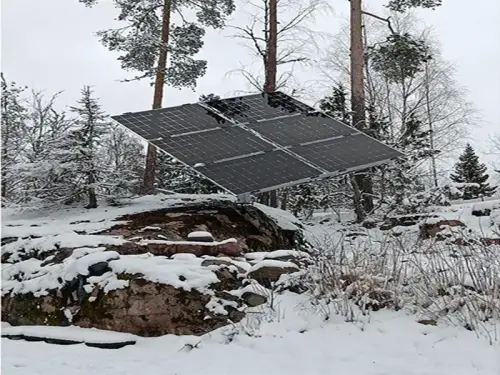
The ZRT-16 offers a hybrid approach, tilting the axis between 10° – 30° to optimize seasonal output. Ideal for high-latitude regions where the sun stays lower on the horizon.
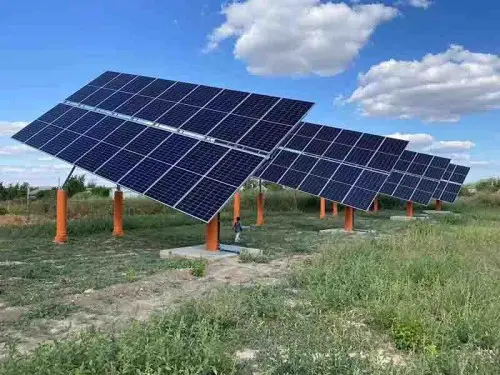
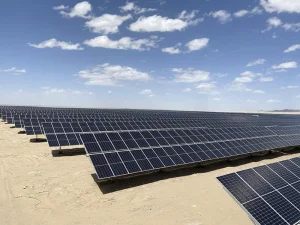
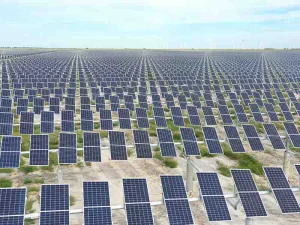
The workhorse of utility-scale solar. Available in 1P and 2P configurations, offering a 15% to 30% production gain with a focus on simplicity and low maintenance costs.
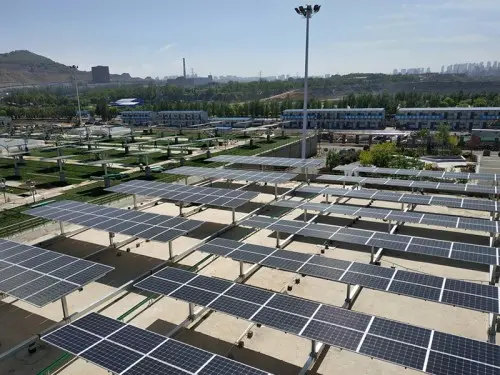
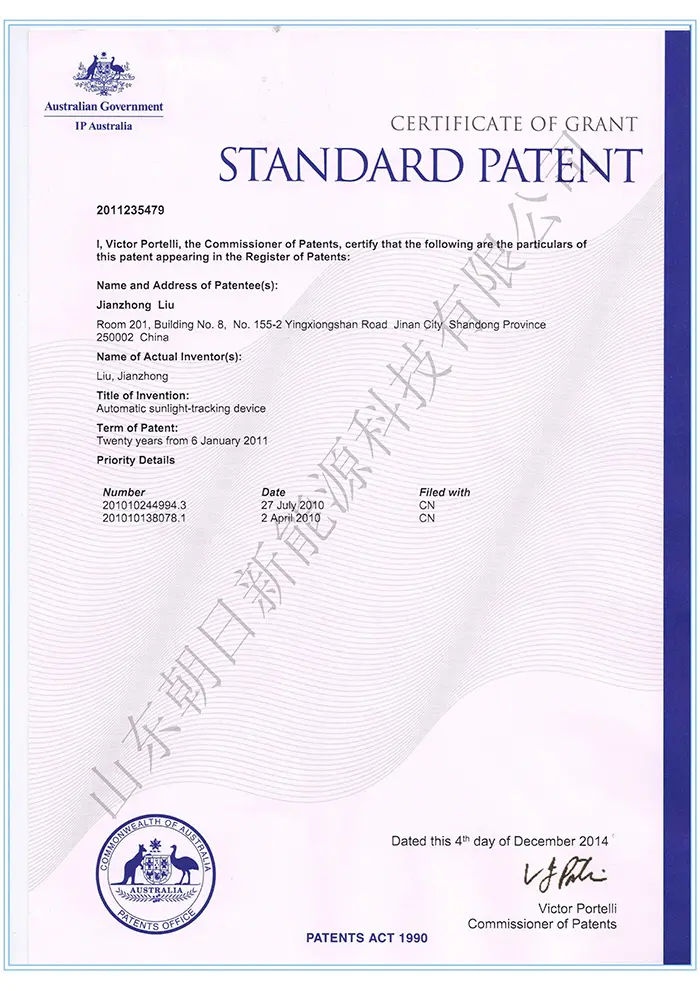
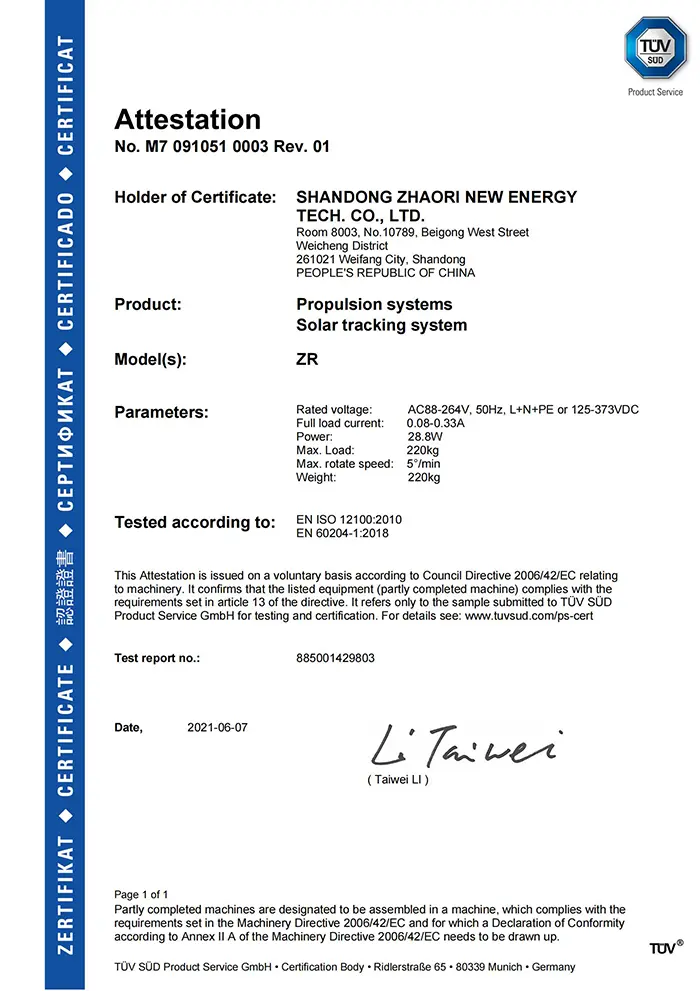
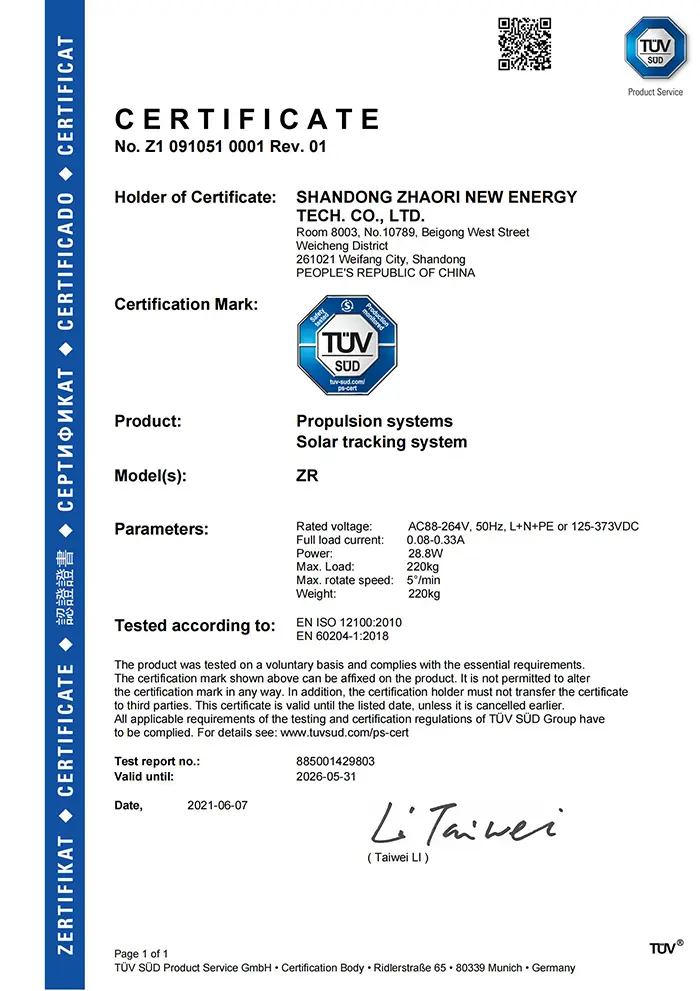
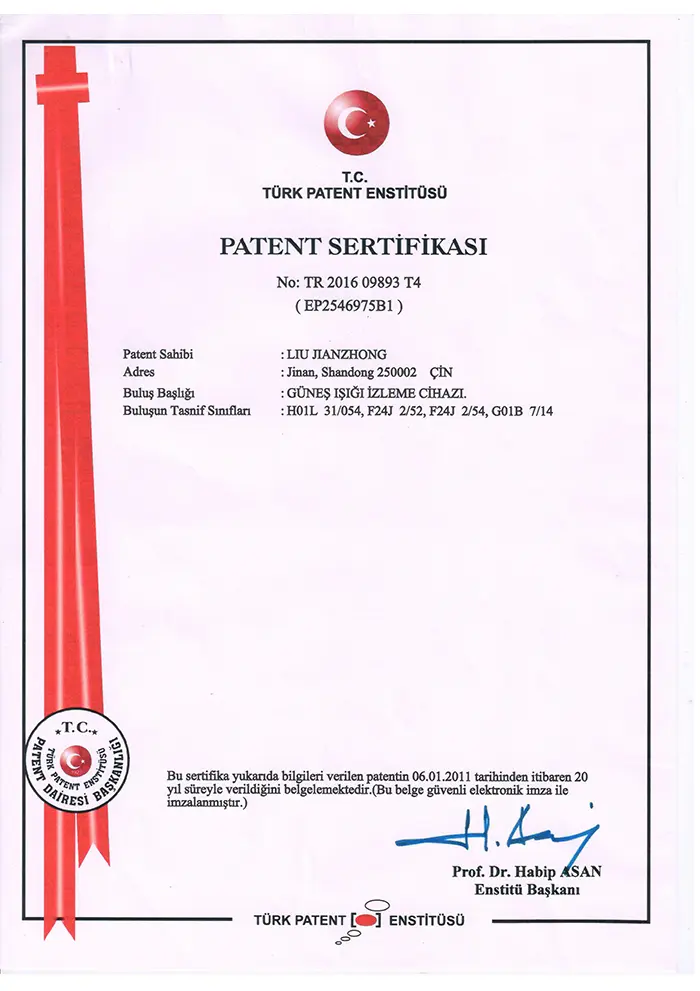
Global IP Protection & Certification: Our products have obtained patents of invention from the Europe Patent Office, the United States, Canada, Australia, Japan, South Korea, Thailand, India, Brazil, South Africa etc., as well as 8 Chinese National Invention Patents and more than 30 Utility model patents, and also obtained TUV, CE, ISO certification.
Years of R&D
Max Efficiency Gain
Global Patents
Monthly Production
Solar tracking is no longer reserved for vast desert utilities. In today's market, we see four distinct procurement trends:
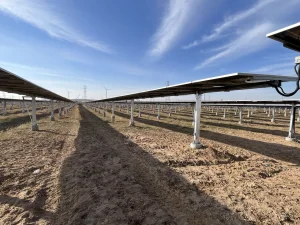
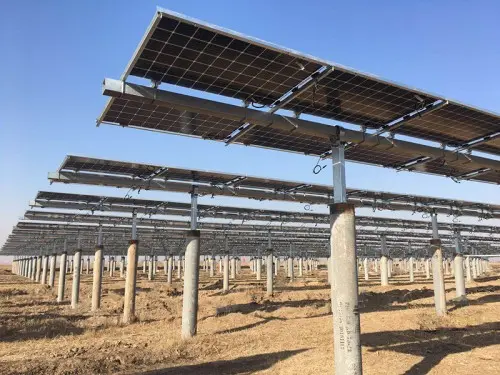
Projects like our 20MW desert installation demonstrate how multi-axis trackers resist sand accumulation and extreme heat while maintaining precision.
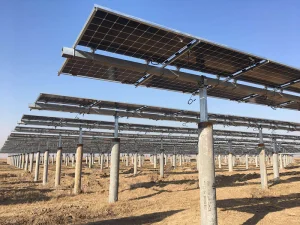
Dual-axis trackers allow for high ground clearance, enabling machinery to pass underneath and crops to grow, creating a dual-use land strategy.
Our tracking algorithms are optimized for bifacial modules, capturing albedo (reflected light) from the ground to boost energy harvest by an additional 5-10%.
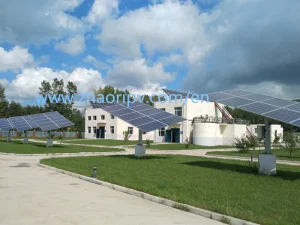
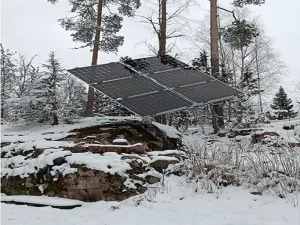
For remote areas, the ZRD-06 provides a compact, high-yield solution for independent power systems where space is limited but power needs are high.
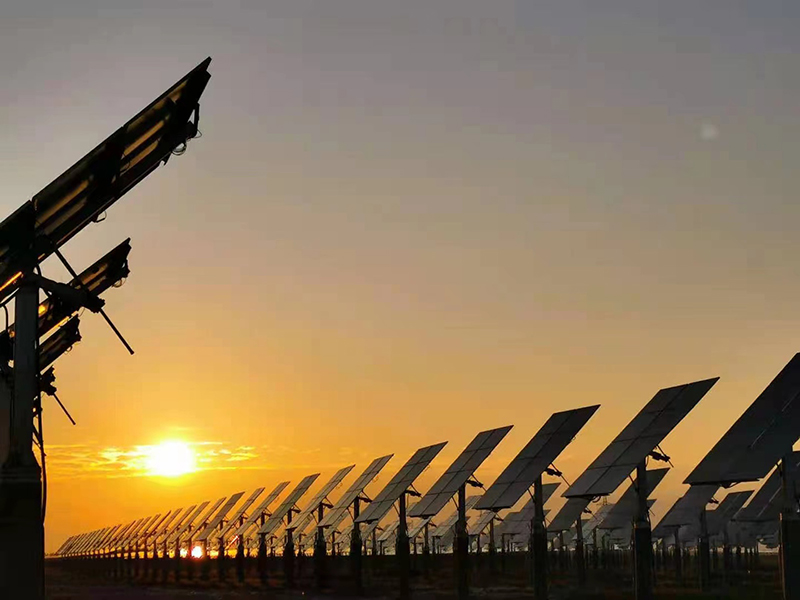
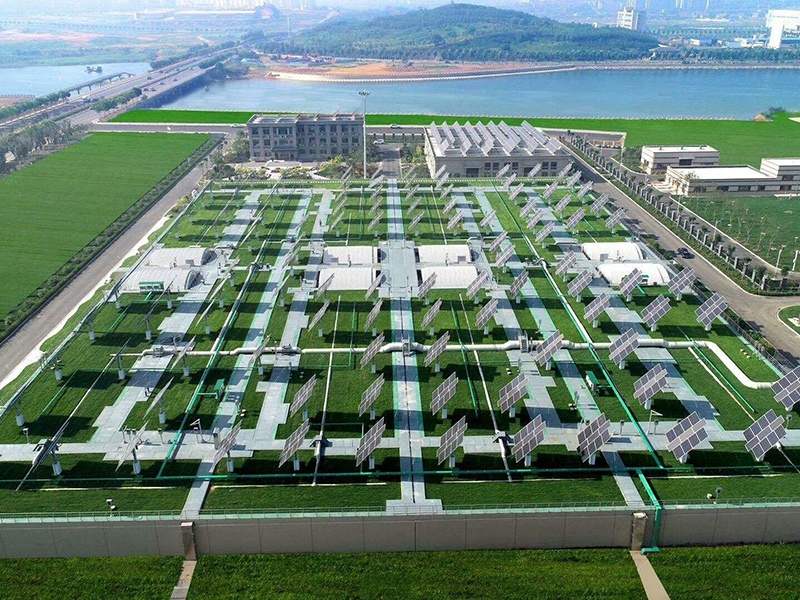
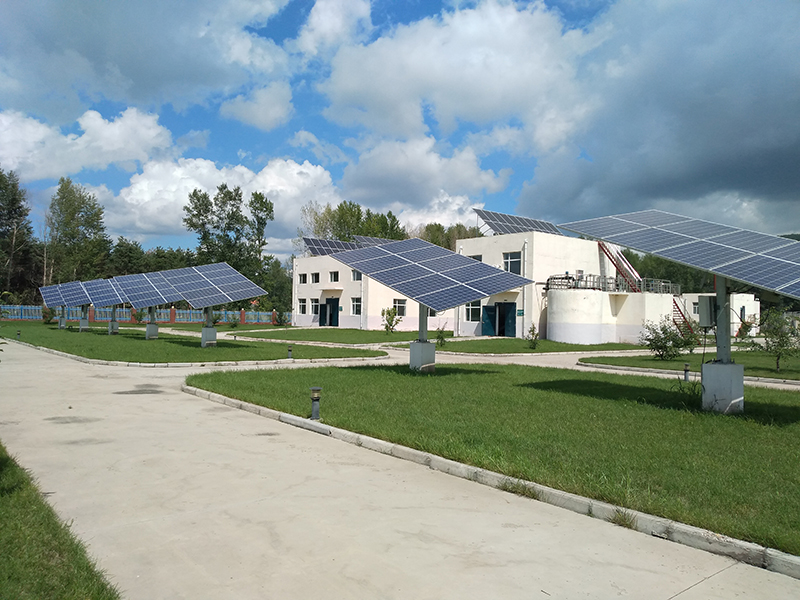
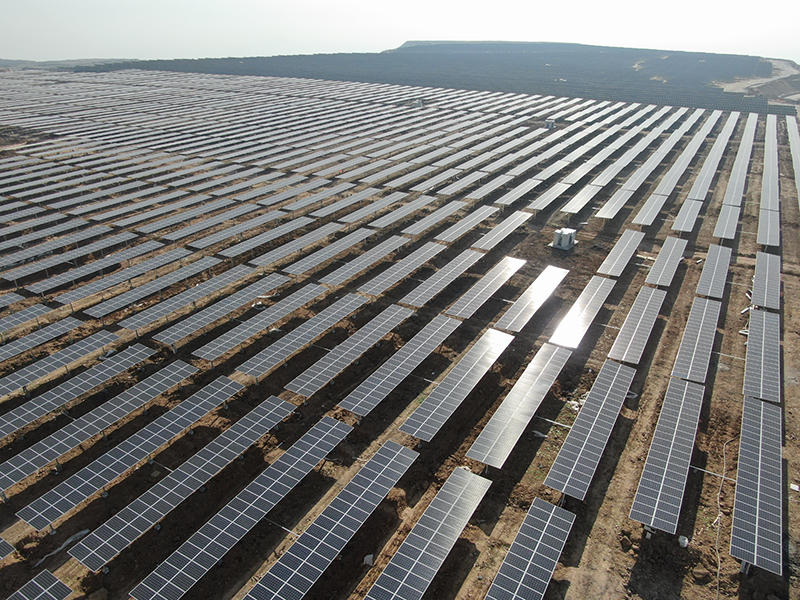
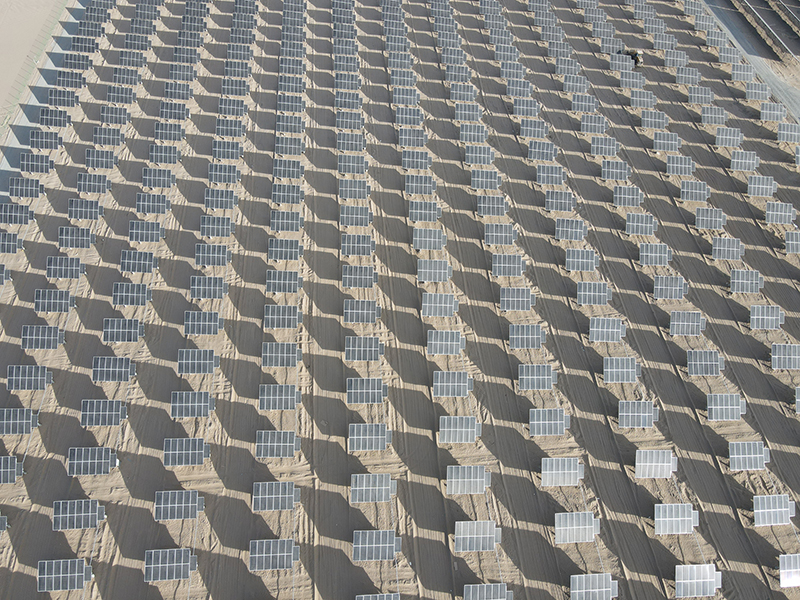
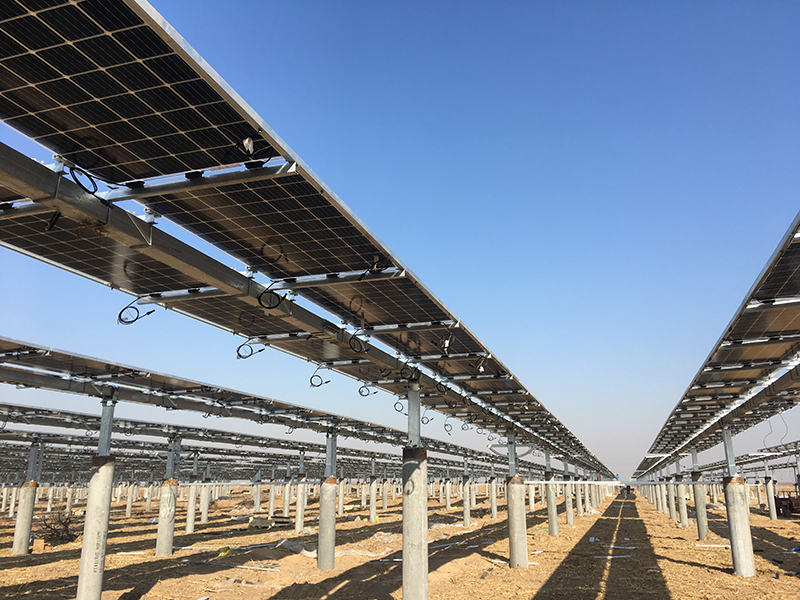
Dual-axis tracking offers the highest possible energy gain (up to 45% over fixed-tilt). It is ideal for regions with high electricity prices, limited land space, or high-latitude locations where sun angles vary significantly throughout the year.
Our trackers feature an "automatic stow" mode. When wind sensors detect speeds above safety thresholds, the panels automatically move to a horizontal position to minimize wind load. They are also designed to shed snow in winter climates.
Depending on local solar irradiance and energy costs, the payback period for our ZRD systems is typically 20-30% faster than fixed systems due to the massive increase in total kilowatt-hours produced per square meter.
Yes, we provide professional operation and maintenance training and remote monitoring solutions to ensure that your solar investment continues to perform at peak efficiency for its 25+ year lifespan.
 Zhaori