As the global energy transition accelerates, the demand for high-yield photovoltaic (PV) systems has reached unprecedented levels. While fixed-tilt and single-axis systems have dominated the market for years, the industry is seeing a paradigm shift toward Dual Axis Solar Trackers. According to recent market analysis, dual-axis technology provides an information gain of up to 40% in energy production compared to static systems, especially in high-latitude regions or areas with high Direct Normal Irradiance (DNI).
Modern Dual Axis Solar Tracker projects are no longer just mechanical structures; they are integrated AI-driven systems. By utilizing real-time astronomical algorithms and sensor-based feedback loops, these systems track the sun's azimuth and altitude with 0.1-degree precision. This level of optimization is crucial for maximizing the Return on Investment (ROI) for utility-scale projects and ensuring long-term bankability.
Dual-axis systems maintain a 90-degree angle to the sun at all times, capturing significantly more energy during early morning and late afternoon hours compared to single-axis alternatives.
Integration of machine learning algorithms allows for "backtracking" to avoid module shading and optimizes energy output even during cloudy or diffuse light conditions.
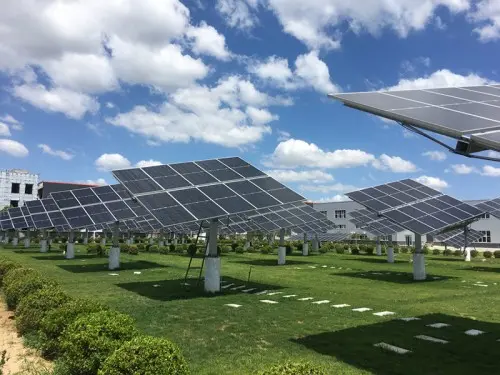
Unlike long single-axis rows, dual-axis trackers are individual units, making them ideal for mountainous, uneven, or irregularly shaped land parcels.
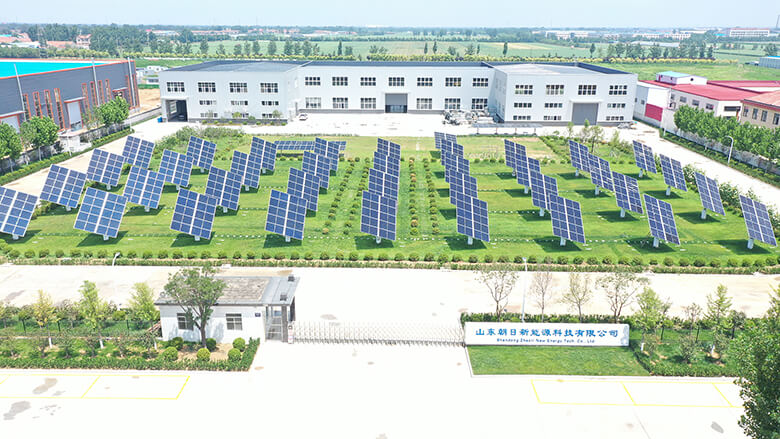
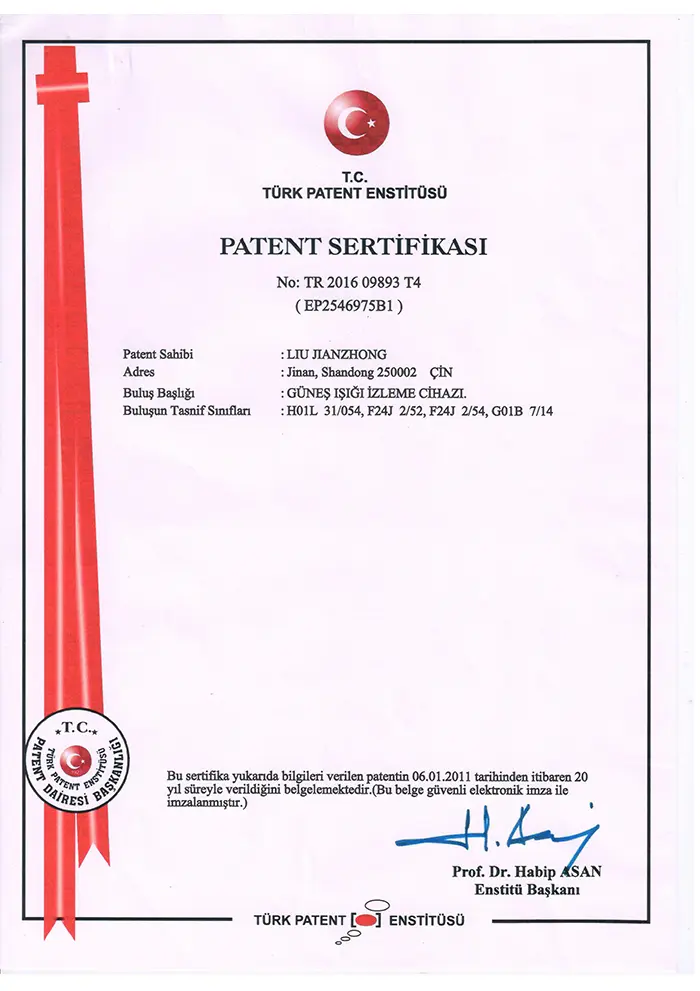
Shandong Zhaori New Energy Tech. Co., Ltd. is a high-tech and new energy company based on independent intellectual property rights. Founded in June 2012, we have established 10 specialized departments including R&D, Technical, Quality Assurance, and International Trade. Our team of over 60 professional technology talents has been dedicated to photovoltaic power stations and solar tracking technology for more than a decade.
Our factory covers an area of 50,000 square meters, equipped with advanced CNC machine tools, laser cutting machines, and automatic welding robots. With over 300 skilled production workers, we ensure that every dual-axis tracker meets the most stringent international standards.
We use high-grade galvanized steel and corrosion-resistant alloys to ensure a 25-year operational lifespan in harsh environments.
Automated plasma cutting and robotic welding ensure structural integrity and eliminate human error in high-stress joints.
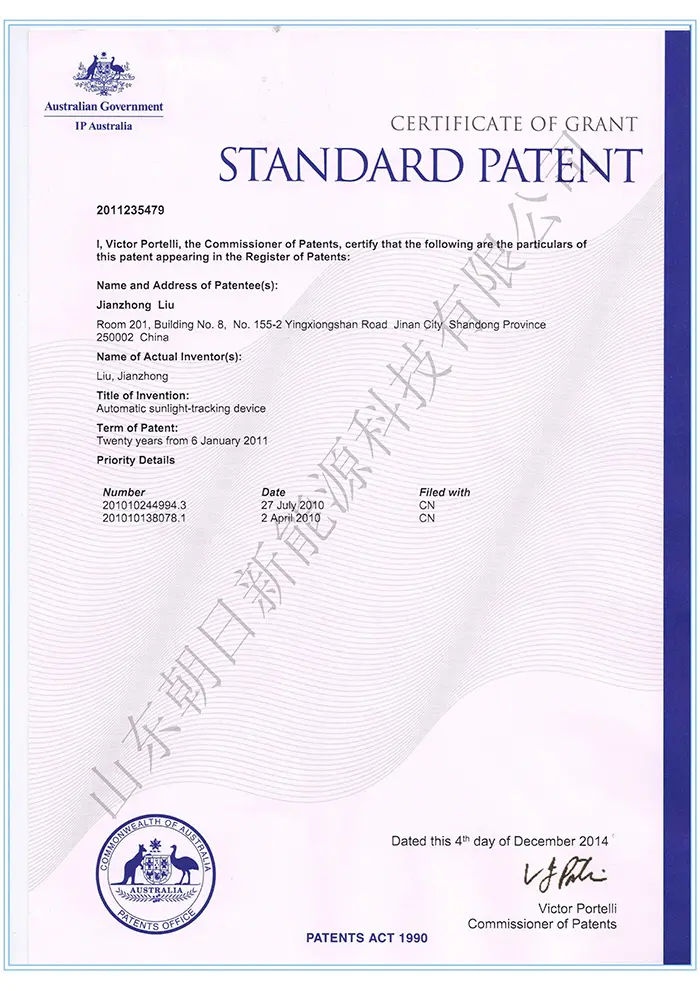
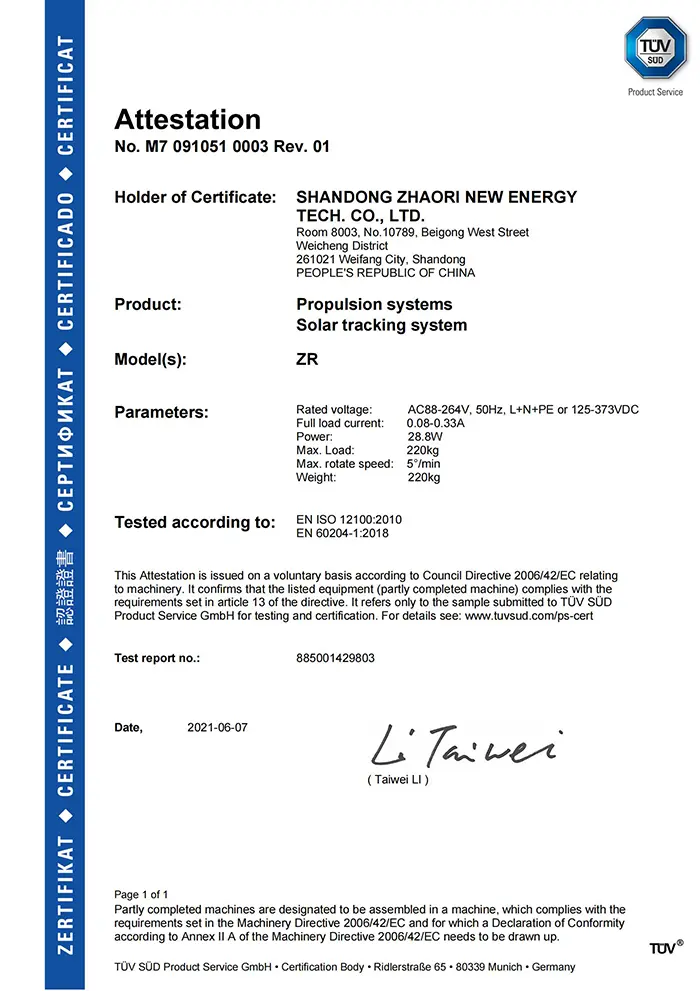
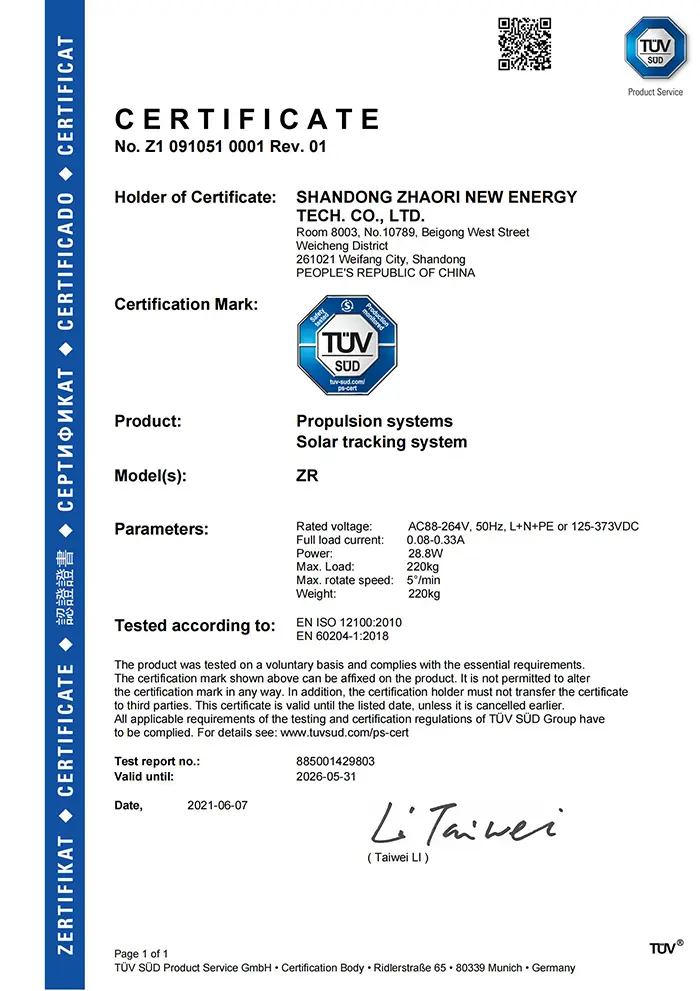
Our systems are TUV, CE, and ISO certified, meeting the safety and performance requirements of global markets including the US, EU, and India.
We provide comprehensive solutions tailored to diverse geographical and economic landscapes. Our approach integrates Local Support and Compliance Assurance to ensure seamless project execution.
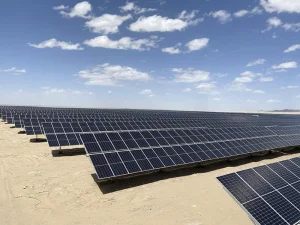
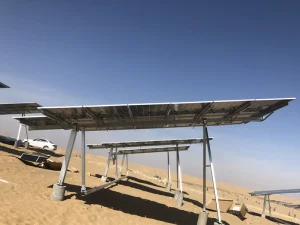
Our ZRD-10 and ZRD-08 systems feature specialized dust-resistant bearings and high-temperature lubricants, proven in 20MW+ projects in desert environments. The dual-axis movement helps naturally shed sand accumulation.
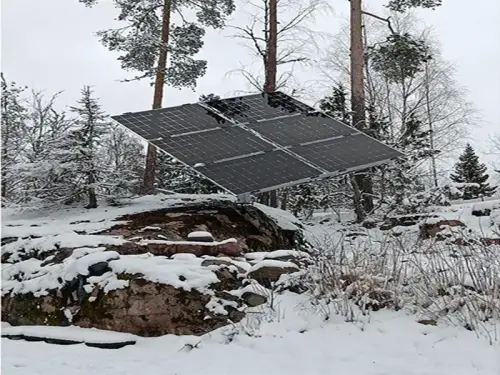
With smart sensors, our trackers automatically enter "stow mode" during extreme wind events or "snow shedding mode" to prevent structural overload. This proactive protection reduces insurance premiums and maintenance costs.
The high clearance of dual-axis pedestals allows for agricultural machinery to operate beneath the panels, creating a dual-use land strategy that increases overall land productivity.
Our R&D department is currently focusing on Wireless Mesh Control Systems and Self-Powered Tracking. By eliminating control cabling, we can reduce BOS (Balance of System) costs by 15%. Future iterations will feature integrated Bifacial-Optimization, where sensors adjust the tilt to capture reflected albedo light from the ground, further boosting efficiency by 5-8%.
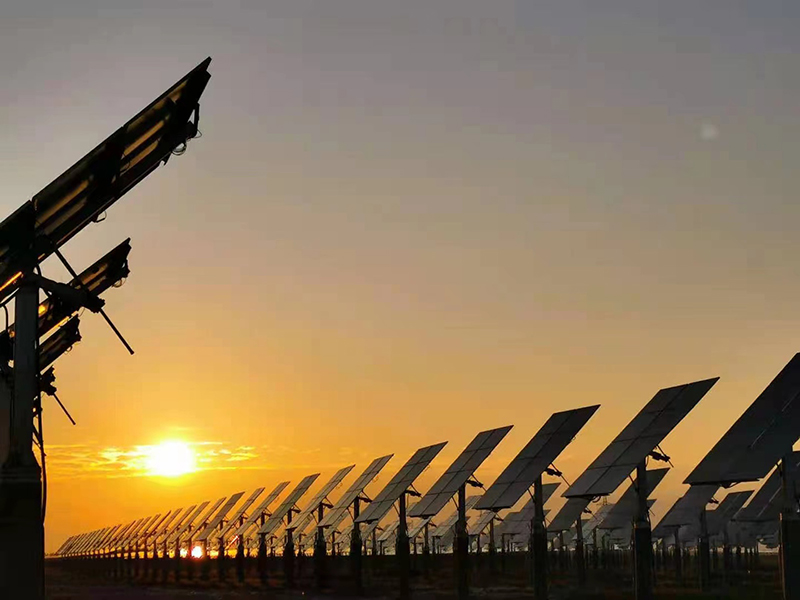
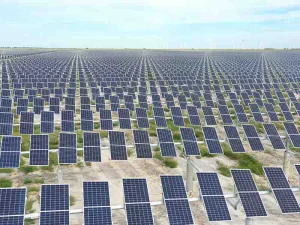
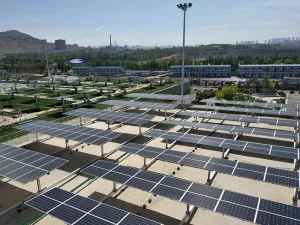
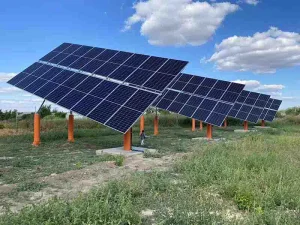
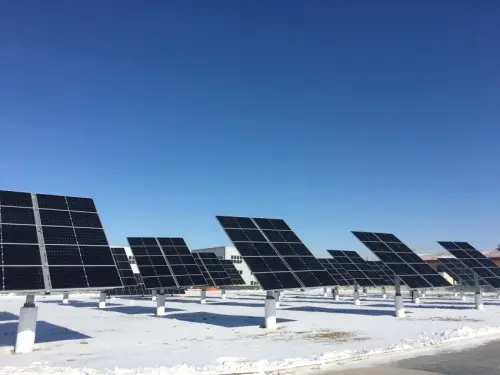
5MW Dual Axis Project in North China
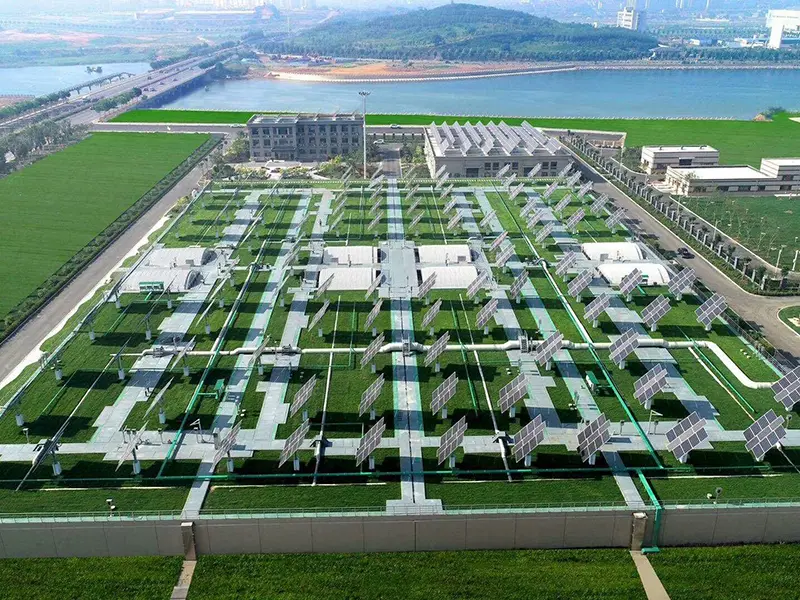
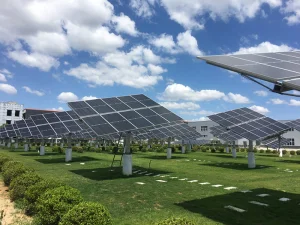
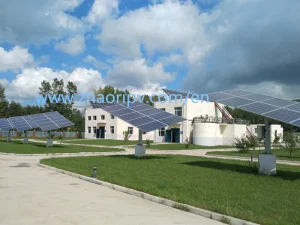
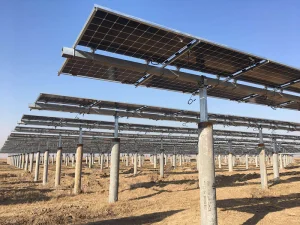
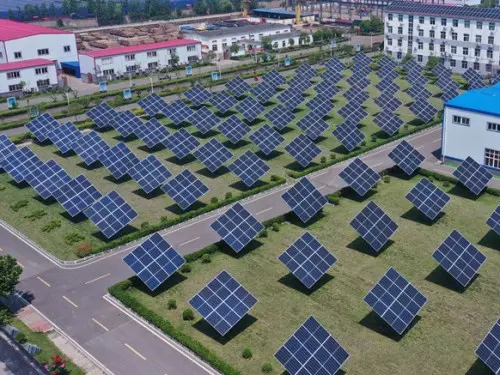
Industrial Factory Integration
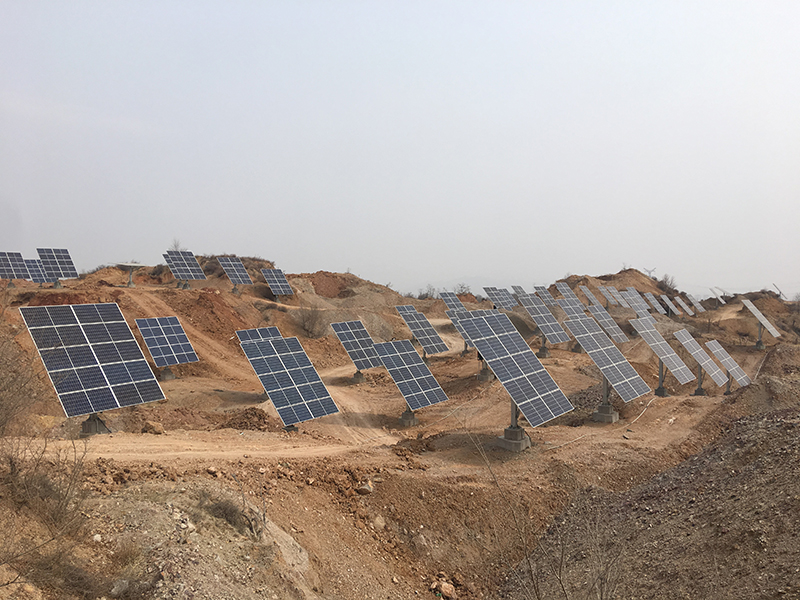
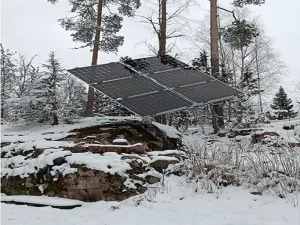
Complex Mountain Terrain Solution
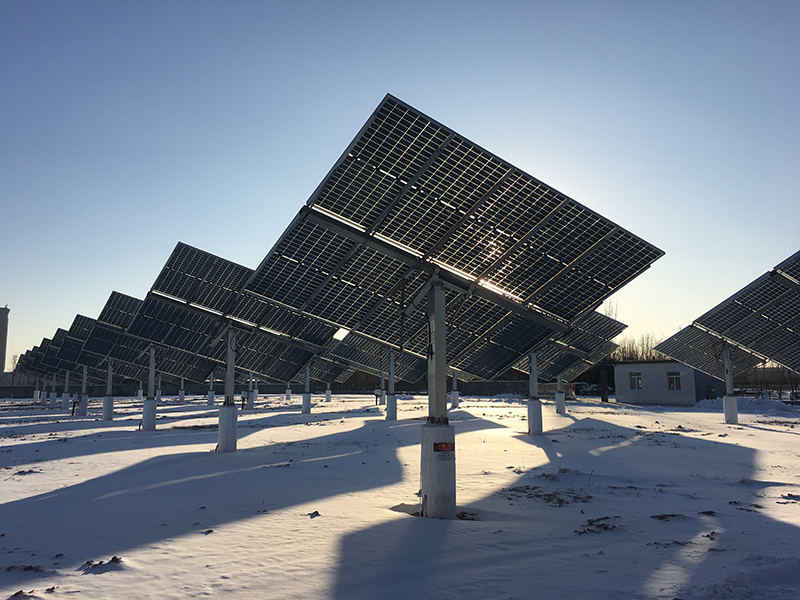
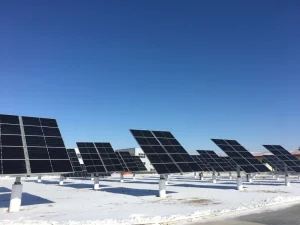
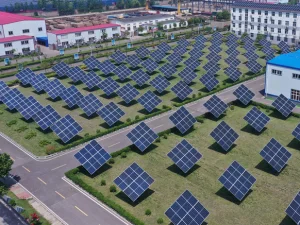
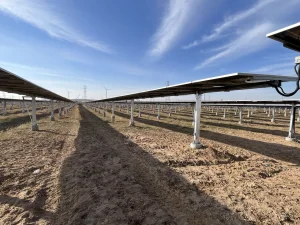
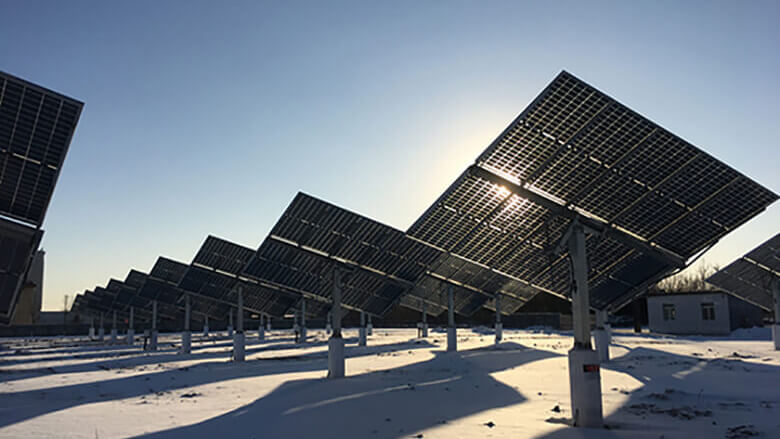
Solar Tracker Performance After Snow
A: Depending on the location's latitude and DNI, our dual-axis systems typically provide a 30% to 45% increase in energy yield compared to fixed-tilt systems, and 15% to 20% more than single-axis trackers.
A: Our "More Simple, More Reliable" design philosophy minimizes moving parts. General maintenance involves a semi-annual inspection of the drive system and sensor calibration, which can be performed by local technicians with our remote support.
A: Yes! Our latest ZRD series is optimized for bifacial modules, with high clearance and minimized structural shading on the rear side to maximize albedo gain.
A: Absolutely. We provide customized engineering drawings, local grid compliance documentation, and on-site supervision for installation and commissioning worldwide.
 Zhaori