In the rapidly maturing global solar market, the transition from fixed-tilt structures to advanced Axis Solar Systems represents the single most significant lever for reducing the Levelized Cost of Energy (LCOE). As we move into 2025, the demand for high-precision 1P/2P single-axis and high-gain dual-axis trackers is surging, driven by the proliferation of bifacial modules and AI-integrated backtracking algorithms.
This white paper, presented by Shandong Zhaori New Energy Tech. Co., Ltd., analyzes the technical roadmap, supply chain resilience, and economic incentives that define the modern solar tracker industry.
Modern axis systems no longer rely solely on astronomical data. Our next-gen ZRP systems utilize diffuse radiation sensors and machine learning to optimize the "stow" position during inclement weather and eliminate row-to-row shading on uneven terrain.
With bifacial modules becoming the standard, our 2P flat single-axis trackers are engineered to minimize rear-side shading, increasing the "bifacial gain" by up to an additional 8% compared to traditional trackers.
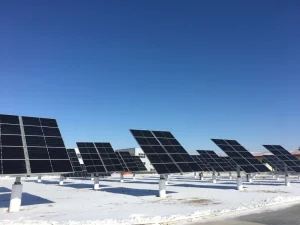
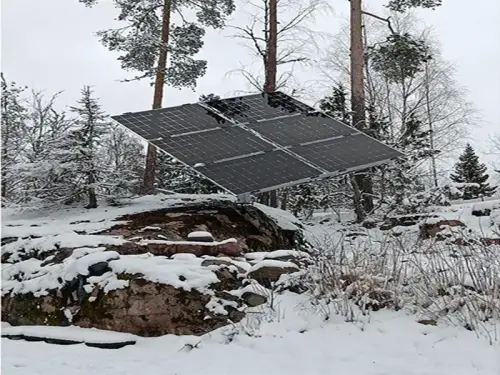
Future-proofing involves extreme weather mitigation. Our ZRD dual-axis systems feature high-wind survival modes, utilizing aerodynamic dampening and reinforced steel to withstand gusts of up to 200 km/h.
Shandong Zhaori New Energy Tech. Co., Ltd. is a high-tech and new energy company based on independent intellectual property rights. Founded in June 2012, we operate with 10 specialized departments including R&D, Technical Engineering, Quality Assurance, and Global Trade.
With over 60 professional technology talented employees, our team has pioneered solar tracking technology for over a decade. Our principle is simple: More Simple, More Reliable, More Effective.
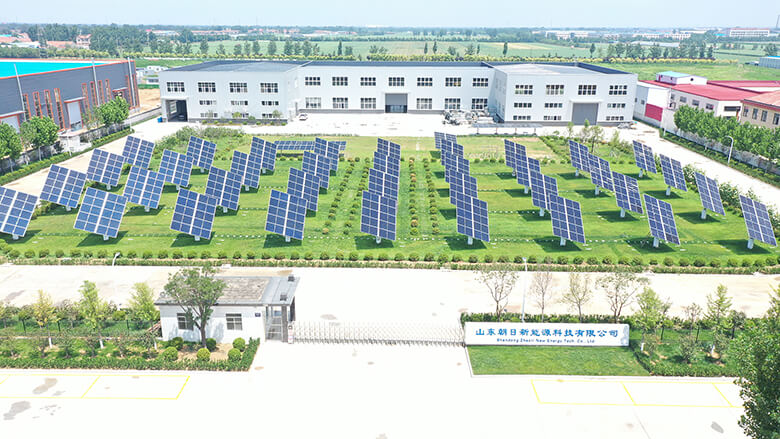
Our facility covers an expansive 50,000 square meters. This is not just a factory; it is a smart manufacturing hub equipped with:
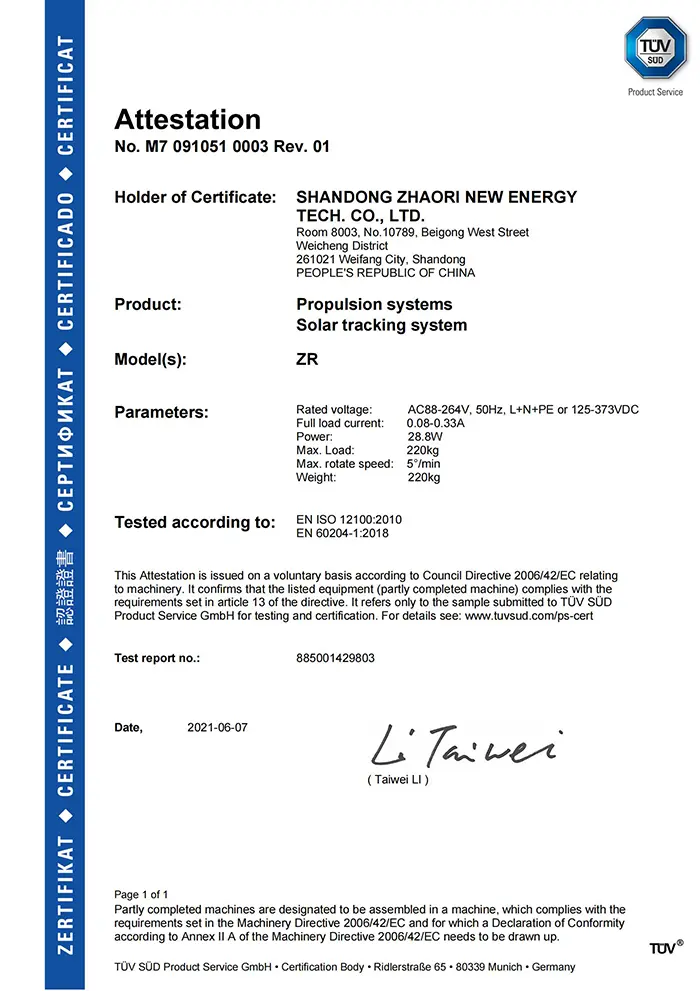
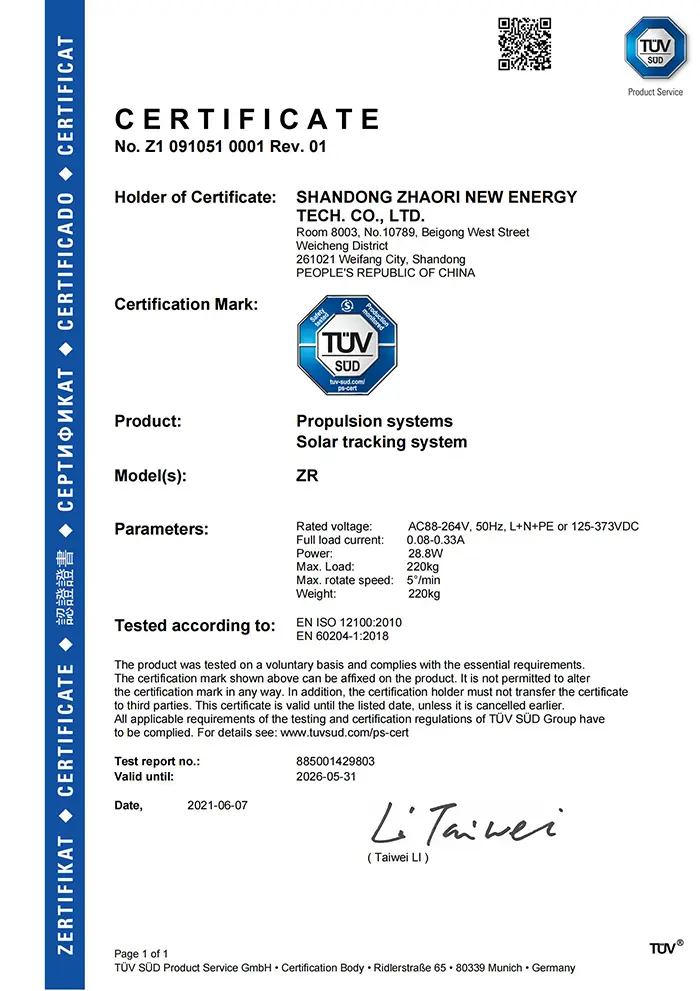
Every product undergoes a rigorous screening process: from raw material anti-rust treatment to final post-processing inspection, ensuring compliance with ISO and TUV standards.
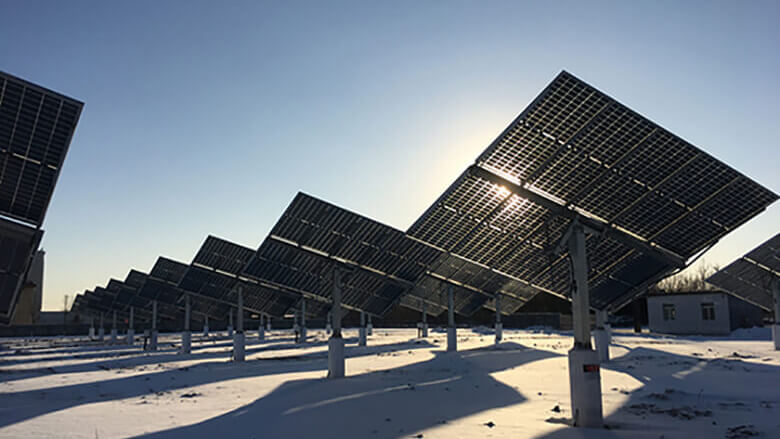
We provide tailor-made solutions for diverse geographic and economic requirements.
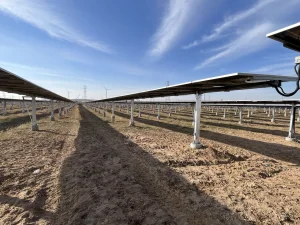
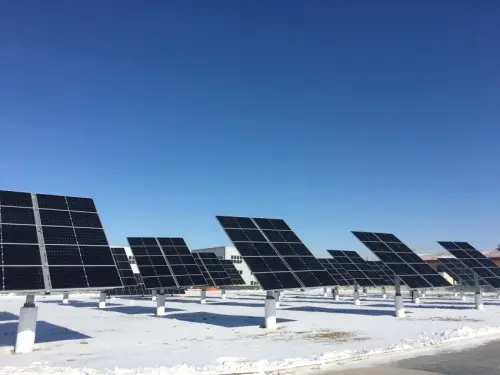
Optimized for desert and flatlands. Our 40MW projects in desert regions utilize flat single-axis trackers with inclined modules to maximize land-use efficiency and withstand sand abrasion.
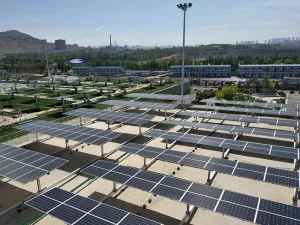
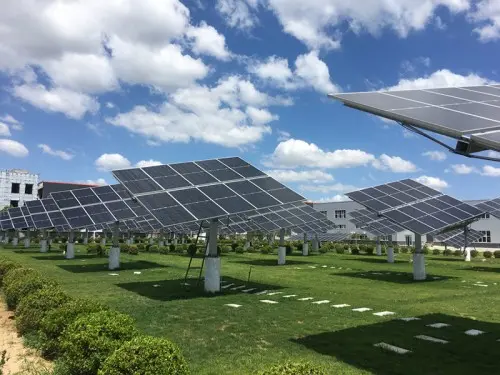
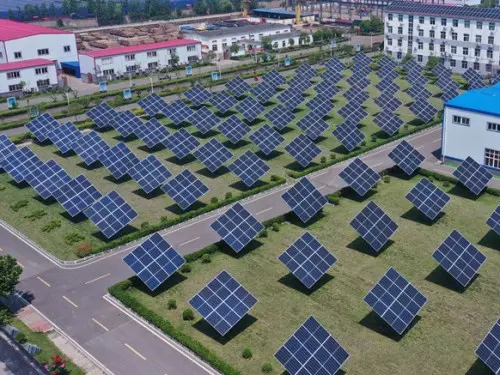
Focus on ROI. We provide lightweight, high-yield dual-axis trackers like the ZRD-08 for factory rooftops and green belts, ensuring maximum power density.
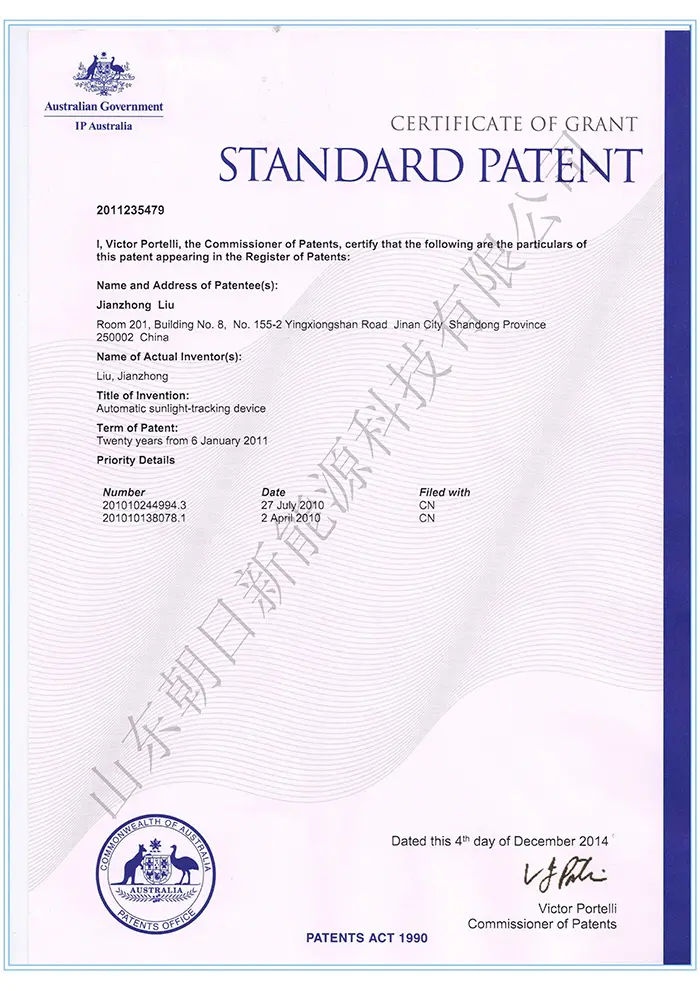
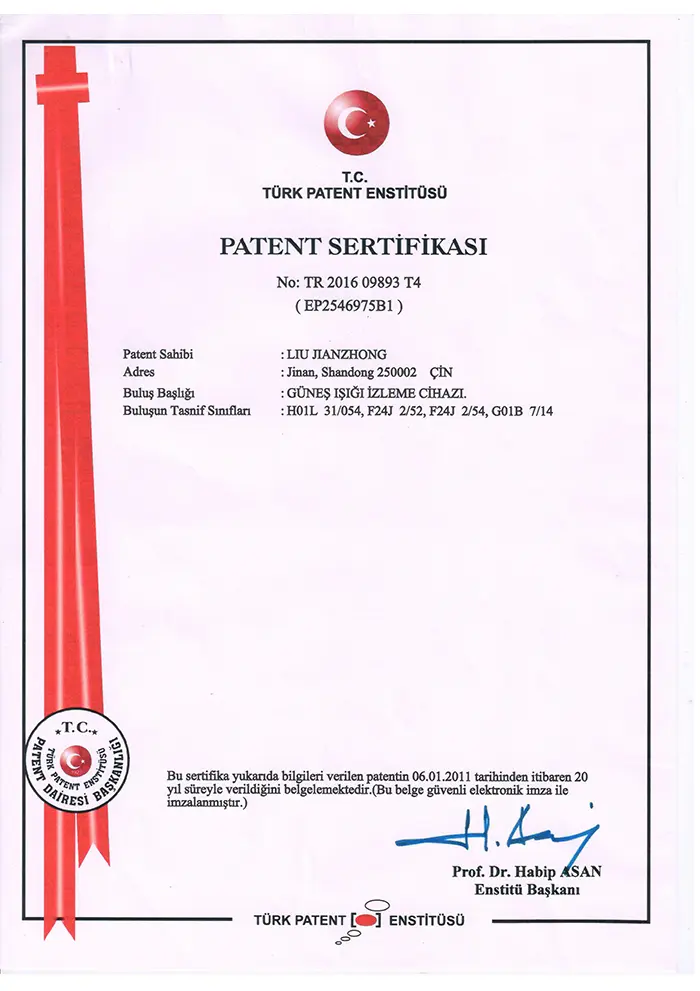
With patents in the USA, Europe, Japan, Australia, India, and Brazil, we offer more than hardware. We provide local legal compliance and technical operation & maintenance (O&M) services.
For procurement officers and EPC contractors, selecting a supplier involves deeper metrics than just the initial quote. Here is the 2025 "Information Gain" checklist:
Ensure suppliers use hot-dip galvanized steel with a coating thickness of at least 80μm. This is critical for 25-year lifespans in humid or saline environments.
Does the system use slewing drives or linear actuators? Our ZRD-10 uses high-torque slewing drives capable of multi-axis movement with zero backlash.
Can the tracker interface with your SCADA system? Our controllers support Modbus and wireless Zigbee/LoRa protocols for remote monitoring.
Avoid legal hurdles. Shandong Zhaori holds 8 National Invention Patents and 30+ Utility patents, protecting your investment globally.
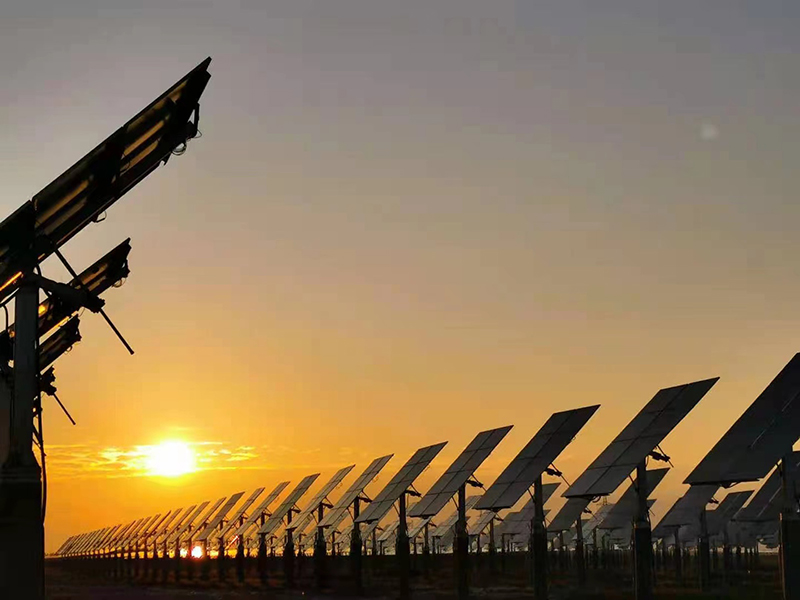
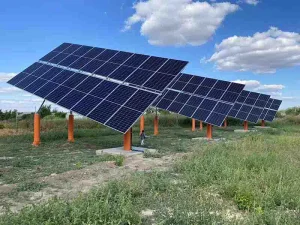
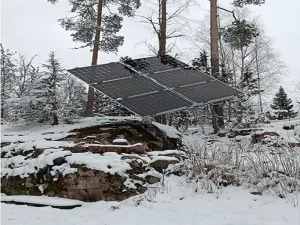
5MW Dual Axis Project (North China)
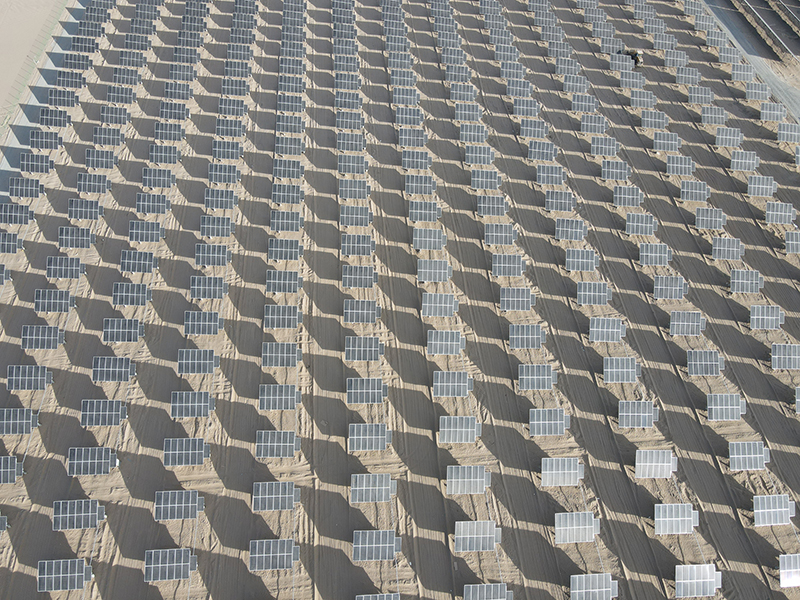
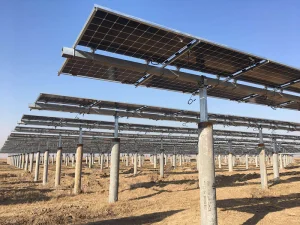
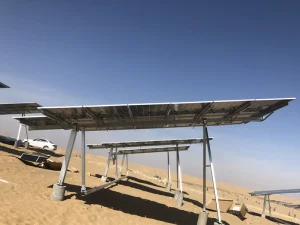
20MW Tilted Single Axis (Desert)
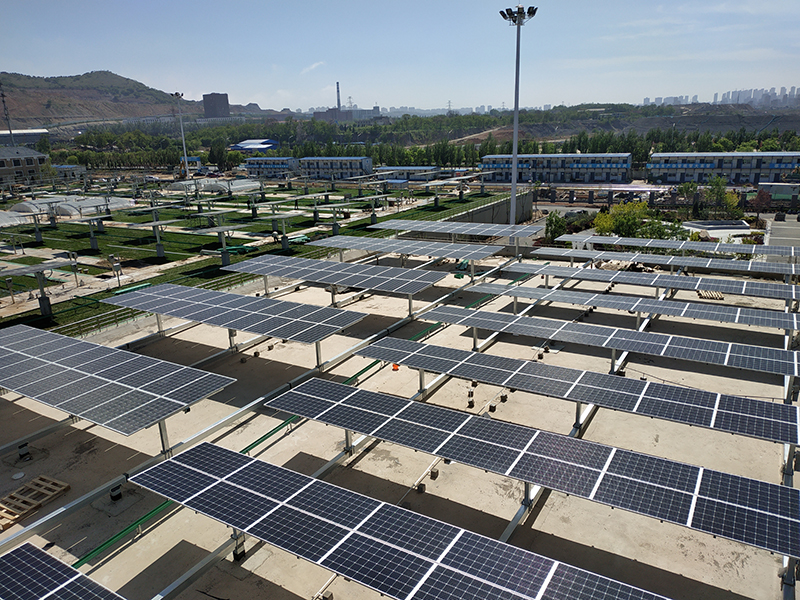
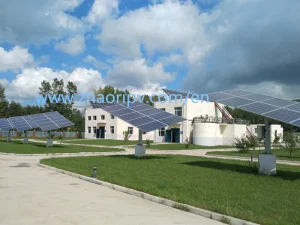
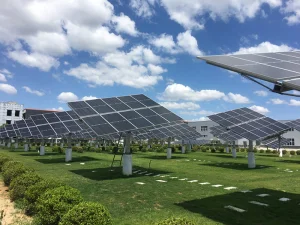
High-Yield Industrial Roof Project
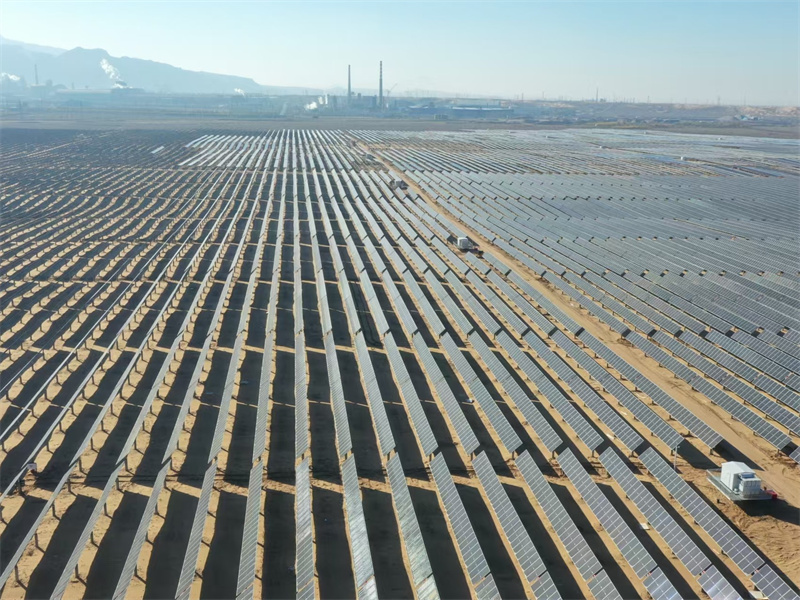
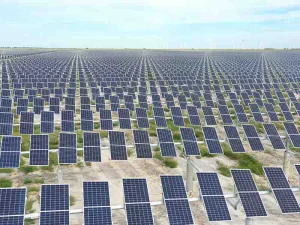
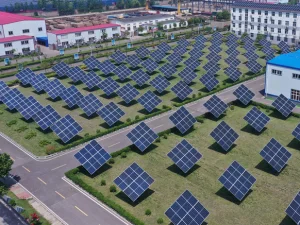
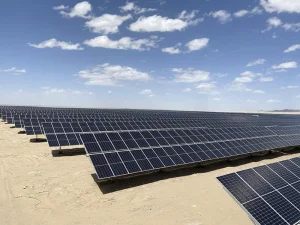
360MW Single Axis Utility Project
A: While a single-axis system typically increases yield by 15-25%, a dual-axis system like the ZRD-10 can increase power generation by 30-40% by maintaining a perfect 90-degree angle to the sun throughout the day.
A: Our systems are designed for low maintenance. Slewing drives are sealed for life, and our AI controllers provide diagnostic alerts if any motor deviates from its expected current draw, allowing for predictive maintenance.
A: Yes, our ZRP series is specifically designed with a high-clearance torque tube and wide-gap module mounting to maximize the albedo effect on the rear side of N-type bifacial modules.
 Zhaori