Explore our top-performing tracking configurations, dynamically calculated to match the coastal atmosphere, cloud properties, and soil parameters of Lima, Peru.
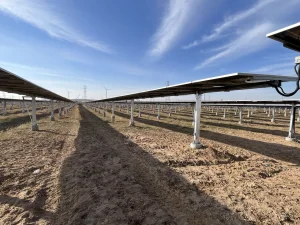
Designed for high stability and optimal tracking. Ideal for coastal environments with robust mechanical components that resist wind load challenges.
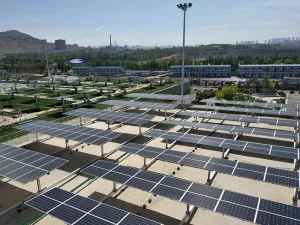
Features a 2-in-portrait design that maximizes bifacial gain. Highly efficient layout designed to lower structural costs per megawatt.
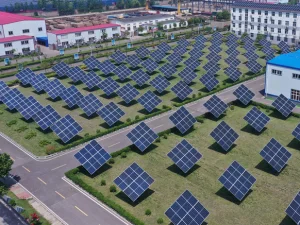
Employs dual-axis mechanics to align directly with the solar azimuth, boosting overall yield by up to 35%–40% compared to traditional structures.
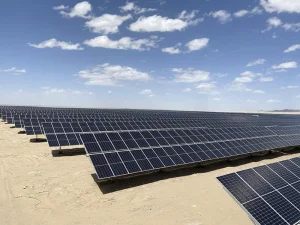
Cost-efficient structural solution with seasonal angle adjustments, providing localized rigidity in highly seismic zones like coastal Peru.
The energy profile of Peru's coastal hub is transitioning rapidly. In metropolitan Lima and nearby industrial zones like Lurín, Chilca, and Ancón, massive commercial growth demands stable, cost-efficient, and sustainable electricity. While historical solar arrays utilized fixed structures, developers are turning to Flat Single Axis Solar Trackers to address the region's specific solar footprint.
Lima's geography presents unique atmospheric factors: high coastal humidity, periods of morning fog (locally known as garúa), and high solar radiation when the fog clears. Single-axis trackers optimize the incident angle dynamically, capturing maximum solar irradiation during cloudy hours. By integrating tracking systems, projects achieve substantial yield improvements, increasing localized ROI by up to 25% over fixed installations.
Industrial scale systems require robust technologies that mitigate high diffuse light levels. Our tracking systems combine real-time sensor control with smart backtracking algorithms to optimize generation profiles under dense coastal skies, converting Lima's unique weather into a consistent solar resource.
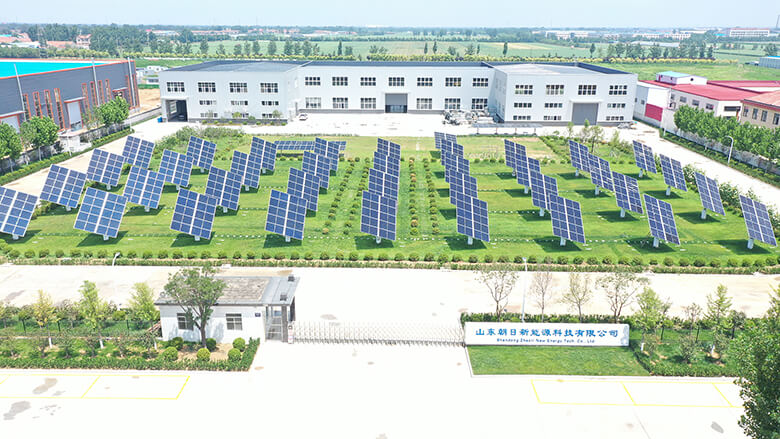
Engineering solar structures for Lima requires managing dual environmental threats: Zone 4 seismic activity and severe marine corrosion.
Lima's high humidity and salt air demand premium protective finishes. Our tracker systems are treated with Hot-Dip Galvanized (HDG) coating exceeding 85μm or specialized Zinc-Aluminum-Magnesium (ZAM) structural options, certified to provide 25+ years of design life without premature rust degradation.
Peru sits squarely in the Pacific Ring of Fire. Our flat single-axis trackers are engineered in compliance with National Building Code E.030 and ASCE 7-16 structural load configurations, utilizing robust dampening configurations and locking mechanisms to resist seismic waves.
Although coastal winds in central Peru are generally moderate, ocean gusts can occur. Our tracking systems feature automatic wind stowing sequences that realign panels to a safe low-profile angle when wind speeds exceed thresholds, protecting modules and mounting frames from damage.
Years of Tracking R&D
Sqm Factory Footprint
Monthly Manufacturing Output
Utility Model Patents
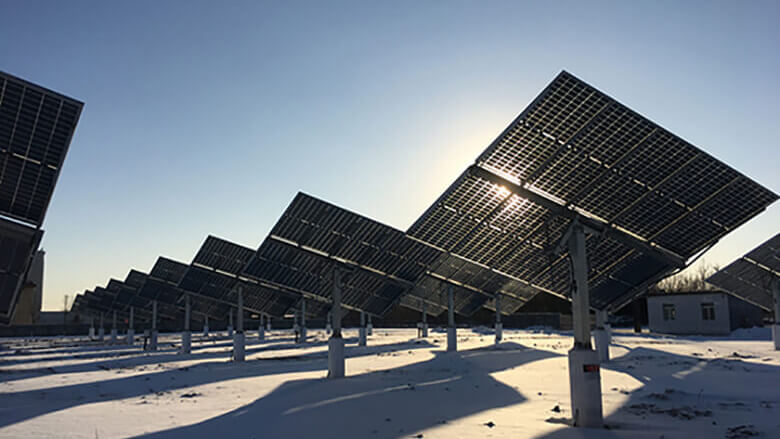
Shandong Zhaori New Energy Tech. Co., Ltd. is a high-tech and new energy company based on independent intellectual property rights. Our company was founded in June 2012 and we have 10 departments including R&D department, technical department, engineering department, production department, quality assurance department, development department, foreign trade department, domestic trade department, I.M.D. department and so on. There are more than 60 professional technology talented employees in our company. And our team focuses on photovoltaic power stations and solar tracking technology for more than 10 years.
Our factory covers an area of 50,000 square meters, with a series of advanced production equipment, such as CNC machine tools, laser cutting machines, automatic welding robots, plasma machines, and dozens of production lines. There are more than 300 production workers and our production per month will be 500MW. The products are manufactured from raw material screening, cutting, welding, forming, anti-rust treatment, post-processing, inspection and packaging, with strict quality control and level by level control, and in strict accordance with the requirements of quality management system certification.
Selecting the correct flat single-axis tracker layout involves evaluating land utilization, soil conditions, and chosen module types. Shandong Zhaori offers both configurations to suit different requirements.
1P Flat Single Axis Trackers: Known for mechanical stability, 1P configurations arrange modules in a single portrait line. They sit lower to the ground, which minimizes wind shear and lowers torque loads on the central drive shaft. This design is highly suitable for areas in Lima with loose, sandy coastal soil, where reducing footing depths reduces engineering and structural costs.
2P Flat Single Axis Trackers: Our 2P designs arrange modules in two portrait rows per tracker. 2P trackers reduce the total number of foundations required, lowering steel fabrication and pile driving costs. They are highly compatible with modern high-power bifacial solar modules, allowing back-side generation to capture diffuse light reflected off light-colored sandy terrains.
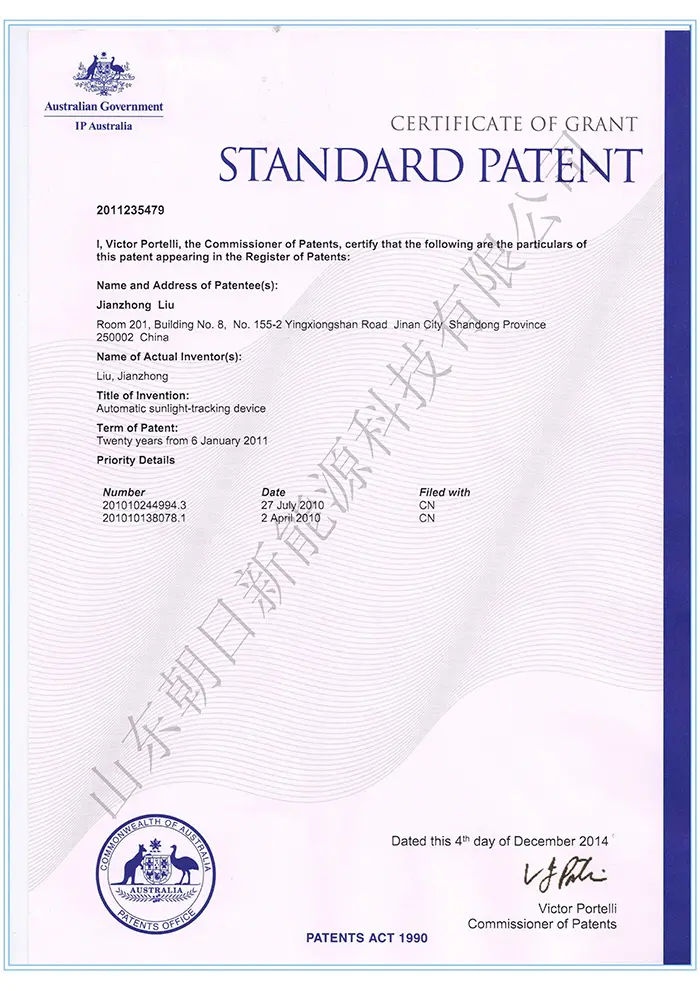

A comprehensive portfolio of tracking systems and fixed brackets engineered to maximize yield under diverse site topologies.
Offers efficient mechanical linking, allowing dozens of solar modules to be adjusted by a single motor core, reducing maintenance costs.
A balanced tracking solution offering manual control over seasonal adjustments alongside autonomous daily single-axis tracking.
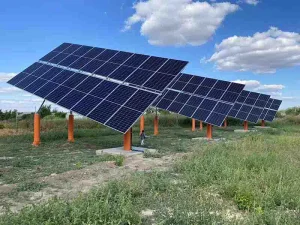
Features a tilted rotational axis that tracks the sun's trajectory. Increases annual power generation by 15% to 25% over standard configurations.
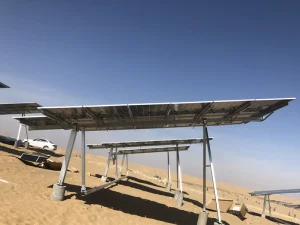
Designed for areas at mid-to-high latitudes. Combines axis-angle optimization with structural reinforcements to handle heavy wind loads.
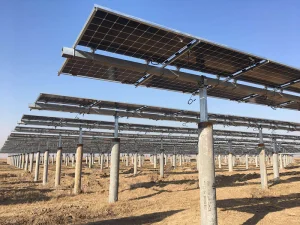
An industrial-grade flat tracker featuring strong structural steel framing, wind sensor integration, and reliable backtracking algorithms.
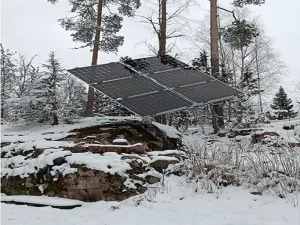
Compact dual-axis system engineered for smaller distributed commercial sites or off-grid infrastructure seeking optimized efficiency.
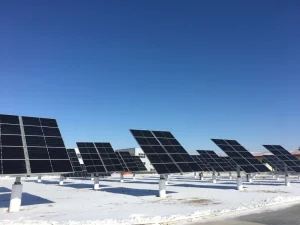
A heavy-duty tracking system that handles large-format high-wattage modules. Delivers optimal structural support and wind protection.
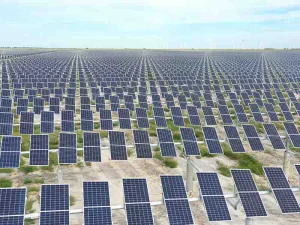
Combines flat-axis rotation with tilted module mounting configurations to maximize solar collection at specific latitudes.
Modern solar tracking technology is incorporating smart algorithms and adaptive tracking controls. In complex environments, flat single-axis trackers use closed-loop feedback systems powered by AI controllers to dynamically adjust parameters based on environmental variables.
Integrated Artificial Intelligence (AI) Tracking: Rather than relying solely on predetermined astronomical tables, next-generation tracking systems use real-time irradiance sensors to evaluate cloud cover. On overcast days in Lima, this system adjusts the modules to face the brightest part of the sky, capturing more diffuse light. When conditions clear, the tracker returns to direct alignment, maximizing output across varied weather conditions.
Three-Dimensional (3D) Smart Backtracking: Rolling terrain or slight slope variations can cause rows of modules to shade adjacent rows early or late in the day. Our advanced backtracking algorithms calculate slope variations to ensure trackers adjust individually, eliminating shading and maximizing output at low sun angles.
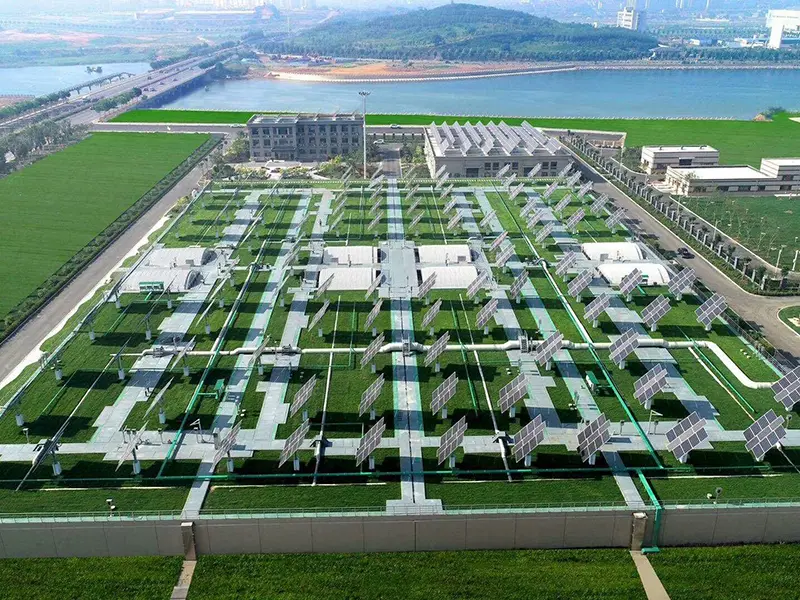
Explore some of our major utility and commercial installations operating reliably in diverse and challenging climates.
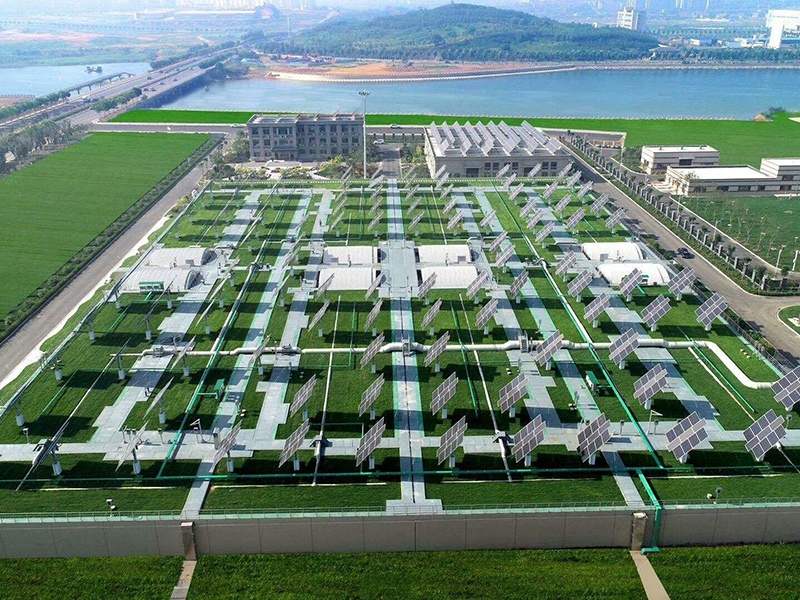
Utilizing high-stability trackers to handle high seasonal wind loads.
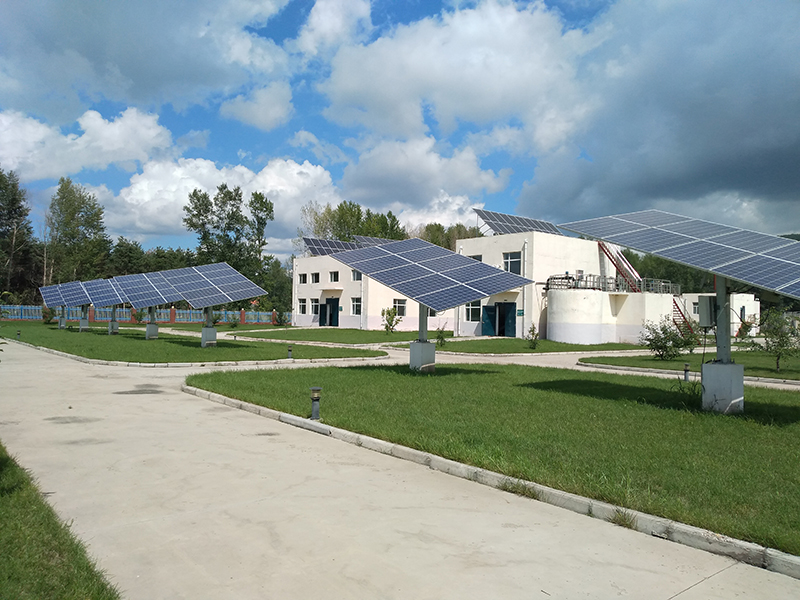
Integrating tracking systems to maximize output in agricultural zones.
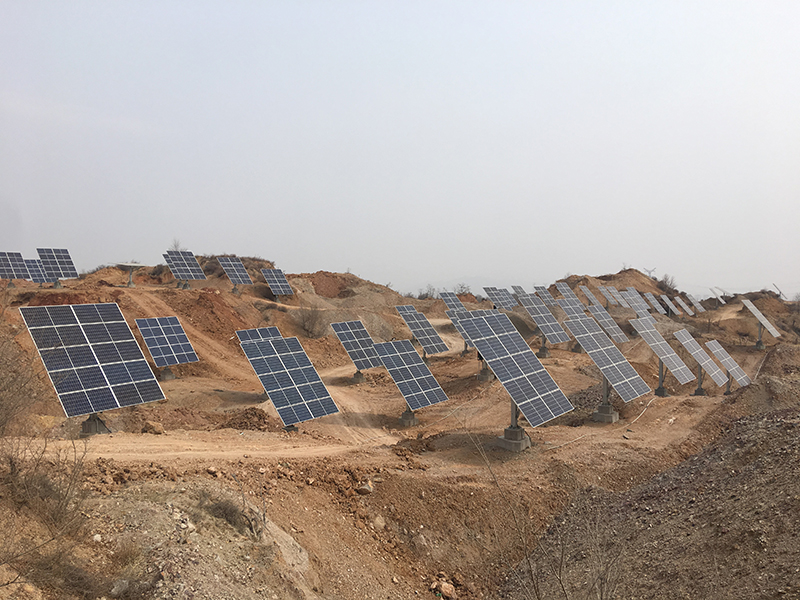
Demonstrating tracking flexibility and adjustment on uneven terrains.
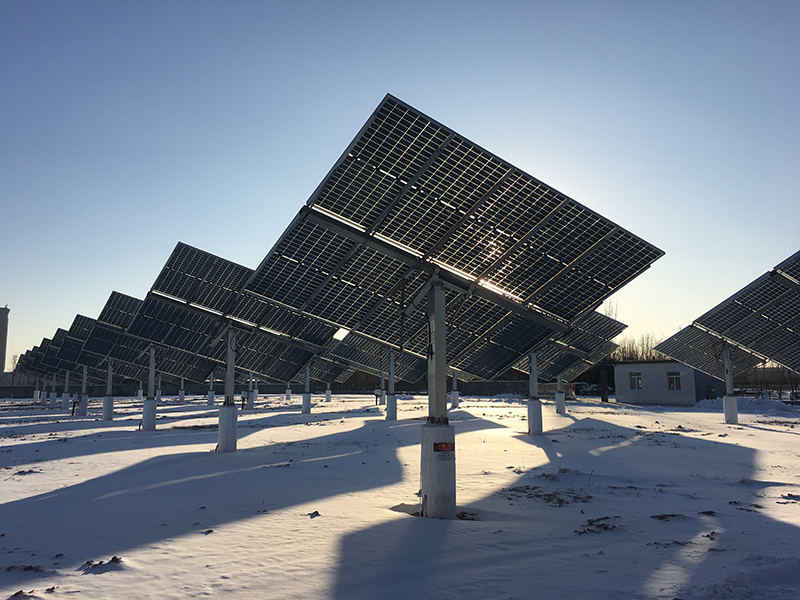
Showcasing structural durability and load management under snow loads.
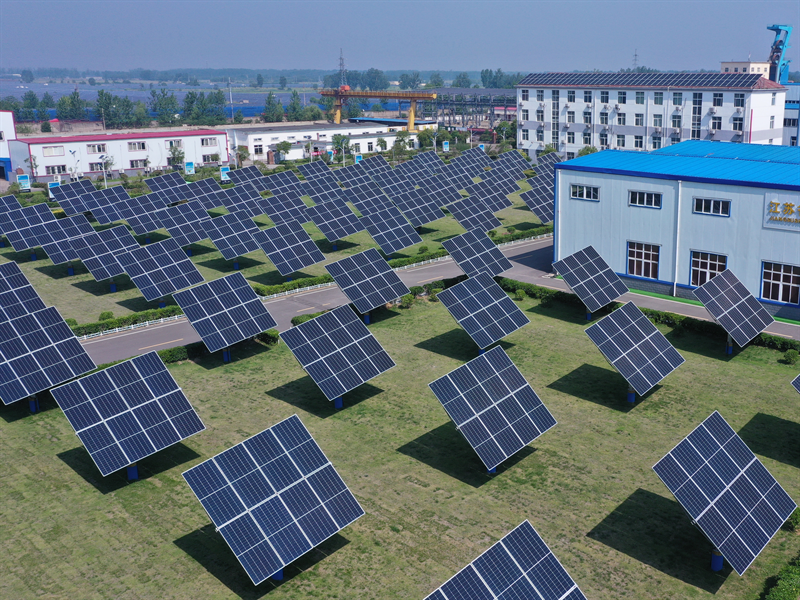
Advanced tracking arrays optimizing output in solar farms.
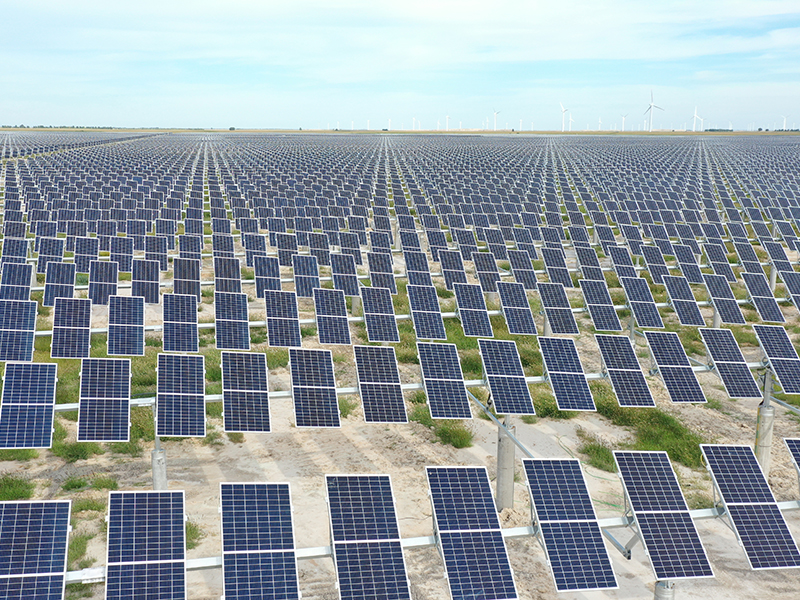
A utility-scale project delivering high output and reliable performance.
Watch our single and dual-axis tracking systems adjust, wind-stow, and maintain optimal tracking configurations in real-world scenarios.
Get answers to common technical, structural, and procurement questions regarding solar trackers in coastal Peru.
Lima has high humidity and seasonal morning fog. Flat single-axis trackers continuously adjust module angles, capturing diffuse light during foggy conditions and maximizing direct solar capture once clear, resulting in 20% to 25% higher yields compared to fixed structures.
Our structural designs are engineered in compliance with building codes E.030 and ASCE 7-16. We use high-stiffness steel piles, localized mechanical dampeners, and robust gear drive systems to resist ground motions and structural resonance during seismic events.
We apply hot-dip galvanization (HDG) with thickness exceeding 85μm or specialized Zinc-Aluminum-Magnesium (ZAM) structural options. This provides C5-M level protection, resisting salt spray and coastal moisture to ensure a 25-year operational lifespan.
Yes. The system is equipped with wind sensors and controllers. If wind speeds exceed safe thresholds, the trackers automatically execute a wind-stowing sequence, positioning modules to flat or low-resistance angles to minimize wind load damage.
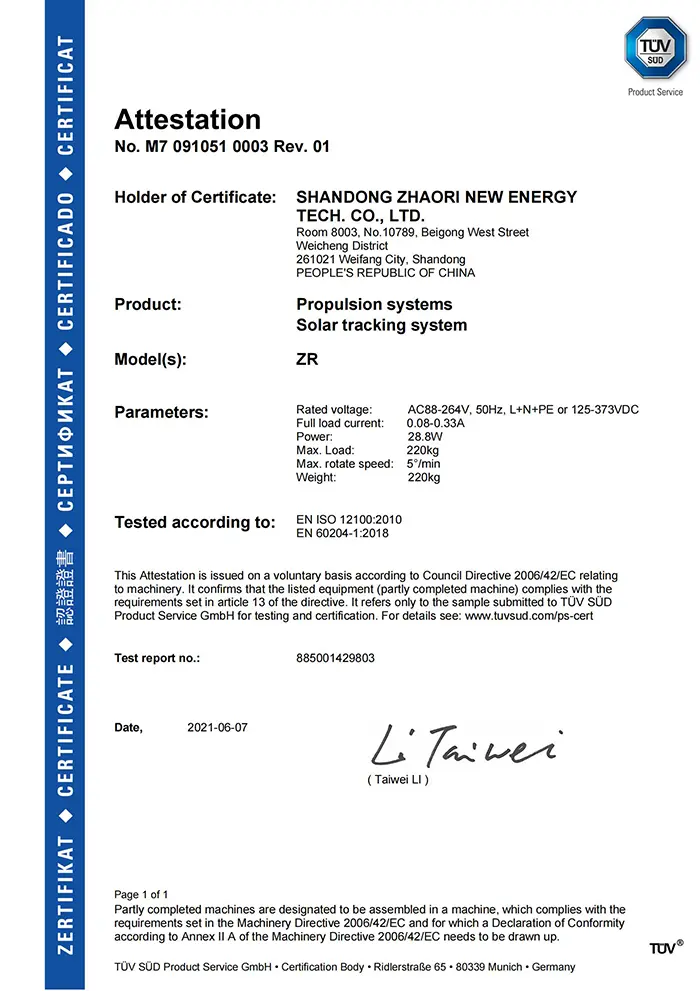
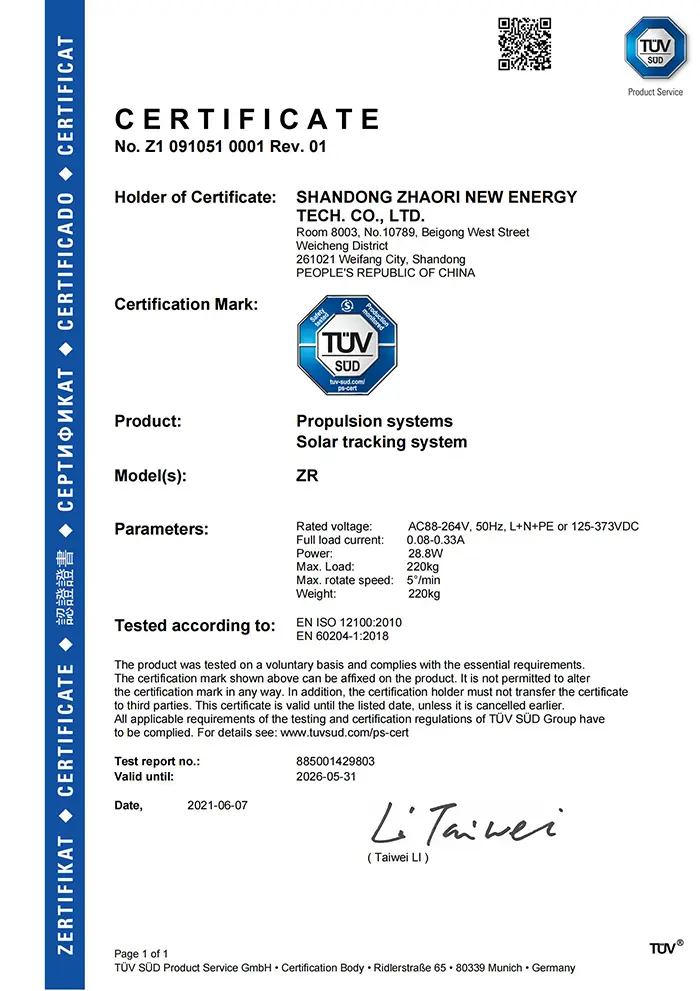
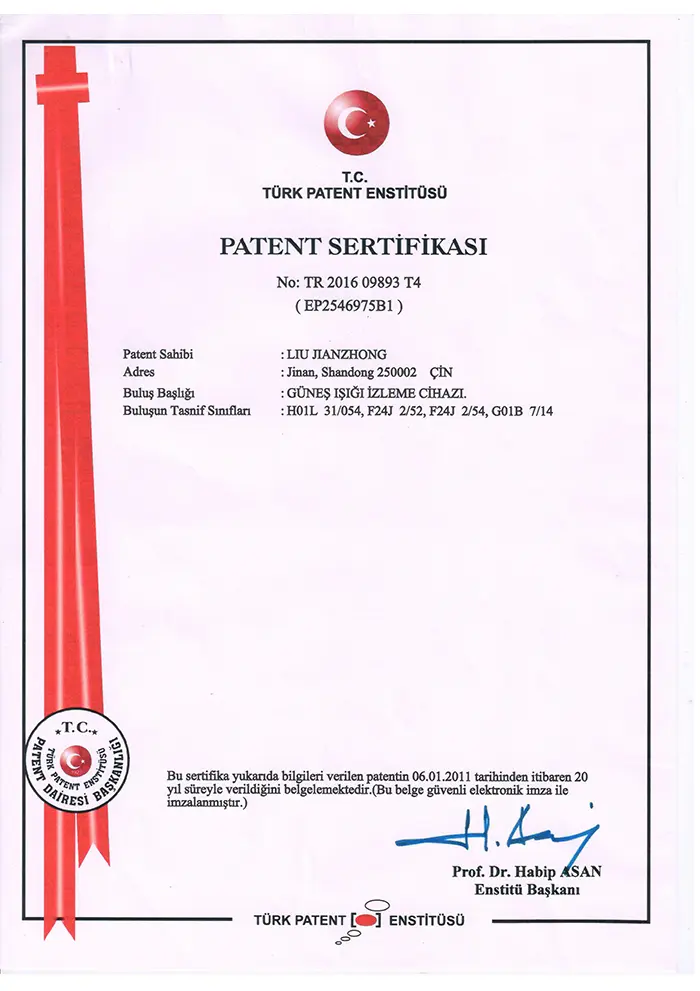
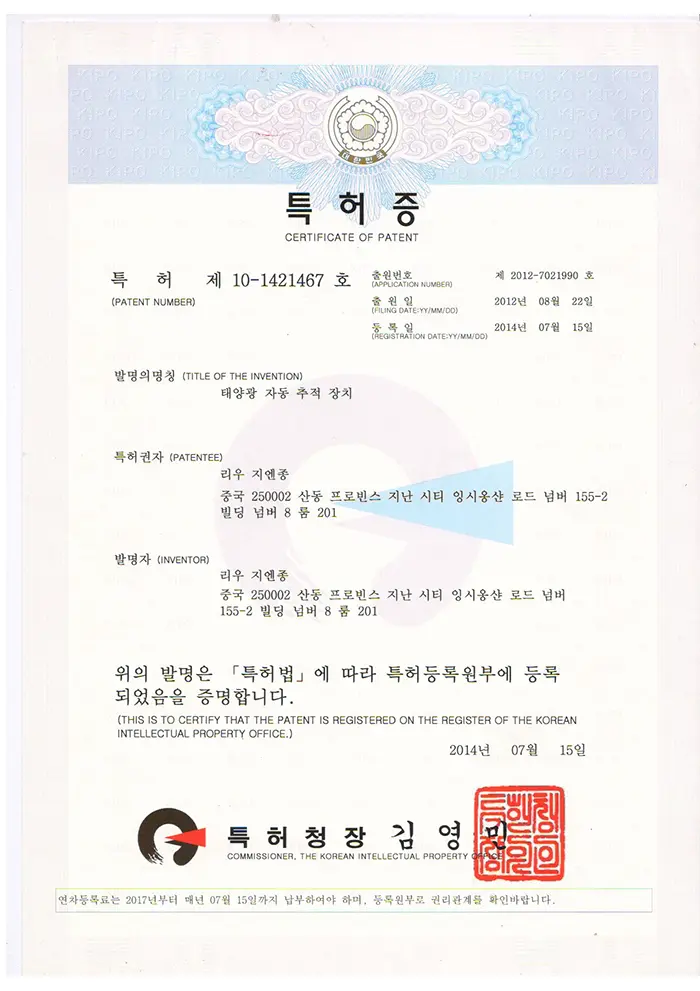
Yes, our systems carry international certifications including CE, TUV, and ISO 9001. We also hold multiple international patents across regions including Europe, the United States, Canada, Australia, Japan, and South Korea.
1P configurations arrange modules in a single portrait line, which sits lower to the ground for high wind and seismic stability. 2P configurations arrange modules in two portrait rows per tracker, reducing foundation requirements and optimizing rear-side generation for bifacial panels.
Get in touch with our engineering team for customized structural drawings, localized seismic analyses, and a complete tracker quote matching your project parameters.
Send Inquiry Now Zhaori