As the world shifts towards renewable energy sources, the demand for advanced solar solutions grows. The "Two Axis Solar Tracking System" plays a crucial role in maximizing solar energy capture. Industry expert Dr. Emily Zhang once noted, "To harness the sun’s power effectively, tracking systems must adapt and optimize." Her insight highlights the necessity of innovative technologies in the solar sector.
The Two Axis Solar Tracking System allows solar panels to follow the sun's trajectory. This leads to increased energy efficiency compared to fixed systems. Such systems can enhance solar output by up to 45%, making them attractive to global buyers seeking effective solutions. However, potential users should consider maintenance costs and installation challenges.
While these systems hold great promise, they are not without flaws. Some may struggle with durability in harsh weather conditions. It's essential for buyers to evaluate various options carefully. Understanding the intricacies of the Two Axis Solar Tracking System ensures informed decisions. The pursuit of renewable energy efficiency continues to evolve, and technology plays a pivotal role in shaping the future.
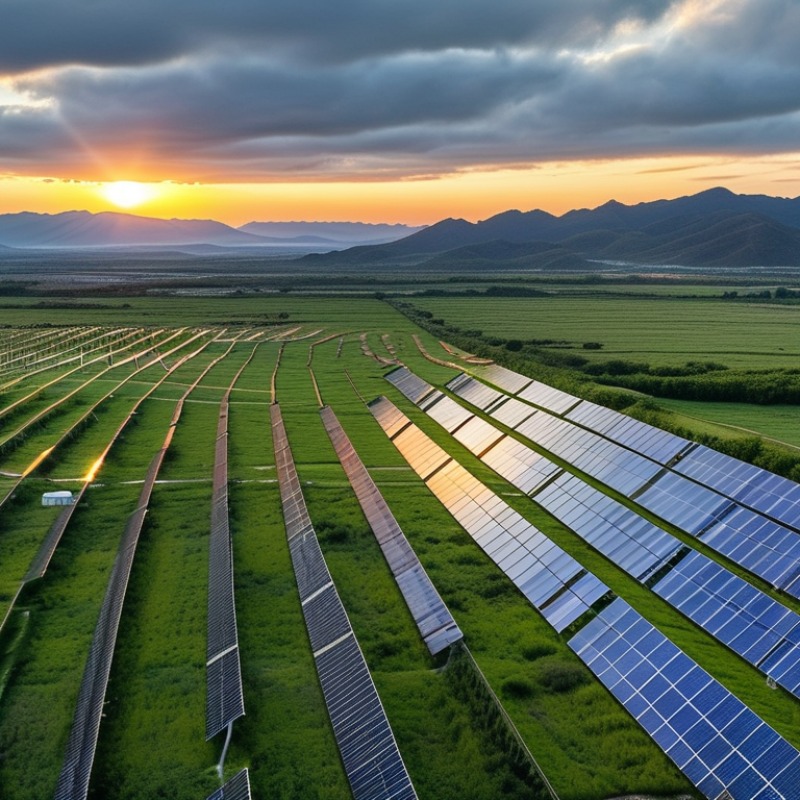
Two-axis solar tracking systems offer a robust solution for enhancing energy efficiency in solar power generation. These systems adjust both horizontally and vertically, maximizing sunlight exposure throughout the day. Unlike single-axis trackers, they can capture sunlight from various angles, significantly boosting energy output. This adaptability makes them ideal for regions with varying sun paths. Proper installation and adjustment are critical to achieving optimal performance.
Tips: Regular maintenance is essential for keeping the tracking mechanisms functional. Check for wear and tear on components. Dust and debris can affect performance, so ensure the panels are clean.
Incorporating a two-axis tracking system can seem complex. It requires careful planning and understanding of local environmental conditions. Factors like wind load and terrain can impact the installation. Users must assess their specific needs to avoid potential pitfalls during setup. An uncalibrated system may result in subpar energy production.
Monitoring performance regularly is vital. Track energy yield to identify any discrepancies. This proactive approach can help in making timely adjustments, enhancing overall system reliability.
The implementation of two-axis solar trackers brings significant advantages in harnessing solar energy. These systems adjust the panels' orientation in real time, maximizing exposure to sunlight. They can boost energy production by up to 40% compared to fixed systems. Improved efficiency can lead to lower energy costs and faster returns on investment.
One key benefit is their adaptability. Two-axis trackers can adjust to the sun's movement throughout the day and across seasons. This dynamic positioning means solar panels receive optimal sunlight, especially in locations with variable weather patterns. However, implementing these systems requires careful planning. Installation and maintenance can be more complex compared to fixed systems.
Tip: Regular maintenance checks are crucial. Ensuring the mechanism works efficiently can prevent unexpected downtimes. Trackers should be aligned correctly to avoid shading and maximize performance.
Overall, the decision to integrate two-axis solar trackers must consider project goals and environmental factors. Reflect on both the long-term gains and potential challenges. Balancing efficiency with maintenance needs shapes the success of any solar project.
The global solar tracking system market is witnessing rapid expansion. Recent data suggests that the two-axis solar tracking solutions significantly enhance energy generation. Research indicates that these systems can improve energy capture by up to 30% compared to fixed installations. This statistic has drawn interest from investors and developers alike.
Leading global suppliers continuously innovate to meet the increasing demand. They focus on improving the durability and efficiency of solar tracking systems. The precision of tracking mechanisms helps align solar panels with the sun’s path. However, complexities arise in installation and maintenance, which can deter some buyers. Balancing efficiency gains with operational reliability remains a challenge.
Market analysis shows that as countries shift towards renewable energy, the need for reliable solar solutions rises. Several suppliers are working together to address common issues in solar tracking technology. Collaboration may lead to more standardized solutions. Nonetheless, there remains room for improvement in system integration and performance metrics. The journey toward optimal energy efficiency is ongoing, necessitating innovation and adaptation in an evolving market landscape.
Two-axis solar tracking systems are becoming increasingly popular in the renewable energy sector. These systems can increase solar panel efficiency by up to 45% compared to fixed installations. A recent report from the International Renewable Energy Agency (IRENA) indicates that more solar energy can be harnessed as panels adjust to the sun's movement.
There are two primary technologies facilitating this tracking. The first uses hydraulic actuators for precise control. This method provides durability but requires regular maintenance. The second technology involves electrical motors, which are easier to set up and maintain. However, this system may experience wear over time, requiring component replacement.
A challenging aspect of both systems is their initial cost. Investing in a two-axis solar tracker can be significant. For countries looking to expand their solar capacity, this might pose a barrier. Data from the Global Solar Council shows that although the payback period averages six years, many investors remain cautious. This hesitation highlights the need for more education on the long-term benefits of solar tracking technologies.
This chart compares the energy output of two leading two-axis solar tracking technologies. Technology A demonstrates superior performance with an output of 4500 kWh compared to Technology B's 3200 kWh.
The solar tracking system market is evolving rapidly. According to a recent report by Grand View Research, the global solar tracking system market is expected to reach $15.05 billion by 2028, growing at a CAGR of 10.4%. This growth is driven by innovations in technology and design. Two-axis solar tracking systems are gaining attention for their efficiency, maximizing the sunlight exposure throughout the day. These systems allow solar panels to tilt and rotate, following the sun's path.
Studies show that two-axis tracking can increase energy output by up to 40%. However, there are challenges. The initial investment is higher compared to fixed systems. Maintenance requirements can also be more demanding. As more countries adopt renewable energy solutions, there is a need for improvements in tracking technologies. This involves reducing costs and enhancing reliability. Manufacturers must focus on developing durable systems that can withstand various environmental conditions.
Emerging trends include the integration of smart technology and artificial intelligence. These technologies can optimize tracking based on weather predictions and geographical data. Some developers are exploring lightweight materials for structural designs. Such developments could further lower costs and increase adoption. The future of solar tracking systems looks promising, but challenges remain. Manufacturers and researchers must continuously innovate to meet increasing energy demands.
| Dimension | Specification | Benefits | Trends |
|---|---|---|---|
| Rotation Angle | 0° to 90° | Maximizes sunlight capture | Increased efficiency |
| Tracking Accuracy | ±0.5° | Optimized energy output | Smart grid compatibility |
| Material | Aluminum alloy | Lightweight and durable | Sustainability focus |
| Power Consumption | < 5W | Low operational costs | Energy independence |
: Two-axis solar trackers increase solar energy production by up to 45%. They maximize sunlight exposure throughout the day.
Trackers adjust panels based on the sun's path and seasonal changes. This adaptability improves energy efficiency in variable weather.
Regular maintenance checks are vital. Proper alignment prevents shading and maximizes performance, but maintenance can be complex.
Yes, systems use hydraulic actuators or electrical motors. Hydraulic systems offer durability; electrical motors are easier to install but may wear sooner.
The initial investment can be significant. Many investors hesitate due to high costs, despite potential long-term benefits.
The solar tracking market is expected to grow significantly. Innovations like smart technology and lightweight materials may lower costs and improve efficiency.
The article explores the advancements and benefits of Two Axis Solar Tracking Systems, which significantly enhance solar energy capture by adjusting the panel orientation to follow the sun's movement. By implementing these systems, users can expect higher energy yields and improved efficiency compared to fixed solar installations.
Additionally, the article highlights key global suppliers and compares leading technologies in the market, showcasing the growing competition and innovation in solar tracking solutions. As the industry evolves, future trends indicate a focus on increased automation, improved materials, and integration with smart technologies, promising further enhancements in solar energy utilization through Two Axis Solar Tracking Systems.

Zhaori
