7 Tips for Choosing a Sun Tracking Solar System?

Time:2026-09-27 Author:Henry
0%

Choosing a Sun Tracking Solar System requires more than comparing panel wattage or attractive product photos. The right system must match your site, climate, energy goals, and maintenance capacity. A tracker can follow the sun across the sky, improving daily energy capture. However, it also introduces motors, sensors, moving frames, and additional service needs. More output is not always better.

These seven tips offer a practical way to assess your options before investing. Begin with your location. Study shading, wind exposure, soil conditions, and seasonal sunlight. Then examine tracking accuracy, structural strength, control systems, and warranty coverage. A reliable supplier should provide test data, installation guidance, and clear maintenance schedules. Ask how the equipment performs during storms. Ask how quickly replacement parts arrive.

Small details matter.

For example, a dry, dusty site may require regular sensor cleaning. A coastal installation may need stronger corrosion protection. A remote farm may benefit from simple controls and fewer failure points. Cost calculations should include installation, inspections, electricity gains, and repairs. Many buyers focus only on the purchase price. That is an understandable mistake, but it can distort the real return.

Performance estimates also deserve caution. Weather changes, ground conditions, and imperfect installation can reduce expected production. No forecast is perfect. Comparing independent data with supplier claims can reveal gaps. These practical checks help create a balanced decision based on evidence, professional advice, and realistic expectations.
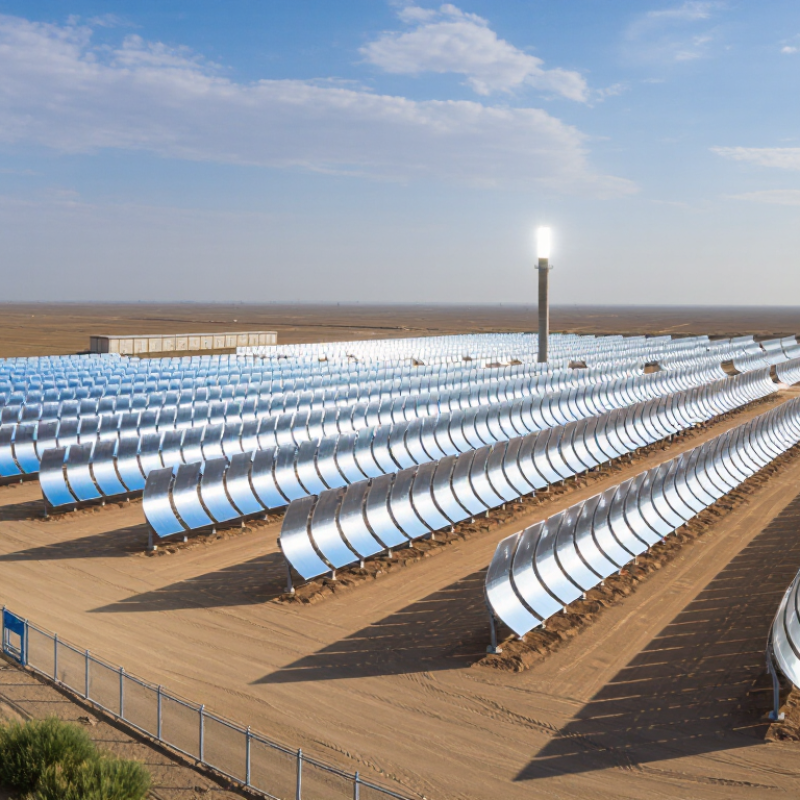
7 Tips for Choosing a Sun Tracking Solar System?

Understanding How Sun-Tracking Solar Systems Work

A sun-tracking solar system moves its panels to follow the sun’s apparent path across the sky. A controller uses programmed solar-position data or light sensors to guide motors. Single-axis trackers rotate panels along one direction; dual-axis systems adjust both direction and tilt. The aim is to keep sunlight striking the panels more directly. On a clear afternoon, you may see a panel turn slowly rather than shift all at once.

Tips: Check whether your site has enough open space for moving panels. Compare expected energy gains with motor use, installation costs, and maintenance needs. Ask how the tracker responds to strong winds and cloudy conditions. Small details matter. A nearby tree’s morning shadow can reduce the benefit, even when the rest of the yard looks sunny.

Tracking is not automatically the best choice. A fixed system may be simpler where land is limited or servicing is difficult. Look for performance estimates based on your location, seasonal sun angles, and local weather—not a generic output figure. Also ask how often moving parts need inspection. A tracker can add complexity, and that trade-off deserves a careful look.

Assessing Your Site’s Sunlight and Installation Conditions

7 Tips for Choosing a Sun Tracking Solar System?
Assessing Your Site’s Sunlight and Installation Conditions

Tip: Observe the sun across your property before choosing a tracker. Note where shadows fall in the morning, at midday, and late afternoon. A nearby roofline, tree, or chimney can block sunlight during important hours. Repeat the check in different seasons if possible. A single sunny-day visit can be misleading.

Tip: Check the ground, not just the sky. Trackers need adequate space to rotate without hitting fences, branches, or other equipment. Look for firm, level ground and signs of poor drainage, such as standing water after rain. Small details matter. If the soil is loose or slopes noticeably, ask a qualified installer about suitable foundations before comparing system sizes.

Tip: Consider wind exposure, access, and maintenance. Open fields may receive strong gusts, while narrow side yards can make installation and repairs difficult. Ask how the tracker is secured in high winds and whether service access will remain clear. Compare expected sunlight with the extra space and upkeep the system requires. I might favor a simpler layout on a constrained site; more movement does not always mean better results. Have a site professional confirm measurements and local installation requirements before committing.

Comparing Single-Axis and Dual-Axis Tracking Designs

7 Tips for Choosing a Sun Tracking Solar System
Comparing Single-Axis and Dual-Axis Tracking Designs

A single-axis tracker rotates panels along one axis, usually following the sun’s daily path from east to west. Its mechanism is relatively simple. For many open, ground-mounted sites, that simplicity can mean fewer moving parts and easier maintenance. A dual-axis tracker also adjusts panel tilt, helping it follow seasonal changes in the sun’s height. It can capture more direct sunlight, but the extra motion adds equipment, controls, and potential maintenance needs.

Compare more than estimated energy output. Ask how each design performs at your site’s latitude, under local cloud cover, and with nearby trees or buildings. Check the required row spacing, foundation design, wind exposure, and access for repairs. Moving structures need room. Even a small shade line can affect production, so a site assessment matters more than a generic yield estimate.

Then weigh the added energy against the total cost over the system’s life. Include installation, routine inspections, replacement parts, and any electricity used by the tracking equipment. Dual-axis tracking may suit locations where seasonal sun-angle changes matter; single-axis may offer a more practical balance. It depends. Request assumptions behind performance estimates, and compare them with fixed-tilt options too. I would not treat projected gains as guaranteed—the weather, equipment, and site conditions can all differ from the model.

Evaluating Energy Gains, Costs, Maintenance, and Reliability

A sun-tracking solar system can follow the sun and increase energy production, but the gain is not automatic. Cloud cover, shading, latitude, and panel layout all matter. Compare the projected output with a well-designed fixed-tilt system at your actual site, not a generic estimate. Measure before buying. Check whether extra morning or afternoon power matches your household or facility’s usage; exported electricity may be worth less.

Trackers add motors, controls, foundations, and installation labor. Estimate lifetime cost per usable kilowatt-hour, including inspections, repairs, and downtime. Ask what assumptions support the energy forecast and how results change if production falls short. Real conditions are messier than a spreadsheet. Moving parts also need care: dust, corrosion, and worn bearings can affect operation. Confirm how the system responds to strong winds and whether technicians can reach it safely.

Tips: Request a maintenance schedule and confirm local service availability. Review warranty exclusions, replacement-part costs, and monitoring features. Compare reliability records for similar climates, not just ideal test conditions. A tracker may suit an open, sunny site; a simpler fixed array can be the steadier choice where service access is limited.

7 Tips for Choosing a Sun-Tracking Solar System

Estimated annual energy gain compared with a fixed-tilt system

How to use this comparison: Trackers can increase energy production, but actual gains depend on location, shading, weather, and system design. Typical planning estimates are about 15–25% for single-axis and 25–35% for dual-axis tracking; the chart shows the midpoint of each range.

Before choosing: Compare the added purchase and installation cost with expected energy gains, and check maintenance needs, moving-part reliability, wind protection, and warranty coverage. A fixed-tilt system has no tracking mechanism and may be a better-value option where tracker gains are modest.

Selecting a Tracker That Fits Your Solar Project Goals

A sun tracking solar system should serve the project, not simply chase the highest modeled output. Start with the site’s daily sunlight, terrain, and available space. A tracker needs room to move, so narrow rows, steep slopes, or nearby obstacles may limit its usefulness. Ask an experienced installer to assess soil conditions, wind exposure, and access for maintenance. Small details matter. A service vehicle needs to reach the equipment after a storm.

Tip: Compare the tracker’s estimated annual energy gain with its added installation and maintenance needs. Check how it handles high winds, snow, and uneven ground. Confirm that the design fits your utility connection and project schedule. Get assumptions in writing. Estimates are only estimates.

Then match the system to your goals. A utility-scale site may value higher energy production during certain hours, while a small property may prioritize simplicity and predictable upkeep. Review the full life-cycle cost, including motors, controls, inspections, and possible repairs. Ask who will monitor faults and how quickly parts can be replaced. One awkward truth: a model can look convincing before real site conditions are entered. Revisit the numbers with local weather and layout data, and be willing to choose a fixed system if the tracker’s extra output does not justify its added complexity.

7 Tips for Choosing a Sun Tracking Solar System? — Selecting a Tracker That Fits Your Solar Project Goals

Tip What to Evaluate How It Affects Your Project Practical Selection Check
1. Define the project’s energy goal Compare the expected energy profile with the project’s consumption, export limits, and electricity rates. Tracking can shift generation toward different hours, but its value depends on when energy is needed and how it is compensated. Model hourly production and revenue for fixed-tilt, single-axis, and—where relevant—dual-axis options using the same site assumptions.
2. Match the tracker type to the site Single-axis trackers generally rotate modules along one axis to follow the sun’s daily east-to-west movement. Dual-axis systems also adjust for solar elevation. More axes can add mechanical and control complexity. The best choice depends on the energy case, site conditions, and maintenance capability. Ask for a site-specific energy assessment rather than relying on a generic tracking-gain percentage.
3. Check the land and terrain Review available area, slope, row spacing, shading, access roads, drainage, and the tracker’s terrain limits. Moving rows need suitable spacing and clearance. Uneven terrain or difficult access can affect layout, installation, and operating costs. Request a preliminary layout based on a topographic survey, site boundaries, setbacks, and access requirements.
4. Assess wind, soil, and foundations Consider local wind conditions, soil strength, corrosion exposure, frost depth, and applicable structural requirements. These factors influence support design, foundation choice, structural loads, and the tracker’s operating or stow strategy. Use project-specific geotechnical and structural reviews; confirm how the system responds to high-wind conditions.
5. Compare lifecycle cost, not just equipment price Include equipment, foundations, installation, controls, maintenance, replacement parts, downtime, and financing. A tracker may increase energy production while also adding moving components and service requirements. The net benefit varies by project. Compare lifecycle cost and levelized cost of energy against a fixed-tilt alternative using consistent assumptions and a stated analysis period.
6. Plan for operations and maintenance Check service access, spare-parts availability, monitoring, troubleshooting, maintenance intervals, and technician requirements. Reliable operation depends on maintaining drives, controls, sensors, and mechanical connections as specified by the system design. Review the maintenance plan, response times, warranty terms, and procedures for safe manual or automatic operation.
7. Verify compatibility and project constraints Confirm module dimensions and loads, electrical design, grid requirements, permitting, construction schedule, and any land-use restrictions. Compatibility affects layout and engineering. Rooftops and space-constrained sites may be unsuitable for many ground-mounted tracking designs. Have the project engineer confirm mechanical, electrical, permitting, and interconnection requirements before final selection.

FAQS

What does a sun-tracking solar system do?

It moves panels to follow the sun’s apparent path. Motors respond to programmed position data or light sensors.

What is the difference between single-axis and dual-axis trackers?

A single-axis tracker turns panels along one direction, often east to west. A dual-axis tracker also adjusts panel tilt as the sun’s seasonal height changes.

Does a tracker always produce more useful energy?

It may help panels receive more direct sunlight, but extra output is not guaranteed. Clouds, shade, and site layout can change the result.

How much space does a tracking system need?

Moving panels need clear space and suitable row spacing. A nearby tree’s morning shadow can reduce the benefit, even if the yard looks sunny.

What site conditions should I check before choosing a tracker?

Review sunlight, slope, soil, wind exposure, and nearby buildings or trees. Also check whether repair crews can reach the equipment after a storm.

What costs should I compare?

Include installation, inspections, motors, controls, replacement parts, and electricity used by the tracking equipment. Small costs add up.

How should I compare projected energy gains?

Ask for estimates based on local weather, seasonal sun angles, and your site layout. Get the assumptions in writing. Models can be persuasive, but real conditions differ.

When might a fixed system be a better fit?

It may suit properties with limited space or difficult maintenance access. If the tracker’s added output does not justify its complexity, simpler may be wiser. I might still want to check the numbers twice.

Conclusion

Choosing the right Sun Tracking Solar System starts with understanding how its panels follow the sun to capture more sunlight throughout the day. Before selecting a design, assess your site’s sunlight, shading, available space, terrain, and installation conditions. These factors help determine whether a tracking system is practical and how well it may perform.

Compare single-axis trackers, which follow the sun along one path, with dual-axis designs that adjust in two directions. Then weigh potential energy gains against purchase and installation costs, maintenance needs, and long-term reliability. The best choice is not necessarily the tracker that produces the most energy, but the one that fits your project’s budget, site conditions, performance goals, and capacity for ongoing upkeep.


Henry

Henry

Henry is a dedicated marketing professional with a profound expertise in the company's offerings. With years of experience in the industry, he possesses an impressive understanding of the market dynamics and consumer behaviors that drive success. Henry is committed to sharing his insights through......