How Does a Solar Tracking System Improve Energy Efficiency?

Time:2026-07-13 Author:Oliver
0%

In the quest for sustainable energy, the Solar Tracking System emerges as a key innovation. Dr. Emily Carter, a renowned expert in renewable energy systems, once stated, “Solar tracking can increase energy output by up to 40%.” This technology optimizes solar panel positioning throughout the day, following the sun’s path.

A Solar Tracking System is not merely an addition to existing solar setups; it represents a shift in energy efficiency strategies. By adjusting the angle of solar panels, these systems maximize sunlight exposure. This leads to higher energy generation and reduced costs over time. However, the initial investment can be significant, and not all installations benefit equally from tracking systems.

Understanding these systems requires a look into their mechanics and limitations. For many, the benefits outweigh the challenges. However, they must also consider local weather patterns and geographic factors. Thus, while Solar Tracking Systems offer remarkable efficiency gains, careful evaluation of specific situations remains essential.
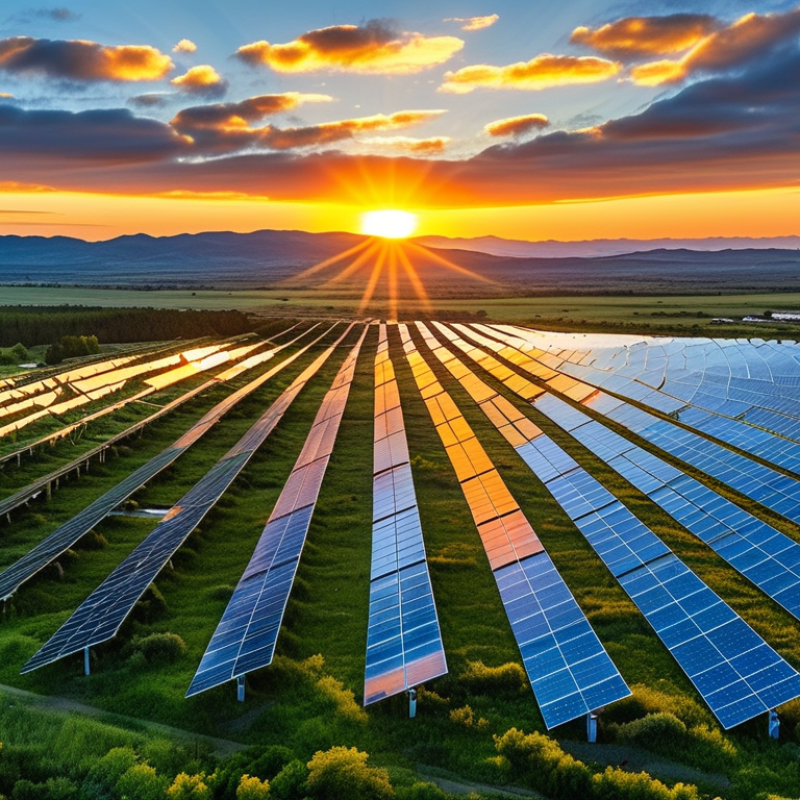
How Does a Solar Tracking System Improve Energy Efficiency?

Overview of Solar Tracking Systems and Their Functionality

Solar tracking systems play a vital role in enhancing energy efficiency in solar energy applications. These systems allow solar panels to adjust their position throughout the day to follow the sun's trajectory. According to the National Renewable Energy Laboratory, solar tracking can increase energy production by 25% to 50%, depending on the location and system design. This increase is significant, especially when considering the decreasing costs of solar technology.

There are two primary types of solar tracking systems: single-axis and dual-axis. Single-axis trackers rotate east to west, while dual-axis trackers also adjust for elevation. This added flexibility allows for optimal sunlight capture across seasons. A report by the International Energy Agency highlights that implementing tracking systems can notably improve the return on investment for solar projects, making them more attractive for investors.

Tip: Consider local weather patterns when selecting a tracking system. Areas with frequent cloudy weather may see different gains than those with consistent sunlight.

Tip: Regular maintenance is crucial. Dust and debris can impact performance, so routine cleaning of panels is recommended to maximize their efficiency.

Types of Solar Tracking Systems: Active vs. Passive Mechanisms

Solar tracking systems enhance energy efficiency significantly. They adjust the position of solar panels to follow the sun’s movement throughout the day. This technology can increase energy production by 25% to 50%, according to reports from the National Renewable Energy Laboratory.

There are two primary types of solar tracking systems: active and passive. Active tracking systems use motors and sensors to adjust panel angles dynamically. This method requires electricity, which may offset some energy gains. In contrast, passive systems rely on materials that react to temperature changes. They are more reliable and do not consume energy. However, passive systems may not be as efficient under varying weather conditions.

Each system has its pros and cons. Active trackers can yield higher energy output but come with higher maintenance costs. Statistics indicate that active systems may need repairs every five to ten years. Choosing the right type requires careful consideration. It should include local climate, land characteristics, and long-term productivity goals. Understanding these elements is vital for optimizing solar energy investments.

Energy Efficiency Improvement with Solar Tracking Systems

This chart illustrates the energy efficiency improvement associated with different types of solar tracking systems. Fixed solar panels typically achieve around 15% efficiency improvement, while active tracking systems can improve efficiency by approximately 30%. Passive tracking systems provide a moderate enhancement of about 20%.

Benefits of Solar Tracking for Energy Efficiency Enhancement

Solar tracking systems optimize energy capture by adjusting the angle of solar panels. Instead of remaining stationary, these systems follow the sun's path, maximizing exposure. Enhanced sunlight absorption can lead to a significant increase in energy production. Traditional fixed panels can miss out on up to 30% of available sunlight throughout the day.

The benefits extend beyond just raw energy output. Solar tracking can lower the levelized cost of electricity by improving efficiency. It can also reduce payback periods for solar investments. Systems often incorporate advanced technology, such as sensors and motors, to ensure precision tracking. This complexity can warrant additional maintenance and monitoring.

Not all installations may benefit equally. The effectiveness of solar trackers can vary based on location and terrain. Factors like shading and weather conditions can impact performance. While they offer notable advantages, understanding these limitations is crucial for potential users. Making informed choices will ensure better returns in energy efficiency.

Impact of Solar Tracking on Solar Panel Output and Performance

Solar tracking systems significantly enhance the output and performance of solar panels. By adjusting their position throughout the day, these systems ensure that solar panels receive optimal sunlight exposure. Fixed panels may miss crucial sunlight hours, leading to reduced energy efficiency. In contrast, tracking systems can increase energy production by up to 25-40%, depending on the location.

Sunlight angles vary throughout the day. During peak hours, optimal angles maximize solar energy capture. If panels are not aligned correctly, they lose valuable energy. This misalignment can often go unnoticed, but it impacts overall energy generation. A solar tracking system minimizes this loss by continuously adjusting its angle to follow the sun's path.

**Tips:** Regular maintenance of the tracking system is essential. Check for any obstructions that may hinder movement. Consider using solar monitoring tools to analyze performance and spot potential issues quickly. Remember, while these systems improve efficiency, their installation and maintenance incur additional costs. Evaluate if these trade-offs align with your energy goals before investing.

Case Studies of Solar Tracking Systems in Renewable Energy Projects

Solar tracking systems play a crucial role in enhancing energy efficiency in renewable energy projects. A study conducted by the National Renewable Energy Laboratory (NREL) states that these systems can increase energy output by 25% to 35% compared to fixed solar panels. This increase is due to the ability of trackers to constantly align with the sun’s trajectory throughout the day. In practice, projects like the Mount Signal Solar facility in California have implemented dual-axis tracking systems. The results showed a significant boost in power generation, highlighting the potential of trackers to optimize solar energy utilization.

However, the effectiveness of solar tracking systems can vary based on specific conditions. Environmental factors such as geographic location and weather patterns significantly influence performance. For example, in regions with frequent cloud cover, the benefits of tracking may diminish, as studies indicate that fixed systems could perform similarly under such conditions. Additionally, the initial costs and maintenance of solar tracking systems can be higher than fixed installations.

Despite these challenges, the long-term benefits of solar trackers are noteworthy. Studies demonstrate that the investment in tracking technology pays off in increased energy efficiency. The U.S. solar market is projected to grow, driven largely by innovative technologies like these, which can reshape energy strategies for various projects. While solar tracking systems are not a one-size-fits-all solution, they present clear advantages in many scenarios.

How Does a Solar Tracking System Improve Energy Efficiency? - Case Studies of Solar Tracking Systems in Renewable Energy Projects

Project Location Tracking System Type Energy Increase (%) Initial Investment ($) Payback Period (Years)
California, USA Single-Axis 25% 500,000 4
Texas, USA Dual-Axis 35% 750,000 5
Spain Single-Axis 20% 300,000 3
Australia Dual-Axis 30% 1,200,000 6
South Africa Single-Axis 22% 450,000 4

FAQS

: What are solar tracking systems?

: Solar tracking systems adjust solar panels' position to follow the sun's path, enhancing energy efficiency.

How much can solar tracking increase energy production?

Energy production can increase by 25% to 50%, depending on location and system design.

What are the two types of solar tracking systems?

The two types are single-axis, which moves east to west, and dual-axis, which adjusts for elevation.

Why is maintenance important for solar tracking systems?

Regular maintenance is crucial. Debris can obstruct performance and reduce energy efficiency.

How do sunlight angles affect solar energy capture?

Sunlight angles change throughout the day. Misalignment can lead to loss of energy generation.

What should I consider when choosing a solar tracking system?

Assess local weather patterns. Cloudy areas may yield different benefits compared to sunny locations.

How can I monitor the performance of my solar tracking system?

Use solar monitoring tools to quickly analyze performance and identify any potential issues.

Are there additional costs associated with solar tracking systems?

Yes, installation and maintenance incur costs. Evaluate if the trade-offs meet your energy goals.

What are the risks of not using a solar tracking system?

Fixed panels may miss sunlight hours, leading to reduced energy efficiency over time.

Can I install solar tracking systems myself?

Installation may require expertise. Incorrect setup can lead to misalignment and inefficiency.

Conclusion

A Solar Tracking System is designed to optimize the position of solar panels throughout the day, allowing them to follow the sun’s path. There are two main types of solar tracking systems: active and passive mechanisms. Active systems use motors and sensors to adjust the panel's orientation, while passive systems rely on materials that respond to heat.

Implementing a solar tracking system significantly enhances energy efficiency by increasing the amount of sunlight captured, which translates to higher energy output. Case studies have shown that solar tracking systems can improve solar panel performance, leading to a marked increase in energy production in various renewable energy projects. Overall, the adoption of solar tracking technology represents a crucial advancement in maximizing solar energy utilization.


Oliver

Oliver

Oliver is a seasoned marketing professional with a wealth of expertise in driving brand awareness and engagement. With a deep understanding of our company's product offerings, he consistently delivers high-quality content that enriches our professional blog. His insights not only shed light on......