China Best Single Axis Solar Tracking System for Global Buyers?

Time:2026-07-19 Author:Sophia
0%

The global push for renewable energy has led to a surge in the use of Solar Tracking Systems, particularly Single Axis Solar Tracking Systems. According to a recent market report by Research and Markets, the single-axis solar tracker market is projected to reach $9.3 billion by 2027, reflecting a strong demand across various regions. This technology increases solar energy generation efficiency by up to 30% compared to fixed systems.

Industry expert Dr. Sarah Lee, a leading authority on solar technologies, states, "The adoption of Single Axis Solar Tracking Systems is critical for maximizing renewable energy outputs." As countries strive to meet their carbon reduction goals, the demand for these systems continues to grow. However, it is vital for buyers to consider factors such as installation costs, maintenance, and system longevity.

The Single Axis Solar Tracking System industry is not without challenges. Many products vary in quality, and reliability concerns can arise from subpar designs. Buyers must conduct thorough research and seek trusted manufacturers. Only then can they fully benefit from the advantages these systems promise.
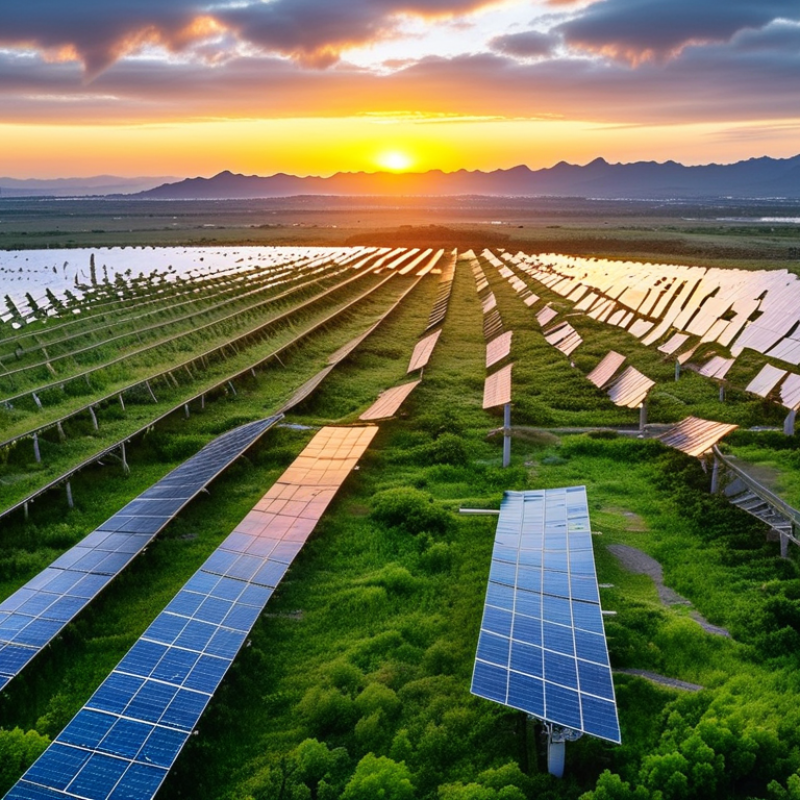
China Best Single Axis Solar Tracking System for Global Buyers?

China's Leading Single Axis Solar Tracking Systems Overview

Single-axis solar tracking systems have emerged as a vital component in enhancing solar efficiency. Recent industry reports indicate a growing interest, with the global market expected to reach $3.54 billion by 2026, reflecting a compound annual growth rate (CAGR) of 11.21%. China stands at the forefront of this trend, leveraging advanced technology to produce effective solar tracking systems.

These systems adjust the angle of solar panels throughout the day, significantly increasing energy absorption. According to studies, single-axis trackers can boost energy production by up to 25% compared to fixed installations. However, the complexity of installation and maintenance can pose challenges. Some users report that data collection for performance assessment can be inconsistent, leading to potential inefficiencies.

China's commitment to solar energy is evident in its investments and innovations. The country's latest models integrate cutting-edge sensors and control systems. Yet, despite impressive advancements, the market may face hurdles. Understanding local climatic conditions and site-specific requirements remains crucial. Buyers must consider these factors when assessing system suitability, as benefits can vary significantly based on location.

Key Features of China's Best Single Axis Solar Trackers

China has emerged as a leader in producing single-axis solar tracking systems. These systems are designed to optimize energy production by following the sun’s movement. The key features of China's best single-axis solar trackers highlight their efficiency and adaptability.

One essential aspect is the robust design. These solar trackers often use high-quality materials. This ensures durability in various weather conditions. They also come equipped with advanced control systems. These systems maximize sunlight capture throughout the day. Flexibility is another hallmark. Many trackers can adjust to different terrains. This adaptability is crucial for maximizing energy output in diverse environments.

Tips: Consider the installation process before purchase. Sometimes, complex designs can lead to higher installation costs. Also, evaluate the maintenance requirements. Some systems may need more frequent checks than others. Lastly, check for local support. Reliable technical assistance can make a significant difference.

In terms of return on investment, these systems can be worthwhile. However, it's vital to analyze long-term performance. Occasionally, they might not perform as expected under heavy cloud cover. Buyers should weigh these factors carefully before making a decision. Understanding these nuances will lead to better choices.

Key Features of China's Best Single Axis Solar Trackers

Comparative Analysis: China vs Global Competitors in Solar Tracking

China has emerged as a significant player in the solar tracking market. Its single-axis solar tracking systems are designed to enhance energy efficiency. By adjusting the panel angle, these systems maximize sunlight capture throughout the day. This feature is crucial for boosting energy production, especially in large solar farms.


However, a comparative analysis between China and global competitors reveals mixed results. While Chinese systems are often cost-effective, there may be concerns around quality and durability. Some international brands may offer higher reliability but at a premium.

Buyers should evaluate their specific needs before making a decision. They should consider factors like installation complexity and maintenance requirements, alongside pricing. This nuanced approach will enable them to select the best option for their projects.

Market Trends and Demand for Solar Tracking Systems Worldwide

The solar tracking system market is witnessing robust growth globally. According to a recent report by Research and Markets, the solar tracking systems market is expected to reach $10 billion by 2026. This growth is driven by a rising awareness of renewable energy and technological advancements in solar technology.

Single-axis solar tracking systems are popular due to their cost-effectiveness. They can increase energy output by 20-30% compared to fixed systems. This increased efficiency is a crucial selling point for solar system developers. However, challenges still exist, such as installation complexities and maintenance needs, which can deter some buyers.

Furthermore, the demand varies by region. In North America, the focus is on utility-scale projects. Meanwhile, Europe is leaning towards innovative tracking solutions for residential markets. Asia-Pacific is rapidly expanding in solar energy adoption. Adapting to these regional trends is essential for manufacturers. Despite the exciting growth, the industry must address sustainability concerns linked to materials used in system production.

China Best Single Axis Solar Tracking System for Global Buyers? - Market Trends and Demand for Solar Tracking Systems Worldwide

Region Market Size (USD Million) Growth Rate (%) Trends Key Drivers
North America 500 8.2 Increased solar installations Government incentives
Europe 650 7.5 Shift towards renewable energy Regulatory pressure
Asia-Pacific 750 10.3 Rapid industrial growth Rising energy demands
Latin America 300 6.8 Emerging market potential Investment in infrastructure
Middle East & Africa 200 5.0 Increased energy projects Natural resource management

Future Innovations in China's Solar Tracking Technology

China has become a leader in solar tracking technology, particularly for single-axis systems. Recent reports indicate that the global solar tracking market could reach $6.5 billion by 2026. This growth is largely driven by innovations from Chinese manufacturers. They are adopting advanced algorithms and AI to enhance tracking precision and efficiency. This means solar panels can follow the sun's path more accurately than ever before.

Many new technologies are emerging from China. These include automatic calibration systems that adjust the angle based on weather conditions. For example, a study showed that single-axis trackers can increase energy production by up to 25% compared to fixed systems. However, the speed of innovation can sometimes lead to durability issues. Not every tracker withstands extreme weather as expected.

In addition, improved materials are being explored. These materials aim to reduce maintenance costs and enhance longevity. Yet, challenges remain in balancing cost and performance. Manufacturers often face pressure to lower prices. This can compromise quality, leading to variability in system performance. As the industry grows, finding the right balance will be crucial for sustainable development.

FAQS

: What are single-axis solar trackers?

: They are systems designed to follow the sun, enhancing energy production.

Why choose single-axis over fixed systems?

They can boost energy output by 20-30%, improving efficiency significantly.

What is a key feature of these solar trackers?

Robust design using high-quality materials ensures durability in various weather conditions.

How does terrain affect solar trackers?

Many trackers adapt to different terrains, maximizing energy output in diverse environments.

What should buyers consider before purchasing?

Evaluate the installation process and maintenance needs to avoid unexpected costs.

Are single-axis solar trackers a good investment?

They can be worthwhile but analyzing long-term performance is crucial for decision-making.

What are common challenges faced with these systems?

Installation complexities and maintenance requirements can deter some potential buyers.

How does regional demand vary for solar trackers?

North America focuses on utility-scale, while Europe leans towards residential solutions.

What should buyers think about in terms of performance?

Performance might not meet expectations during heavy cloud cover; this needs consideration.

What sustainability concerns exist in solar tracking systems?

Manufacturers must address issues related to materials used in production to ensure eco-friendliness.

Conclusion

The article "China Best Single Axis Solar Tracking System for Global Buyers?" provides a comprehensive overview of China's advancements in single axis solar tracking technology. It highlights key features of the leading single axis solar tracking systems in China, such as efficiency, durability, and cost-effectiveness. A comparative analysis reveals how these systems measure up against global competitors, underscoring China's strengths in innovation and production capabilities.

Furthermore, the article discusses current market trends and the increasing demand for solar tracking systems worldwide, driven by a transition toward renewable energy sources. It also explores future innovations in China's solar tracking technology, suggesting that ongoing research and development could further enhance the performance and reliability of single axis solar tracking systems, making them even more attractive to global buyers.


Sophia

Sophia

Sophia is a dedicated marketing professional with an exceptional depth of knowledge about her company's products and services. With a keen understanding of market trends and customer needs, she crafts insightful blog posts that not only inform but also engage readers, enriching the company’s online......