As the world seeks sustainable energy solutions, the Flat Single Axis Solar Tracker emerges as a promising technology. This innovative system optimizes solar energy capture by tilting panels throughout the day. Its simplicity and efficiency make it an attractive choice for residential and commercial applications alike.
The Flat Single Axis Solar Tracker is engineered to enhance electricity generation while minimizing land use. Users often report significant increases in energy output. However, potential buyers should carefully consider site conditions and maintenance needs. These factors can impact the overall effectiveness and ROI of the system.
Investing in solar technology is a step towards sustainability. The Flat Single Axis Solar Tracker offers a tangible way to harness renewable energy. While it has clear benefits, understanding its limitations is crucial. Every system has room for improvement, and this technology is no exception. Exploring these aspects can lead to informed decisions and better energy solutions.
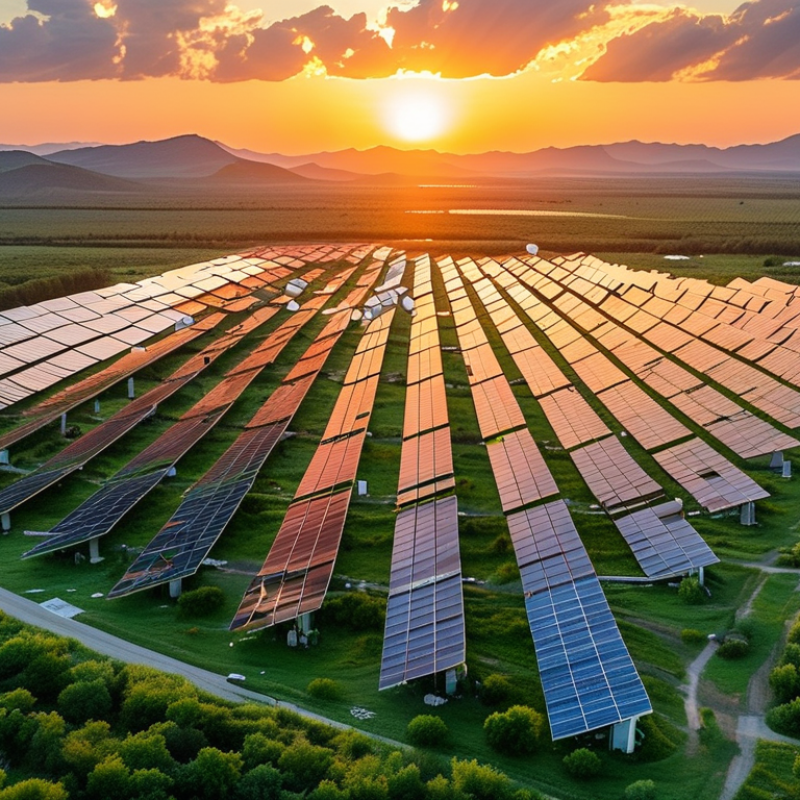
Flat single axis solar trackers represent an innovative solution in solar energy optimization. This technology allows solar panels to follow the sun’s trajectory throughout the day. By doing so, these trackers can increase energy production by 20% to 30% compared to fixed systems, according to a report by the National Renewable Energy Laboratory (NREL).
Understanding their working principle provides valuable insights. These trackers revolve around a single axis, either horizontal or vertical. The design is simpler and generally less costly than dual-axis systems. However, it may still face challenges in extreme weather conditions. Reports indicate that maintenance costs can rise if the systems are not well-designed or installed. The effectiveness of flat single axis trackers can be influenced by their geographic location, requiring careful site evaluation.
Investing in this technology reflects a growing trend in renewable energy. As countries strive for sustainability, they seek cost-effective ways to harness solar power. Energy forecasts predict that the adoption of trackers could double by 2028. Nevertheless, stakeholders need to remain cautious. Building a solar farm with flat single axis trackers necessitates a comprehensive understanding of its benefits and limitations.
Flat single axis solar trackers are revolutionizing solar energy systems. They are designed to follow the sun's trajectory throughout the day. By orienting solar panels optimally, these trackers can significantly enhance energy production. Studies show that they can increase output by up to 30%. This results in more efficient collection of solar energy.
These trackers are simple yet effective. They tilt panels either east to west or north to south, depending on the design. The engineering behind these systems ensures they can withstand harsh weather conditions. However, installation and maintenance can pose challenges. Users may encounter issues if not properly equipped or trained. Regular checks on the mechanical components are crucial for reliable performance.
Efficiency isn't the only benefit. Flat single axis trackers also minimize land use. A smaller footprint allows for denser installations. However, improper placement can lead to shading and reduced efficiency. Understanding site conditions is vital. Precision in deployment will maximize the advantages of these tracking systems and improve overall solar energy utilization.
This chart illustrates the benefits of utilizing flat single-axis solar trackers compared to fixed solar panels in terms of efficiency, energy production, and installation costs. The data showcases how these trackers can significantly enhance solar energy generation.
Flat single axis solar trackers are transforming energy production in various applications. These systems follow the sun’s movement, increasing solar energy capture. Studies show that they can boost energy output by up to 30% compared to fixed systems. This efficiency is a game changer for fields like agriculture and large solar farms.
In agricultural settings, these trackers enhance crop growth. By optimizing sunlight exposure, farmers can produce better yields. Additionally, they reduce land usage. The solar panels can be placed above crops, allowing for dual land utilization. However, not all regions are suitable for flat trackers. Terrain and climate can affect their performance.
Cost-effectiveness is another advantage. While the initial investment is higher, the long-term savings on energy bills can be significant. Maintenance needs are relatively low, but challenges exist. Issues like mechanical wear can arise. Regular checks are essential. Understanding these factors helps maximize benefits while minimizing setbacks.
Flat single-axis solar trackers are gaining popularity for their cost-effectiveness. These systems tilt panels along a single axis, optimizing sunlight capture throughout the day. This design allows for easier installation and lower maintenance costs compared to more complex tracking systems. Many solar projects see a significant increase in energy output, which can enhance their return on investment.
A comparative analysis of various tracker designs highlights that flat single-axis solutions often have lower upfront costs. However, their efficiency gains can vary greatly depending on geographical location and climate conditions. It's essential to carefully analyze site-specific factors before making a decision. Some projects may not achieve the expected performance, leading to questions about the validity of initial projections.
Even with challenges, many operators report satisfaction with their flat single-axis trackers. They appreciate the balance between functionality and expense. Still, assessing long-term durability and energy yield remains crucial for informed decision-making. Investing in these trackers should involve thorough research and reflection on real-world performance data.
Flat single-axis solar tracking technology is gaining traction in the renewable energy sector. As solar energy demand rises, so does the need for innovations to enhance efficiency. A report from the International Renewable Energy Agency (IRENA) indicated that solar trackers can increase energy output by up to 30% compared to fixed solar panels. This improved efficiency is crucial as countries strive to meet their renewable energy targets.
Future developments in flat single-axis solar trackers include advanced materials and AI-driven controls. Recent studies show that integrating machine learning can optimize the angle of panels throughout the day, adjusting in real-time to maximize sun capture. According to a 2023 report by Wood Mackenzie, the adoption of smart tracking systems can potentially reduce levelized cost of energy (LCOE) by 10-15%. Yet, the reliance on technology raises concerns about maintenance and reliability. Some systems may struggle under extreme weather conditions, revealing areas needing improvement.
Moreover, the flat design of these trackers allows for easier installation and maintenance. However, their performance can be affected by ground conditions and shading from surrounding structures. As the industry progresses, continuous innovation is necessary to address these limitations and enhance the reliability of flat single-axis solar trackers. Ensuring that these systems can withstand varying environments will be pivotal in realizing their full potential in the renewable energy landscape.
: They follow the sun’s movement, improving solar energy capture throughout the day.
Studies show an increase of up to 30% compared to fixed systems.
Yes, they enhance crop growth and can reduce land usage by allowing dual utilization.
Yes, terrain and climate can significantly affect the performance of flat trackers.
They require regular checks due to potential mechanical wear, but maintenance is generally low.
The initial investment is higher, but long-term energy savings can be significant.
Innovations like advanced materials and AI controls will enhance efficiency and optimize panel angles.
Maintenance and reliability may be problematic, especially under extreme weather conditions.
Their design allows for easier installation, but ground conditions can still affect their performance.
Continuous innovation is necessary to enhance reliability in varying environmental conditions.
Flat Single Axis Solar Trackers are an innovative technology designed to maximize solar energy efficiency by following the sun's trajectory throughout the day. These trackers increase energy production compared to fixed solar panels, allowing for enhanced performance in various real-world applications. By tilting and adjusting to the sun’s position, flat single axis trackers ensure optimal light capture, resulting in increased power output.
In addition to improving energy efficiency, flat single axis solar trackers are also cost-effective, demonstrating competitive advantages when compared to other solar tracking systems. As the industry evolves, future developments in this technology promise to enhance their operational capabilities, further solidifying their role as a sustainable solution in the renewable energy landscape. Overall, the adoption of flat single axis solar trackers represents a significant step forward in harnessing solar energy effectively.

Zhaori
