2026 Top Solar Panel Tracking Systems for Global Buyers

Time:2026-09-12 Author:Isabella
0%

Choosing the right Solar Panel Tracking System can shape a project’s energy yield, maintenance budget, and long-term reliability. In 2026, global buyers face more options, from single-axis trackers for utility-scale fields to dual-axis systems for specialized installations. The best choice depends on location, land conditions, weather patterns, module design, and grid requirements.

Real-world performance matters more than impressive brochures. A tracker working across a dry desert may need different motors, coatings, and cleaning plans than one installed near a humid coastline. Wind sensors, stow strategies, corrosion protection, and remote monitoring deserve close attention. Small mechanical weaknesses can become expensive failures across thousands of panels. That is not always obvious during the sales process.

This guide compares leading tracking solutions through practical buying criteria. It considers energy gain, structural design, installation complexity, software capability, service networks, warranties, and total ownership cost. Independent testing, transparent performance data, and references from operating projects can help buyers separate durable equipment from optimistic claims. Regional engineering support also matters, especially when replacement parts must cross borders.

No tracker is perfect. Some systems promise higher output but require stricter foundations or more frequent inspections. Others reduce installation work but offer fewer customization options. Buyers should question unclear guarantees and calculate results using local solar data, not global averages. The strongest decision combines engineering evidence with field experience, while leaving room for unexpected weather, supply delays, and changing project conditions. That practical caution may prevent an expensive mistake.
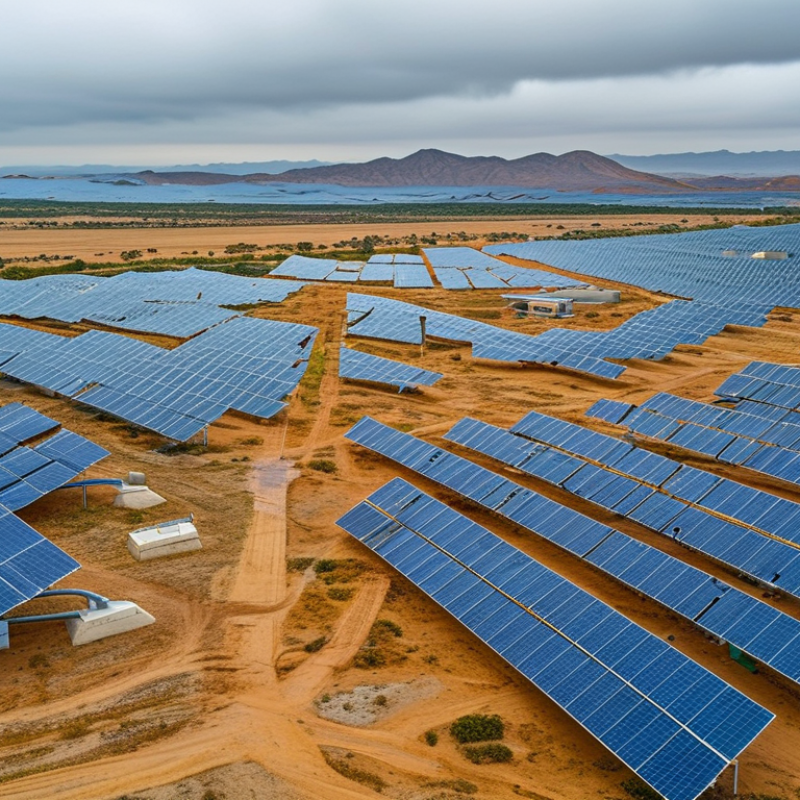
2026 Top Solar Panel Tracking Systems for Global Buyers

Solar Tracking Fundamentals: NREL Reports 15–25% Higher Yield

2026 Top Solar Panel Tracking Systems for Global Buyers

Solar tracking systems adjust panel angles as the sun moves across the sky. NREL reports can show 15–25% higher energy yield than fixed-tilt systems under suitable conditions. The gain depends on latitude, weather, panel spacing, and system design. Single-axis trackers often suit large, open sites with strong sunlight. Complex terrain may reduce their practical advantage.

A reliable evaluation should examine wind-stow controls, row spacing, motor access, and drainage. These details affect production and long-term maintenance. Bifacial panels may gain additional energy from reflected ground light. However, bright surfaces, dust, and shading must be measured carefully. A spreadsheet can look convincing, yet the field may disagree. That is an important weakness in early planning.

Tips: Compare modeled yield with local weather data. Request independent energy estimates. Check the tracker’s operating range and storm response. Leave room for maintenance vehicles. Do not select a system by yield percentage alone; labor, replacement parts, terrain, and grid limits can change the final result. Small design errors may quietly reduce the expected gain.

2026 Tracker Types: Single-Axis, Dual-Axis, and Fixed-Tilt Systems

For global buyers, choosing a solar tracking system depends on sunlight, land, wind, and maintenance capacity.

Fixed-tilt systems use a simple steel structure set at an optimized angle. They usually cost less and require fewer moving parts. They suit rooftops, limited-service sites, and regions with stable solar conditions.

Single-axis trackers rotate panels from east to west during the day. This design can increase energy production without the complexity of two moving axes. It often fits large, flat projects with reliable access and moderate terrain variation.

Dual-axis trackers adjust both daily rotation and seasonal elevation. They can capture more direct sunlight, but their motors, controls, foundations, and maintenance requirements are higher. More output is not always better value.

Tips: Compare annual energy gain, not peak performance. Check wind ratings, snow loads, drainage, spare parts, and local service skills. Request independent yield estimates.

A practical evaluation should include soil testing, shading analysis, row spacing, and grid connection limits.

Buyers should also review warranties, emergency-stop functions, cybersecurity controls, and local permitting requirements. Tracking hardware can perform well in dry climates, yet dust may increase cleaning needs. Coastal air creates another concern: corrosion protection must match the site.

Dual-axis systems may look impressive, but complex equipment can become a weakness in remote locations. I have seen designs fail on maintenance planning, not sunlight. That detail deserves more attention.

A smaller gain with dependable operation may deliver stronger lifetime returns.

Top 2026 Trackers: Compare GCR, Wind Stow, and Bifacial Compatibility

For 2026 solar projects, tracker selection should begin with ground coverage ratio, or GCR. GCR measures how closely panel rows are spaced across the site. A higher GCR uses land efficiently, but it can increase shading during morning and evening hours. I usually review row spacing with hourly shadow simulations, not only annual energy estimates. Small spacing errors become visible on uneven ground.

Wind stow behavior deserves equal attention. A tracker should move panels into a safer angle when wind sensors detect rising gusts. The control strategy must account for local terrain, turbulence, and delayed sensor readings. A conservative stow setting may reduce production during storms, yet a weak setting can increase mechanical stress. There is no universal angle that fits every site. That assumption needs challenging.

Bifacial compatibility depends on more than panel clearance. Rear-side output improves with bright ground surfaces, suitable row spacing, and limited structural shading. Trackers should avoid blocking the panel’s rear surface with thick rails or poorly placed drive components.

Field measurements often differ from laboratory results. Dust, weeds, soil color, and snow can change albedo within one season. Operators should compare rear irradiance data with actual energy gains before changing settings. A technically attractive design may still underperform when maintenance access is narrow or wind stow interrupts production too often.

Global Buyer Metrics: LCOE, Availability, O&M, and Energy Gain

For global buyers, solar tracking systems should be judged by LCOE, availability, O&M, and energy gain—not headline efficiency alone. Lazard’s 2024 Levelized Cost of Energy report places utility-scale solar near USD 29–92 per MWh, but local financing and grid costs can change the result sharply. Single-axis tracking commonly delivers 15–25% more annual energy than fixed-tilt systems, according to IEA PVPS performance research. The gain is strongest in high-irradiance regions. Dust changes the calculation.

Availability deserves contractual attention. A practical target is 99% technical availability, supported by spare motors, remote alarms, and clear response times. NREL’s 2024 Annual Technology Baseline models utility photovoltaic fixed O&M near USD 20 per kW-year, although tracker maintenance can add labor in harsh climates. Wind stow settings, uneven terrain, and row alignment affect both uptime and energy yield. One overlooked failure can erase a year’s expected gain.

Tips: Compare LCOE using site-specific weather data, not a global average. Request five-year availability records and component replacement rates. Separate energy gain from energy delivered; clipping, curtailment, and grid outages reduce the real benefit. A useful tender model tests fixed-tilt and tracking designs under identical financing assumptions. Buyers should also challenge optimistic degradation estimates. They may be correct. They may not be.

2026 Top Solar Panel Tracking Systems for Global Buyers

Global buyer metrics: LCOE, availability, O&M, and energy gain

Indicative utility-scale benchmarks for comparable sites: single-axis tracking typically increases annual energy yield by about 15–25% versus fixed-tilt PV, while dual-axis tracking can provide approximately 25–35% additional yield. Actual results vary with latitude, terrain, irradiation, financing, grid conditions, and maintenance strategy.

Compliance Checklist: IEC 62817, Wind Loads, and Regional Bankability

Selecting a solar tracking system in 2026 requires more than comparing annual energy yields. Buyers should request evidence that the tracker was designed and tested under IEC 62817. This standard addresses performance, durability, control functions, and verification methods. Ask for test reports, revision dates, and the exact configuration tested. Generic certificates are not enough. Details matter.

Wind engineering deserves equal attention. Project teams should review local wind speeds, terrain exposure, gust factors, stow angles, and foundation loads. A coastal site may face salt, turbulence, and stronger gusts than a nearby inland project. The supplier should provide structural calculations, installation tolerances, and clear emergency stow procedures. Field checks are valuable, yet they are sometimes treated as paperwork. That is a mistake. One missing load case can delay financing or trigger redesign work.

Regional bankability depends on more than a strong datasheet. Lenders often examine operating history, warranty terms, spare-part access, maintenance training, and the availability of qualified local engineers. They may also request independent technical reviews and evidence from comparable climates. Documentation should match the project country, not merely a global template. A perfect checklist does not exist. I would still leave room for uncertainty, especially where limited local operating data weakens assumptions. That weakness should be disclosed early, with monitoring plans and practical repair timelines.

FAQS

What is a solar tracking system?

It changes panel angles as the sun moves. Single-axis units rotate east to west. Dual-axis units also follow seasonal elevation.

How much more energy can tracking produce?

Under suitable conditions, tracking may produce roughly 15–25% more energy than fixed-tilt systems. Actual gains vary. Weather, latitude, spacing, shading, and design matter.

When is a single-axis tracker appropriate?

It often suits large, flat sites with strong sunlight and reliable maintenance access. Leave clear routes for vehicles. Complex terrain may reduce its advantage.

Is a dual-axis system always better?

No. It can capture more direct sunlight, but adds motors, controls, foundations, and maintenance. Higher output may not create better lifetime value.

What should buyers inspect before selecting a system?

Review wind-stow controls, operating range, row spacing, drainage, motor access, and emergency-stop functions. Check soil, shadows, snow loads, and grid limits. Small errors matter.

How do climate and site conditions affect tracker selection?

Wind, snow, dust, salt air, and terrain influence design and maintenance. Coastal projects need suitable corrosion protection. Dry sites may require more cleaning.

What evidence supports technical compliance and financing?

Request testing evidence under applicable international tracker standards. Review structural calculations and the exact tested configuration. Include revision dates. Generic certificates are weak evidence.

How can buyers avoid overestimating energy yield?

Compare modeled results with local weather data and independent estimates. Measure bifacial reflections, dust, and shading carefully. A spreadsheet can look convincing. The field may disagree.

What makes a tracking system dependable over time?

Lenders may examine operating history, warranties, spare parts, training, local engineers, and similar climate records. Maintenance planning often decides success. I would disclose uncertainty early.

Conclusion

The 2026 solar market is placing greater emphasis on intelligent system design, energy yield, and long-term project value. A Solar Panel Tracking System can improve sunlight capture by adjusting panel orientation throughout the day, with potential yield gains of approximately 15–25% compared with fixed installations under suitable conditions. This guide explains the differences between single-axis, dual-axis, and fixed-tilt systems, helping global buyers match tracker design with project size, climate, terrain, and budget.

Key evaluation factors include ground coverage ratio, wind-stow strategy, bifacial module compatibility, levelized cost of electricity, equipment availability, maintenance requirements, and expected energy gain. Buyers should also assess structural durability, installation complexity, remote monitoring, spare-parts support, and regional financing acceptance. Before procurement, projects should verify compliance with IEC 62817, applicable wind-load requirements, grid rules, and local certification processes. A balanced decision should prioritize reliable performance, bankability, serviceability, and total lifecycle cost rather than headline energy gains alone.


Isabella

Isabella

Isabella is a dedicated marketing professional with a sharp focus on driving brand growth and engagement through strategic content creation. With an extensive background in digital marketing, she combines her passion for storytelling with her keen understanding of industry trends to deliver......